

Investing in art: buying original art as an investment
The works of our graduates often display a noticeably mature artistic style. Here you will find pieces that mark the next step in their artistic development – thoughtful, technically assured and full of personality. Art by graduates is particularly well-suited to anyone who thinks long-term and wishes to invest in sustainable creativity. The works impressively showcase the development of young talent.









Investing in art with promising works by our graduates
If you’re looking to invest in art, our graduates are particularly worth a look. Their works already combine a mature artistic voice with the creative freedom of the early stages of their careers – a combination that makes them an exciting investment opportunity for collectors and investors alike. They have only just completed their art degrees, yet already possess a distinct visual language, a recognisable style and initial exhibition experience. It is precisely this combination that makes art by graduates so promising for those wishing to invest in art: it is professional, individual and yet affordable.
When investing in art, the value lies not solely in monetary terms – you are also investing in development, talent and the future. And this is precisely where the appeal lies: graduates are at a stage where they have found their path but still have room to grow. Their works evolve, their profile rises, and the potential for appreciation in value is very real – whilst at the same time you acquire an original piece that enriches your space and is technically impressive. It’s the ideal starting point for utilising art both as an investment and as an aesthetic enhancement in your home.
Buying art as an investment – why art investments make sense
Art has been a stable form of investment for centuries – and it differs significantly from traditional investments such as shares, ETFs or property. When you invest in art, you acquire a physical asset, independent of financial fluctuations and unexpected market movements. This is why art is such an interesting investment. It does not suddenly lose value in a market crash, but remains intact, visible, tangible and present. For many investors, this is what makes art so attractive as an investment: value, stability and aesthetic appeal go hand in hand.
Furthermore, the art market has been growing steadily for years. Reports such as the Knight Frank Wealth Report and the UBS Global Art Market Report reveal clear trends: high-net-worth investors who invest in art are increasingly turning to it as a long-term hedge and means of diversification. Art is not subject to the same cycles as the DAX or the property market – it operates according to its own logic, with its own performance and its own demand. Investing in works of art therefore makes this part of your wealth less dependent on the stock market.
So, if you want to invest in art, you’re buying more than just a beautiful object. Investing in art adds an asset class to your portfolio that performs independently and also brings you pleasure. And you don’t need millions in your bank account to do so; you can make your investment in art through Studierenden Kunstmarkt with a budget of any size.
Art as an investment – independent of the stock market
Anyone who buys art as an investment adds an asset class to their portfolio that develops according to its own logic. The value of a work is not tied to the DAX and does not follow interest rate cycles, but rather the artist’s development, demand and the visibility of a piece. Works by graduates in particular offer an exciting opportunity here: you acquire original art at a fair entry-level price and secure the potential of an emerging career. In this way, a work that brings you joy every day also becomes a tangible asset.
Investments on a budget – the potential of emerging talent
One of the most attractive ways to invest in art is through young and emerging artists. Works by recent graduates, in particular, offer enormous potential at a fair entry-level price if you’re looking to buy art as an investment. Whilst works by established artists can easily cost four or five-figure sums, investing in emerging talent often still allows you to buy at affordable prices – without compromising on quality.
The appeal here lies in the potential for growth. Nobody knows who will become the next big name in the art world, but that is precisely where the opportunity lies. Early works by artists who go on to achieve success often see impressive increases in value on the secondary market. A telling example: anyone who bought early works by Jean-Michel Basquiat in the 1970s could not have foreseen at the time just how significant he would one day become – today, his artworks fetch record prices at international auctions. Of course, there are no guarantees – but there are trends. That’s why you can get personalised advice from us, free of charge, on your art investment, or discover promising talents in our ‘Artist of the Month’ section. If you want to invest in art, it’s best to do so sooner rather than later. At the same time, by supporting creative talents through the ‘Studierende Kunstmarkt’ initiative, you’ll help them on their journey, enabling them to hold exhibitions and providing them with materials and time to create new artworks. Investing in art isn’t just financially sensible; it also has a cultural impact.
Discover the Artist of the Month
Tips for successful art investments
Before you invest in art for the first time, it’s worth taking a look at a few basic tips for successful art investments. The most important one: don’t just buy based on potential value, but on personal conviction. A piece that speaks to you will stay with you in the long term – and that’s exactly what makes art so special.
Research: Find out about the art market, get to know artists, look at how their careers have developed, and find out about exhibitions, prizes or grants. If you keep up to date with the art scene, you’ll quickly get a feel for where exceptional talent is emerging and where it’s best to invest in art. At our exhibition openings at the SKM Gallery in Leipzig, for example, you can meet the exhibiting artists in person. You can sign up for the SKM Gallery newsletter here so you never miss an opening again.
Build a network: Forge connections with gallery owners, curators and other art collectors. A strong network can provide valuable information and opportunities. As an SKM Friend, you have the opportunity to attend our exclusive artists’ dinner and chat with the artists and other interested parties at your leisure.
Long-term perspective: Art investments are generally long-term. Be patient and don’t expect immediate returns when investing in art. The value of artworks often increases over years or even decades.
Authenticity and condition: Pay attention to quality and condition. Craftsmanship, technique and materials are essential for long-term value retention. On the Student Art Market, you’ll receive a certificate of authenticity for every work directly from the artists – a crucial factor for any future increase in value.
Diversification: Invest in a variety of artists, styles and periods to increase your chances. There’s no ‘right’ way to collect art, but there are various tactics for spreading the risk.
Artist of the Month
A particular highlight for anyone investing in art or looking to treat art as an investment is our ‘Artist of the Month’ category. Here, we showcase talents who have distinguished themselves through strong sales, exceptional professionalism, consistent quality or outstanding artistic development.
This section offers you a curated selection of promising artists and makes it easier to get started if you’re wondering which art by young artists is currently exciting as an investment. The award is given to each artist only once – this does not mean that the artists are any less impressive in other months, but rather that they have stood out particularly during this period.
For you, this serves as a valuable guide: you gain access to talents who are generating a buzz, are in demand, and whose work is compelling both aesthetically and in terms of its potential. Many collectors use this category as a starting point for new investments – a blend of inspiration and a thirst for discovery.
Collecting art on the Student Art Market
So if you’re looking to invest in emerging art, the graduates featured on the Students’ Art Market offer an excellent starting point: a mature artistic voice, individual styles, high potential for development and moderate entry-level prices.
Art as an investment is not a question of wealth, but of perspective – and that is precisely why it is worth starting now with small investments and discovering the diversity of young art for yourself.
Among our graduates, you’ll find a diverse range of artistic styles that capture the human experience in unique ways. For example, you could invest in art such as expressive etchings. The works of young graduates at the Student Art Market are the ideal starting point for art as an investment.
What you need to know about investing in art
Do you want to invest in art by graduates and are wondering where to start? In our guides, you’ll find the essentials on selecting art, performance and building your own collection.
- Investing in art as a hedge against inflation? – Why art, as a tangible asset, can protect against inflation.
- Which artistic medium should I invest in? – Painting, printmaking or sculpture: how to find your first piece.
- How do I start my own art collection? – 6 tips for budding collectors.
- Tips and tricks for your art collection – what really matters when building one.
- The world’s most expensive paintings – art as a status symbol and an investment.
- The Leipzig Spinnerei and the art tour – where you can discover up-and-coming talent early on.
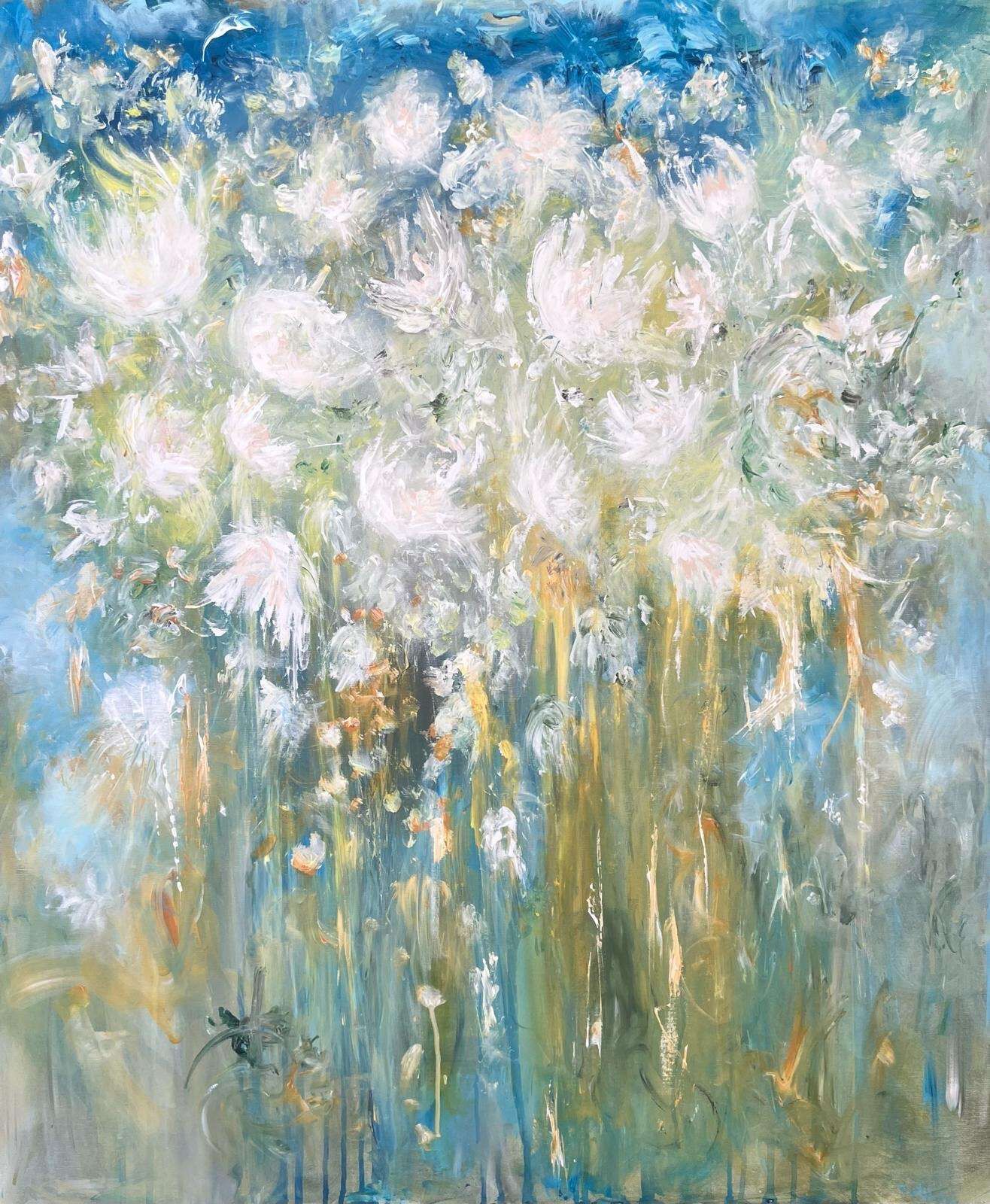
Valerie Cee focuses on emotional colour schemes that are full of naturalness and radiate both warmth and tranquillity.


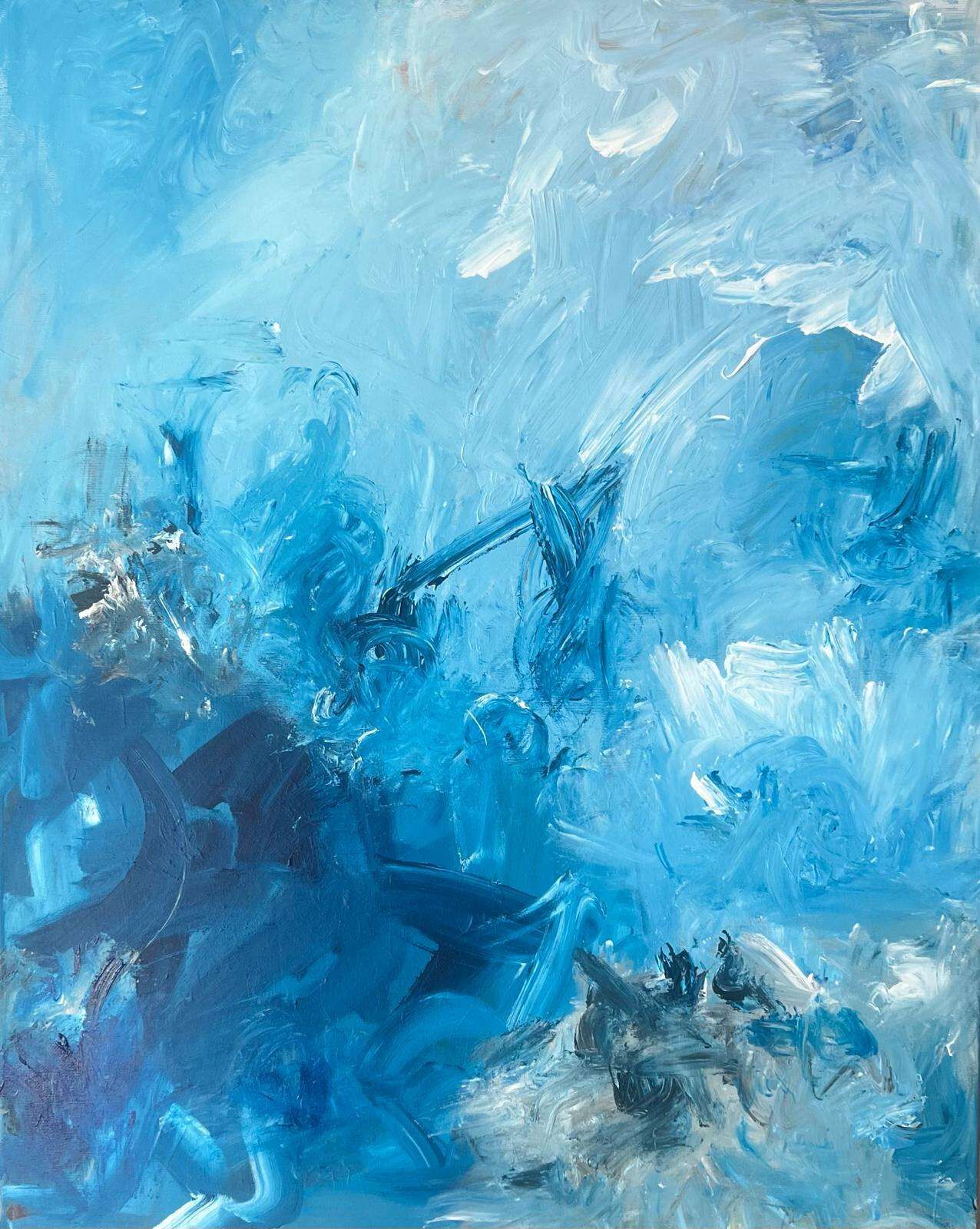
Eunjeong Kim, on the other hand, creates finely detailed abstract works that oscillate between delicate fluidity and explosive energy.


Toninho Dingl impresses with his perfectionist attention to detail, which he combines with a light-hearted sense of humour.


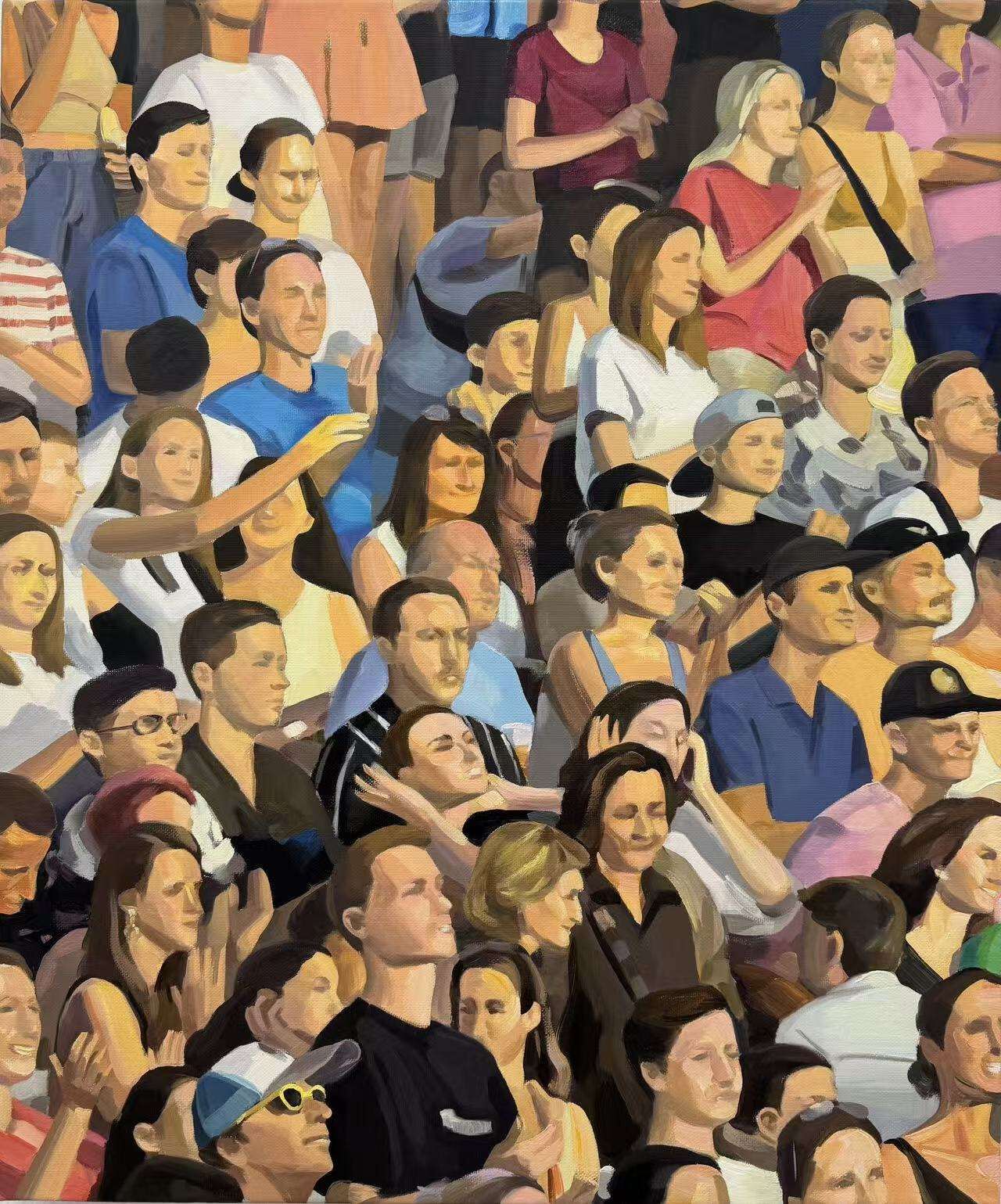
Fancheng Xu focuses on people in groups, individually or as a moving crowd – always with remarkable attention to detail.


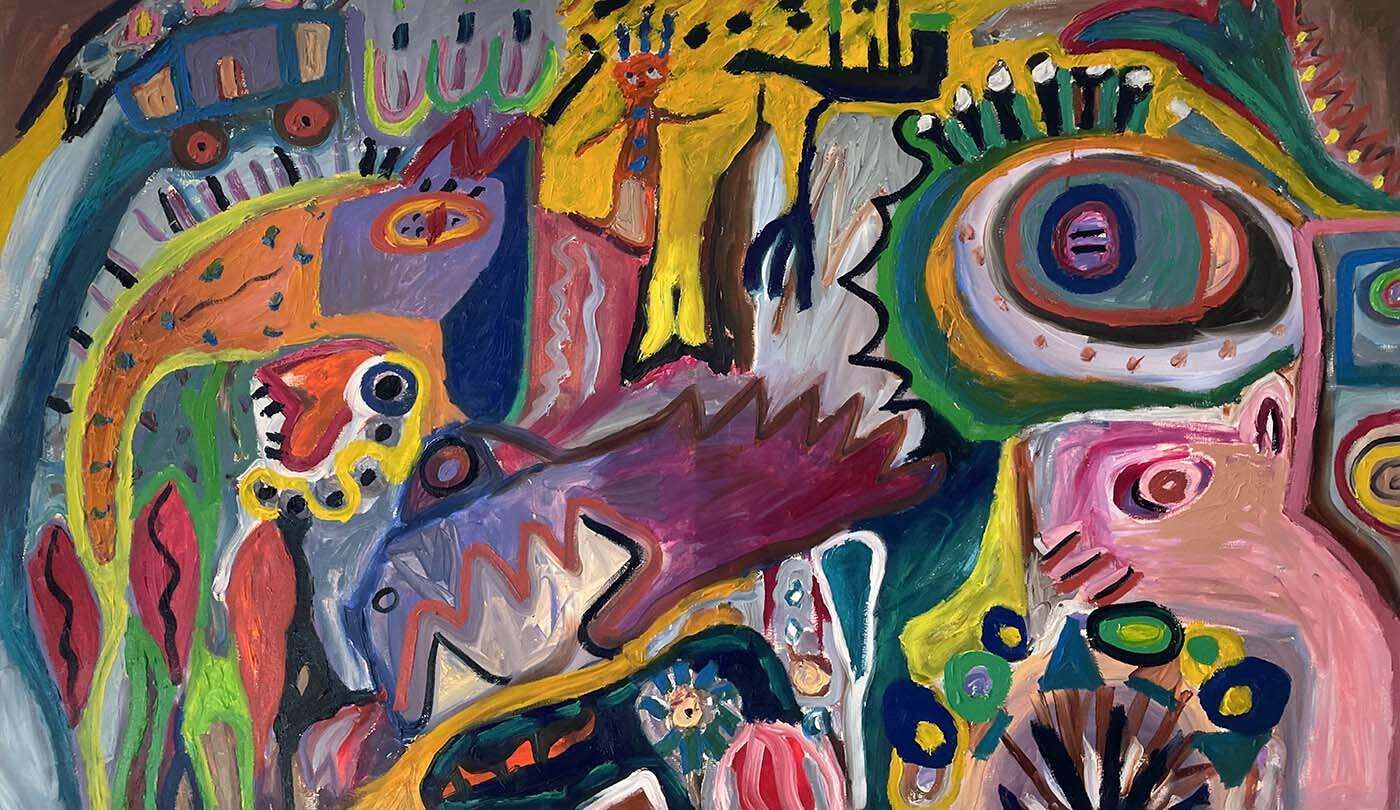
Kaan Ege Önal creates expressive portraits that are instantly recognisable thanks to their distinctive style.


Together, these artists demonstrate just how multifaceted contemporary art is and that investing in art doesn’t have to be complicated.
Frequently asked questions about art by graduates and art investment
Yes, art can be a very worthwhile investment. You’re buying something that enriches your everyday life and may increase in value over the long term. Originals and hand-painted works in particular offer potential, as they remain unique. It’s important to choose art that you like and that you’d enjoy having in your home. Investing in the student art market can be particularly worthwhile, as the artists are at the start of their careers. This means you can acquire artworks at a fair price with the potential to increase in value.
Original works, limited editions and pieces by up-and-coming artists are particularly worthwhile. These have greater potential for appreciation in value than mass-produced items or posters. Art featuring contemporary themes and a distinctive style can also prove exciting in the long term. The key point is this: quality and individuality matter more than trends.
Start with clear criteria: budget, style and format. It’s best to buy originals by emerging artists before their prices rise – platforms such as the Student Art Market offer ideal conditions for this. Stick to reputable sources and assess the technique, materials and the artist’s development. And: only invest in works that you feel will appeal to you in the long term.
Art can be a stable, long-term investment, particularly when compared with rapidly fluctuating markets. It is unaffected by short-term crises and retains its emotional and material value. At the same time, you can enjoy its aesthetic appeal every day. There are no guarantees – but well-chosen art stands the test of time.
Originals, one-off pieces and high-quality mixed-media works are particularly promising. Works with a distinct artistic style or social relevance also often retain their value well. Look out for good materials, high-quality craftsmanship and a recognisable artistic development. Limited editions can also be a sensible choice.
Emerging artists who are developing their own visual language and actively exhibiting their work often offer the greatest potential. Students and graduates from renowned art colleges are particularly interesting, as their prices are still affordable. Artists with clear themes and a high degree of recognisability build a stable market profile over the long term. And most importantly: their work should appeal to you personally – that is always the best basis for a sound investment.