The warmth and lightness of Impressionism

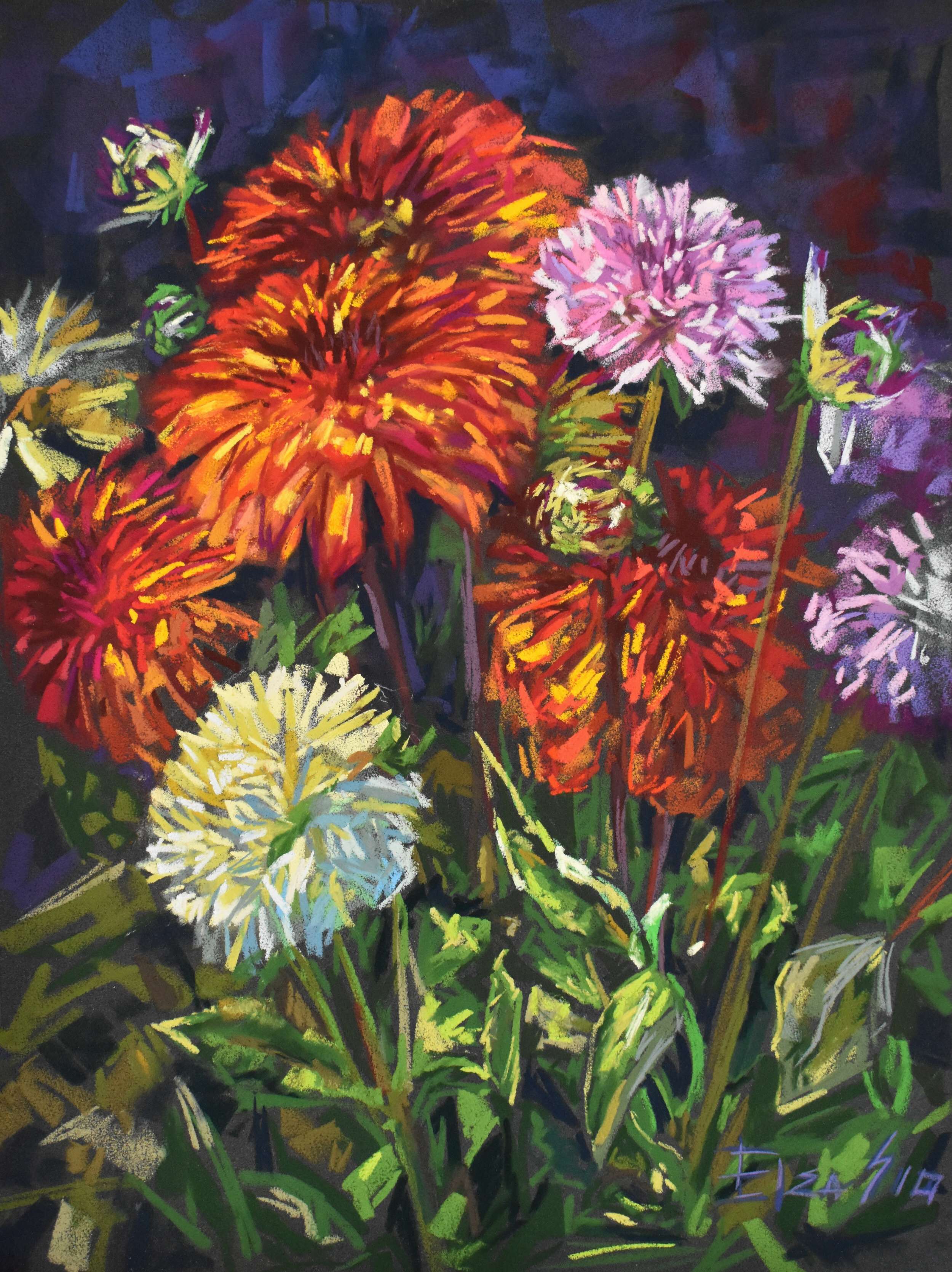
Impressionist paintings play with colours, light and fleeting moments. The works by our SKM artists appear spontaneous, yet are full of depth. In Impressionist paintings, everyday scenes, nature or people are transformed into vibrant plays of colour. They radiate warmth, movement and lightness – qualities you can bring into your own home by purchasing a work of art.

Find out more...

Filter
1 - 60 / 330 artworks
Unbekannte Gewässer
30 x 40

€250.00*
Unbekannte Gewässer
XN
42 x 29

€220.00*
XN
XB
42 x 29

€220.00*
XB
XC
42 x 29

€220.00*
XC
XX
42 x 29

€220.00*
XX
YX
42 x 29

€220.00*
YX
Im letzten Leuchten
30 x 30

€265.00*
Im letzten Leuchten
π³
80 x 80

€680.00*
π³
SX
42 x 29

€220.00*
SX
DX
42 x 29

€220.00*
DX
FX
42 x 29

€220.00*
FX
GX
42 x 29

€220.00*
GX
JX
42 x 29

€220.00*
JX
KX
42 x 29

€220.00*
KX
ÖX
42 x 29

€220.00*
ÖX
ÜX
42 x 29

€220.00*
ÜX
Wer sind wir ?
70 x 50

€380.00*
Wer sind wir ?
Morgenspaziergang
25 x 40

€530.00*
Morgenspaziergang
PX
42 x 29

€220.00*
PX
OX
42 x 29

€220.00*
OX
IX
42 x 29

€220.00*
IX
UX
42 x 29

€220.00*
UX
ZX
42 x 29

€220.00*
ZX
TX
42 x 29

€220.00*
TX
EX
42 x 29

€220.00*
EX
WX
42 x 29

€220.00*
WX
QX
42 x 29

€220.00*
QX
Ohne Titel
100 x 150

€1,995.99*
Ohne Titel
Im sanften Licht des Abends
30 x 30

€265.00*
Im sanften Licht des Abends
Sanftheit des Abends
30 x 30

€265.00*
Sanftheit des Abends
mini series „Mittagspause“ - 58
10 x 10

€150.00*
mini series „Mittagspause“ - 58
mini series „Mittagspause“ - 57
10 x 10

€150.00*
mini series „Mittagspause“ - 57
mini series „Mittagspause“ - 56
10 x 10

€150.00*
mini series „Mittagspause“ - 56
mini series „Mittagspause“ - 55
10 x 10

€150.00*
mini series „Mittagspause“ - 55
mini series „Mittagspause“ - 54
10 x 10

€150.00*
mini series „Mittagspause“ - 54
mini series „Mittagspause“ - 53
10 x 10

€150.00*
mini series „Mittagspause“ - 53
12:00 Uhr Mittags
30 x 40

€700.00*
12:00 Uhr Mittags
Surfer
70 x 150

€2,000.00*
Surfer
42 x 29

€220.00*
XW
42 x 29

€220.00*
XW
XY
42 x 29

€220.00*
XY
Maxim V
85.5 x 85.5

€1,250.00*
Maxim V
Not My Problem III
120 x 85

€1,520.00*
Not My Problem III
Flakon
76 x 76

€1,160.00*
Flakon
Crimson Soil
25 x 34

€350.00*
Crimson Soil
Amber and Bone
24.5 x 34

€320.00*
Amber and Bone
Turista
20 x 14

€130.00*
Turista
Seerosen
30 x 30

€320.00*
Seerosen
Prießnitzgrund
155 x 106

€800.00*
Prießnitzgrund
Prießnitztal
155 x 106

€800.00*
Prießnitztal
Sächsische Schweiz (Lithografie)
40 x 27

€400.00*
Sächsische Schweiz (Lithografie)
Verwurzelt (Studie)
27 x 24

€280.00*
Verwurzelt (Studie)
Haus mit Garten (Kunstdruck)
29.7 x 21

€200.00*
Haus mit Garten (Kunstdruck)
Kiefern
96 x 78

€800.00*
Kiefern
Friedrichgrund
155 x 106

€800.00*
Friedrichgrund
Formation (Zeichnung)
63 x 44

€280.00*
Formation (Zeichnung)
Sommernacht
40 x 40

€550.00*
Sommernacht
Lunch Break
30 x 20

€500.00*
Lunch Break
Flamingo
24 x 17

€180.00*
Flamingo
Bärgrettung
25 x 25

€340.00*
Bärgrettung

Impressionist paintings: when art becomes emotion

An ‘impression’ – an impression – is always something subjective, shaped by one’s own experiences, emotions and ideas. Impressionism broke with convention and opened up space for individuality, sensuality and spontaneous perception. At the heart of Impressionist paintings were no longer perfect compositions or historical scenes, but the moment as it was experienced. Light, colour and movement merged to create an overall emotional impression.

At Studierenden Kunstmarkt, you’ll find original Impressionist artworks to suit a variety of tastes. Browse through Impressionist art by our young artists here and discover your new favourite painting for your home, practice or office.


The emergence of a new visual language

The history of Impressionism began in 19th-century France with a group of young artists who rebelled against the rigid rules of academic painting. Instead of idealised depictions, they sought to capture fleeting impressions and the moods of the moment in Impressionist paintings. The term ‘Impressionism’ derives from the Latin ‘impressio’ (‘impression’) and was inspired by Claude Monet’s painting ‘Impression – soleil levant’, which was exhibited in 1874 at the movement’s first exhibition. What was originally intended as a term of derision was embraced with confidence by the artists themselves.

Characteristic features of Impressionist paintings are spontaneous, visible brushstrokes, vibrant colours and the depiction of natural lighting conditions – often painted directly outdoors. The focus was not on clear contours, but on subjective perception and atmosphere. From its country of origin, France, the movement spread across Europe; German painters such as Max Liebermann and Lovis Corinth also played a significant role in shaping it. Between around 1860 and 1920, Impressionism had a lasting influence on art – to this day, it is regarded as a forerunner of modern art.

Characteristics of Impressionism

Impressionist paintings deliberately broke with the traditional rules of academic painting and sought new forms of expression in order to bring subjective experience to the fore. Instead of realistic depictions, the focus was now on fleeting impressions, atmospheric lighting and personal perception. Artists often chose seemingly random details in Impressionist paintings – like snapshots – and dispensed with clear contours. Impressionism thus became the starting point for modern painting and a rejection of rigid compositional principles.

Key characteristics of Impressionist painting include an innovative approach to colour, light and painting technique. The painters favoured bright, vibrant colours, which they placed side by side in short, visible brushstrokes rather than mixing them – creating a lively overall effect when viewed from a distance. Particularly characteristic of Impressionist paintings was the interplay of light and shadow: different times of day, seasons or weather conditions had a significant influence on the painting’s expression. Painting outdoors, known as ‘plein air’ painting, also became the preferred method of working in order to capture the atmosphere of a moment directly.

In terms of subject matter, Impressionist paintings focused on motifs from everyday life – ranging from urban bustle and leisure activities to expansive landscapes. Flower-filled meadows, fields, bodies of water and gardens provided the ideal conditions for depicting light, colour and movement across large areas. People often receded into the background and were integrated into the scene rather casually. Impressionist painting, with its shimmering surfaces, loose brushstrokes and the dissolution of fixed contours, conveys an impression of lightness, spontaneity and emotional immediacy.

Famous Impressionist works

One of the best-known Impressionist paintings is undoubtedly ‘Impression – soleil levant’ (1872) by Claude Monet, which translates as ‘Impression – Sunrise’. This painting, which depicts a misty harbour at sunrise, gave the entire movement its name. With his light-filled Impressionist landscapes – such as the famous Water Lilies series – Monet is regarded as one of the most important pioneers of the movement. The Impressionist painting “Dance at the Moulin de la Galette” (1876) by Pierre-Auguste Renoir continues to captivate viewers to this day with its cheerful atmosphere and the interplay of light and shadow in a lively Parisian scene.

Alongside Monet and Renoir, many other artists shaped this era with their unique Impressionist paintings. Vincent van Gogh – often regarded as a latecomer to Impressionism – brought his own distinctive, emotional style to the movement with paintings such as “Starry Night” (1889) or “Café Terrace at Night”. Paul Gauguin, for his part, expanded Impressionist landscape painting with exotic and intense colours, as seen in works such as “Riverbank” or “Forest Landscape”. Camille Pissarro, another key figure, captured rural life in soft, harmonious colours – for example, in the Impressionist painting “Apple Trees near Éragny”.

Impressionist paintings also met with a great response outside France. In Germany, Max Liebermann, Lovis Corinth and Max Slevogt were among the most significant exponents of Impressionist art. Liebermann’s Impressionist paintings, such as “Terrace of the Restaurant Jacob in Nienstedten on the Elbe” or “Flower Terrace in the Wannsee Garden”, impressively demonstrate how light and nature also became central motifs in German painting. Paul Cézanne – often seen as a bridge to Post-Impressionism – contributed a powerful, structured variation on the style with Impressionist paintings such as “Hilly Landscape” or “The Smoker”.

Contemporary Impressionism

Impressionism lives on in the 21st century too – in the works of contemporary artists who consciously draw on the tradition of this movement. Painters take up typical motifs and techniques of classical Impressionism and adapt them to the present day. Their Impressionist paintings depict everyday, often tranquil scenes full of atmosphere: a person in the garden, a walk against the light, life by the water. Particularly striking is the interplay of light, colour and mood, which enables the viewer to immerse themselves emotionally in the moment and experience what is depicted in an almost sensory way.

Today, Impressionist paintings are no longer seen as a radical departure from tradition, but as works of a style-defining era whose influence continues to this day. In contemporary art, Impressionism serves not only as a historical model but also as a source of inspiration for a sensual, personal visual language that retains its impact across generations.

At Studierenden Kunstmarkt, we offer a wide selection of different Impressionist artworks. Here, you can buy Impressionist paintings from the comfort of your sofa. Discover original works in a variety of styles. Verena Fuchs captivates with her art, characterised by soft lines in muted tones. The realistic nature scenes by Bohdan Dobrivskyi allow viewers to immerse themselves in another world. Sophie Bäumer creates bold, abstract splashes of colour, whilst Josefine Däumer brings emotive, blurred shapes and colours to the canvas, and Madita Kramer conjures up delicate landscapes.

FAQs


Der Impressionismus ist eine Kunstrichtung des 19. Jahrhunderts, die sich durch ihre Offenheit gegenüber neuen Sichtweisen auf die Welt auszeichnet. Im Mittelpunkt steht nicht mehr das genaue Abbild der Realität, sondern das persönliche Empfinden eines Moments. Die Künstler wollten das Vergängliche, Ungeplante und Emotionale einfangen – oft durch lebendige Farbflächen und eine lockere Malweise. Diese Herangehensweise war damals revolutionär und bedeutete einen Bruch mit der akademischen Kunsttradition.

Der Begriff „Impressionismus“ leitet sich vom französischen Wort impression (Eindruck) ab und wurde zunächst spöttisch verwendet – nach Claude Monets Gemälde Impression, soleil levant. Er beschreibt eine Kunstrichtung, die sich auf subjektive Eindrücke konzentriert, statt objektive Wirklichkeit darzustellen. Das Ziel war es, das Licht, die Atmosphäre und die Stimmung eines Augenblicks einzufangen. Später wurde der Begriff zum festen Namen einer der einflussreichsten Bewegungen der Kunstgeschichte.

Der Impressionismus entstand in den frühen 1860er-Jahren in Paris als Reaktion auf die traditionelle akademische Kunst. Junge Künstler begannen, das Spiel von Licht, Farbe und Bewegung in den Mittelpunkt zu stellen. Die erste gemeinsame Ausstellung von Impressionismus Bildern fand 1874 statt. Damit war der Grundstein für eine neue Kunstrichtung gelegt.

Typisch für den Impressionismus sind helle, klare Farben, schnelle Pinselstriche und eine offene, skizzenhafte Malweise. Die Künstler wollten den Moment einfangen – besonders wie Licht und Atmosphäre sich auf Landschaften, Menschen oder Stadtszenen auswirken. Oft wurde direkt unter freiem Himmel gemalt, um die Eindrücke unmittelbar festzuhalten. Realistische Details traten dabei in den Hintergrund zugunsten von Stimmung und Bewegung.

Die Hauptphase des Impressionismus lag etwa zwischen 1860 und 1900. In Frankreich entwickelte sich die Bewegung zuerst, vor allem durch Maler wie Monet, Renoir und Degas. In den 1870er-Jahren fanden erste Ausstellungen statt, die als Meilensteine gelten. Später griff der Stil auch auf andere Länder über.