
by Matthea
Status: 06.29.2025
Acrylic paintings: colour, freedom and expression on canvas
Acrylic paintings have enjoyed great popularity for decades – not only amongst professional artists, but also amongst amateur painters. The versatility of acrylic paint, its vibrant colours and quick drying time make acrylic painting a fascinating medium in the world of art. Many renowned artists, such as Andy Warhol, David Hockney and Gerhard Richter, have used acrylic paints to create new forms of artistic expression through bold colour contrasts and innovative techniques.
What is acrylic paint and why is it so popular with artists?
What shines brightly in all its colour on canvases today has its origins in the world of chemistry: Acrylic paints consist of what are known as plastic dispersions – or, to be more precise, tiny, polymerised acrylic acid esters. It sounds complicated, but the effect is simple: as soon as the paint dries, it becomes waterproof and adheres rock-solid to the surface. At the same time, it can be easily diluted with water, which makes painting with acrylics particularly straightforward. In addition to water-based varieties, there are also solvent-based acrylic paints – formerly containing toluene or xylene, and later white spirit. Acrylic paints began their triumphant advance as early as the 1930s: In 1930, the chemists Rohm and Haas registered their patent under the name Plextol, and in 1934, BASF produced the first ready-to-use acrylic resin dispersion – originally intended for industrial applications, not for art.
What began as a utilitarian coating for walls and machinery soon proved to be a treasure for the art world. In the 1940s, resourceful artists discovered acrylic paint for themselves – led by Bocour Artists’ Colours, which launched ‘Magna Plastic’, one of the first acrylic paints for artists, in New York in 1946. Initially, these paints were still solvent-based, but over time more user-friendly, water-soluble variants followed. By the 1960s at the latest, the acrylic trend had spread across the Atlantic to Europe. The paint won people over with its versatility, vibrant brilliance and the freedom to experiment with new techniques – and thus became the favourite medium of many artists and creative people.
What makes acrylic paint so popular? It’s simple: it’s a true all-rounder. It dries in a flash, is virtually odourless, waterproof – and can be used on almost any surface. Whether canvas, wood, paper or even plastic – the paint in acrylic paintings holds up well. What’s more, it mixes beautifully, offers a vast colour spectrum and is suitable for both delicate glazes and thick, impasto layers. Many artists also use acrylics to add texture to their works – with filling compound, sand, fabric or other materials. Whether expressive, abstract or very delicate – acrylic paint adapts to the style. And that is precisely what makes it one of the most exciting tools in modern painting.
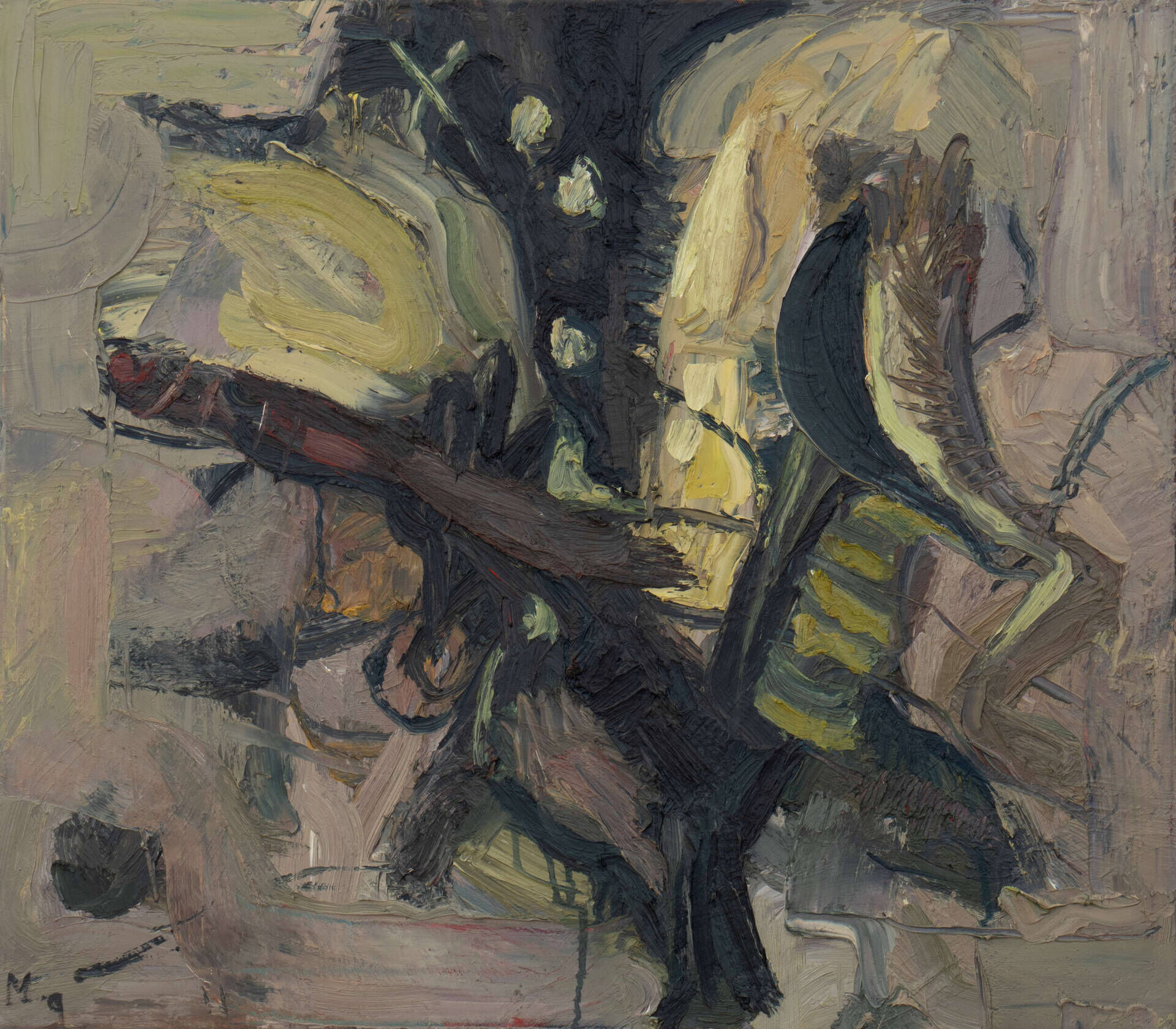
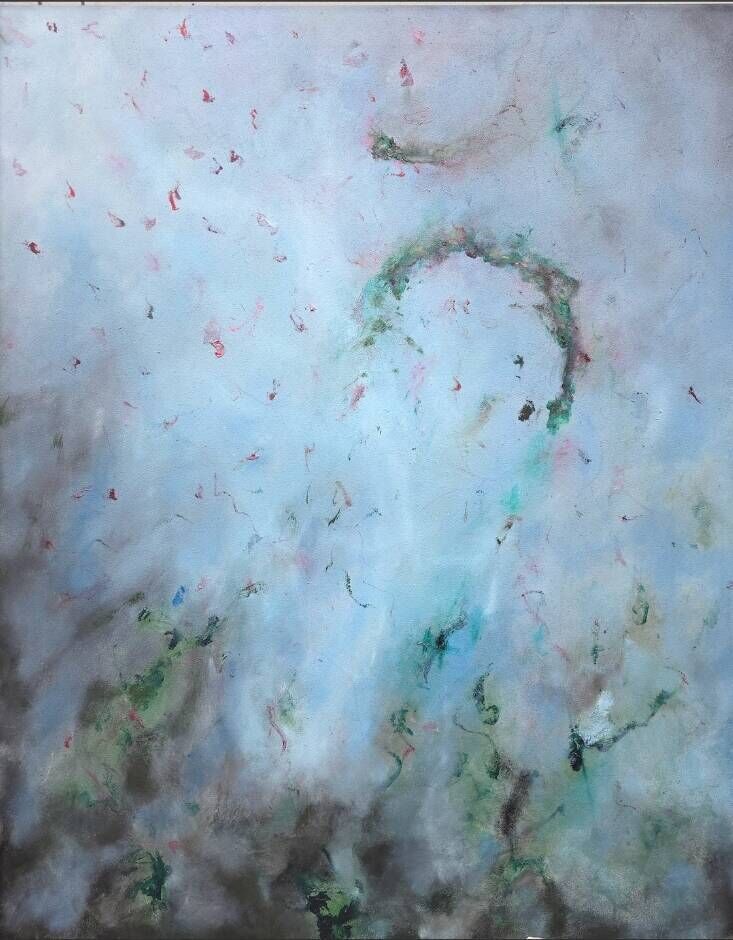

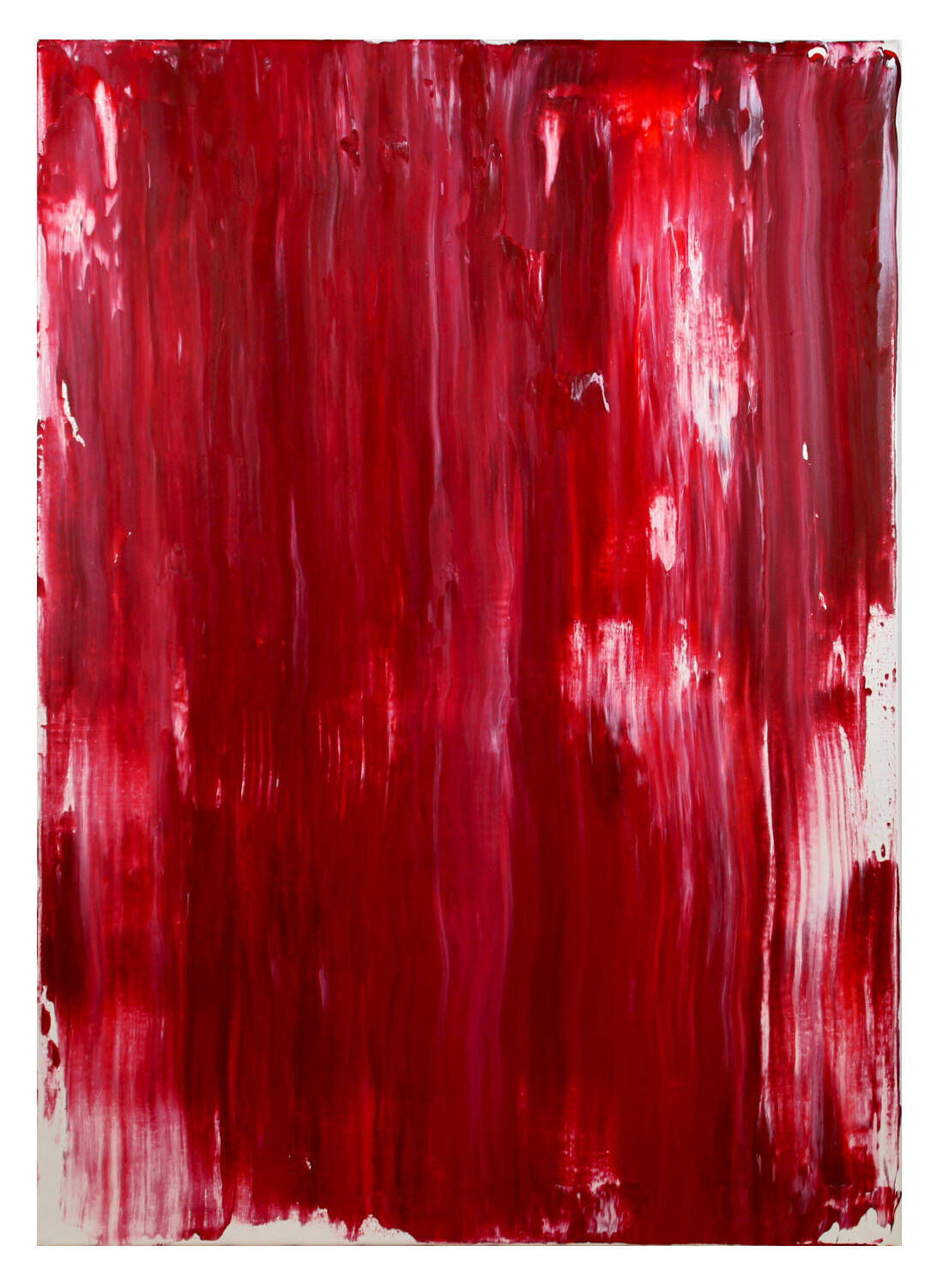
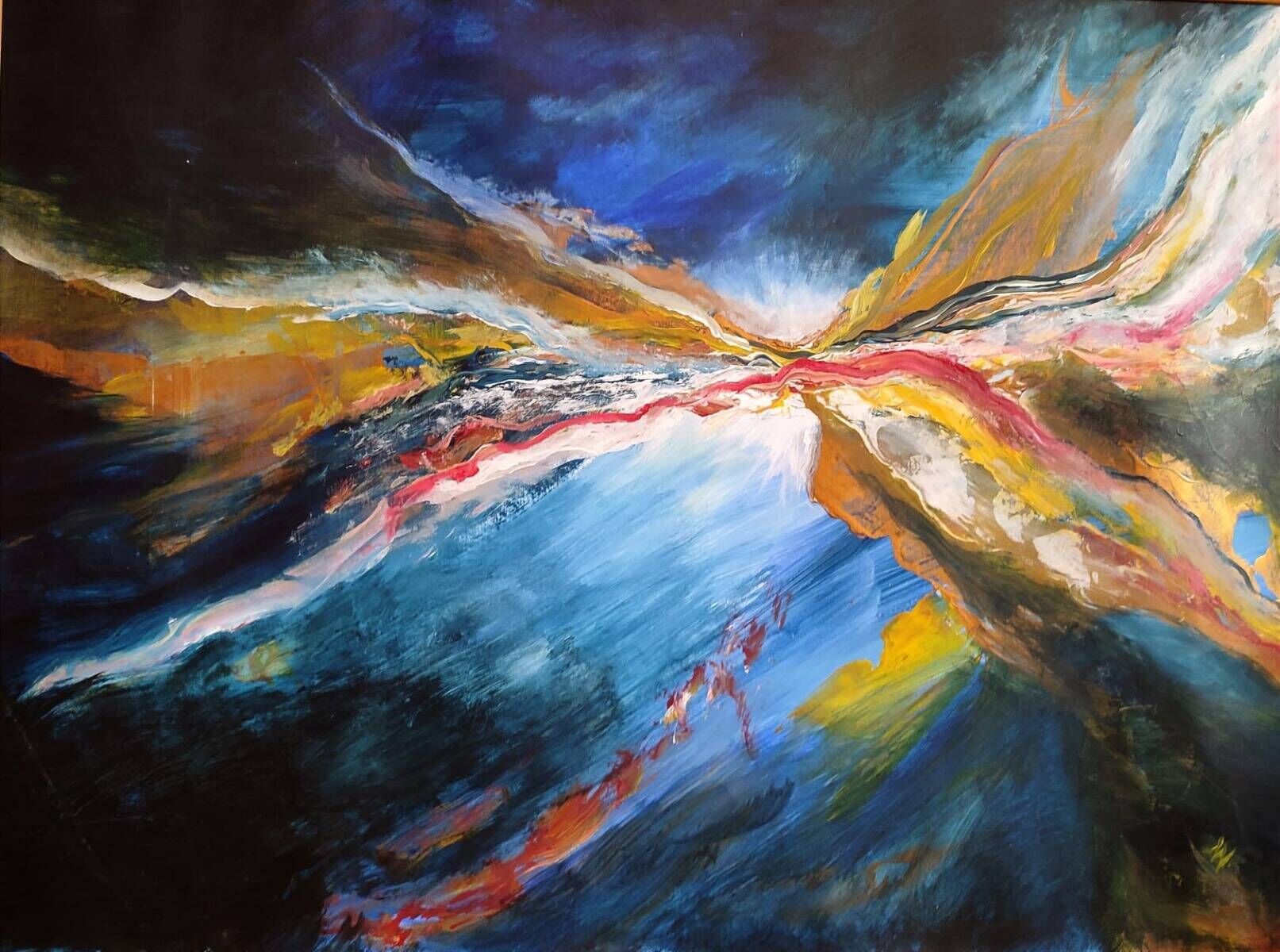
Modern acrylic paintings – how a paint changed art
The history of abstract painting did not begin overnight – it developed gradually. A shift was already evident in the work of Impressionists such as Monet and Renoir, and Expressionists such as van Gogh and Cézanne: contours dissolved, colours were distorted, and perspectives were broken. Picasso’s Cubism, too, bore the first signs of abstraction. But it was not until Wassily Kandinsky’s “Composition VII” of 1913 that painting ventured into entirely new territory – a painting that broke completely with representational art and consisted solely of colour, form and rhythm. Other experts, however, regard Hilma af Klint as the true pioneer. The fact is: abstract painting opened a door that, to this day, offers artists and viewers alike an infinite number of possible interpretations.
Abstraction was here – and it was seeking new means of expression. Acrylic paintings came at just the right time. As early as the 1930s, researchers had developed paints based on polymeric resins which, unlike oil paint, dried more quickly, were easier to work with and could be used in a wider variety of ways. This opened up new technical possibilities for artists wishing to experiment with forms, layers and materials. The Mexican artist David Alfaro Siqueiros was among the first to use the new medium in his abstract, socially critical art – to great effect. Acrylic paint was more than just a substitute – it became a tool in its own right, with its own artistic language of acrylic painting.
With acrylic paint, the diversity of abstract forms of expression literally exploded. Whether it was Jackson Pollock’s energetic ‘Action Painting’, the clear symbolic power of Roy Lichtenstein’s ‘Pop Art’ or the cool precision of David Hockney’s roller technique – acrylic painting made all of this possible in the first place. Artists such as Helen Frankenthaler and Kenneth Noland, in turn, pioneered a completely different direction with ‘Colour Field Painting’ and ‘Hard-Edge’: large-scale, intensely coloured, meditative. Admittedly, some lamented the absence of the characteristic brushstroke – which was often regarded as a ‘personal signature’ in oil painting. Yet it was precisely this smooth, neutral surface that became an opportunity for many to convey emotion through surface and colour – entirely without representational distraction.
Icons in acrylic: The most famous acrylic paintings
Whether it’s Andy Warhol’s brightly coloured “Marilyn Diptych”, David Hockney’s coolly perfect “A Bigger Splash” or Roy Lichtenstein’s comic-style works such as “Whaam!”, they all have one thing in common: acrylic paint as their central means of expression. The vibrant pigments of acrylic paintings, their quick-drying properties and the ability to paint precise areas made acrylic paint particularly attractive to artists of the 1960s and 70s. Acrylic was indispensable, particularly in Pop Art – the colours appeared artificial, smooth and striking, and thus fitted perfectly with the aesthetic of a society caught up in a frenzy of consumerism. Warhol used acrylic paint like a commercial artist: quickly, reproducibly, yet at the same time emotionally charged through the iconisation of his motifs.
Alongside the Pop Art artists, representatives of abstract movements also experimented extensively with acrylic painting. Helen Frankenthaler developed her own technique, in which she poured heavily diluted acrylic paint onto unprimed canvases – a variation on so-called ‘Colour Field Painting’, which is also evident in Mark Rothko’s large-scale colour fields. These acrylic paintings were no longer about objects, but about mood, effect and depth. With its transparency and ease of use, acrylic paint helped to create emotional spaces. Barnett Newman and Kenneth Noland worked with similar intensity on pure colour experiences, often in clear geometric compositions with ‘hard edges’ – known as hard-edge painting.
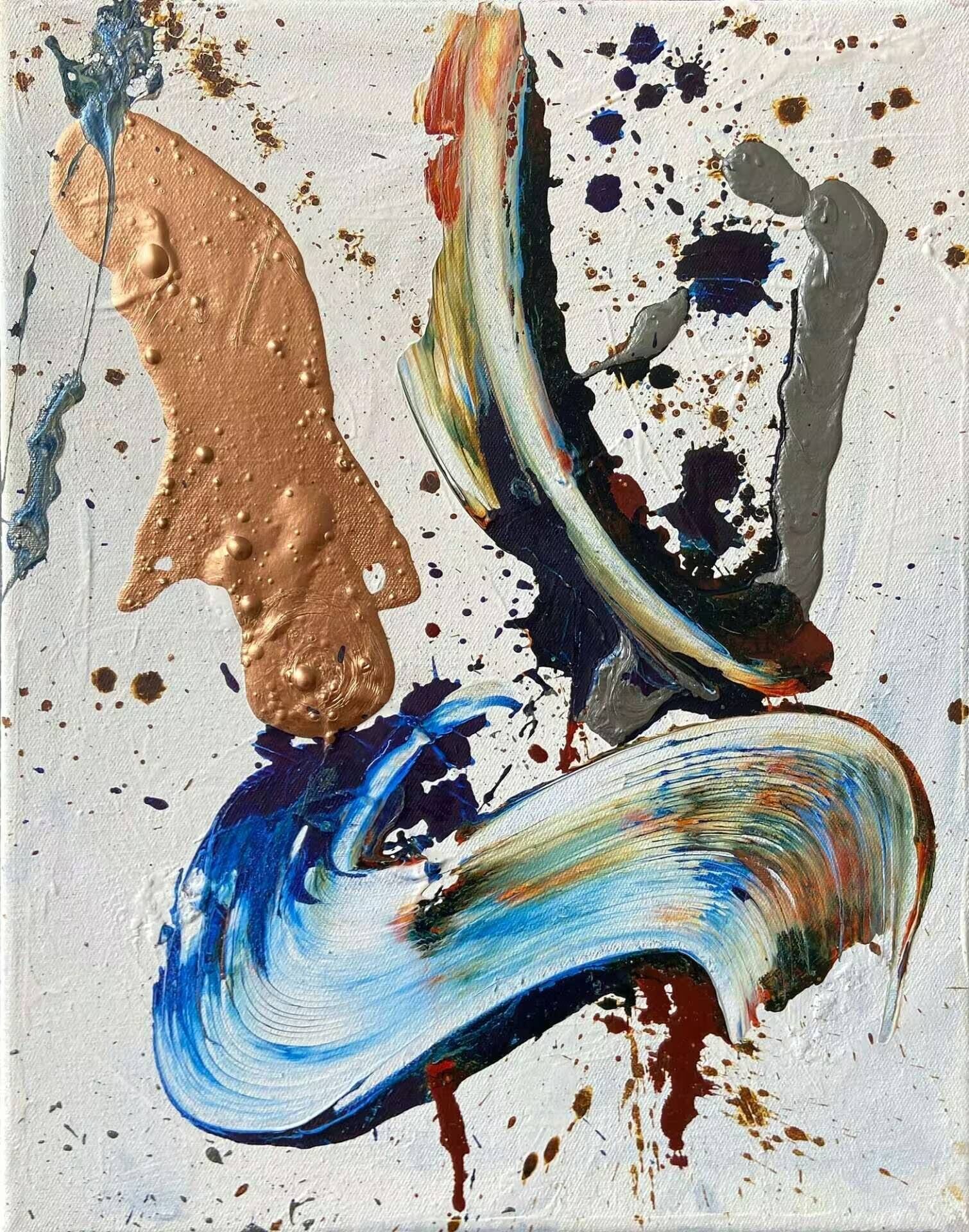
Artists such as Jackson Pollock and Gerhard Richter proved that acrylics are not merely suited to order and flat surfaces. Whilst Pollock dripped paint, hurling abstract energies onto the canvas – a technique that worked exceptionally well with acrylics – Richter smudged entire layers of paint with squeegees and palette knives in works such as ‘Abstract Painting (1986)’. Acrylic paintings served here as a means for spontaneous decisions, rapid changes and controlled coincidences. Jean-Michel Basquiat also used acrylic paint in his raw, graphic works of the 1980s, in which he combined painting with text, symbolism and graffiti elements. This makes it clear: acrylic is not just a technique – it is attitude, speed and freedom all rolled into one.
Acrylic paintings by students – Art Market
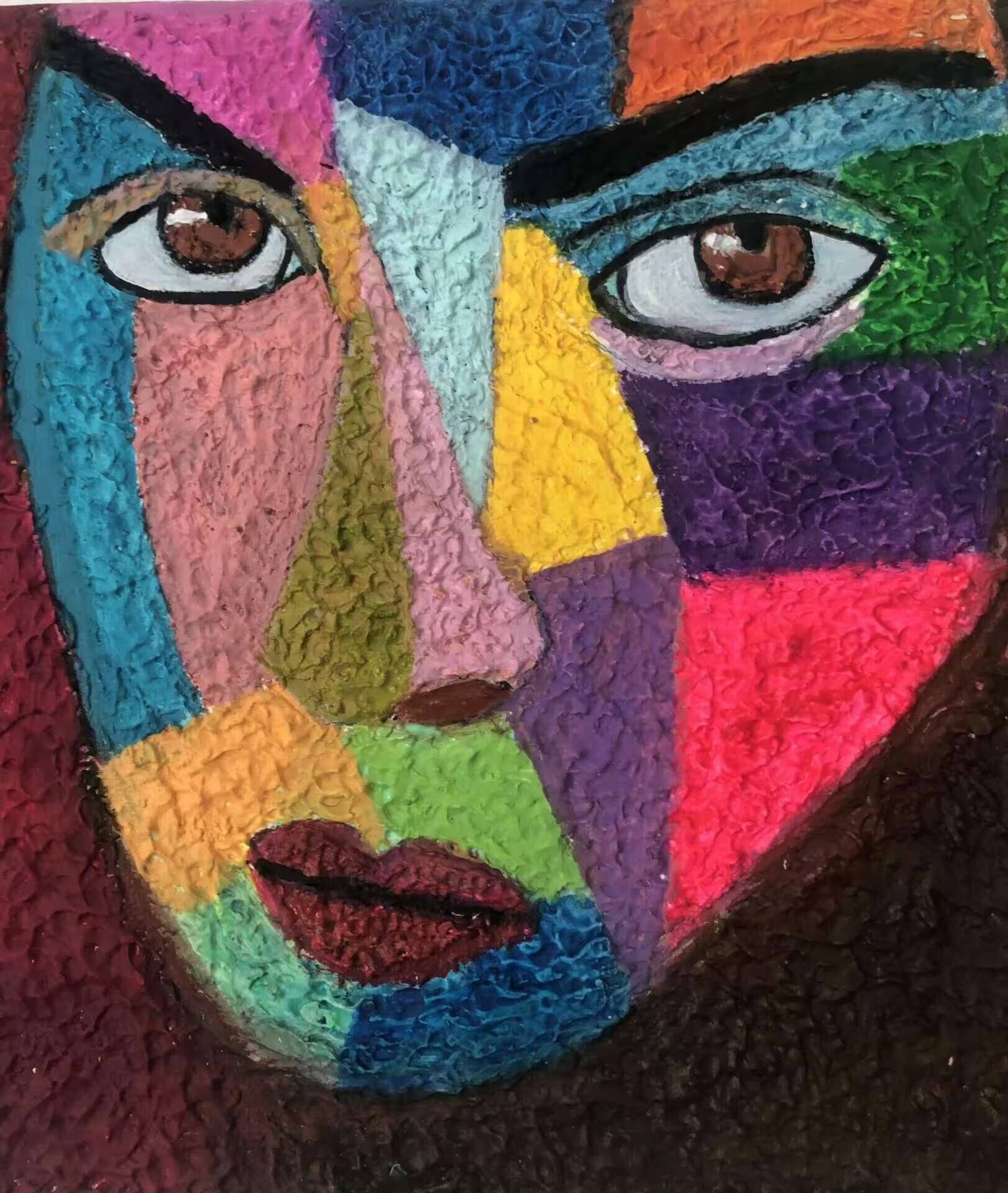
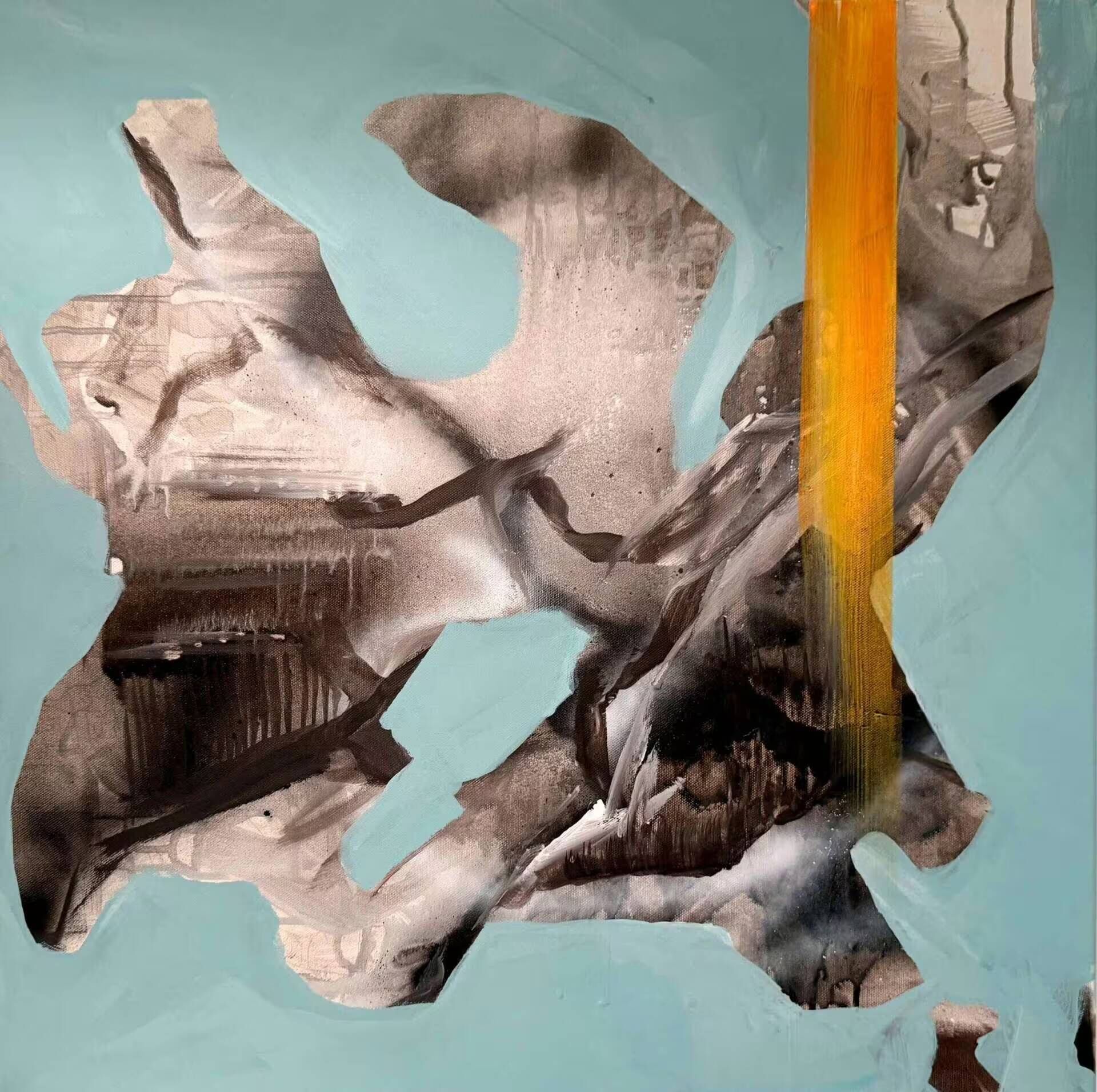
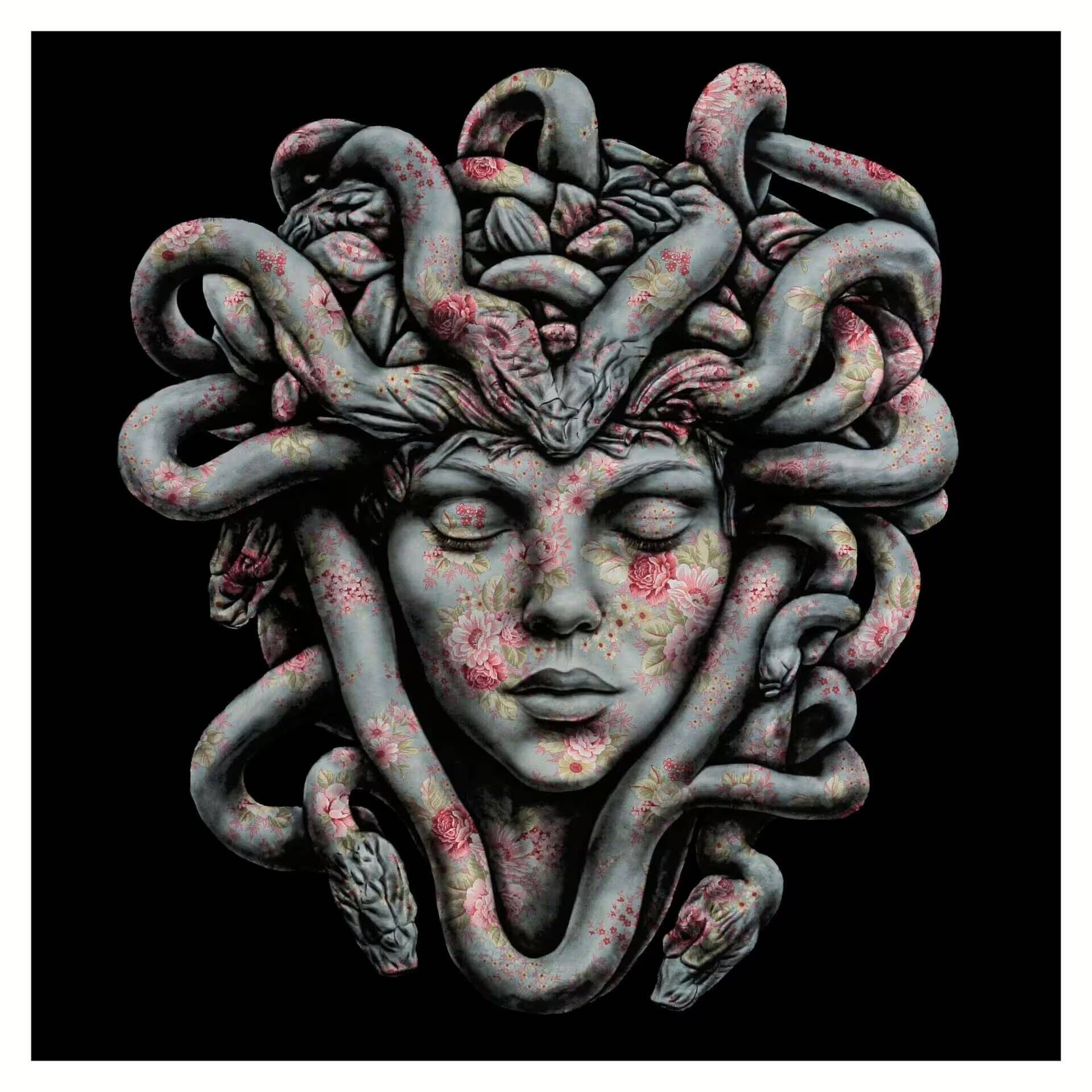
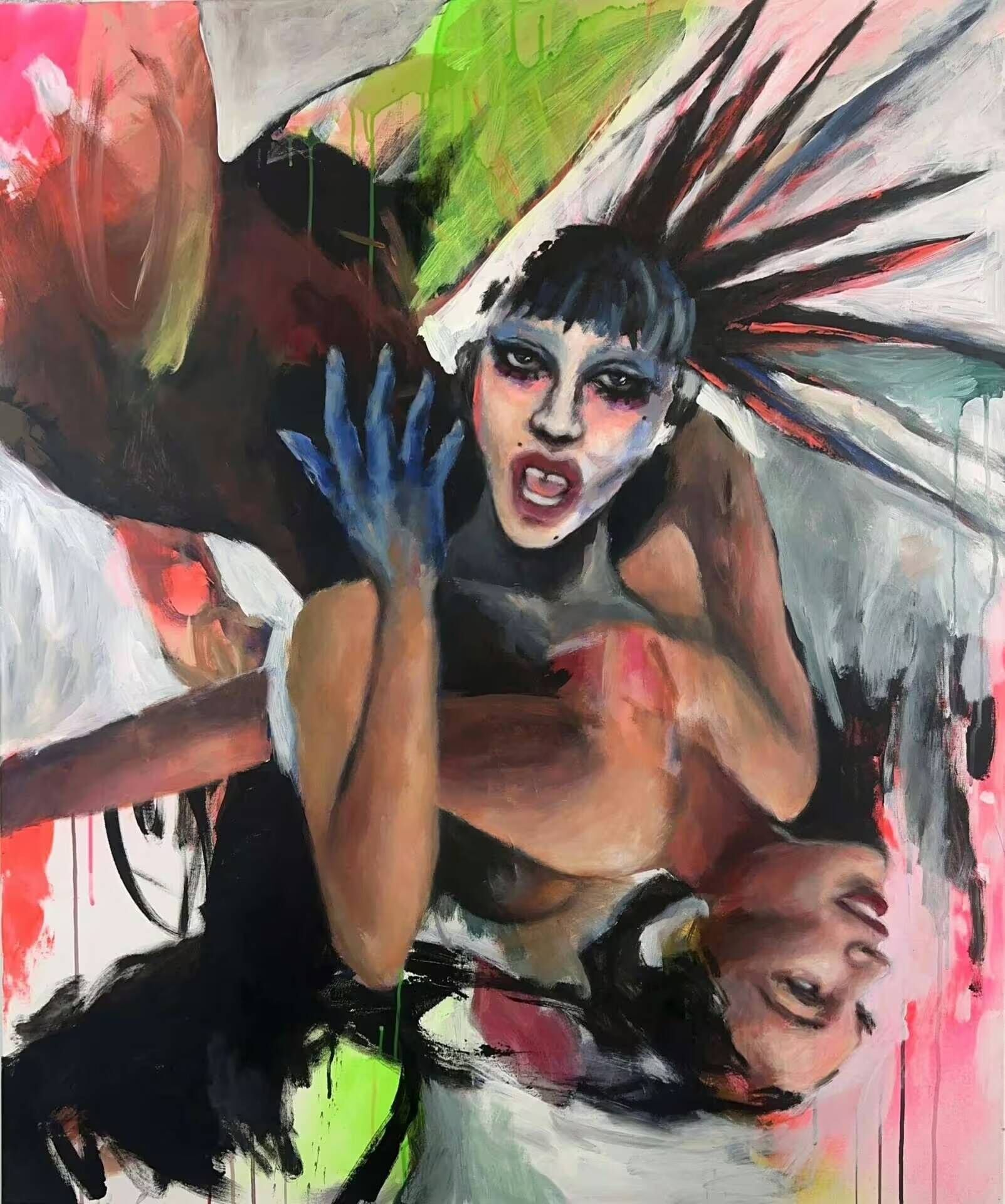
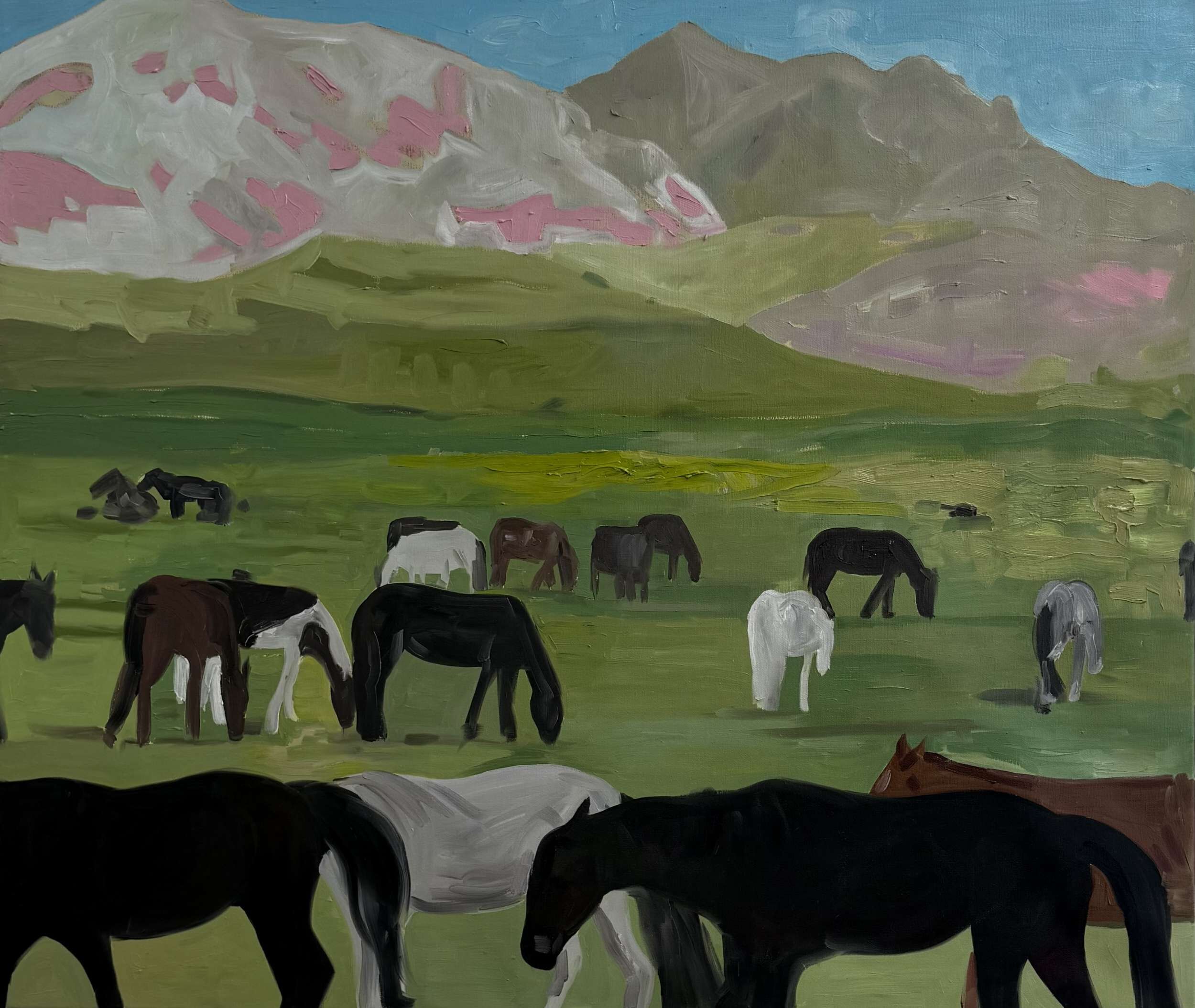
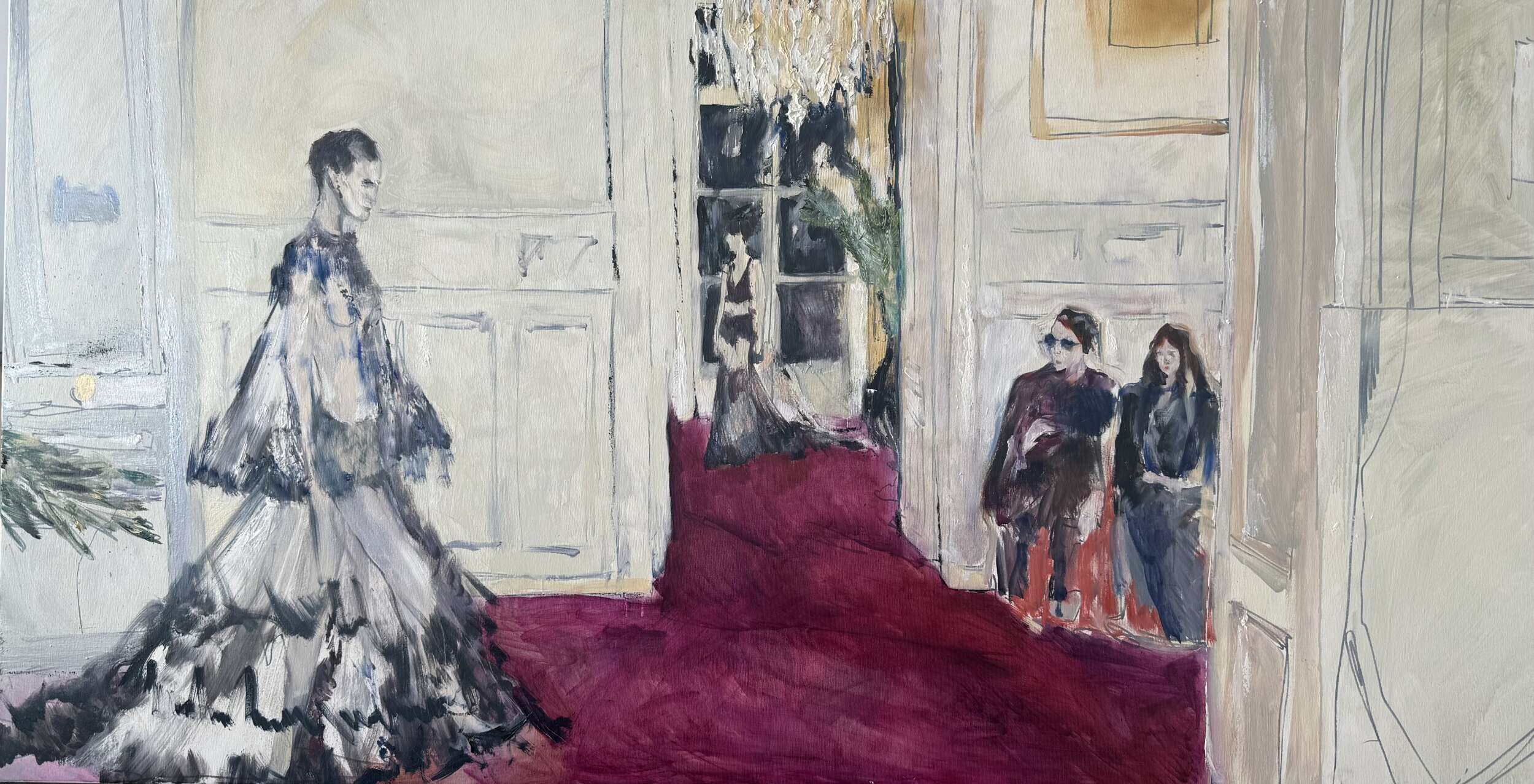
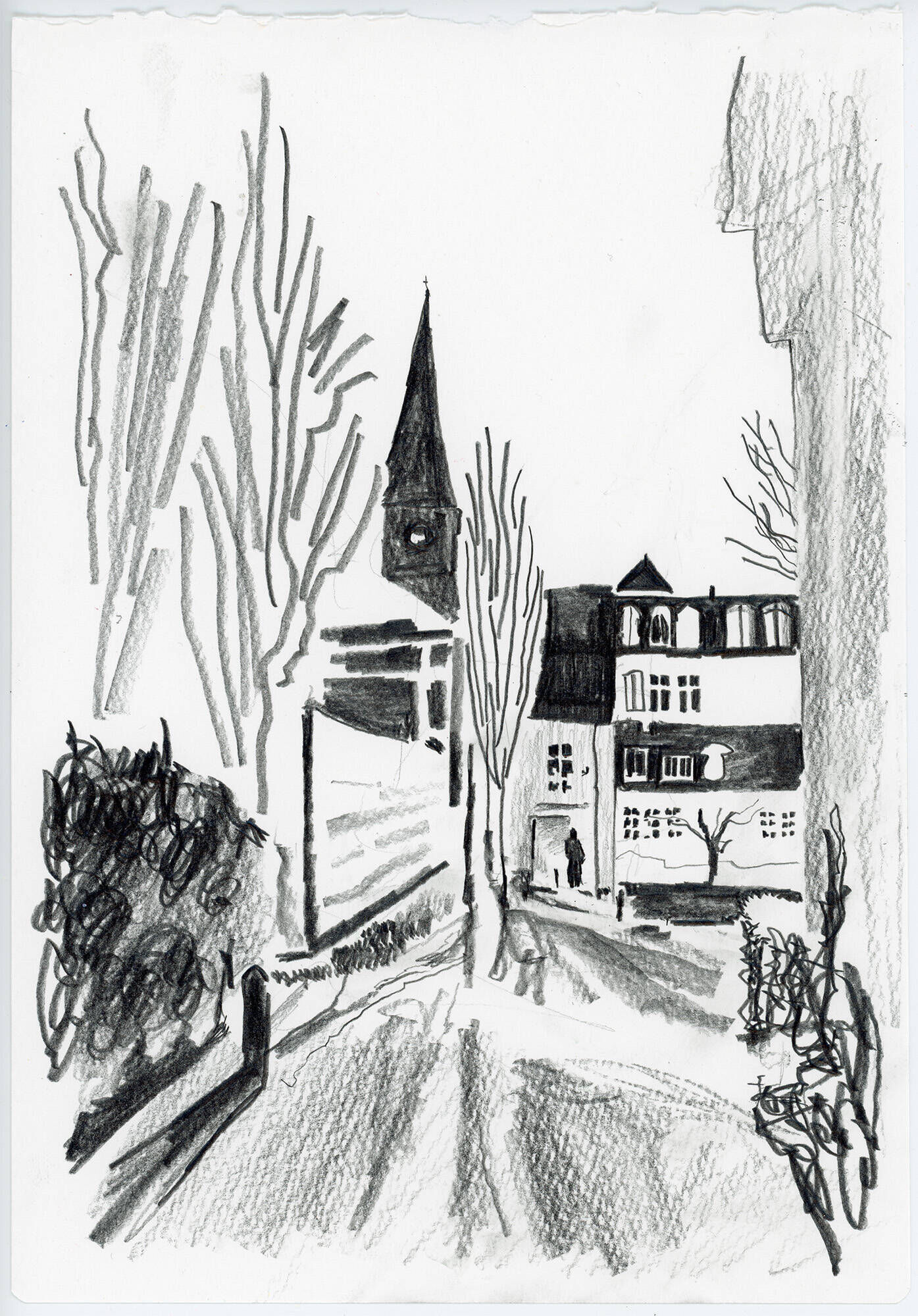
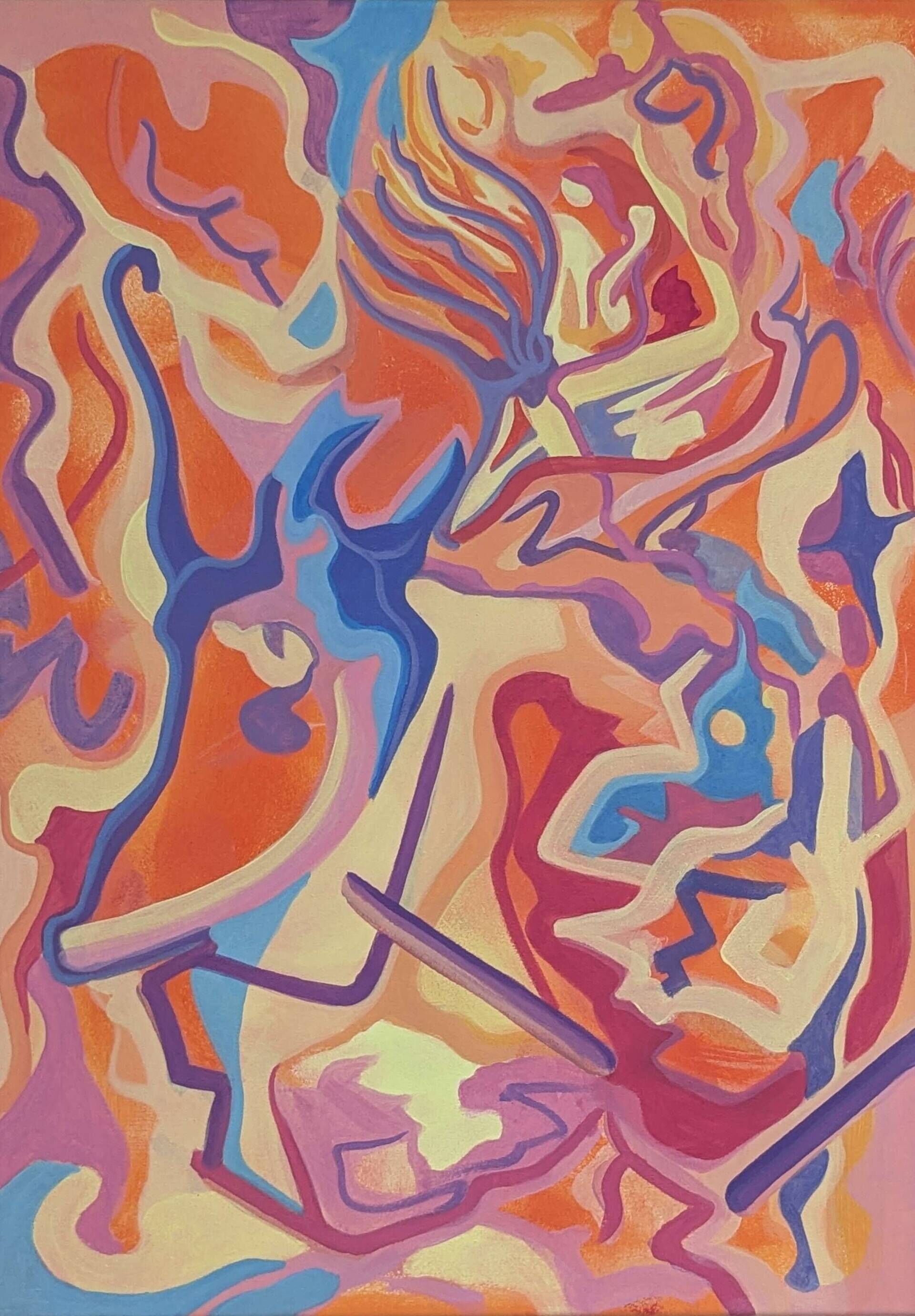
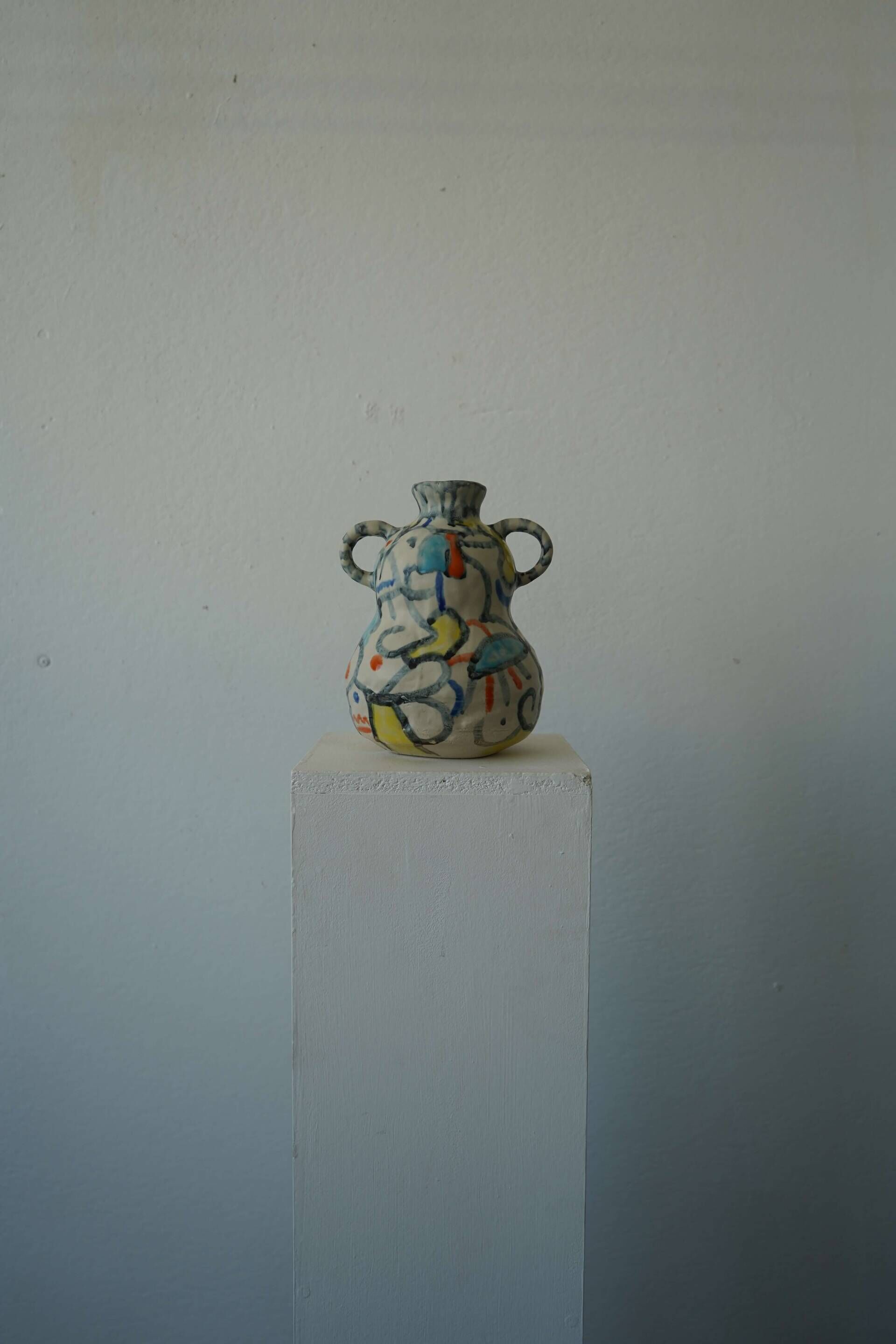
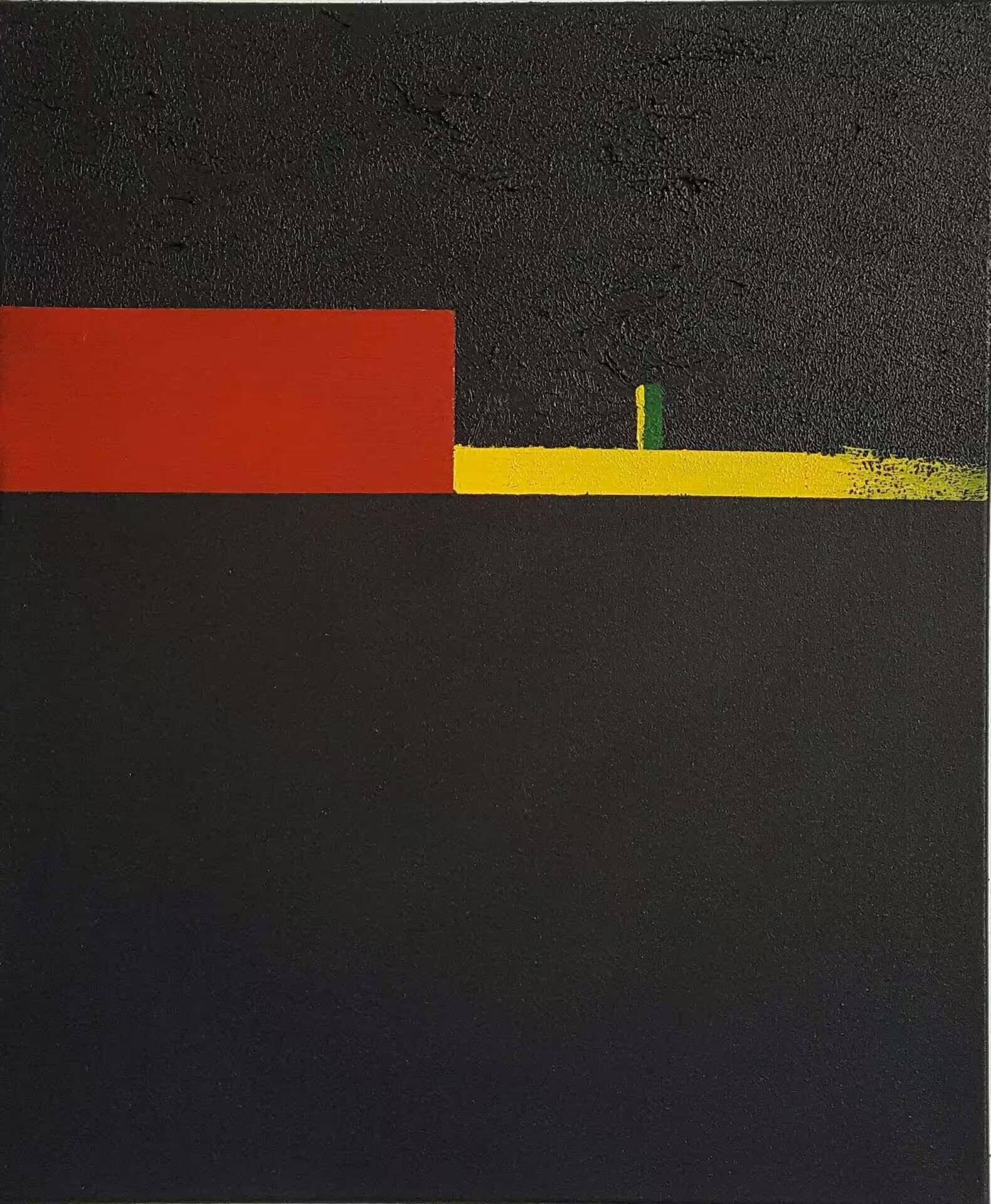
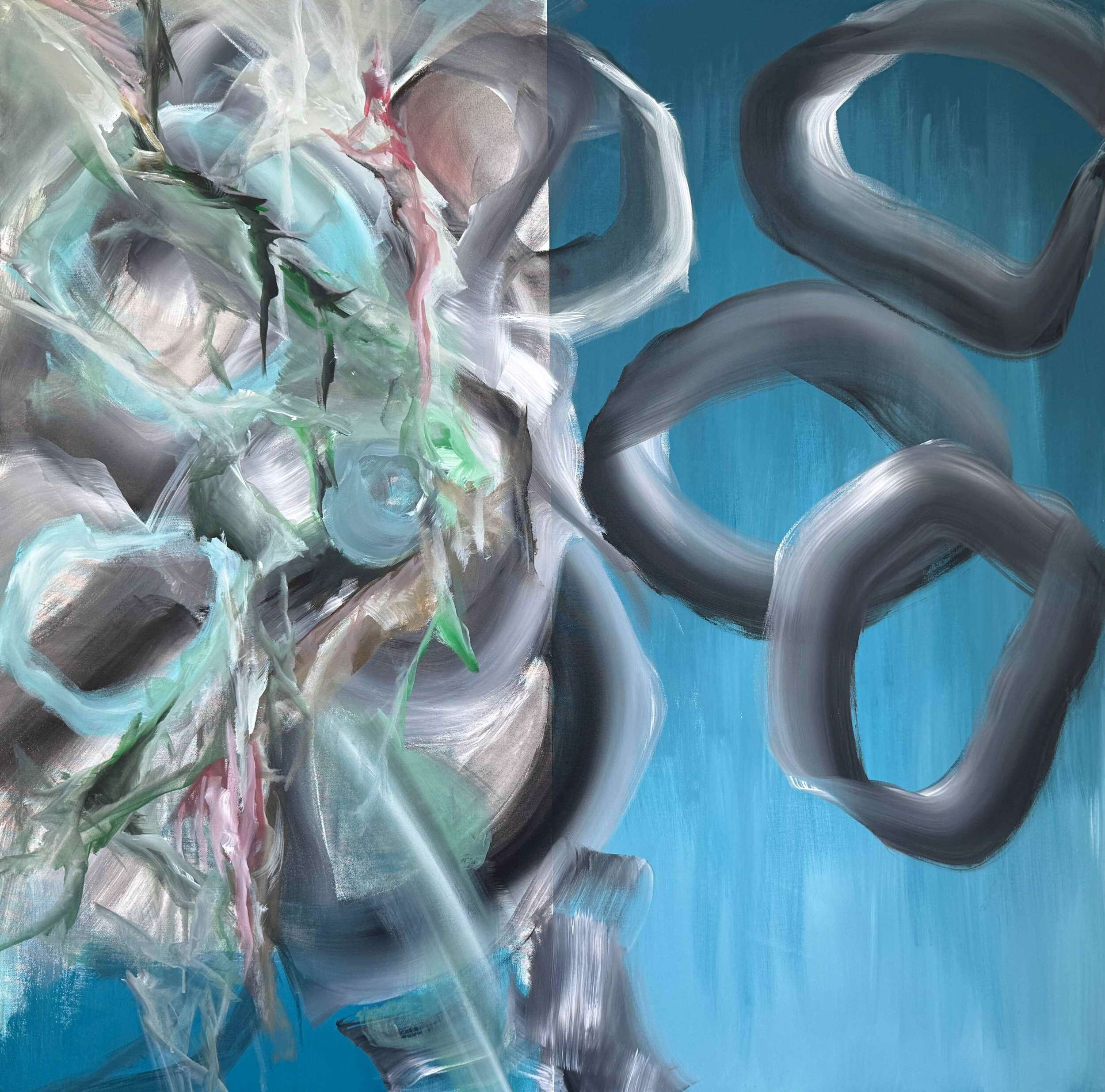
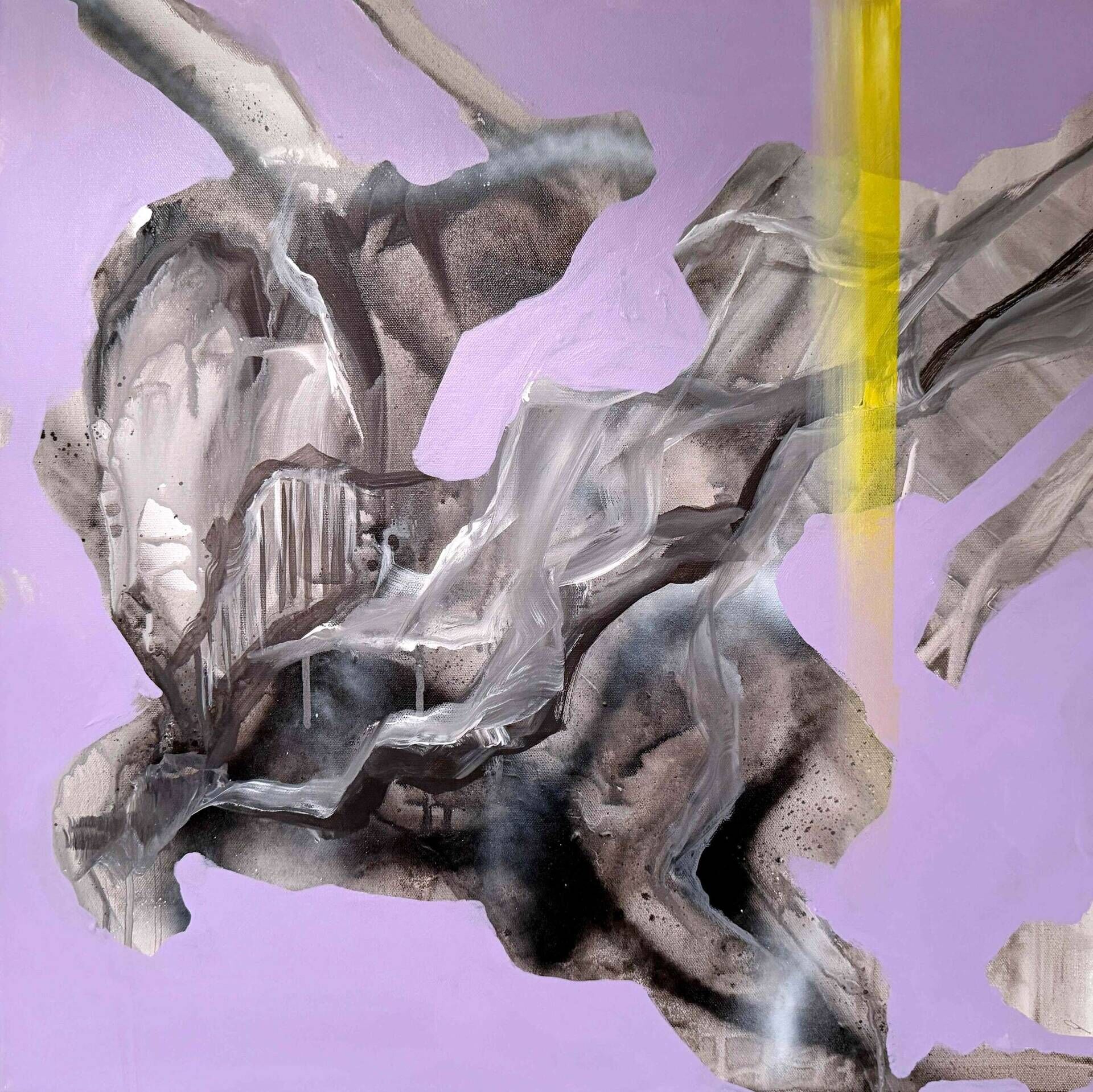
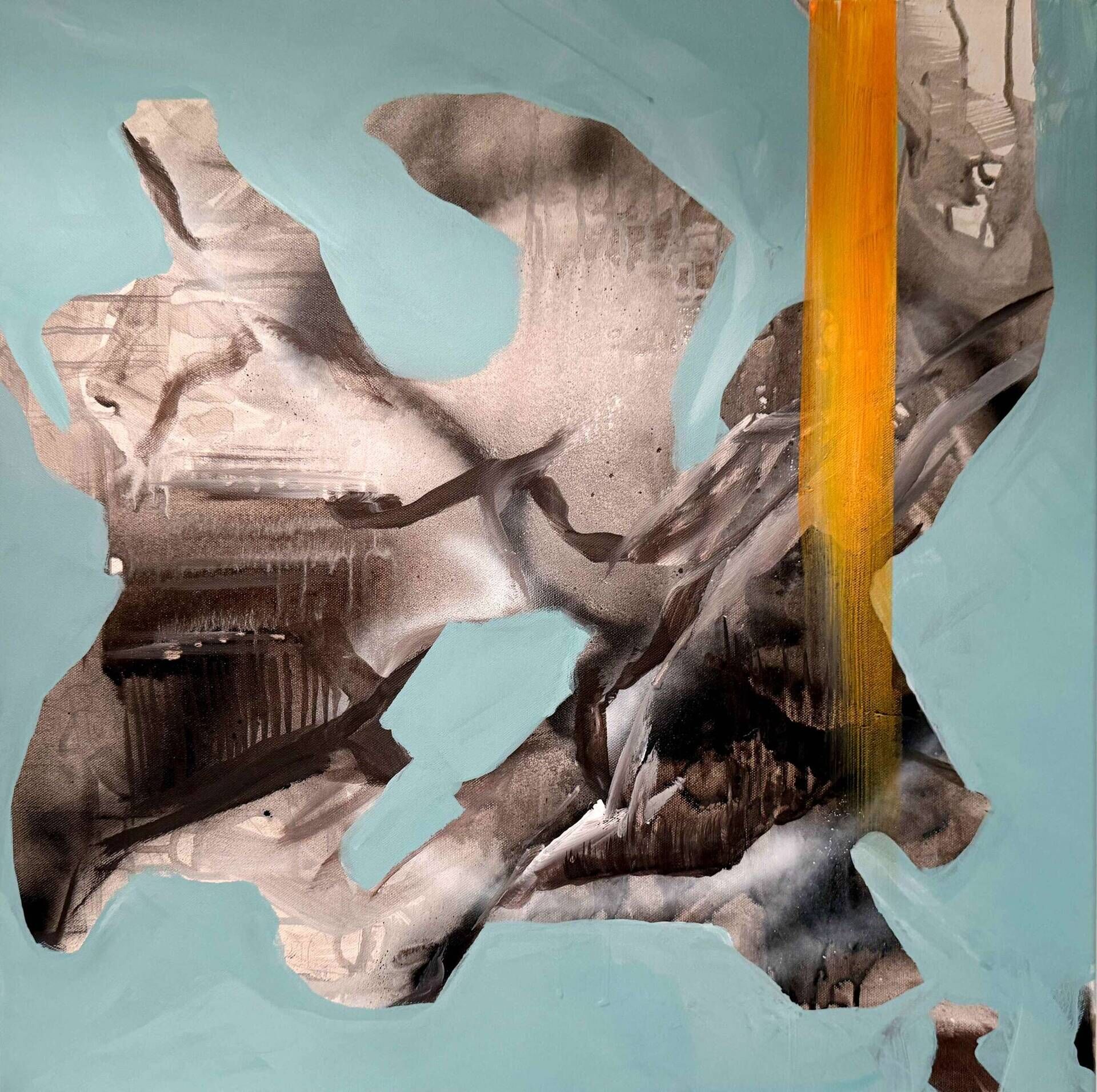
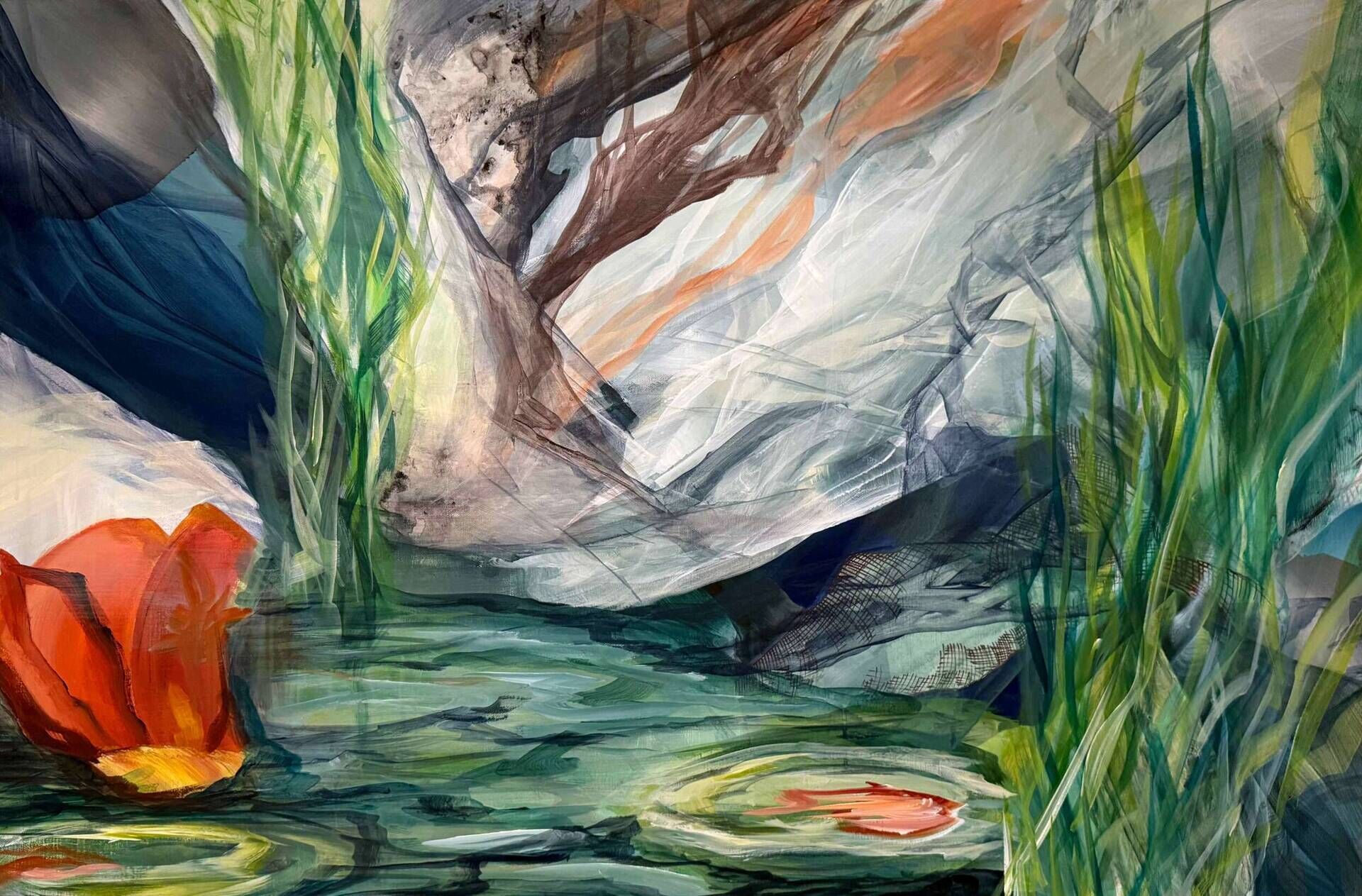
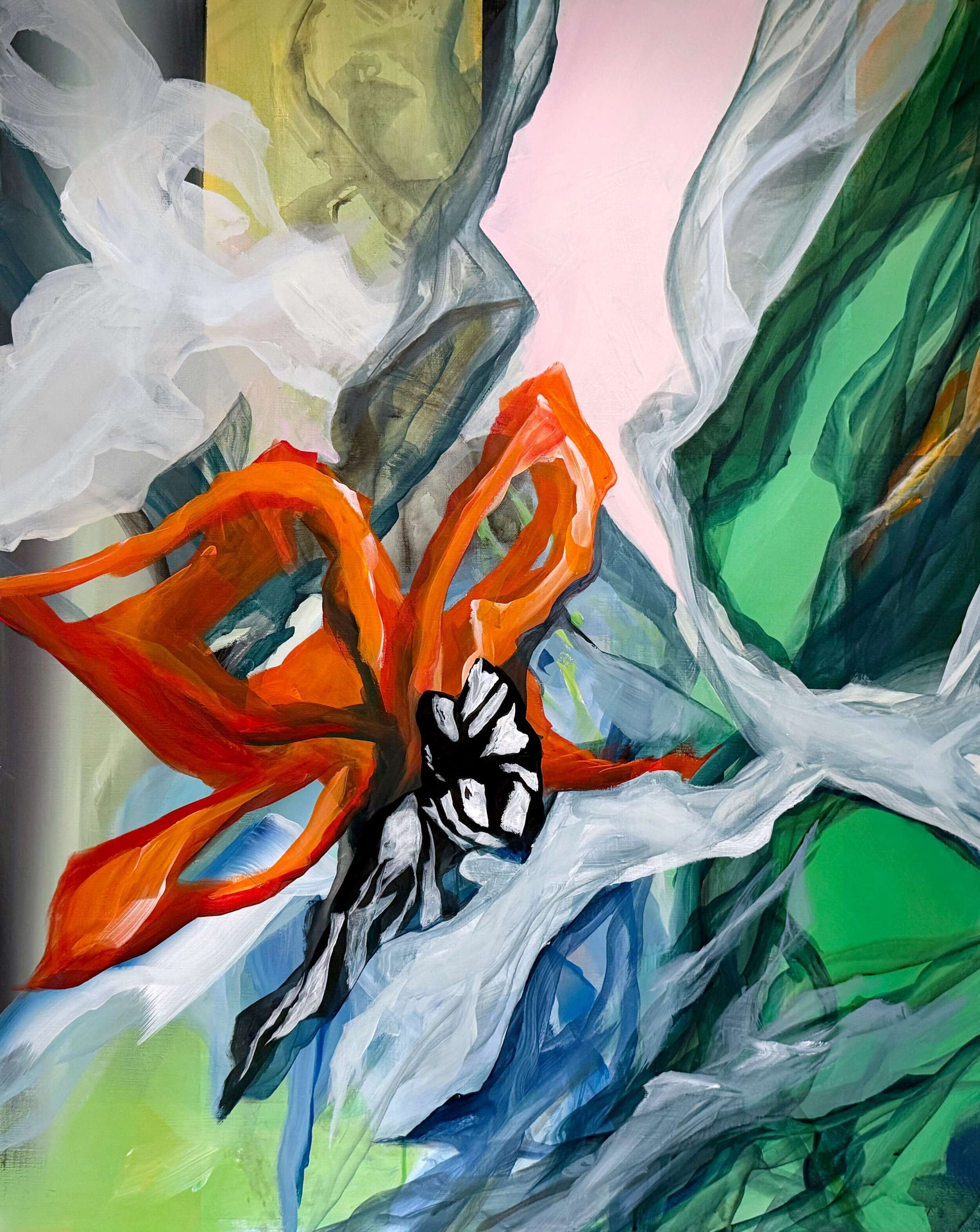
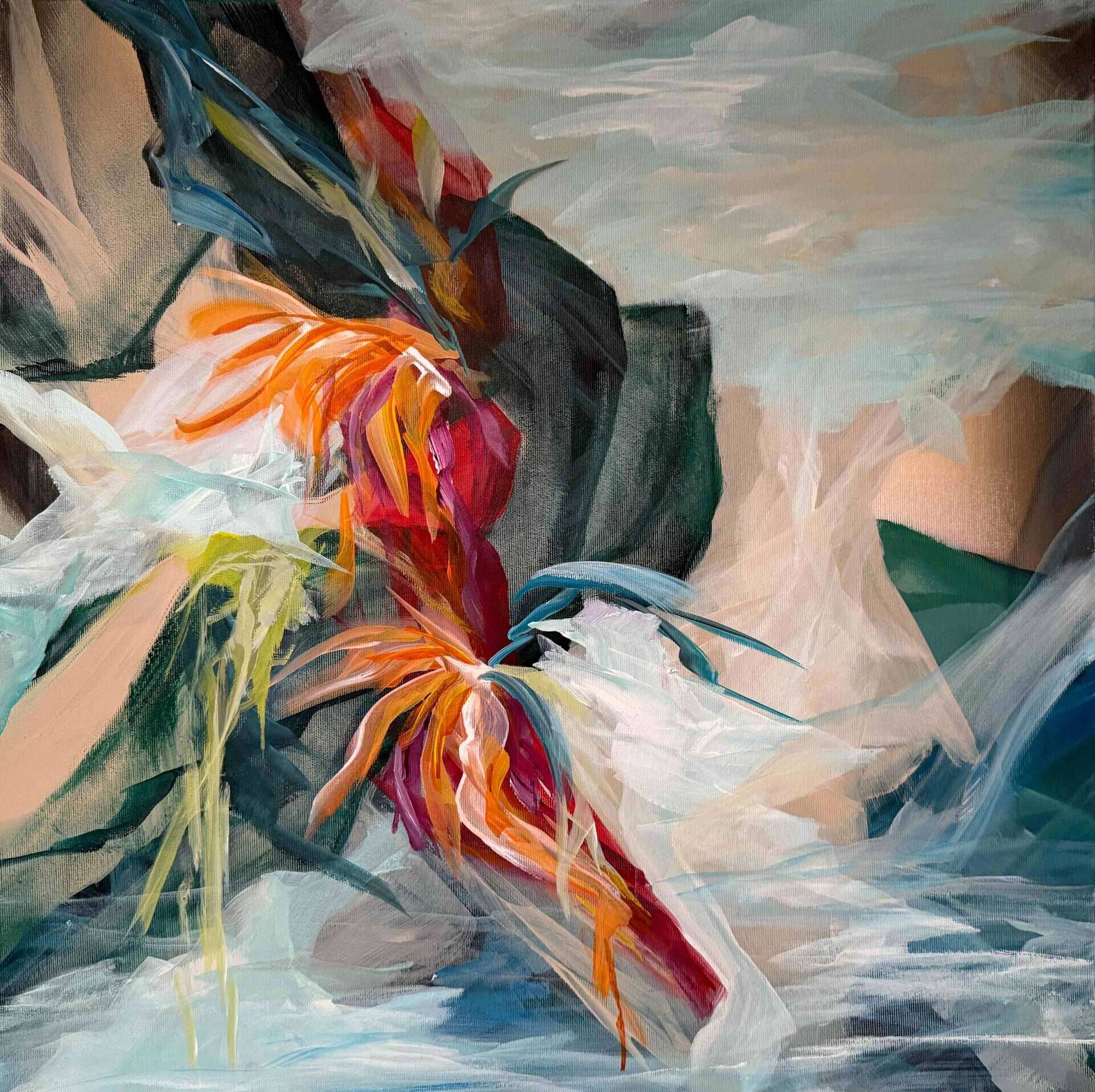
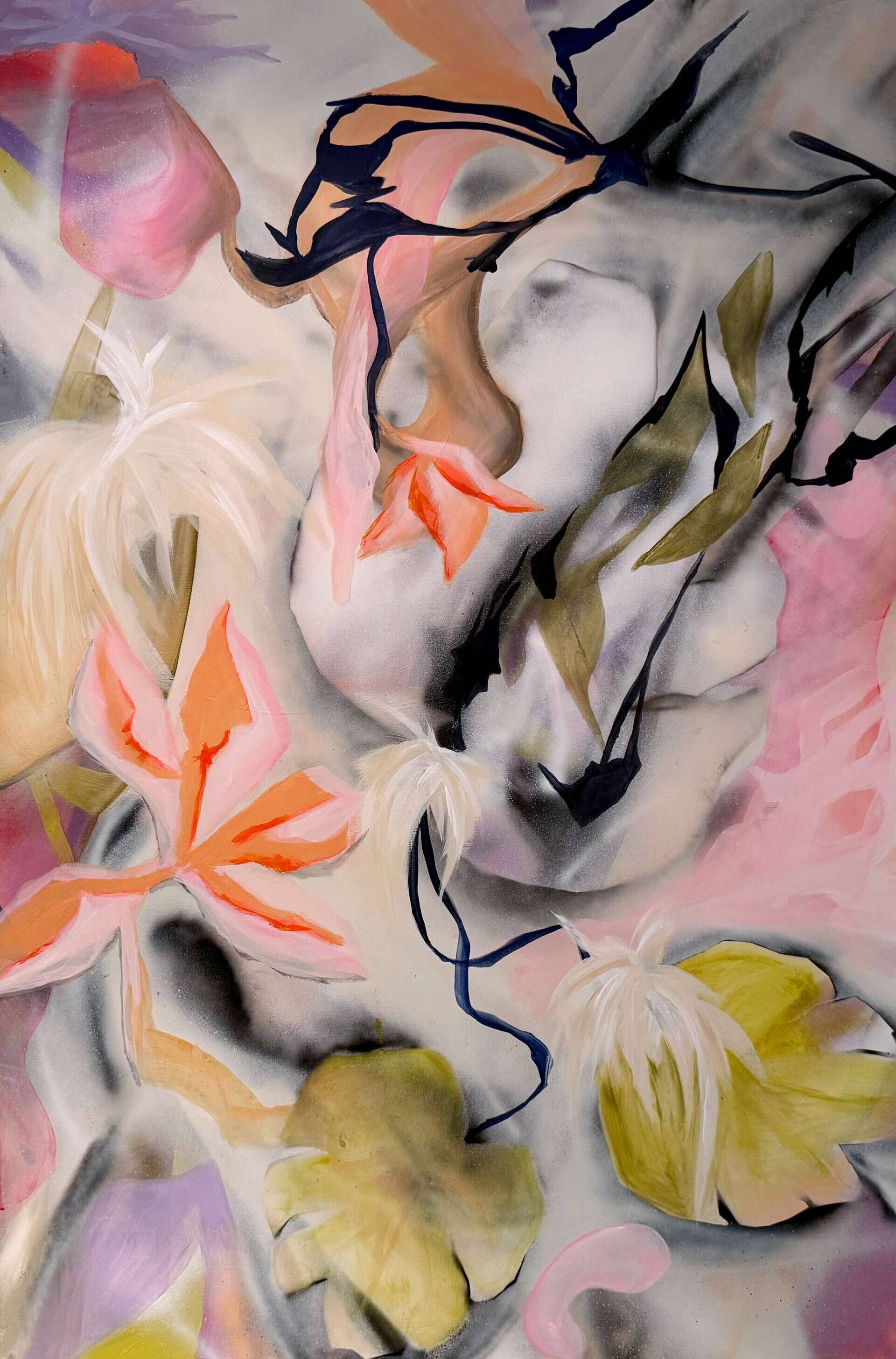
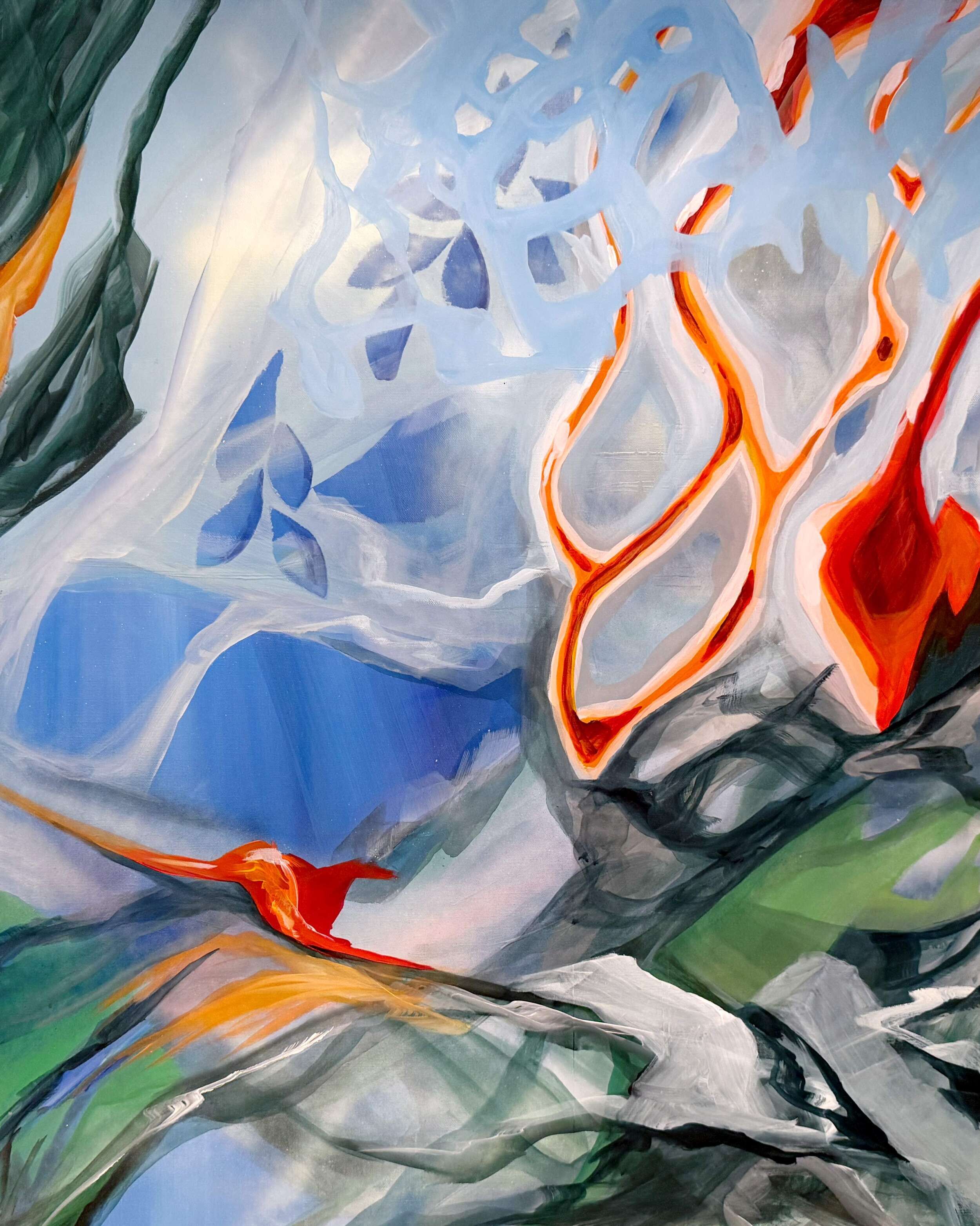
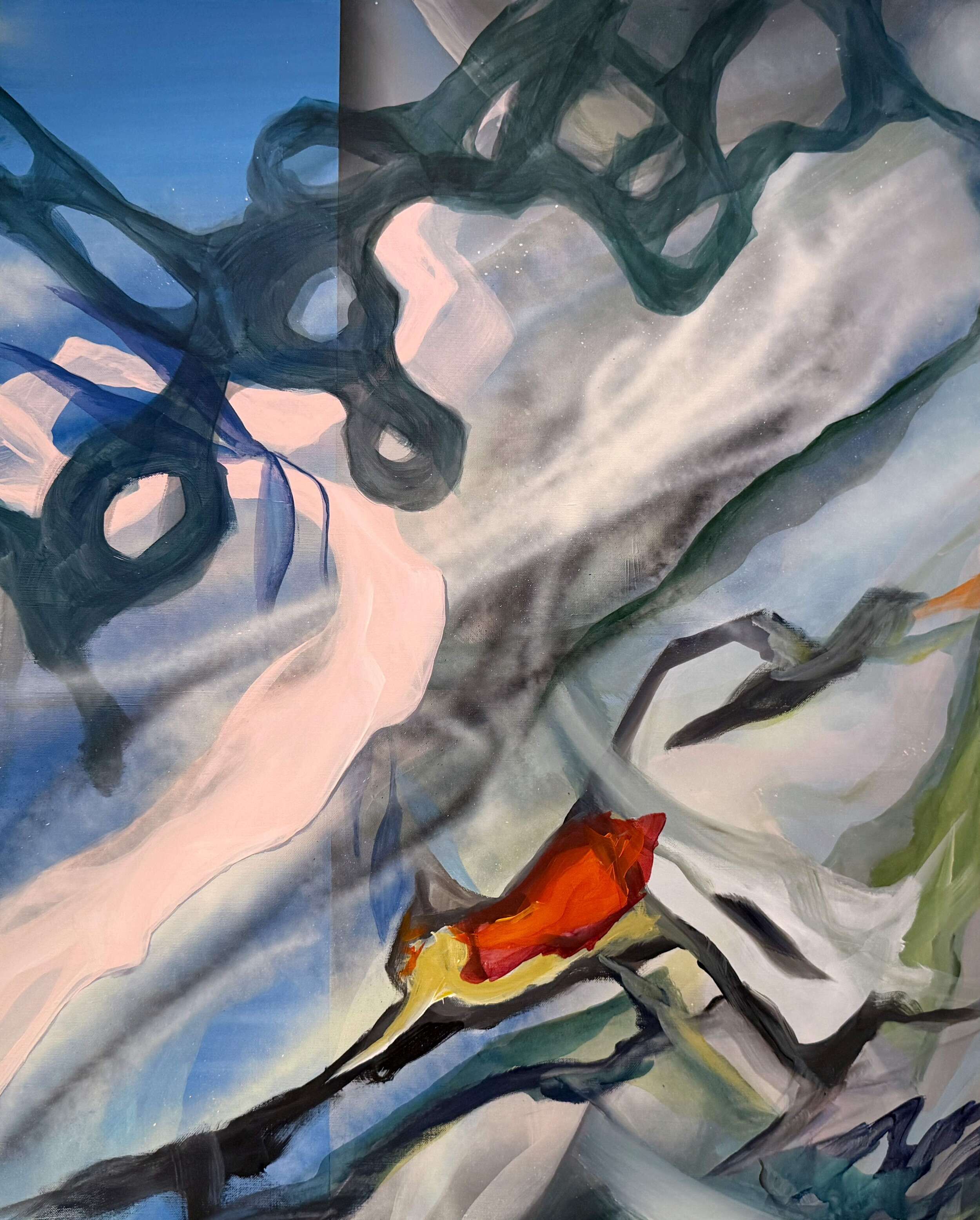
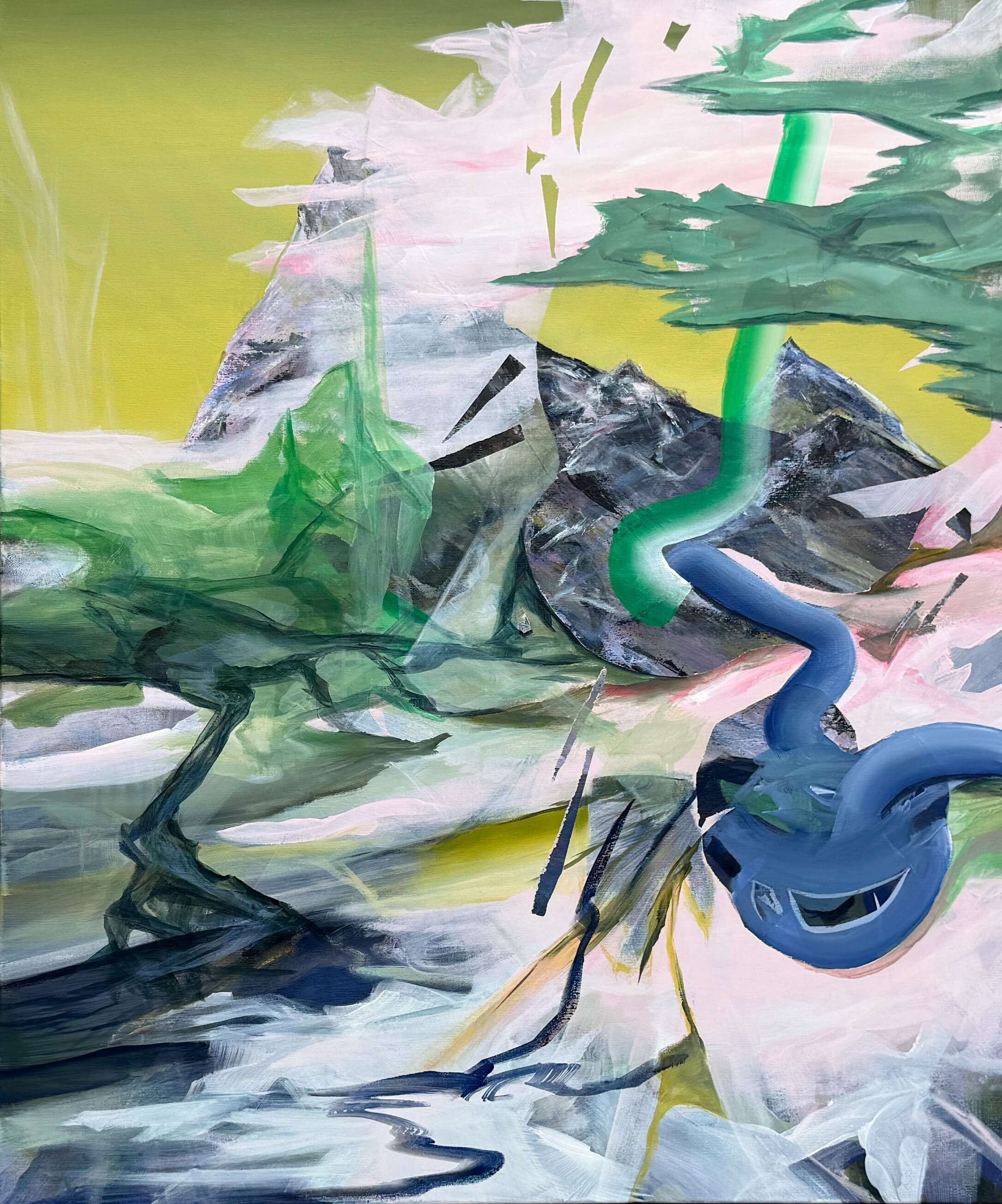
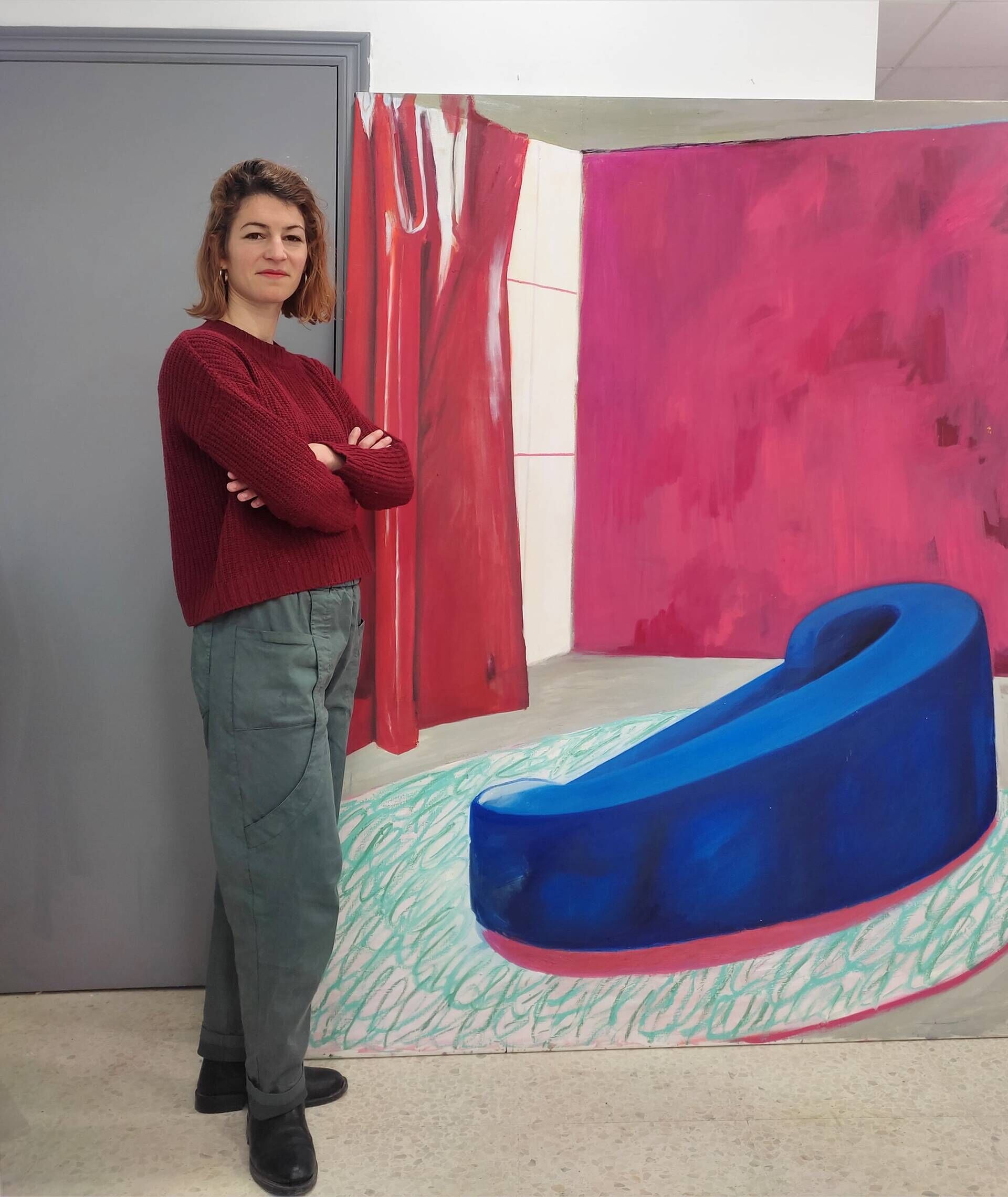
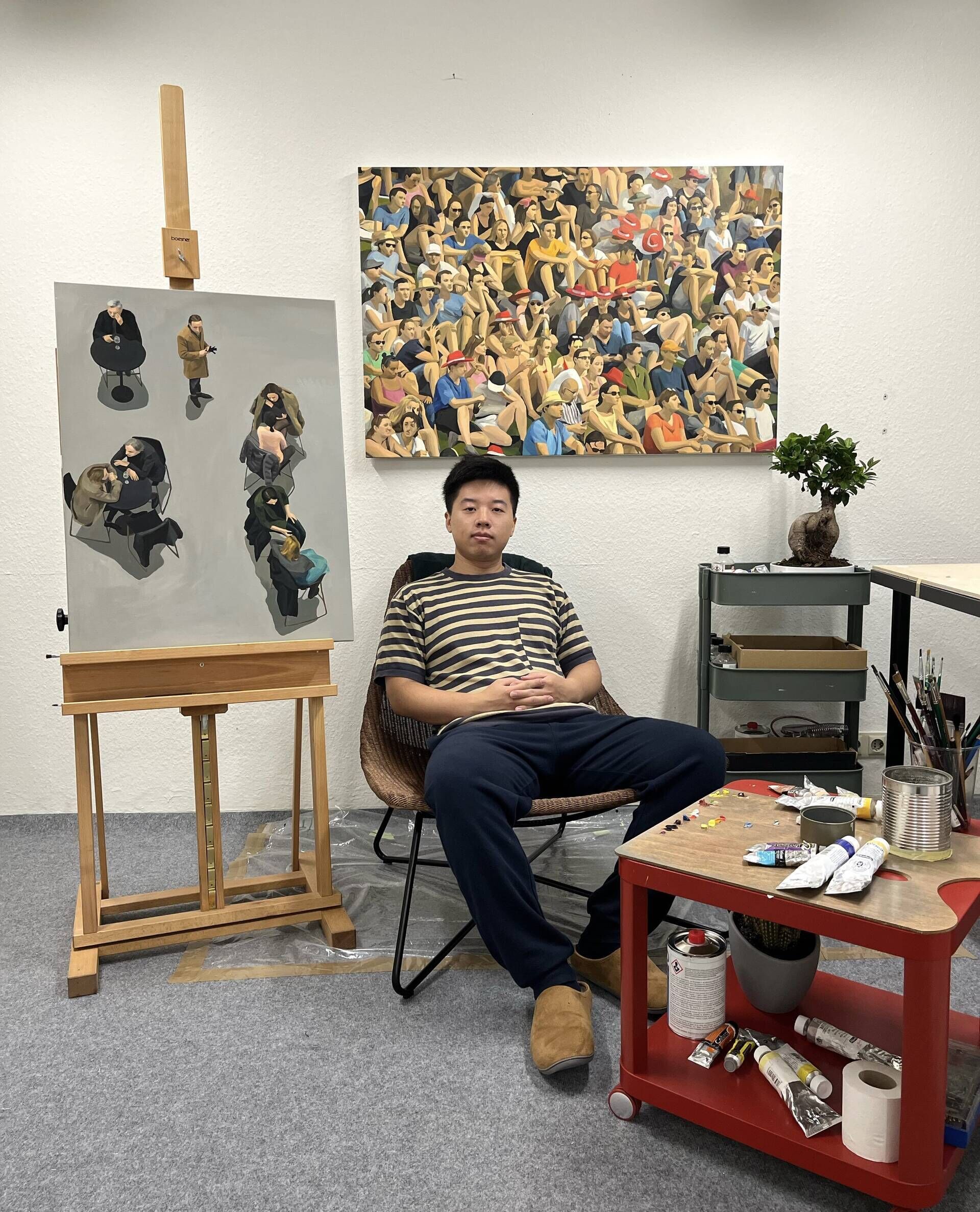
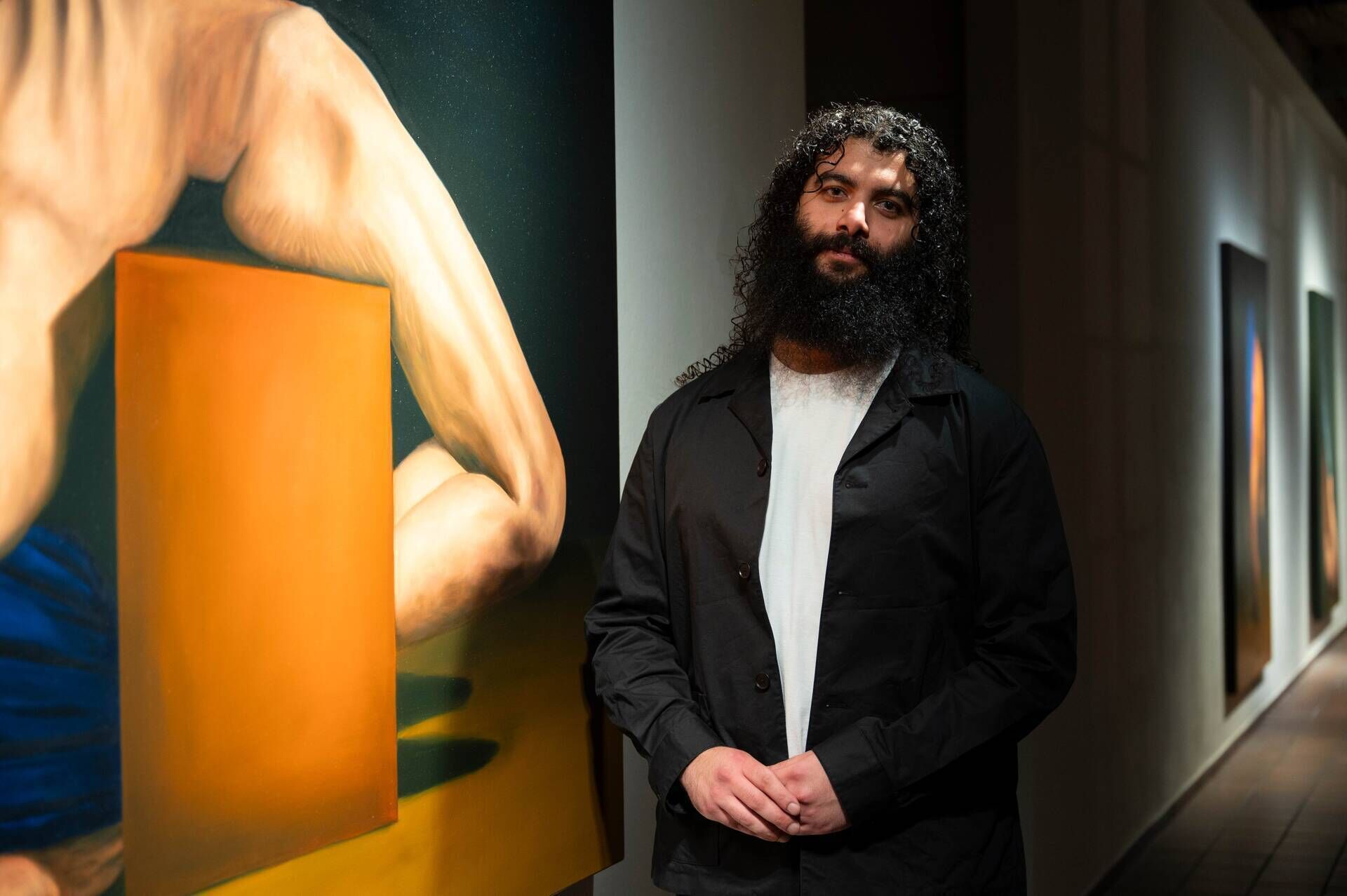
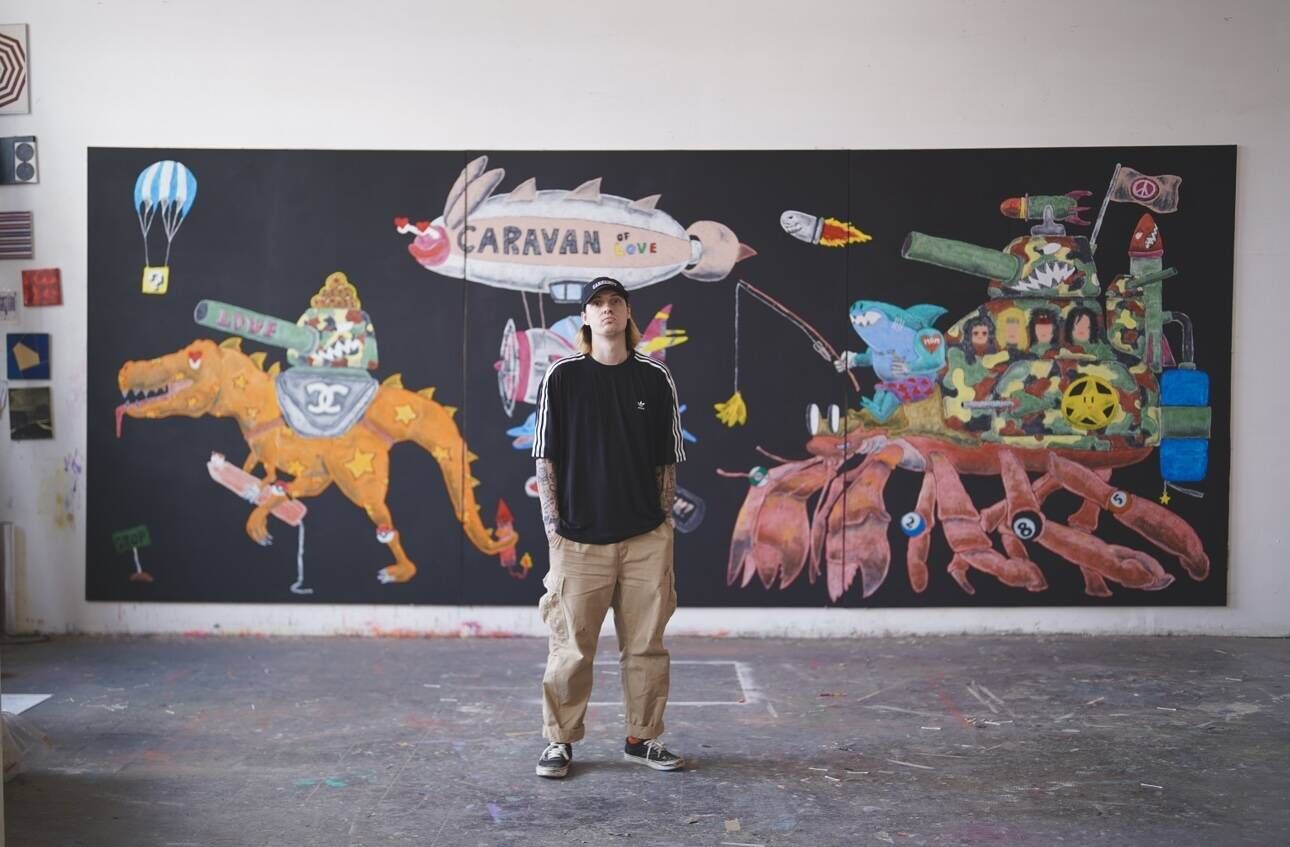
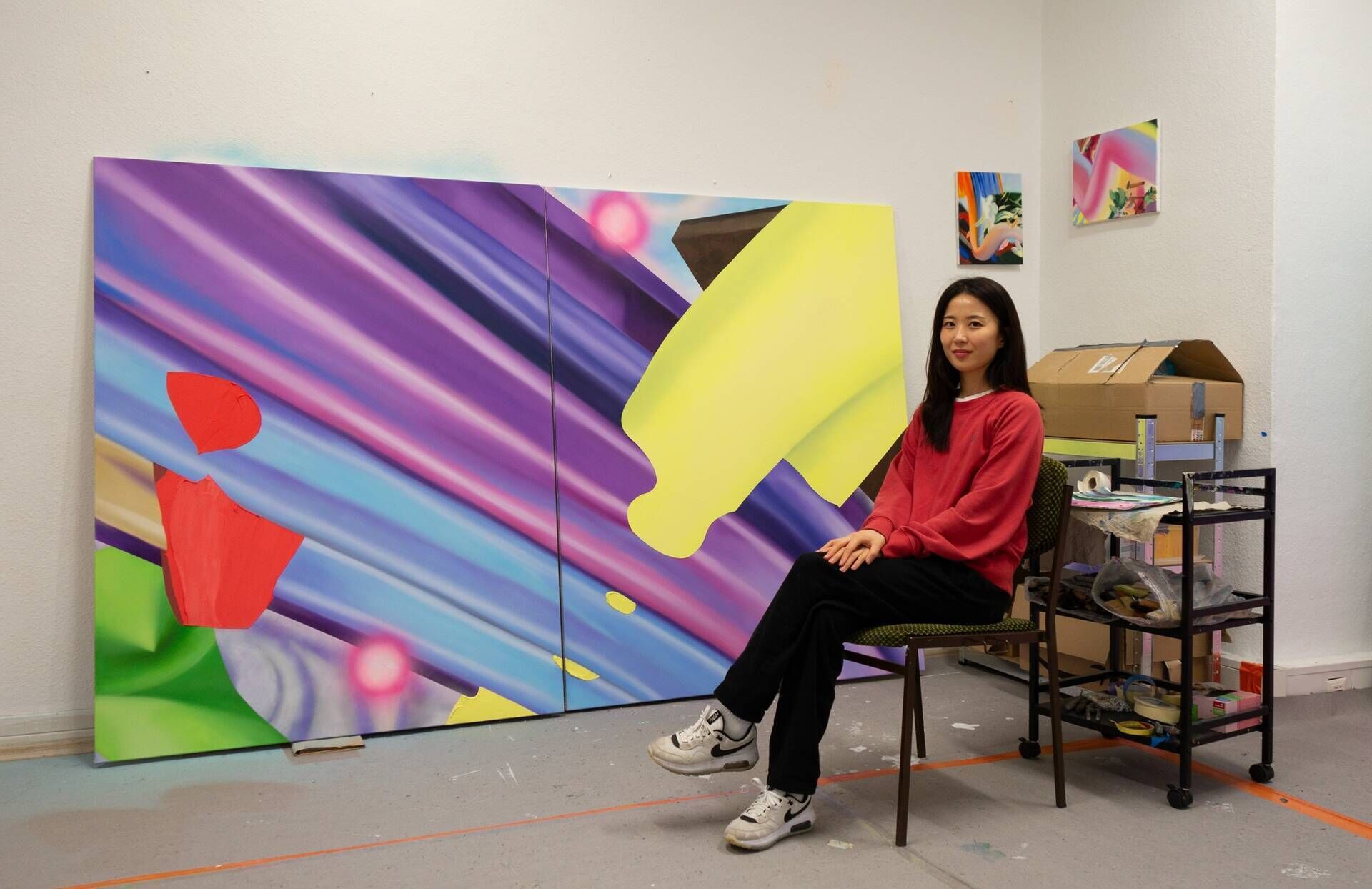
SKM artists also offer a wide range of diverse acrylic paintings. From abstract acrylic paintings through to clear forms and faces, right up to emotionally charged acrylic works. If you’re looking to buy hand-painted acrylic paintings, you’ve come to the right place. Discover acrylic artworks by Fabienne Sanke featuring bold colours and dynamic movements. SKM artist Guoqiang Wu creates his abstract acrylic paintings with clean lines and stark contrasts, whilst Enrico Kosenkows’s provocative faces blur into abstraction. You can also buy an original acrylic painting by Martin Collmann, who assembles colourful geometric shapes into figures whilst playing with the plasticity of the paint. Our artists are as diverse as their art. Hand-painted acrylic paintings on canvas are available at the Student Art Market in a wide range of styles and designs – discover for yourself!
Frequently Asked Questions
Studierenden Kunstmarkt ist die führende Plattform im deutschsprachigen Raum für studentische Kunst. Sie ermöglicht Kunstinteressierten und KunstliebhaberInnen Kunstwerke direkt von Kunststudierenden zu kaufen und sie somit während des Studiums finanziell zu unterstützen.
Studierenden Kunstmarkt wurde 2020 von Erich Reich und seinem Bruder gegründet. Erich ist noch immer Geschäftsführer von Studierenden Kunstmarkt und hat es gemeinsam mit seinem Team geschafft, eine Plattform zu kreieren, die Kunstliebhaber, Kunstinteressierte und Kunststudierende zusammenzubringen. Bis heute ist Studierenden Kunstmarkt komplett selbst finanziert und hat keine externen Gelder von Investoren aufgenommen.
Zu jedem Zeitpunkt gibt es mehrere hundert Kunststudierende und mehrere tausend Kunstwerke auf Studierenden Kunstmarkt. Ein guter Einstieg, um einen ersten Überblick über die KünstlerInnen zu erhalten, ist die Kategorie KünstlerInnen des Monats.
Genau so wie normale Galerien, erhält Studierenden Kunstmarkt eine Provision pro verkauftem Bild. Damit wird der Betrieb der Plattform, die Instandhaltung, sowie die Angestellten von Studierenden Kunstmarkt finanziert. Zusätzlich unterstützen wir die Studierenden, stehen beratend bei allen Fragen zur Verfügung und schalten kostenlos Werbung für die Studierenden auf Instagram, Facebook, Google und unserem E-Mail Newsletter mit mehreren tausend KunstliebhaberInnen als Abonnenten.
Es gibt viele Möglichkeiten, wie du beginnen kannst, in junge Künstler:innen auf Studierenden Kunstmarkt zu investieren. Eine Möglichkeit ist es, dass du dich zu unserem kostenlosen E-Mail Kurs “In 7 Tagen zum Kunst Profi” anmeldest. Dort teilen wir ein paar basics mit dir und auch einige unserer Geheimtipps, welche Künstler:innen besonders viel Potential haben. Mehr erfahren
Take a look at our most popular artists at the Student Art Market

News banner