
by Matthea
Status: 06.26.2025
Oil in Art – the Fascination of Oil Paintings
For many people, oil paintings are the epitome of classical art. Some of the world’s most famous works of art are painted in oils, such as the ‘Mona Lisa’, ‘Girl with a Pearl Earring’ and ‘The Starry Night’. Oil paintings are among the most striking forms of expression in the visual arts. Their intense colour brilliance, the nuanced rendering of light and shadow, and their durability have made them the medium of choice for great artists for centuries.
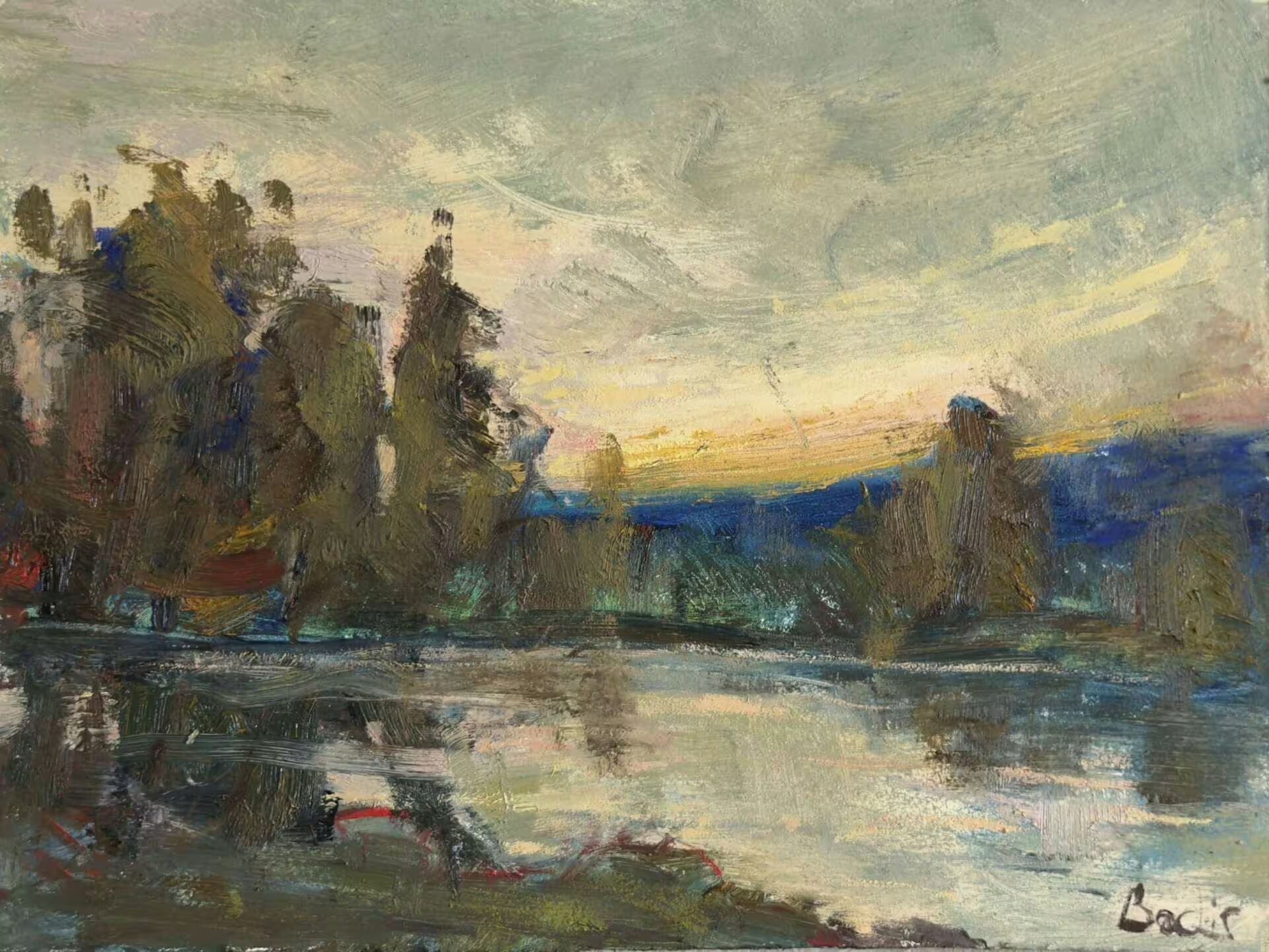
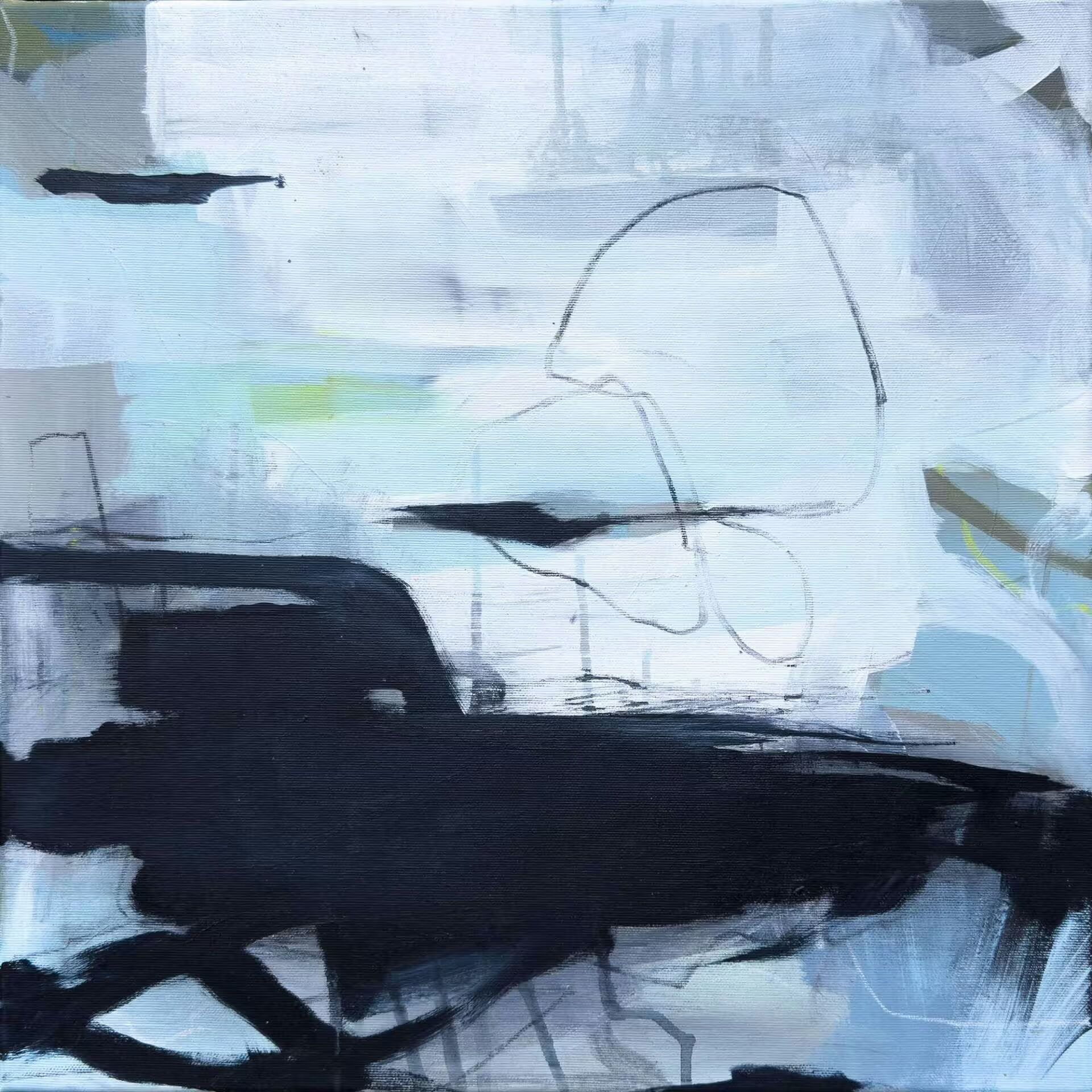
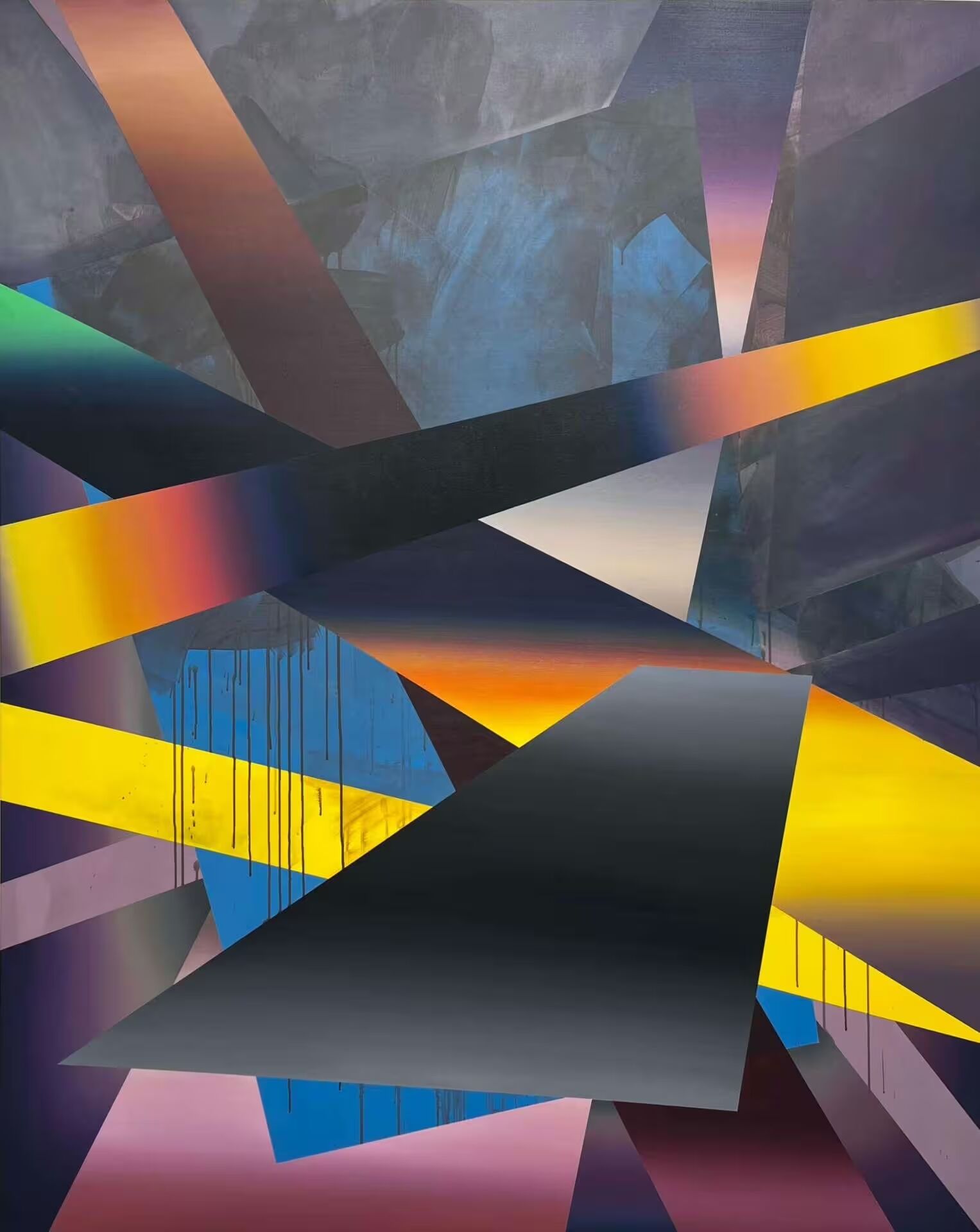
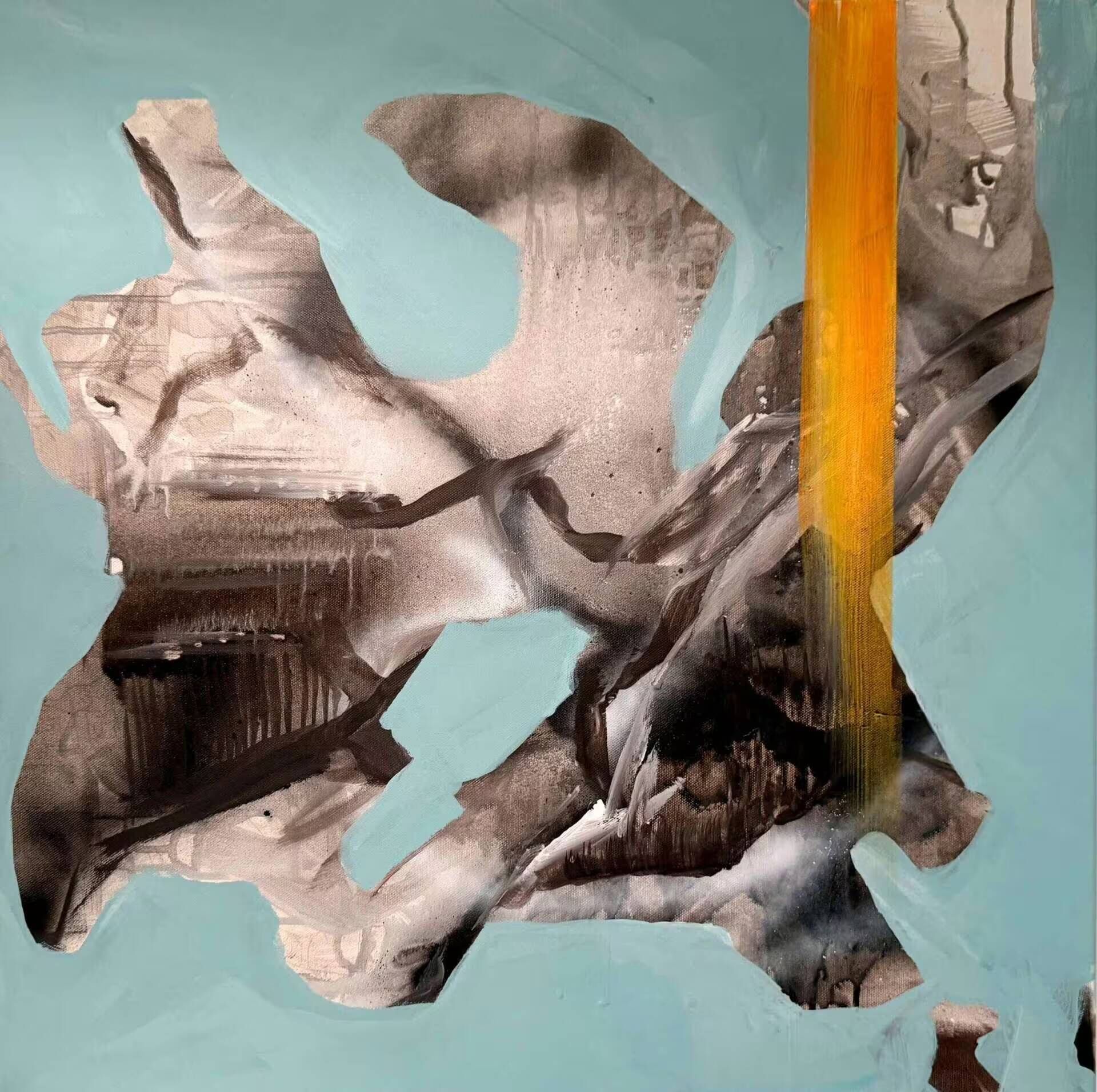
Whether an Impressionist landscape, an expressive portrait or an abstract interplay of colours – oil paintings offer an enormous stylistic range and allow emotions, stories and cultural values to be conveyed in a profound way. Through precise craftsmanship and creative vision, every oil painting becomes a unique piece that not only adorns rooms but also inspires and moves as part of our cultural heritage. However, for an oil painting to make its full impact, it is not only the subject matter that matters, but also the quality of the execution. Expert selection, the right interplay of varnish, resins, support material and painting technique, as well as a trained eye for detail, are essential – particularly in the case of abstract works.
The supreme art form – what makes oil painting so special?
Oil painting is regarded as the supreme art form of painting – not only because of its long tradition, but also because of its unique technical possibilities. The colours are created by mixing pigments with drying oils such as linseed, walnut or poppy seed oil, which give them extraordinary depth, luminosity and longevity. Artists value the flexible drying time, which allows for careful refinement and overpainting. Additives such as resins and siccatives can be used to further adjust the paint’s drying behaviour and consistency. The result: a painting that can last for centuries and, with its rich application of colour, creates an almost three-dimensional impression.
A key characteristic of hand-painted oil paintings is the ‘fat over lean’ rule, whereby each layer of paint must contain more oil than the previous one to prevent cracking. Working with these materials requires a great deal of knowledge and experience: too much oil or a surface that is too absorbent can lead to wrinkling, craquelure or age-related damage. Nevertheless, hardly any other medium offers such freedom in painting technique – from glazed, transparent layers to impasto, bold applications of paint. Oil paintings allow light and depth to be captured in a unique way, enabling even the slightest nuances to be subtly rendered.
The art of oil painting looks back on a history spanning over 700 years, with roots traceable as far back as the 7th century. It experienced its decisive boom in the 15th century thanks to Jan van Eyck – a renowned Old Dutch painter – who played a key role in its further development. Since then, it has been appreciated and utilised by generations of great masters – from da Messina through Rubens right through to the modern era – and utilised. What makes it so fascinating to this day is its unique interplay of technical sophistication, depth of colour and the ability to convey emotion and atmosphere with unexpected intensity. Oil painting is not merely a craft – it is an expression of centuries-old artistic culture.
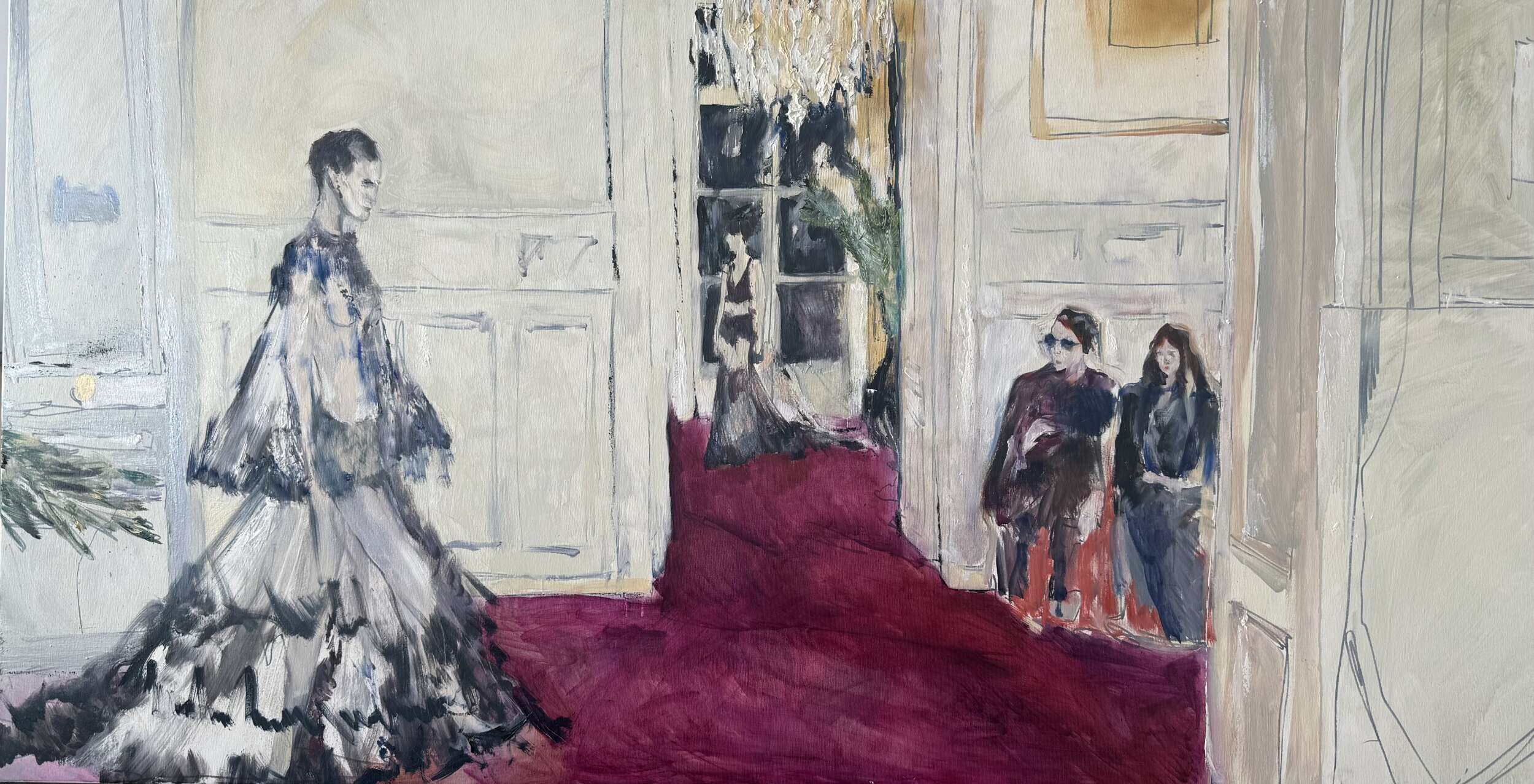
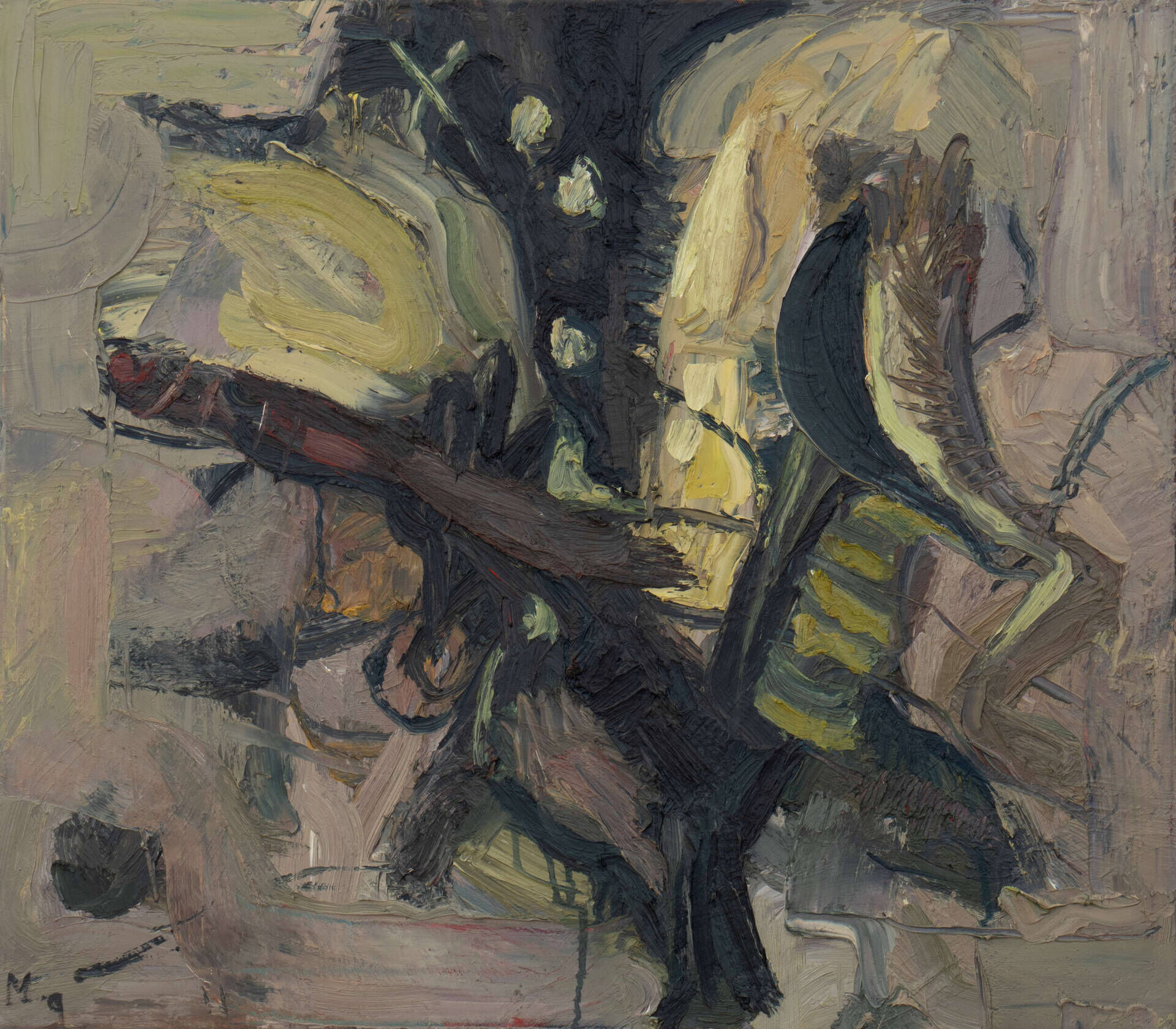
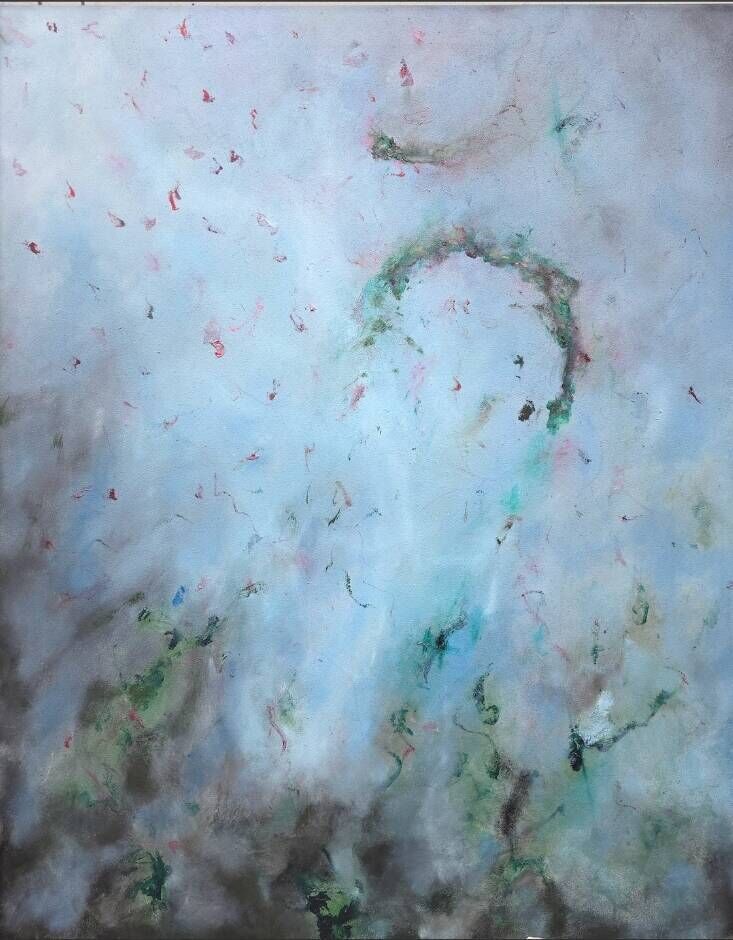

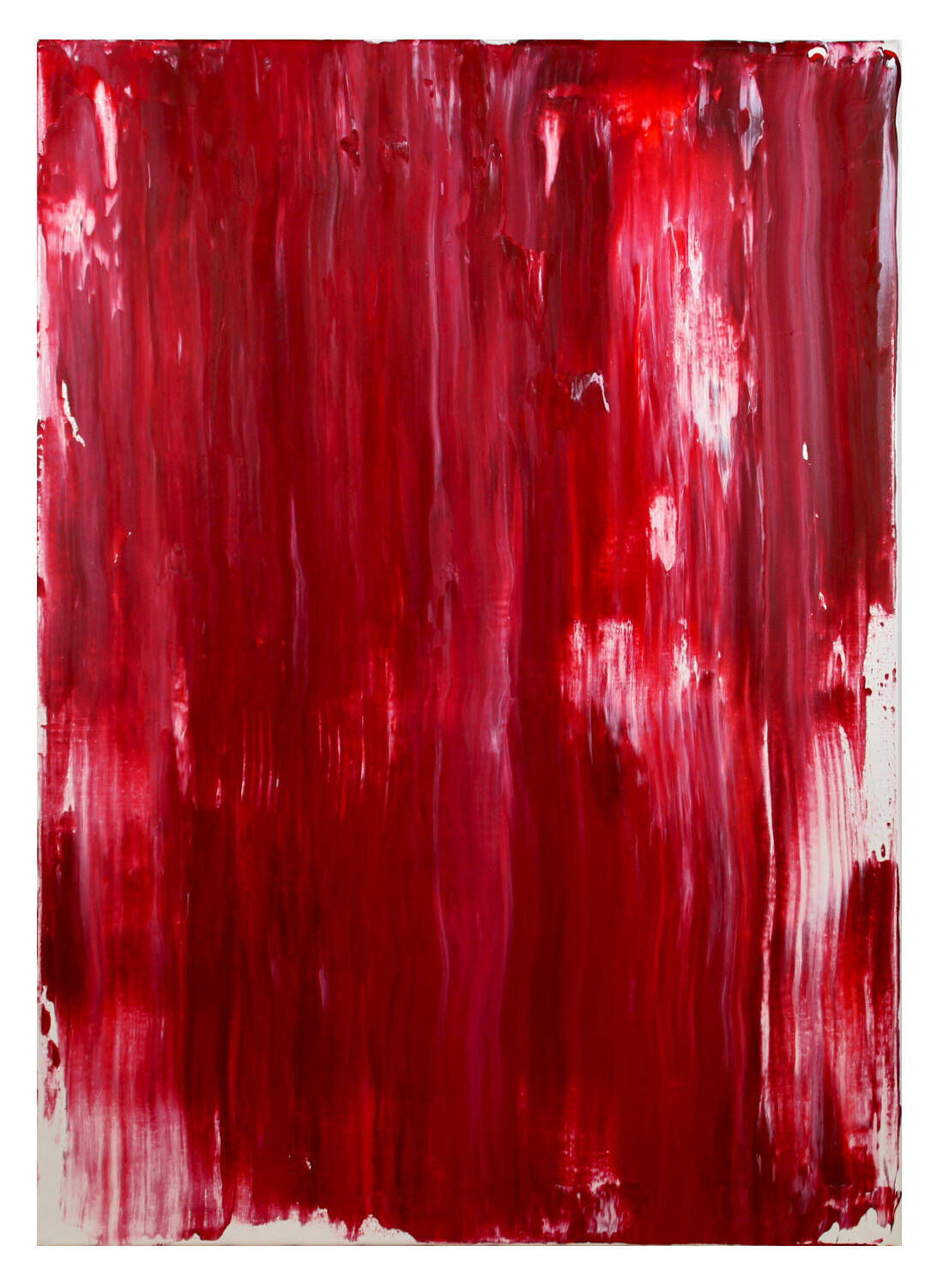
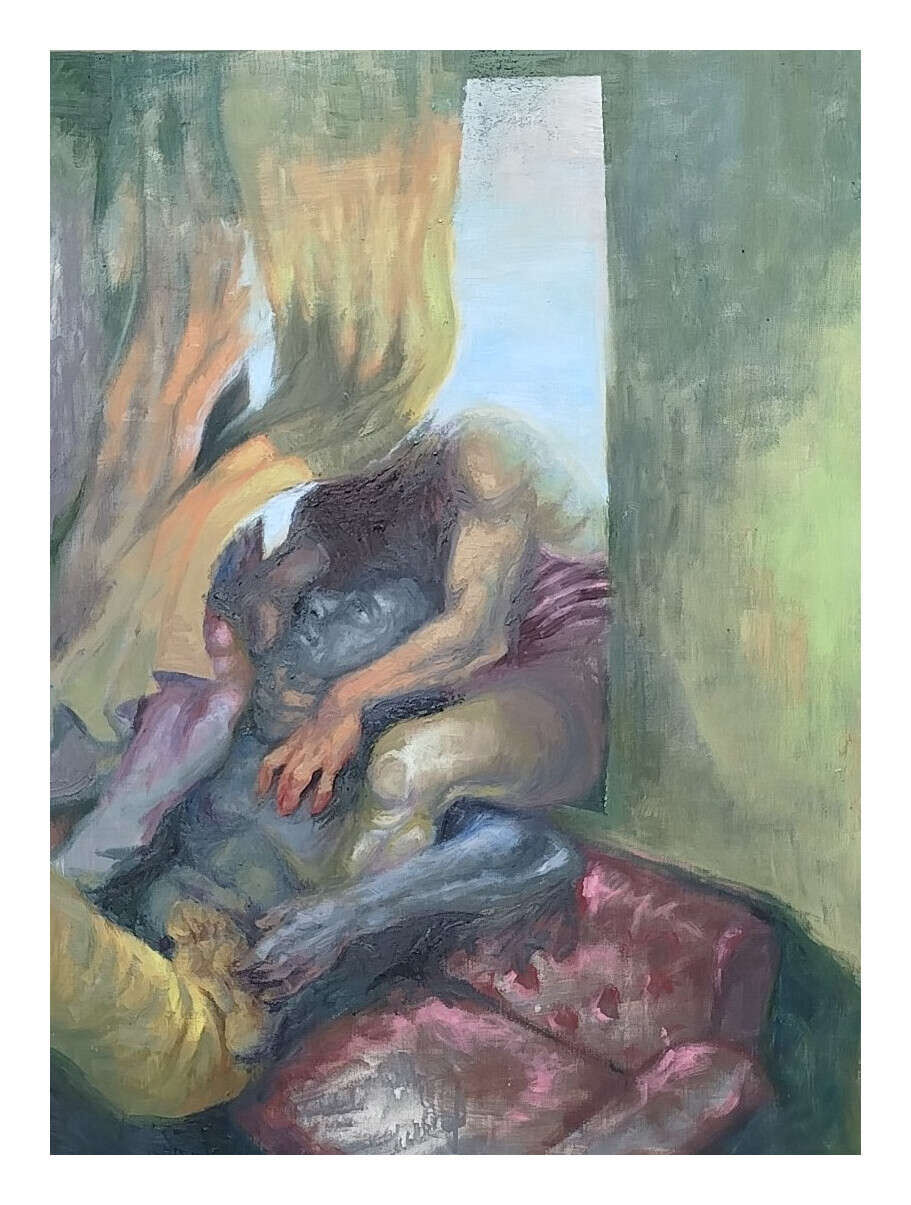
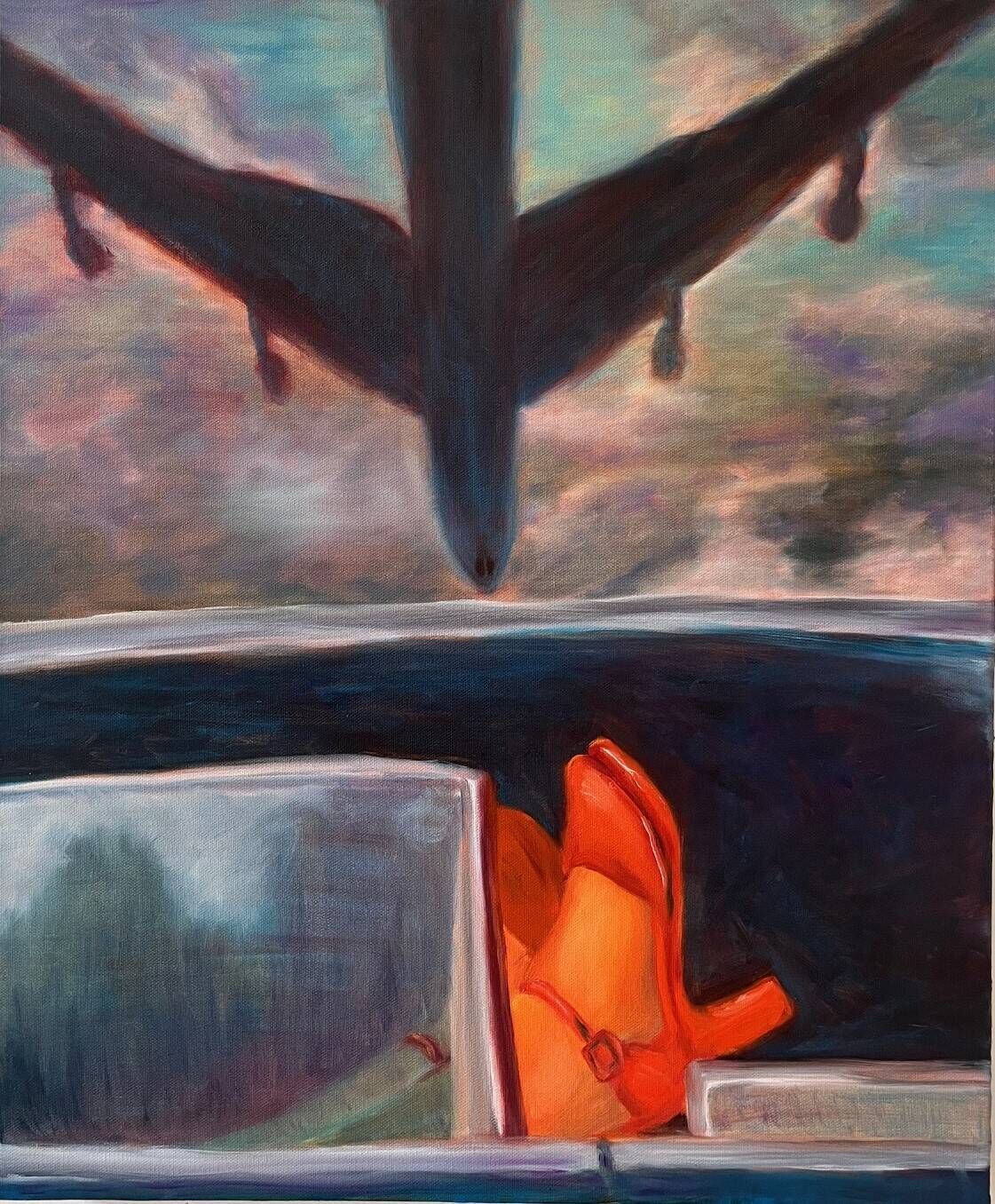
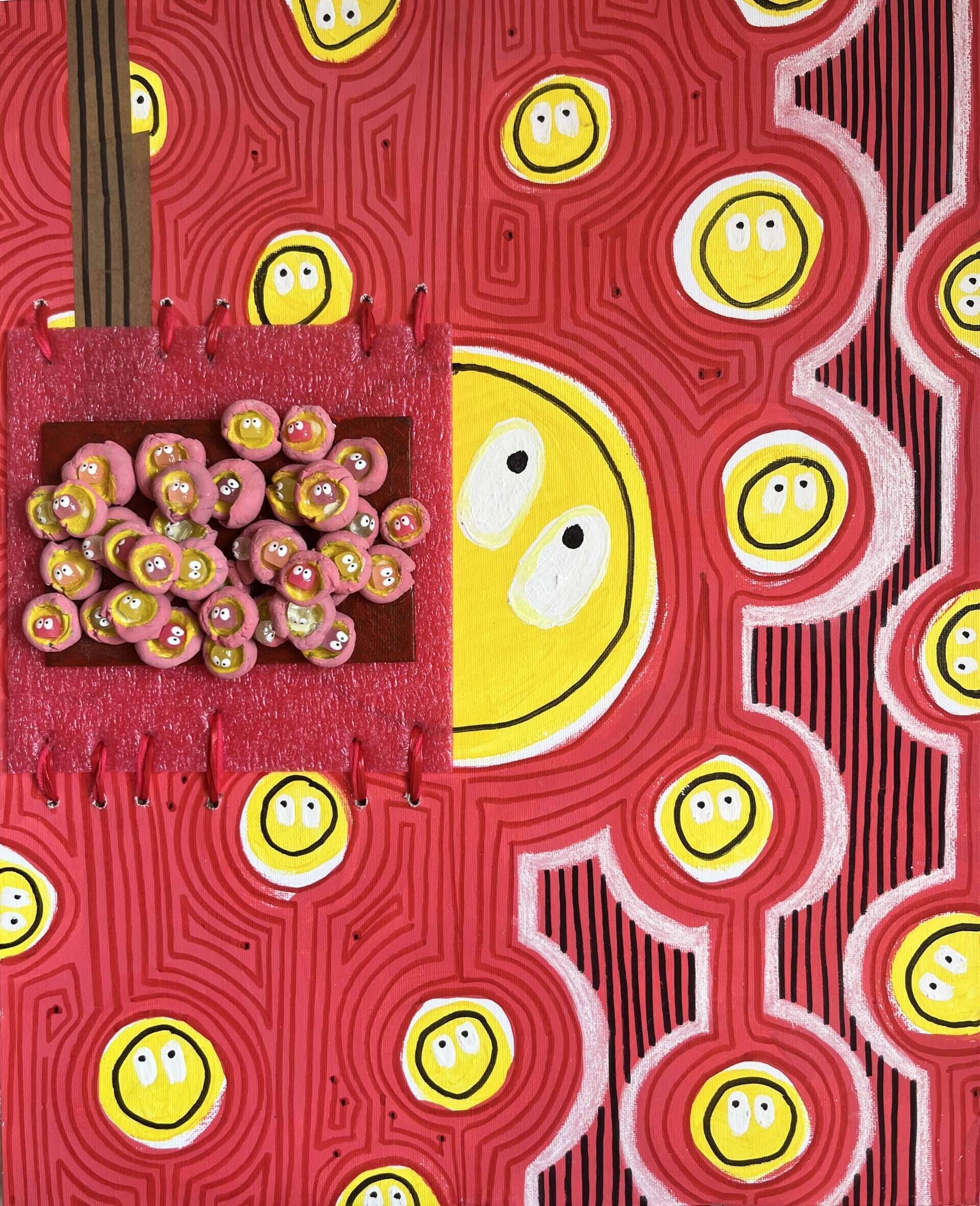
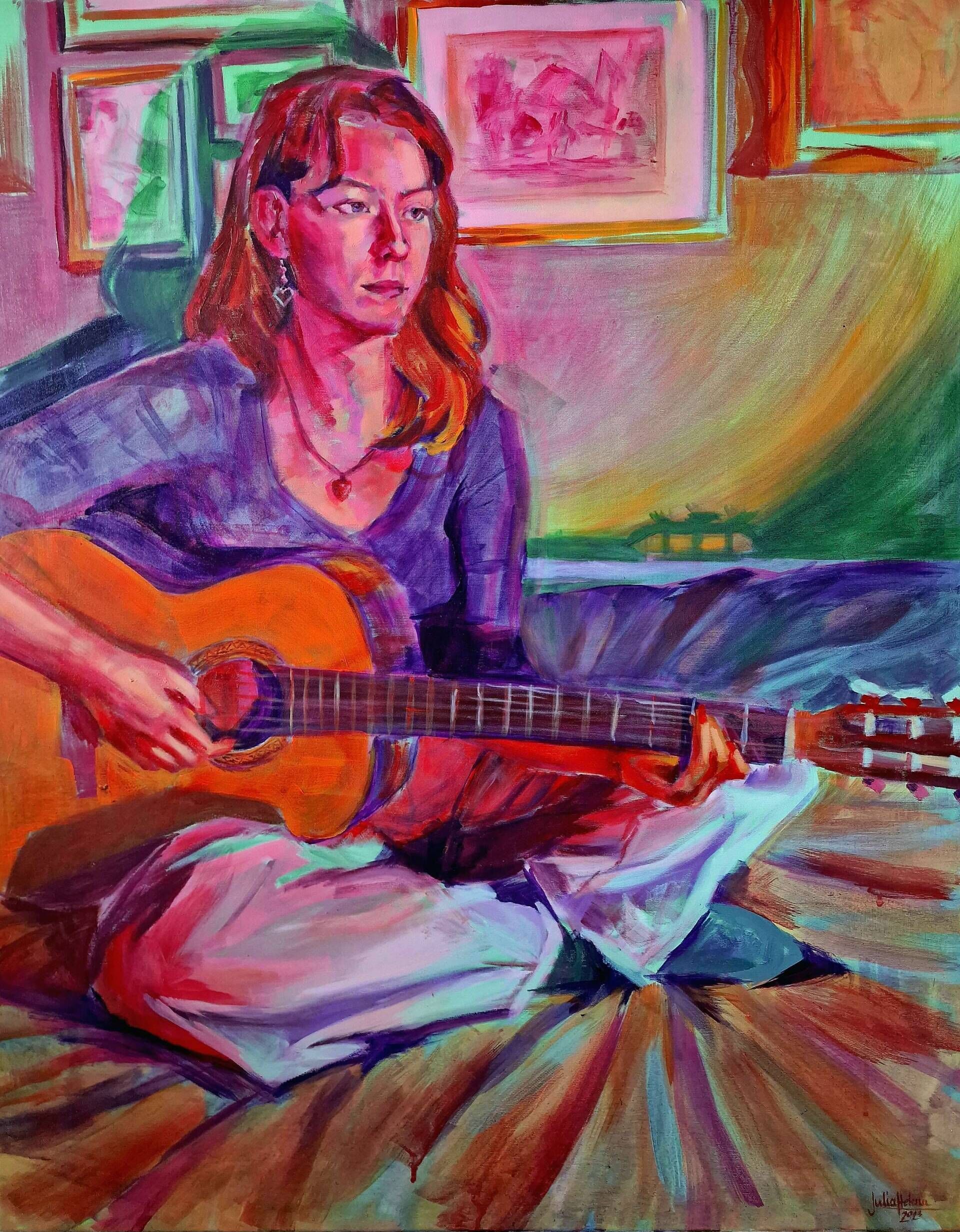
The Most Famous Oil Paintings – Colours of Eternity
For centuries, artists have relied on the expressive power of oil paintings to create enduring works that continue to fascinate across generations. Leonardo da Vinci masterfully employed this technique in the ‘Mona Lisa’, whose enigmatic gaze achieves a depth through the finest glazes and soft sfumato that would be almost impossible to achieve with other painting media. Later, with *The Night Watch*, Rembrandt demonstrated how entire stories can be told through the dramatic use of light and nuanced layers of colour. Hand-painted oil paintings made it possible to realise complex compositions with impressive three-dimensionality and atmosphere – one reason why they became the preferred technique of many masters.
Precisely because oil paints dry slowly and allow for a wide variety of techniques, artists such as Vincent van Gogh were able to use them as a means of emotional expression. This is evident in *The Starry Night*: the dynamic sky, the impasto brushstrokes, the intense colour palette – all of this is due to the versatility of oil paint. Similarly, Francisco de Goya employed the oil technique in his “Black Paintings” to depict sombre, at times disturbing scenes in strikingly vivid colours. These works demonstrate that modern oil paintings can be used not only for idealisation, but also for the unflinching portrayal of inner worlds.
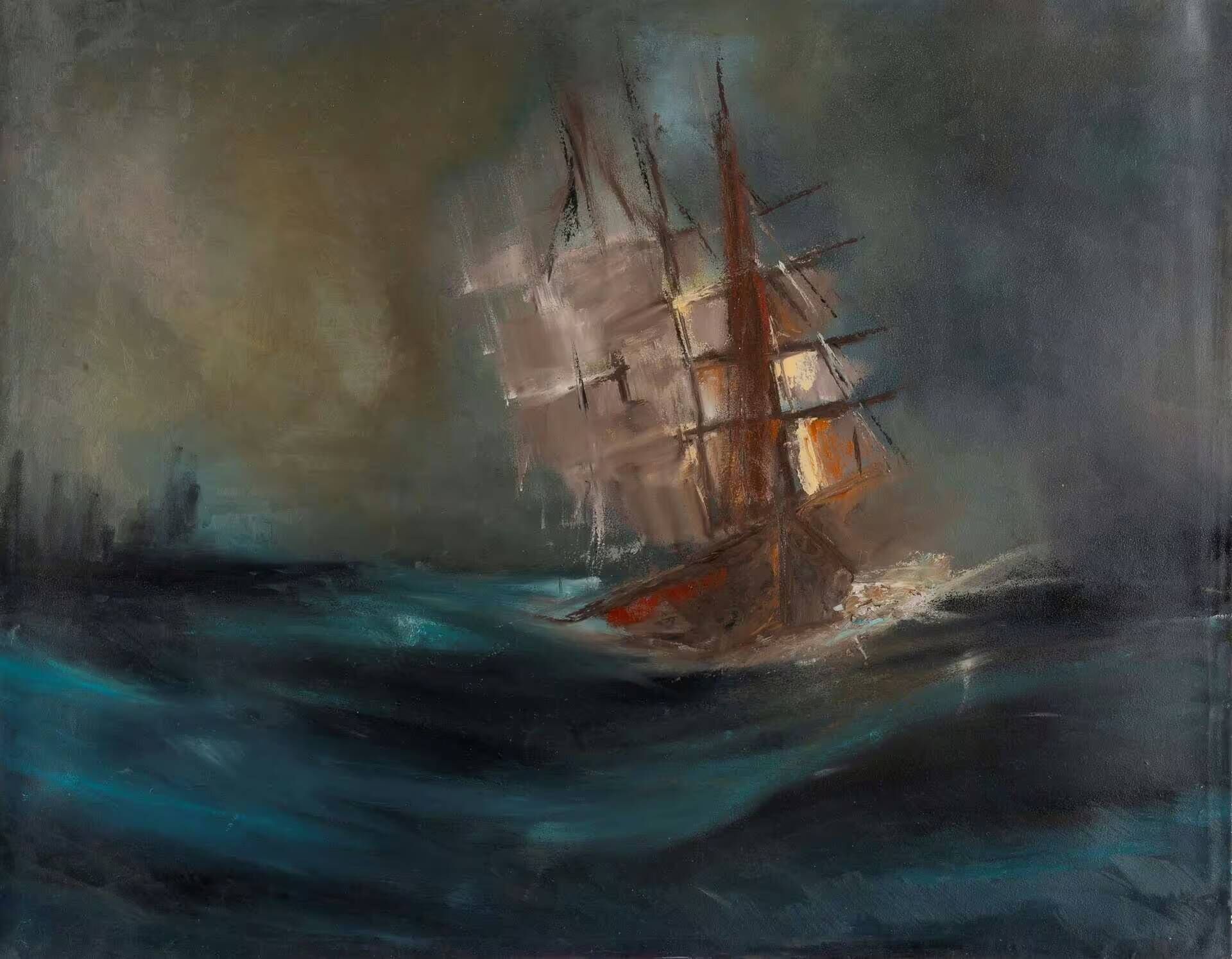
Whether it is the mysterious aura of Vermeer’s ‘Girl with a Pearl Earring’, the expansive composition in Jacques-Louis David’s ‘The Death of Marat’ or the play of light in Turner’s seascapes – everywhere we see how artists were able to use oil paint to light and depth. The longevity of these works and their ability to retain their impact even after centuries make many of these paintings icons of art history. Oil painting is therefore not merely a technical medium, but also a key to the emotional, cultural and aesthetic impact of many of humanity’s most significant works of art.
Between tradition and the present – modern oil paintings
Modern oil paintings on canvas bridge the gap between traditional craftsmanship and contemporary visual language. Artists draw on the classic possibilities of oil painting – such as the depth of colour or the interplay of light and texture – and combine them with contemporary themes, abstract forms or experimental techniques. This results in works that are not only aesthetically striking but also reflect the issues of our time: identity, society, nature or urbanity. A famous example is ‘No. 5, 1948’ by Jackson Pollock, who dripped oil paint onto the canvas in dynamic movements, thereby radically reinterpreting oil painting. Similarly, in his haunting portraits such as “Study after Velázquez’s Portrait of Pope Innocent X”, Francis Bacon used oil paint to visualise psychological tensions. The slow drying time of oil paint allows artists to work in multiple layers, meaning that modern works are often multi-layered in the truest sense of the word.
Modern oil painting displays an enormous stylistic freedom: from minimalist compositions to expressive bursts of colour. Unlike in earlier periods, when certain schools or styles dominated, the focus today is on the artist’s individual style. Lucian Freud, for example, used the oil technique to make the physicality and vulnerability of his models almost tangible in large-format portraits – his paintings, such as ‘Benefits Supervisor Sleeping’, are testaments to intense observation and painterly density. Gerhard Richter, too, combined photorealistic oil paintings with abstract experiments in works such as “Betty”, thereby demonstrating just how versatile this medium can be in the 20th and 21st centuries. As a result, every painting becomes a unique piece that not only enhances a space but also stimulates reflection. Modern oil painting is thus more than mere decoration – it is a form of dialogue between art and the viewer.
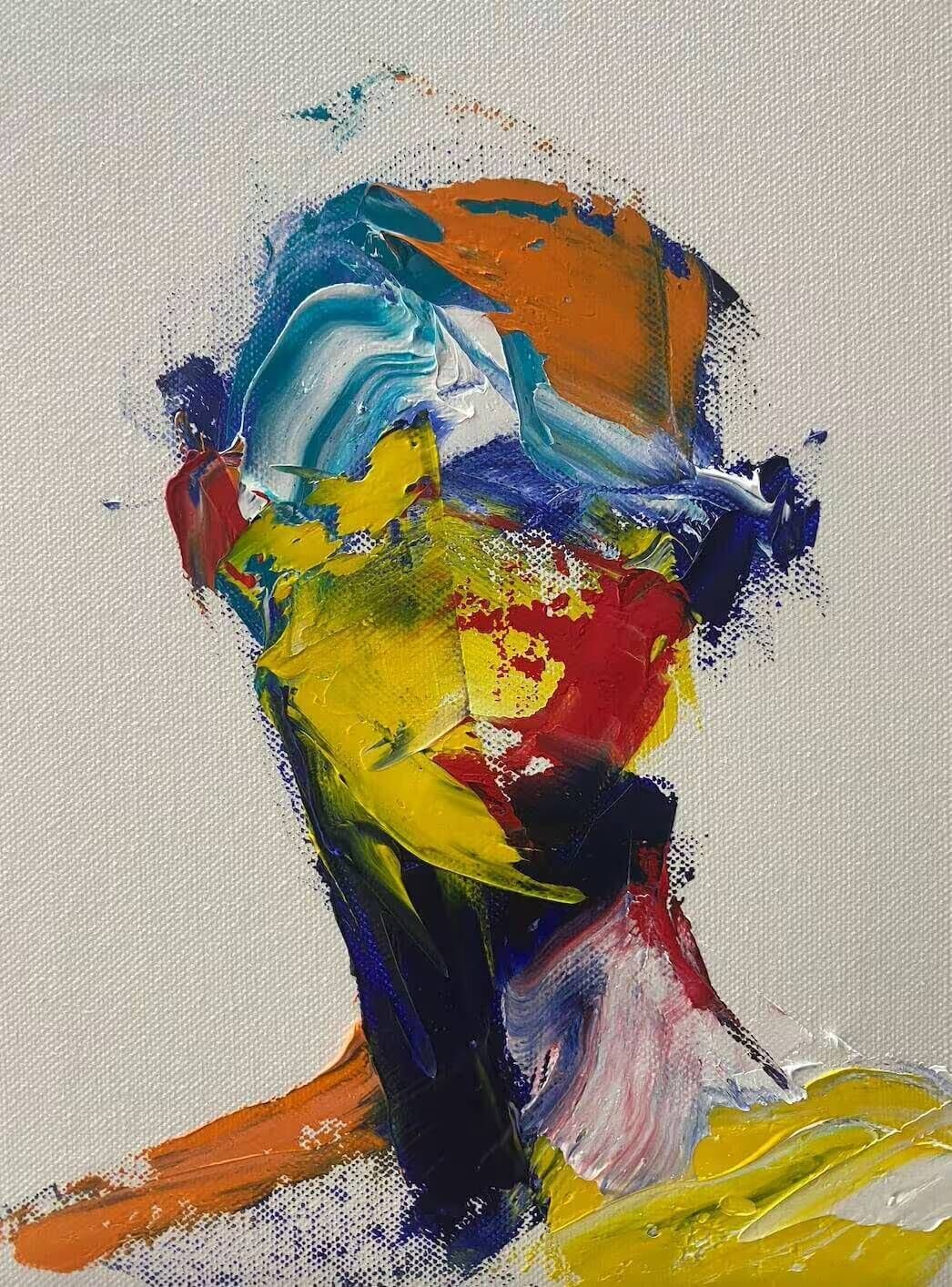
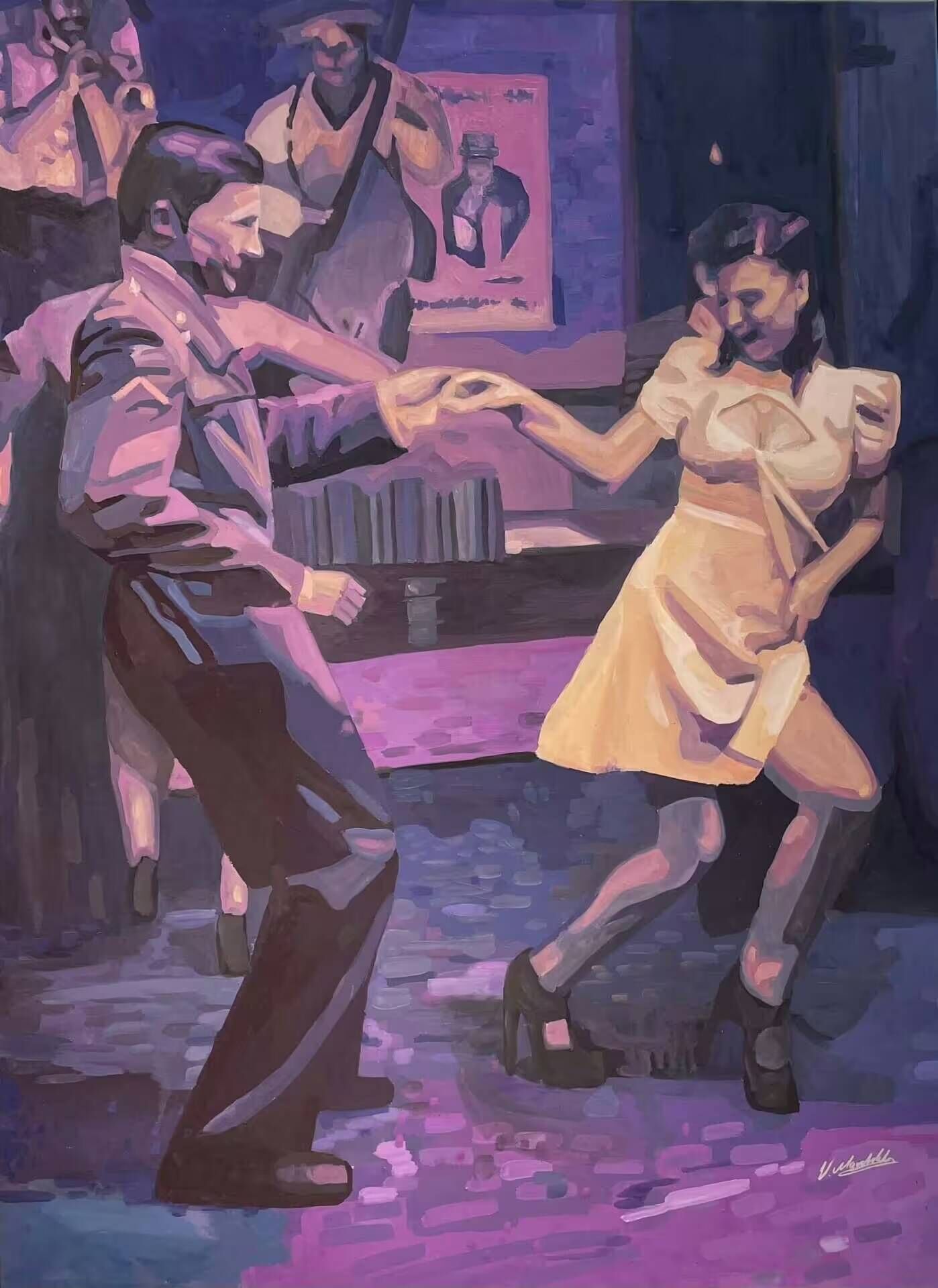
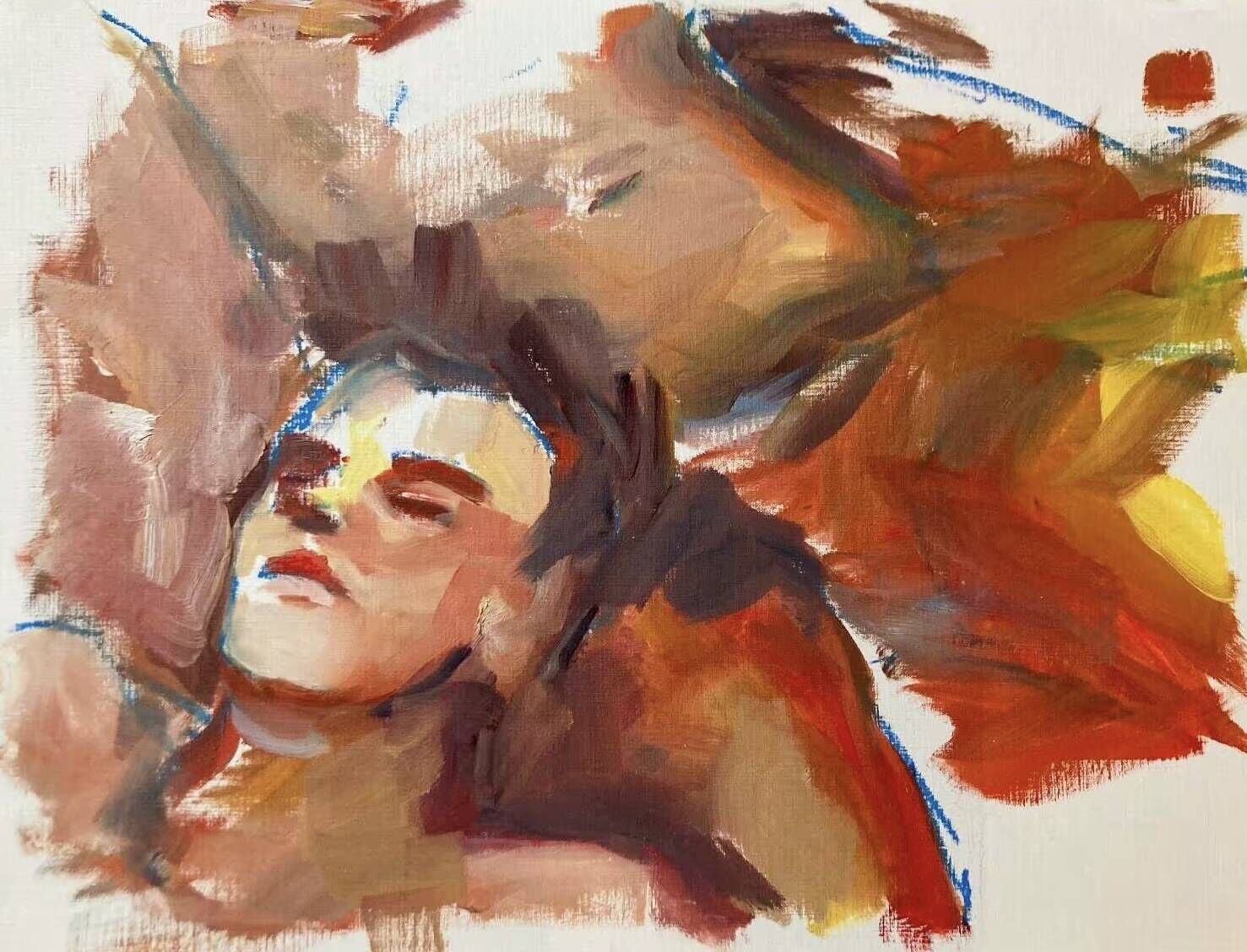
Unique oil paintings at SKM
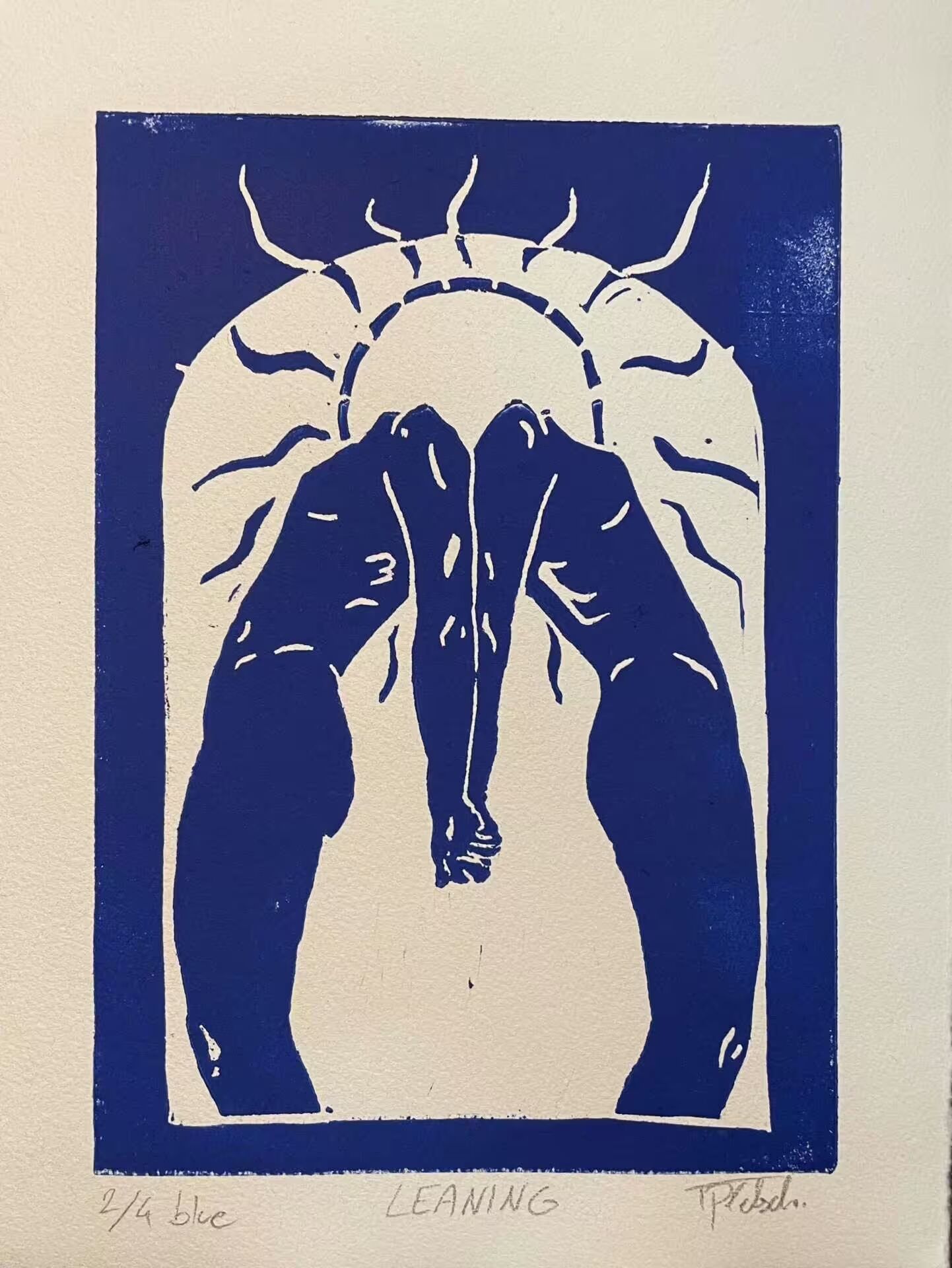
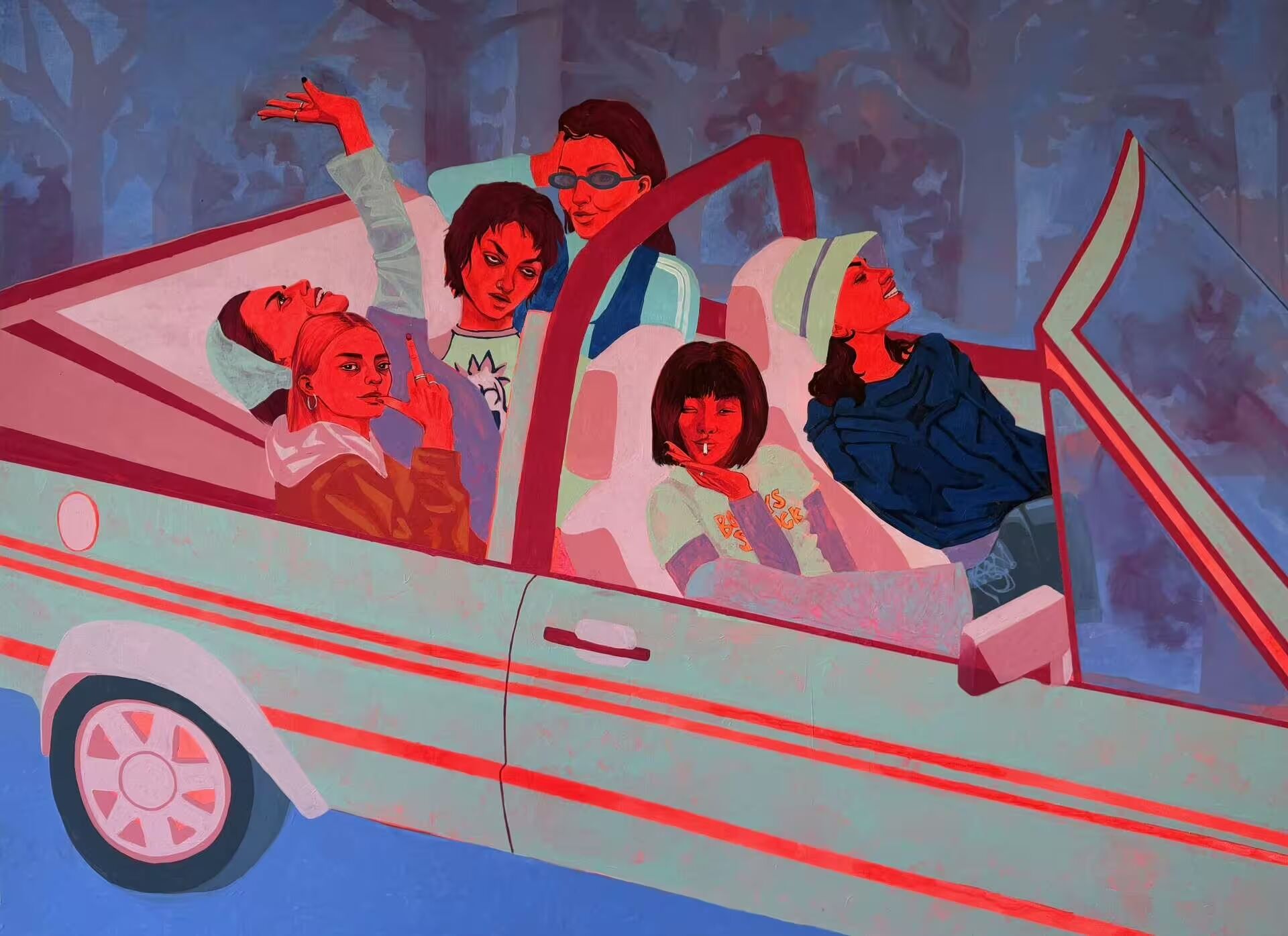
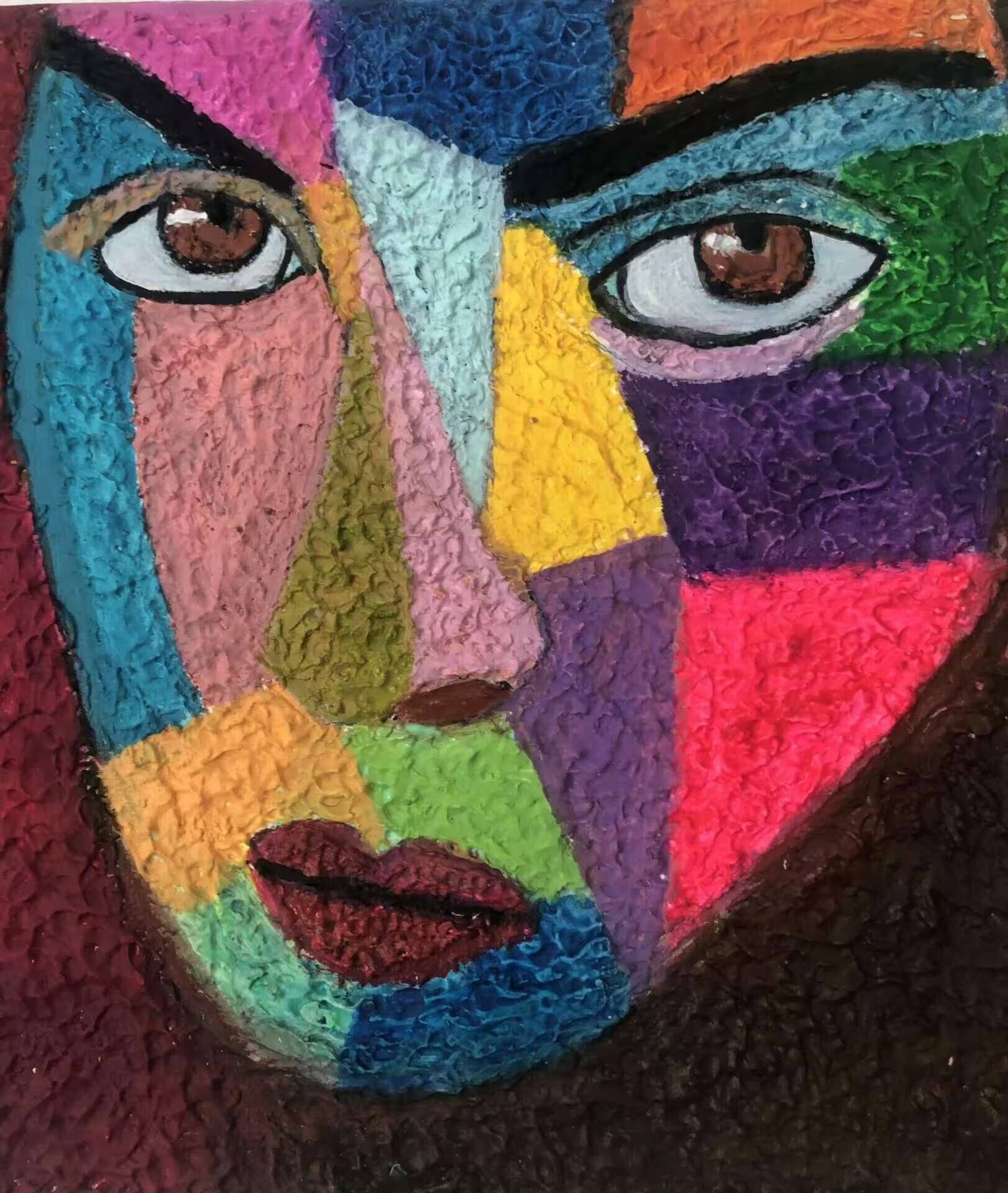
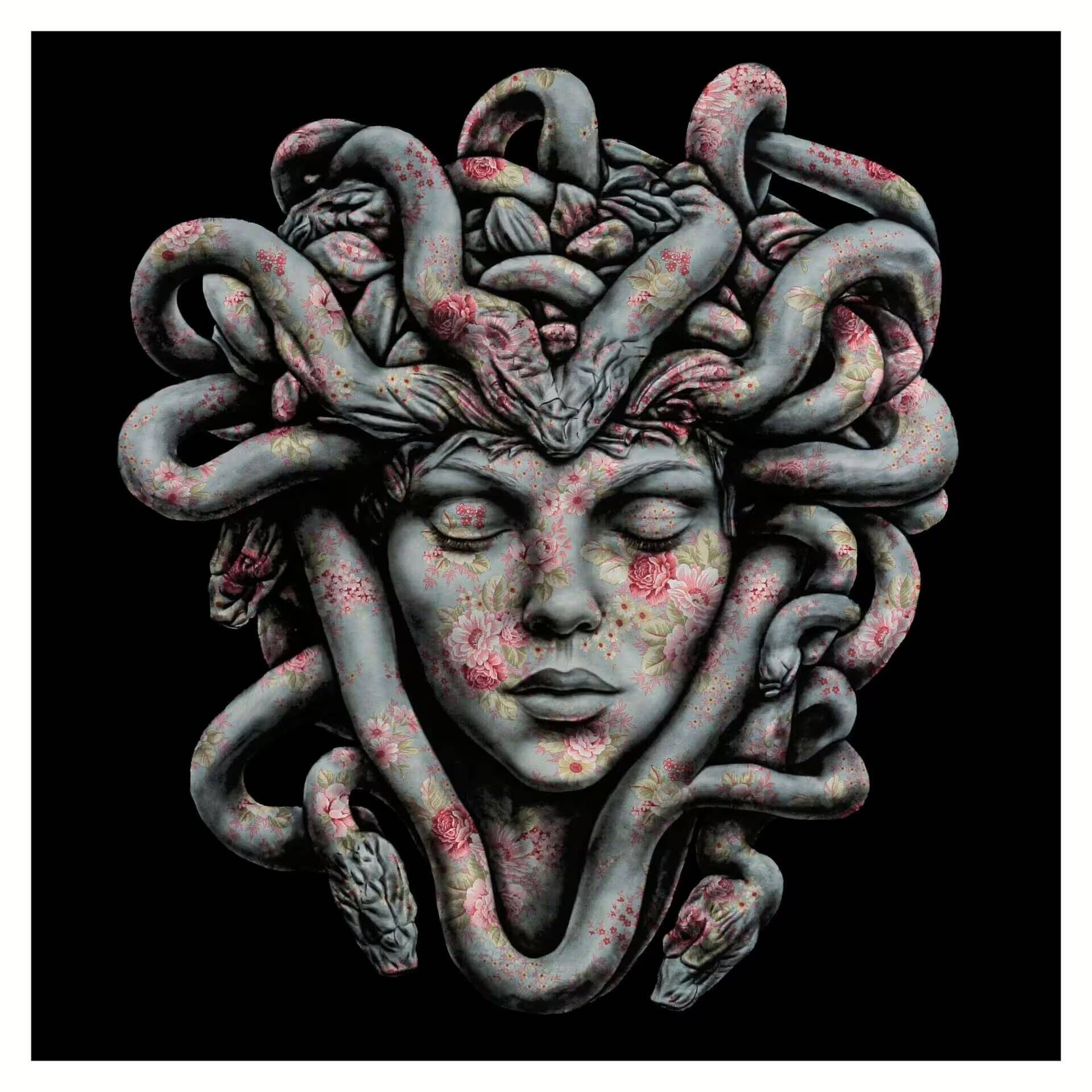
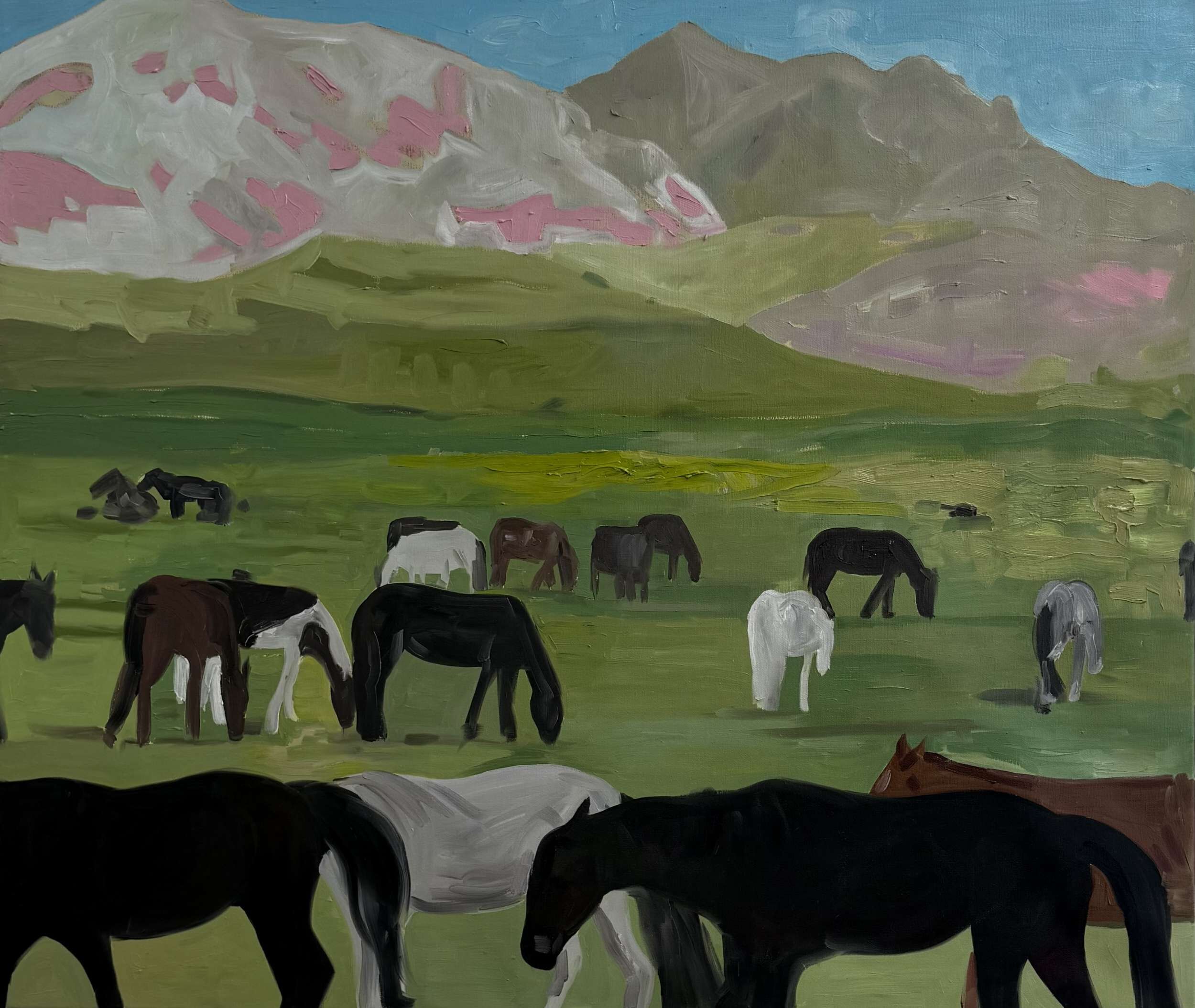
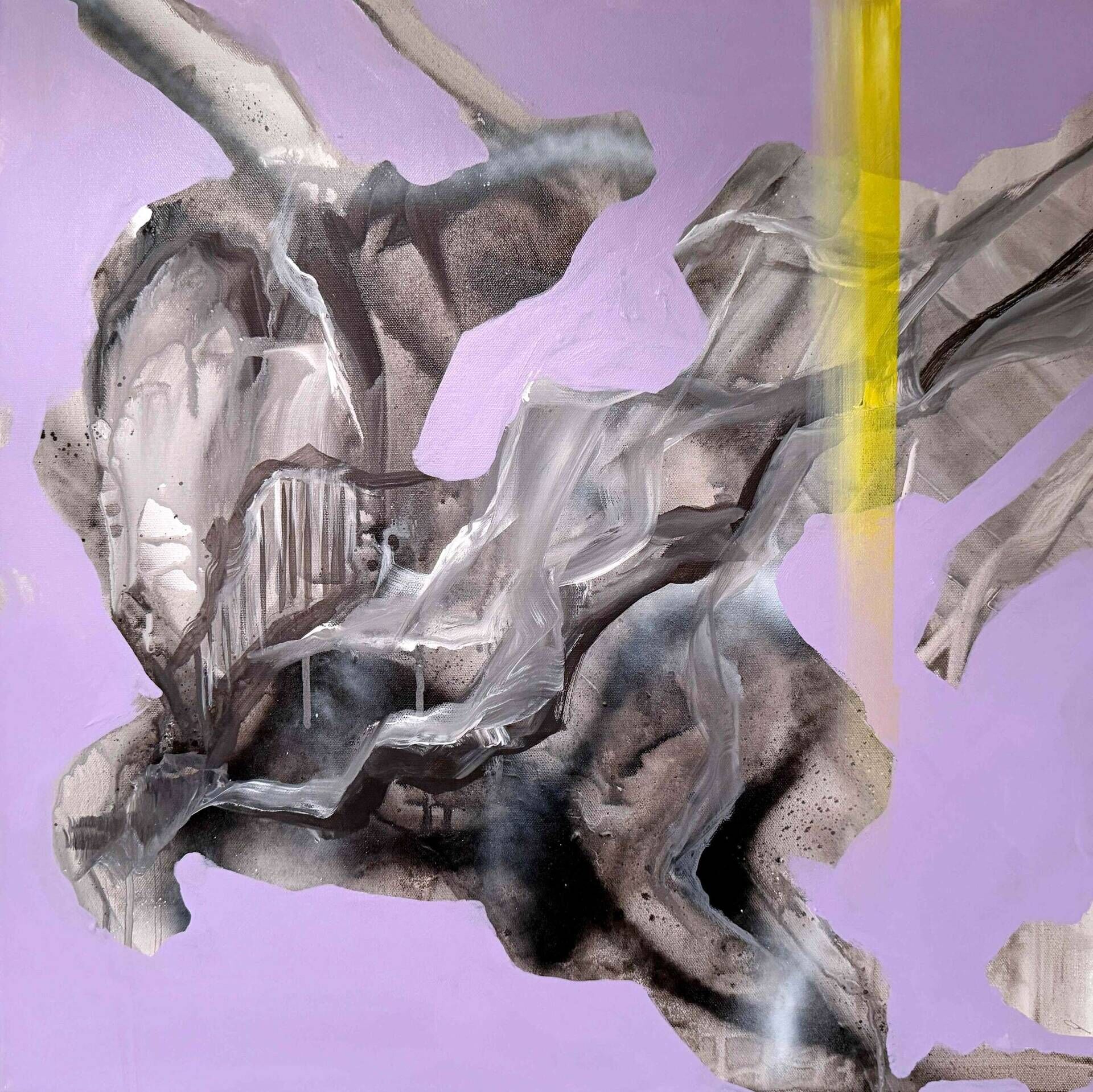
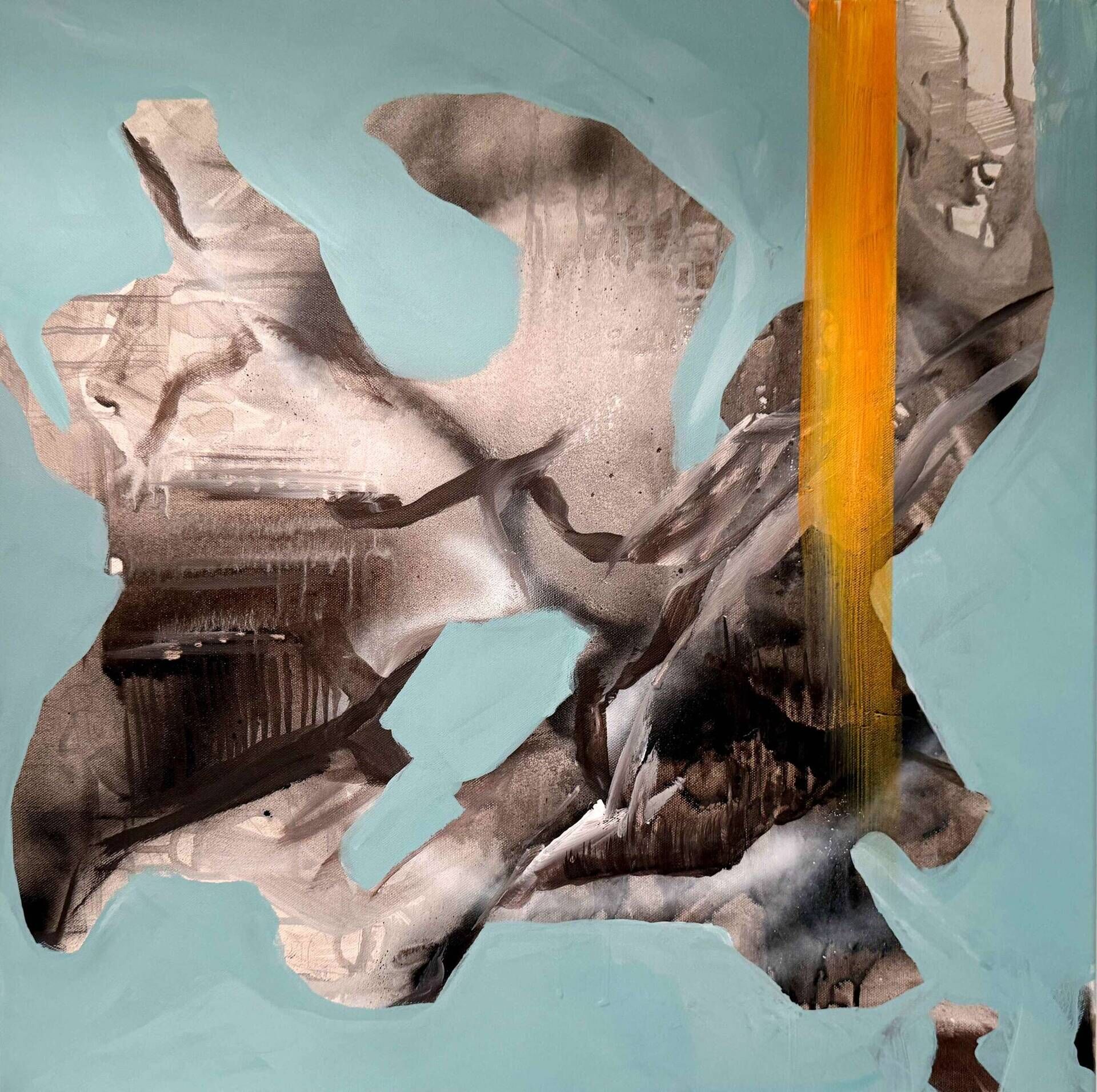
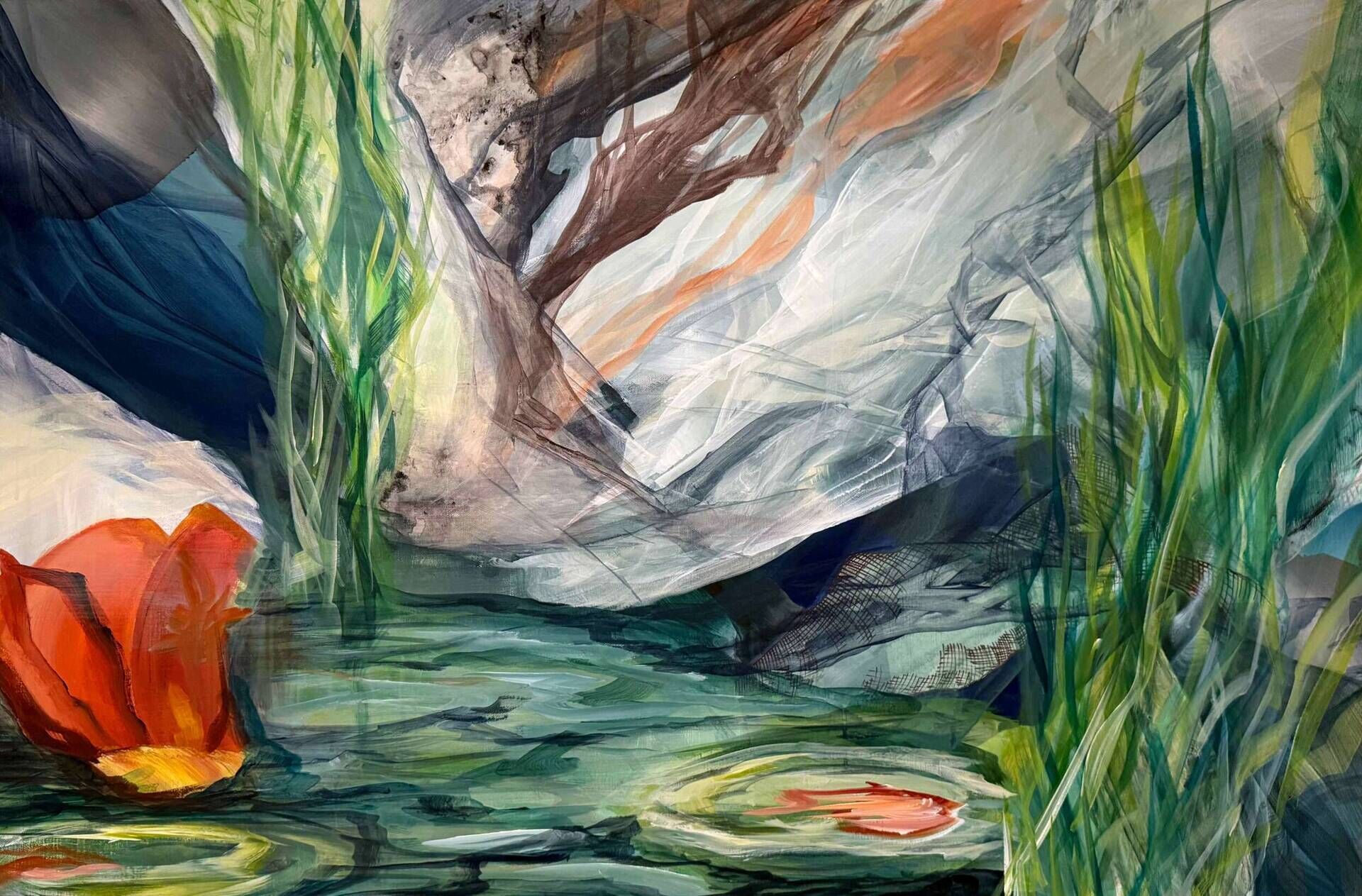
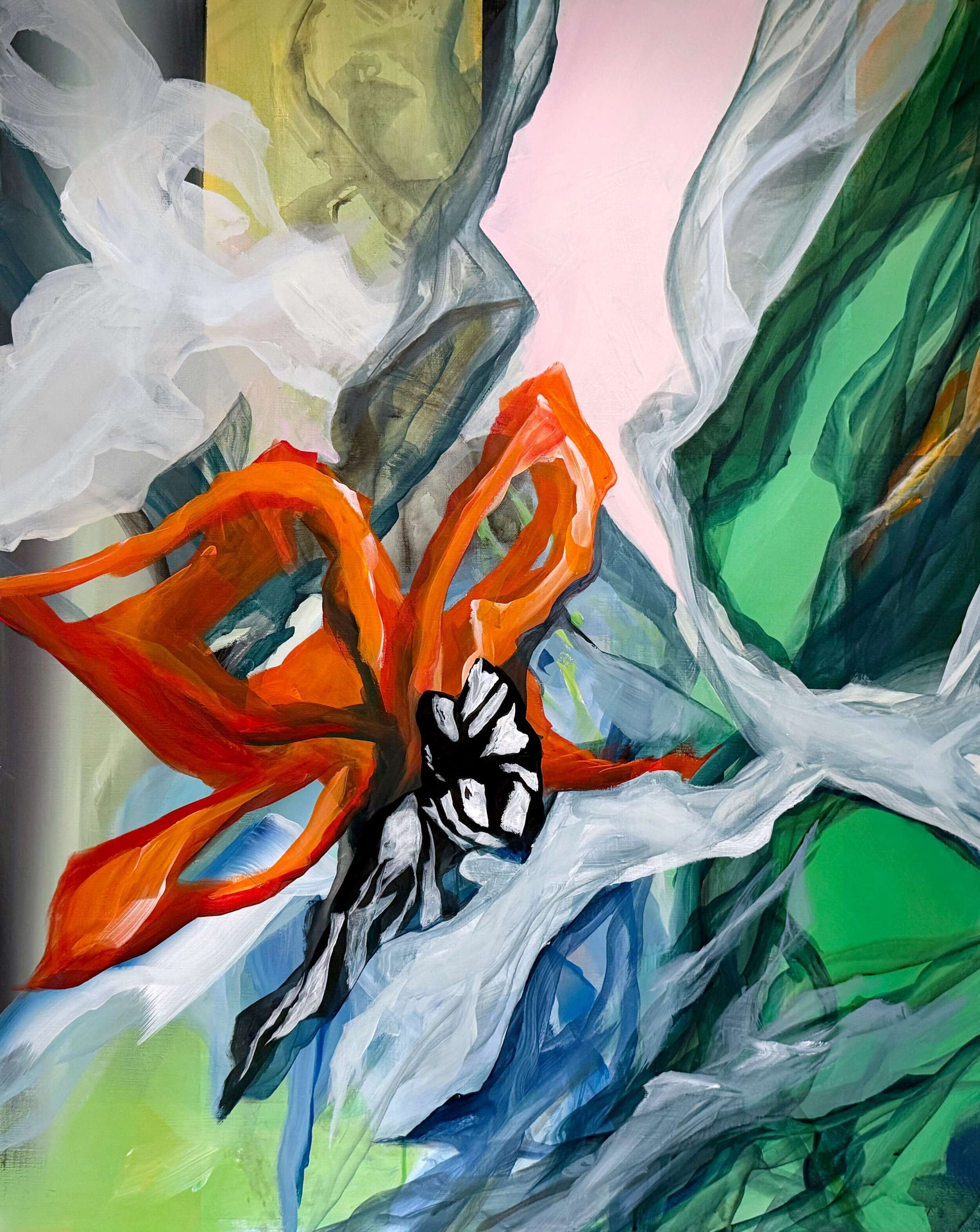
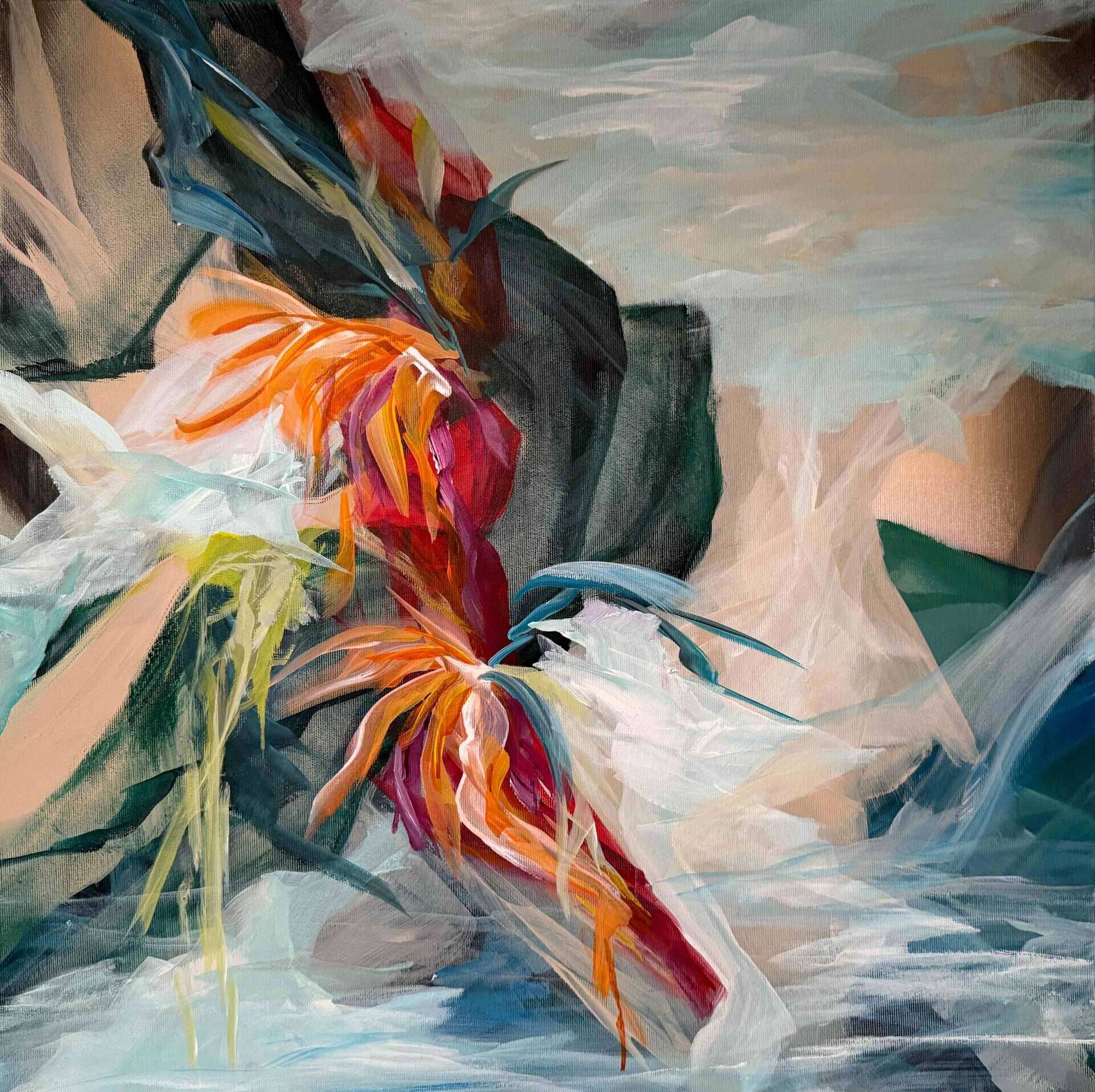
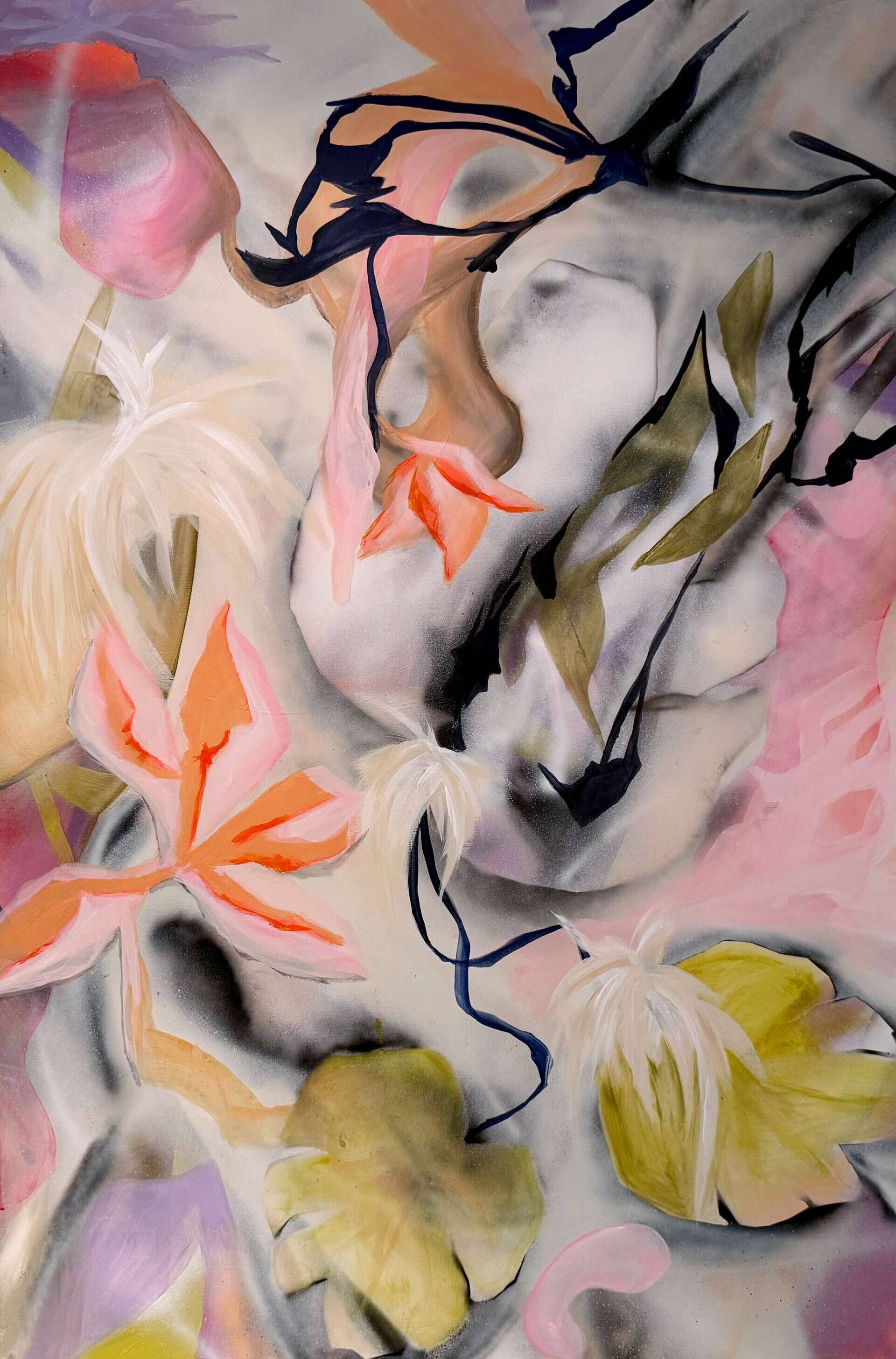
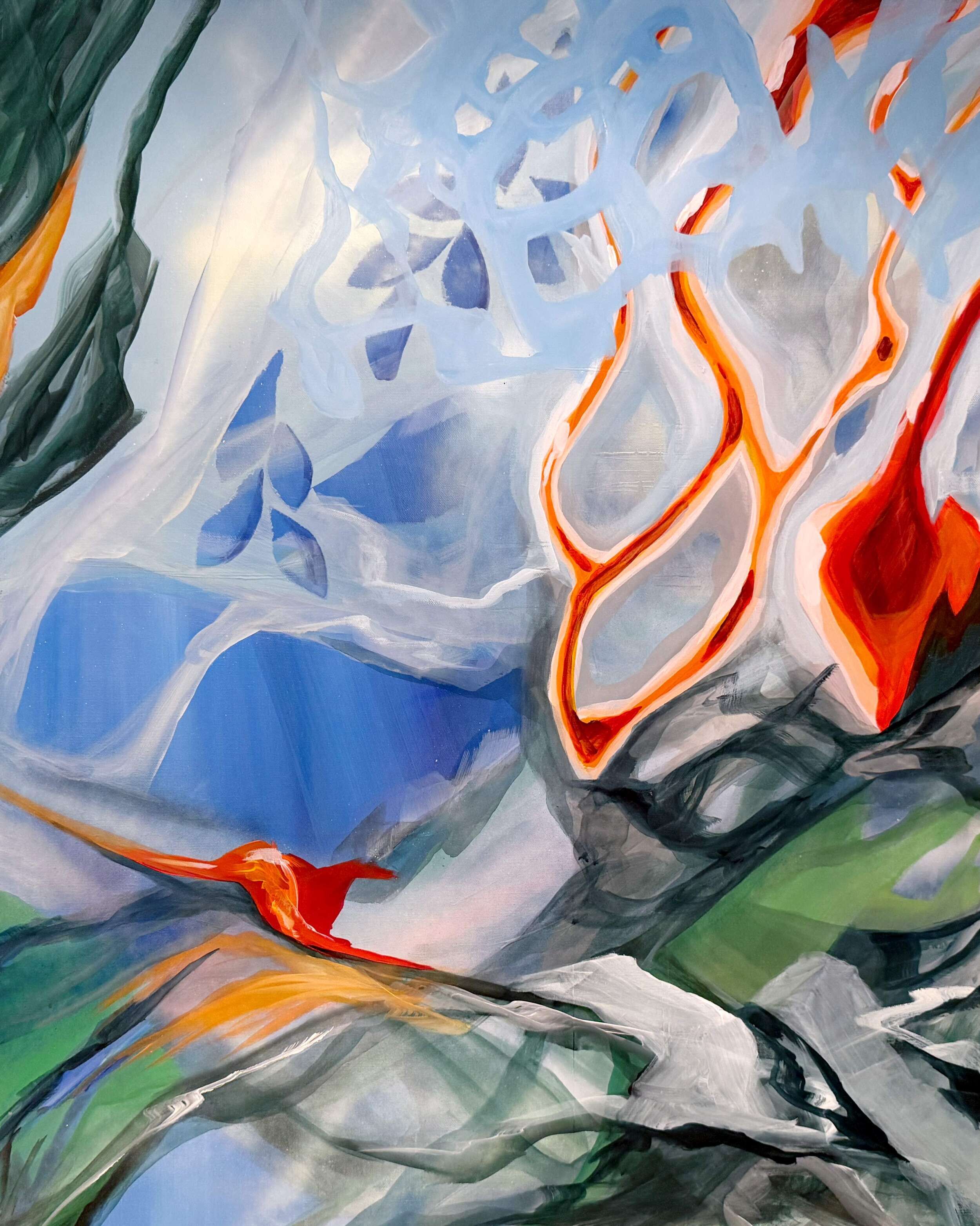
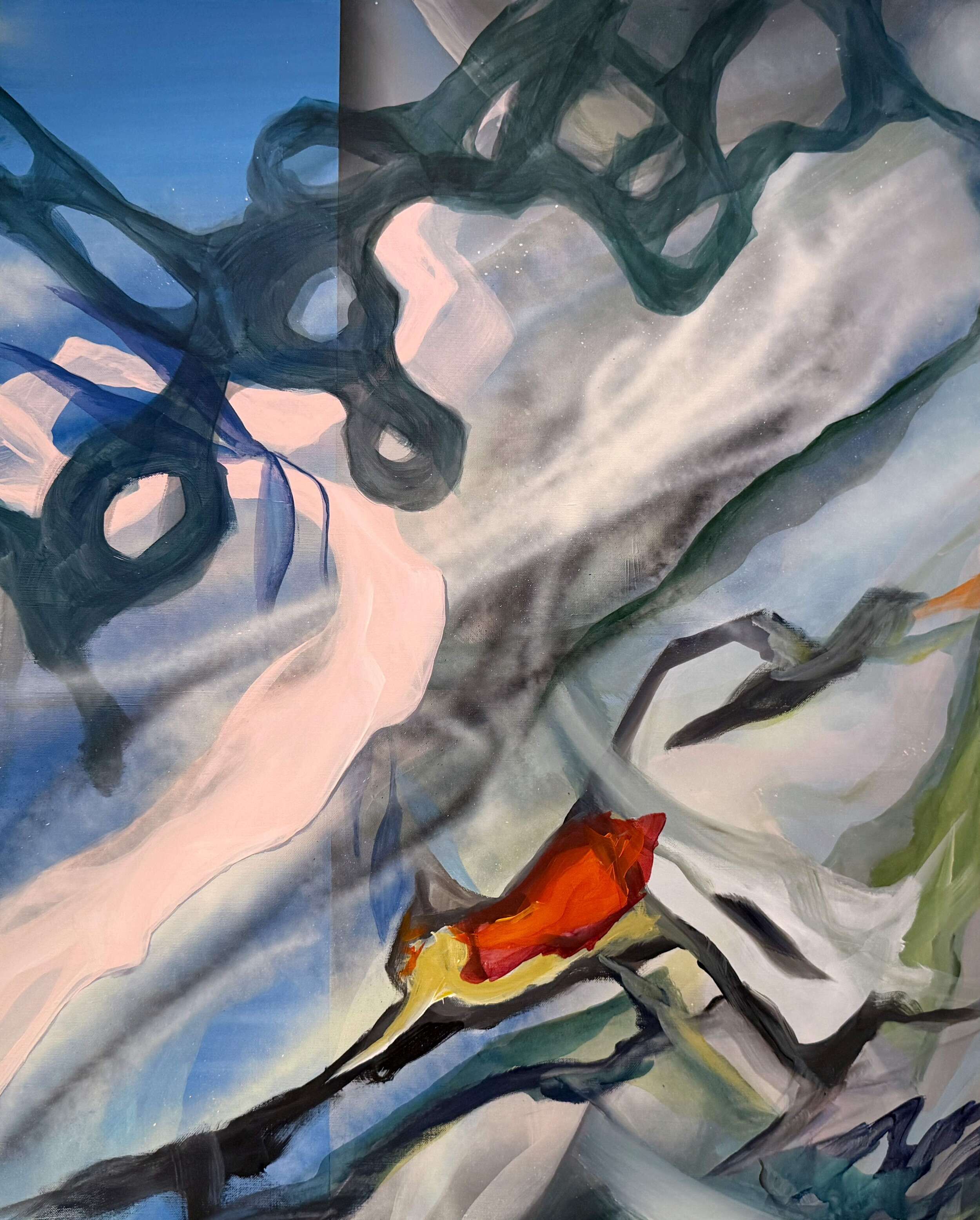
The Studierenden Kunstmarkt features many impressive artists who create fascinating oil paintings on canvas. Here you can discover young talent and buy oil paintings to expand or start your art collection at realistic prices. Not only do you support artists at the start of their creative journey, but you also have the opportunity to buy high-quality, original oil paintings at a fair price. Buy hand-painted oil paintings and invest at the same time – you can find out more about the best way to get started in art investment HERE.
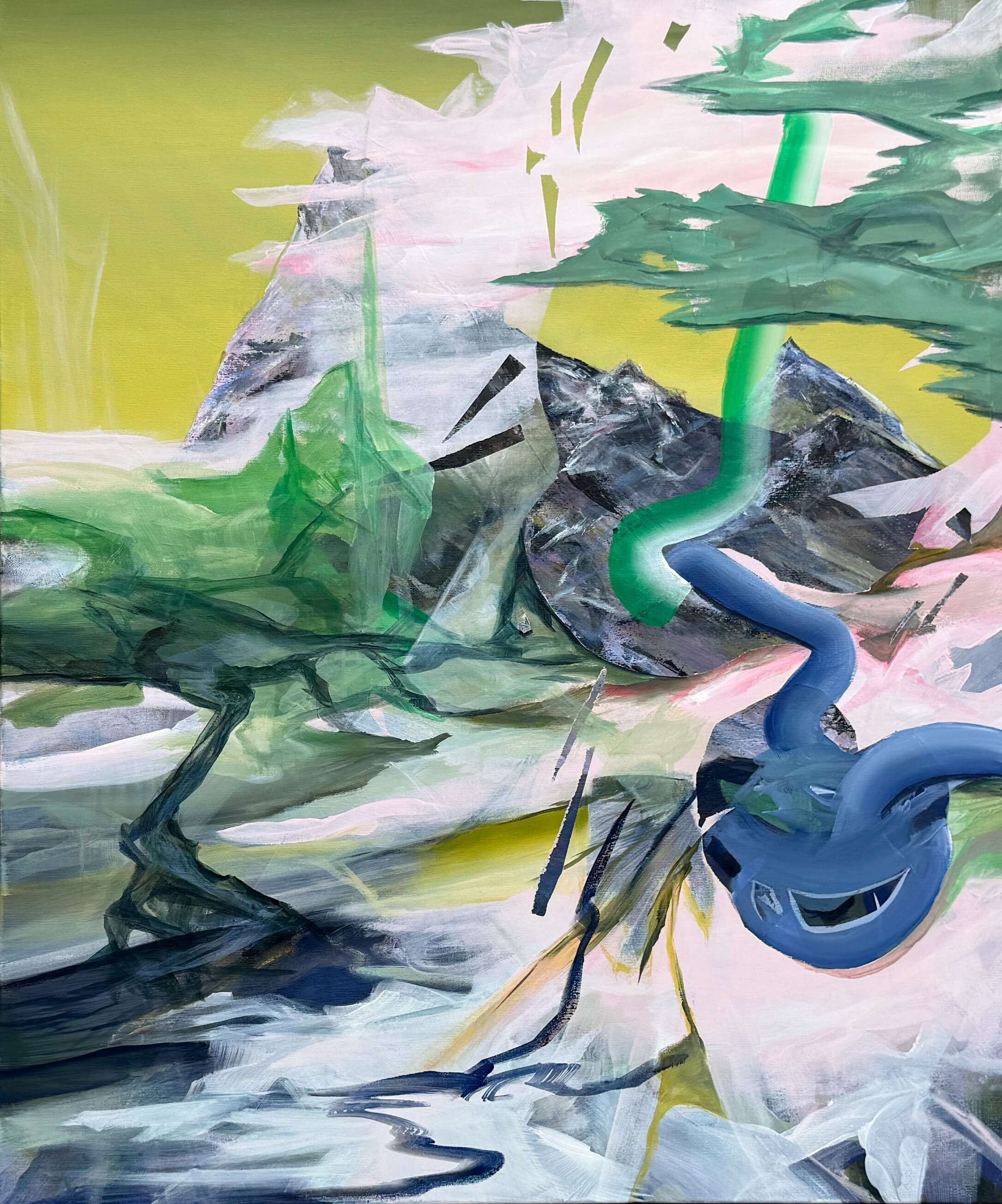
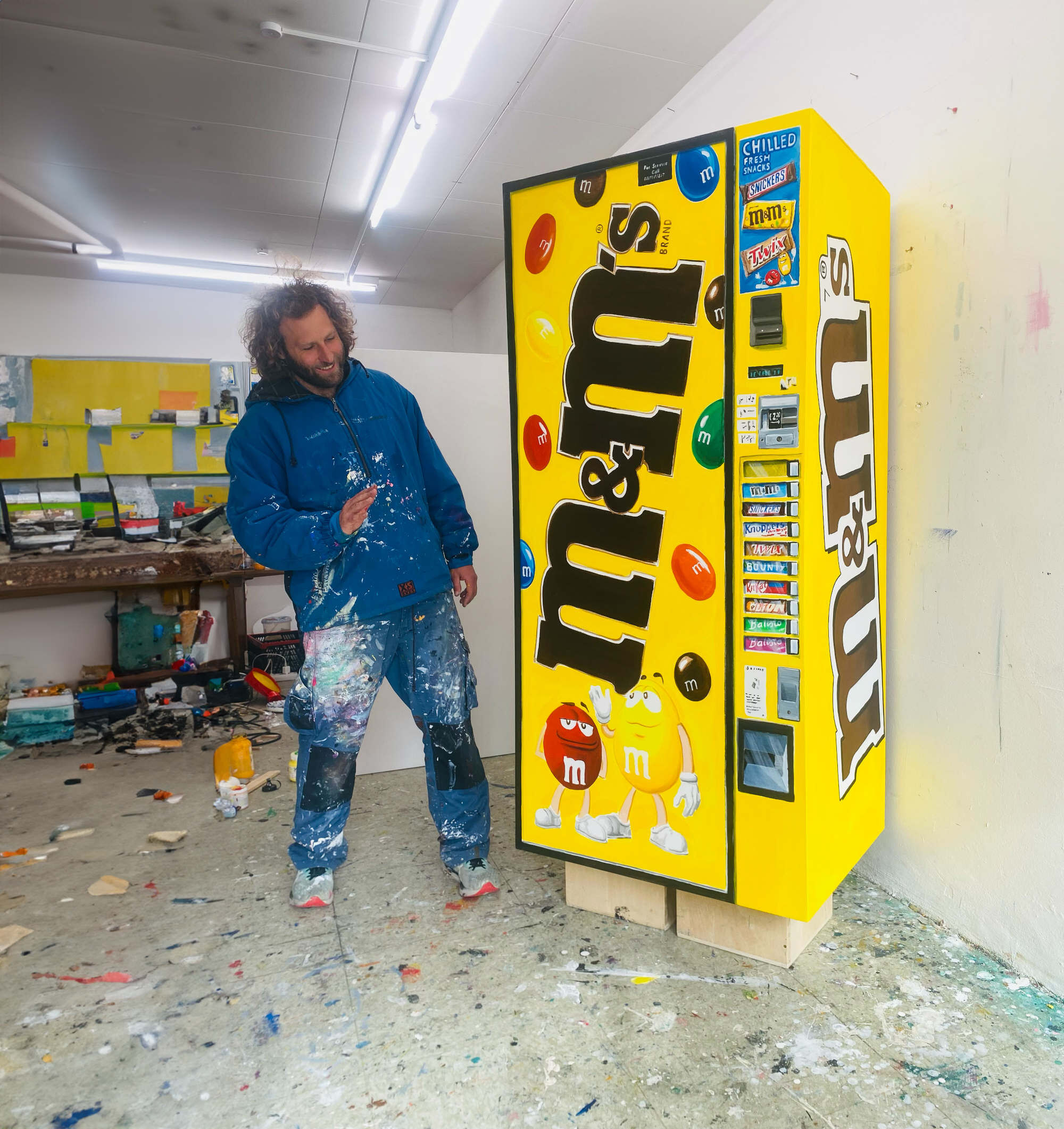
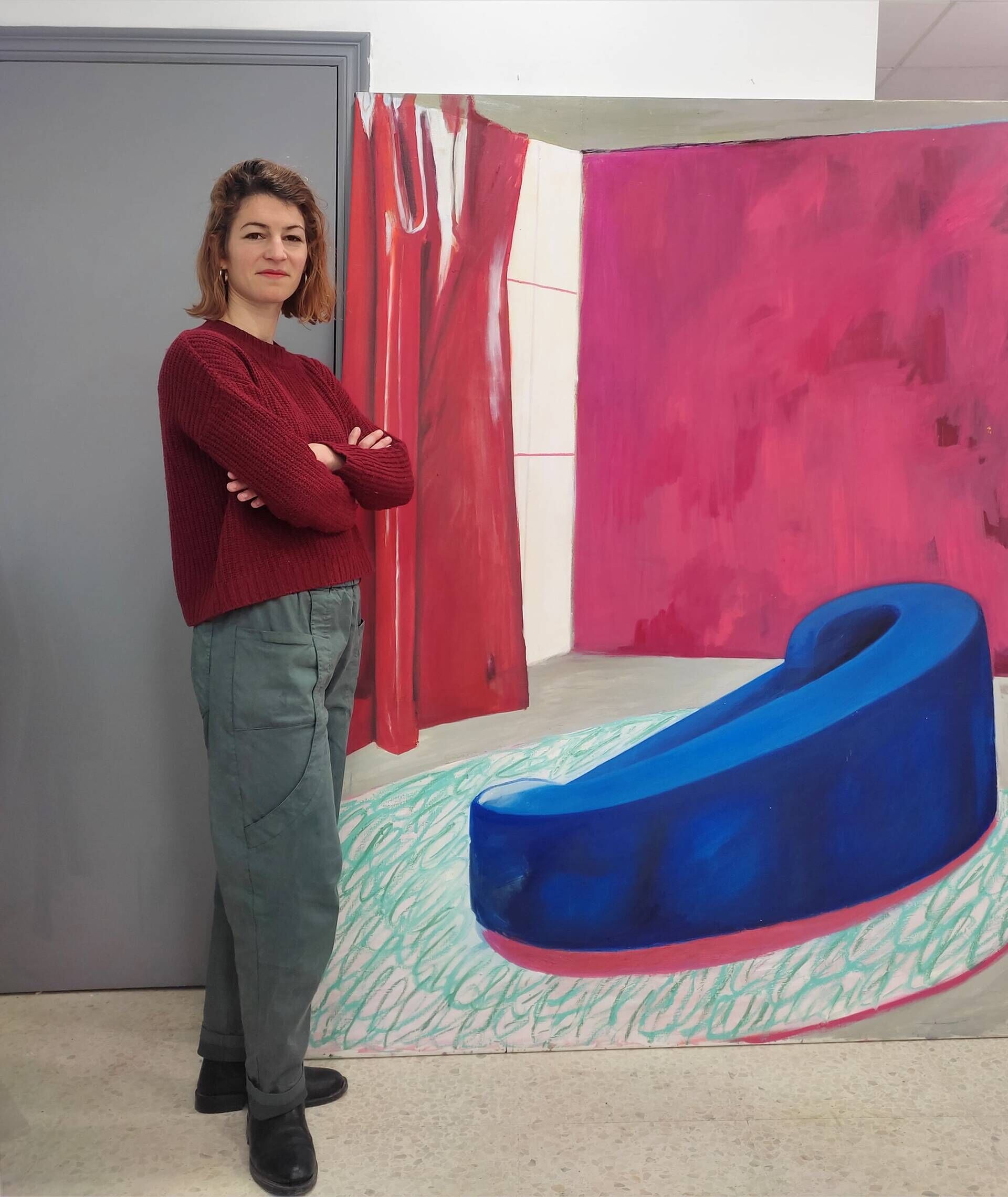
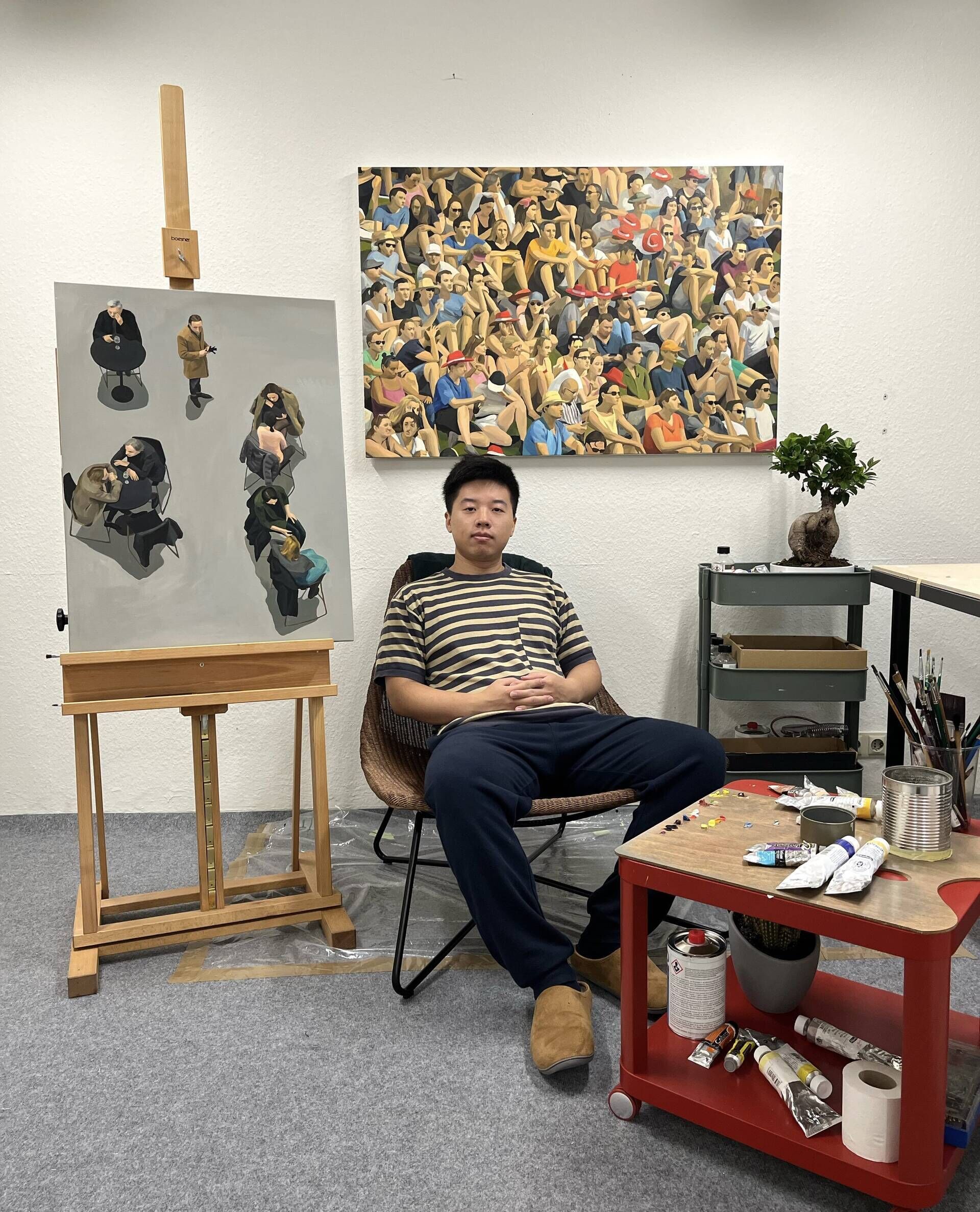
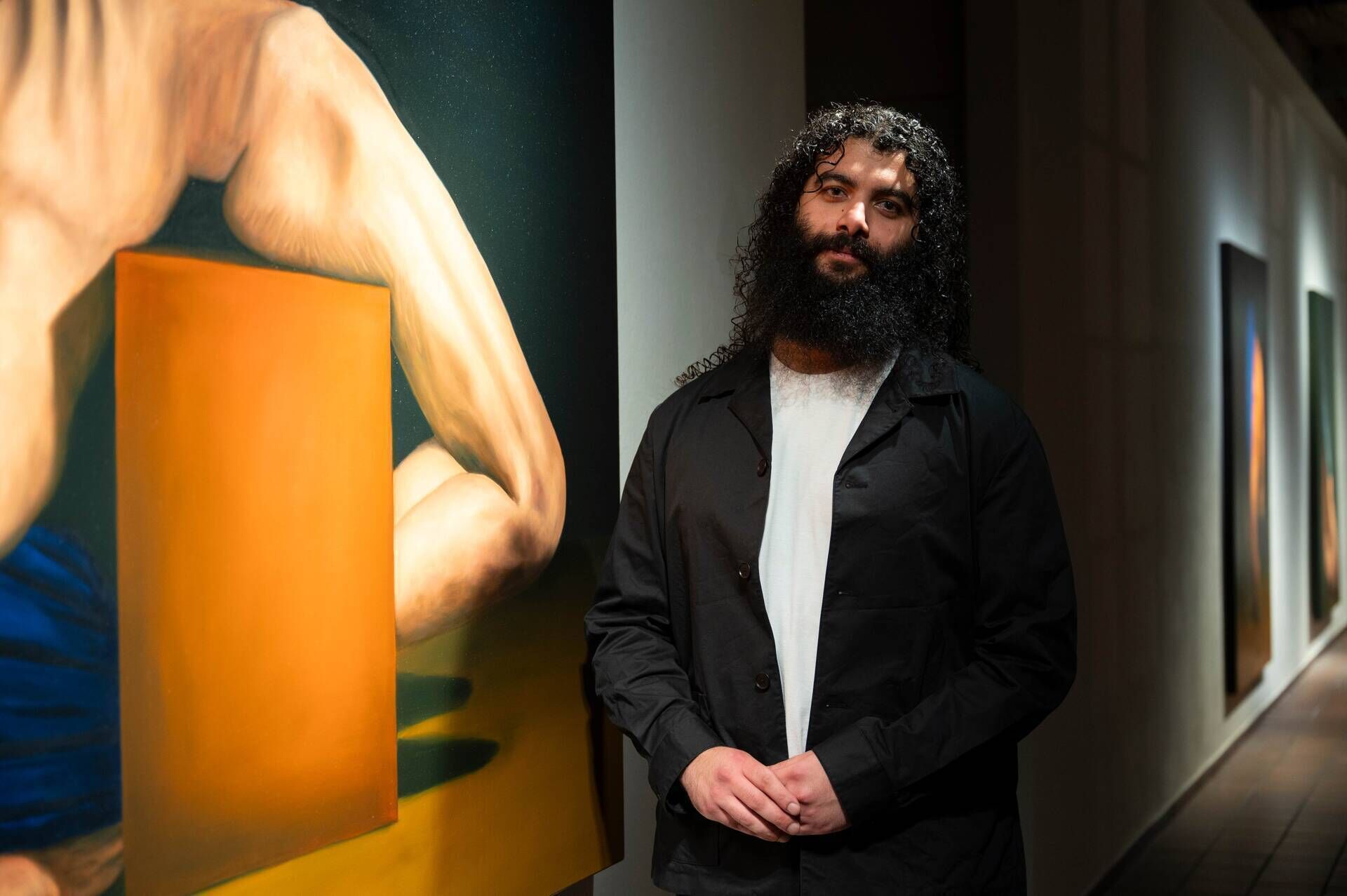
From abstract oil paintings to expressive figures and faces in oil, the artworks are as diverse as the SKM artists themselves. Discover the works of Sarah Hischemöller, Habiba El Kholy, Leonel Perez and more.
Frequently Asked Questions
Studierenden Kunstmarkt ist die führende Plattform im deutschsprachigen Raum für studentische Kunst. Sie ermöglicht Kunstinteressierten und KunstliebhaberInnen Kunstwerke direkt von Kunststudierenden zu kaufen und sie somit während des Studiums finanziell zu unterstützen.
Studierenden Kunstmarkt wurde 2020 von Erich Reich und seinem Bruder gegründet. Erich ist noch immer Geschäftsführer von Studierenden Kunstmarkt und hat es gemeinsam mit seinem Team geschafft, eine Plattform zu kreieren, die Kunstliebhaber, Kunstinteressierte und Kunststudierende zusammenzubringen. Bis heute ist Studierenden Kunstmarkt komplett selbst finanziert und hat keine externen Gelder von Investoren aufgenommen.
Zu jedem Zeitpunkt gibt es mehrere hundert Kunststudierende und mehrere tausend Kunstwerke auf Studierenden Kunstmarkt. Ein guter Einstieg, um einen ersten Überblick über die KünstlerInnen zu erhalten, ist die Kategorie KünstlerInnen des Monats.
Genau so wie normale Galerien, erhält Studierenden Kunstmarkt eine Provision pro verkauftem Bild. Damit wird der Betrieb der Plattform, die Instandhaltung, sowie die Angestellten von Studierenden Kunstmarkt finanziert. Zusätzlich unterstützen wir die Studierenden, stehen beratend bei allen Fragen zur Verfügung und schalten kostenlos Werbung für die Studierenden auf Instagram, Facebook, Google und unserem E-Mail Newsletter mit mehreren tausend KunstliebhaberInnen als Abonnenten.
Es gibt viele Möglichkeiten, wie du beginnen kannst, in junge Künstler:innen auf Studierenden Kunstmarkt zu investieren. Eine Möglichkeit ist es, dass du dich zu unserem kostenlosen E-Mail Kurs “In 7 Tagen zum Kunst Profi” anmeldest. Dort teilen wir ein paar basics mit dir und auch einige unserer Geheimtipps, welche Künstler:innen besonders viel Potential haben. Mehr erfahren
Take a look at our most popular artists at the Student Art Market
News banner