
by Matthea
Status: 08.28.2026
How much does an original painting cost? – Painting prices explained
Key points at a glance
- Painting prices depend on many factors: size, materials, technique, the artist’s reputation and market presence all influence the value of an original. Experience, exhibitions, provenance and demand also play a part in pricing. This article will help you better understand painting prices, recognise the differences between works of similar size and fairly assess the value of originals – whether for purchasing, investing or pricing your own work.
- This is particularly relevant for those new to buying art, collectors and artists who wish to price their works realistically and transparently. Start by comparing works in terms of size, materials used and the artists’ level of recognition. Pay attention to factors such as an artist’s individual development, exhibitions, market presence and the possibility of commissioned works as indicators of price.
- The examples and tips provide practical insights into how prices for paintings develop, what additional costs arise for framing or shipping, and how a clear, long-term pricing strategy builds trust: for both buyers and artists.
Das Schlafzimmer ist ein intimer Ort in dem man sich gut aufgehoben fühlen möchte. Hier verbringt man viel Zeit, in der man seine Umgebung nicht unbedingt immer bewusst wahrnimmt, aber die Stimmung des Raumes entscheidend ist. Kunst unterstützt dabei, eine beruhigende Atmosphäre zu schaffen, die dich wohlfühlen läast. Doch welche Kunst eignet sich am besten fürs Schlafzimmer? Vor allem Kunst mit ruhigen, wenig kontrastreichen Motiven und gedeckten, warmen oder kühlen Farbtönen wie Blau, Grün, Beige oder Terrakotta – etwa abstrakte Kompositionen, reduzierte Naturmotive oder sanfte Farbfeldmalerei. Wichtiger als das exakte Motiv ist, dass die Kunst zur Gesamtatmosphäre des Raumes passt und in einer Größe gewählt wird, die sich harmonisch ins Bett und die umgebende Wand einfügt. Ein einzelnes, hochwertiges Wandbild über dem Bett wirkt dabei meist ruhiger als viele kleine, unterschiedliche Bilder.
Understanding the price of an original painting: an overview of all the factors
The price of an original painting is determined by a multitude of factors that go far beyond the visible subject matter. Alongside artistic quality, the artist’s experience, training and profile, the size of the work, the materials used and the technique employed all play a central role in determining the price of a painting. Aspects such as uniqueness, originality, current market demand and the artist’s ongoing creative development also have a significant influence on value. Anyone buying art is therefore not only investing in an aesthetic object, but in a creative achievement with a personal style and potential for development.
Having a painting framed – costs
Professional framing of a work of art is an often underestimated but crucial factor in the pricing of paintings. It not only protects the work from environmental factors and damage, but also enhances its aesthetic impact. A frame can visually encapsulate a picture, create depth and guide the viewer’s gaze: in a sense, it acts as a stage for the artwork. A simple frame usually starts at around €150 to €300 with us, whilst high-quality options – such as those made from solid wood, as shadow-joint frames or as bespoke custom-made pieces – can easily cost between €300 and €800 or more. We’d be happy to advise and assist you with framing your artwork.
The price of a frame depends on the size, material and customisation of the artwork. Particularly with larger formats, the framing can account for a significant proportion of the total price. A carefully selected frame not only emphasises the style of the artwork but also lends it exclusivity and presence in the room. So, having an original painting professionally framed is an investment in both the visual perfection and the increased value of your artwork – a decision that pays off in the long term.
Commissioning a painting – costs
Commissioned works, also known as commissions, are naturally more expensive than existing works, as they are created entirely from scratch and tailored to the client’s specifications. Anyone who commissions a painting in this way receives a unique work of art that corresponds exactly to their personal vision: from the subject matter and choice of colours right through to the size. We also offer this service. Having a painting commissioned is reflected in the price of the painting. The prices for commissioned works at the Student Art Market often range from €1,000 to €4,000; depending on the size, complexity and experience of the artists, the price may also be higher.
The prices for these artworks include not only the finished piece, but also the in-depth consultation, any necessary rounds of revisions and the exclusivity of the result. A bespoke painting thus becomes a deeply personal expression that is by no means interchangeable. It is precisely this closeness to the creative process, the personal involvement and the uniqueness that give a commissioned work its special value – both artistically and emotionally – whilst also offering significant potential for long-term appreciation in the value of the paintings.
Shipping paintings – costs
The cost of shipping an original painting is also an important factor in the price of the painting, one that should not be underestimated. Unlike conventional parcels, art requires particular care and security to ensure the work arrives undamaged. For smaller works, shipping costs at the Student Art Market are usually between €50 and €100, whilst larger paintings or longer transport routes often require the use of a professional art transport company. Here, costs start at around €200 and upwards.
In addition, there are costs for secure packaging materials, the time required for careful preparation, and extras such as certificates of authenticity or personal inserts. The standards for safety and quality are particularly high, especially for unique pieces from the Student Art Market. Having an original work shipped professionally not only safeguards the physical artwork but also preserves its emotional and sentimental value.

How can I work out the price of a painting?
Determining the price of a painting is not an exact science, but rather a combination of objective factors and subjective perception. Whilst certain criteria such as size, materials or the time taken to create the work are relatively easy to assess, artistic quality, style and demand also play a decisive role. In the contemporary art market in particular, it is worth taking a closer look at painting prices: comparative values of similar works, as well as the artist’s career trajectory, provide a good guide. Ultimately, a painting’s price is always determined by the interplay between artistic value and market interest.
The actual price of the artwork forms the basis for all other costs associated with a painting. On the student art market, original works often range in price from a few hundred to several thousand euros. The price depends largely on various factors: the size of the work influences the materials used and its presence in a space, whilst the artist’s reputation and career trajectory shape its market value. The chosen technique – whether oil, acrylic or mixed media – as well as the amount of work involved and the level of detail also play a key role. Particularly with emerging artists, there is often an opportunity to acquire high-quality originals at comparatively fair prices, as their market value is still developing.
At first glance, calculating the price of a painting often seems difficult to understand; after all, there is no fixed ‘price index’ in the art market as there is in other sectors. Instead, pricing is based on individual factors arising from the artwork, the artist and the market environment. A helpful concept for gaining a better understanding here is the so-called ‘artist factor’: it provides a clear basis by incorporating aspects such as experience, visibility and artistic development into the pricing process. This makes it easier to understand why two works of similar size might cost different amounts and how painting prices evolve over the course of a career. For buyers, this means greater transparency, whilst artists are provided with a structured method for realistically valuing their work, taking into account factors such as commissions, taxes and market positioning.
The Artist Factor and its impact
Online calculator: Artist factor & art prices

The most expensive paintings – prices
The world’s most expensive paintings now fetch sums of several hundred million dollars. The top sales alone add up to billions. This market is led by icons such as Leonardo da Vinci, whose works significantly outprice all others, as well as artists such as Pablo Picasso, Gustav Klimt or Claude Monet, who regularly feature among the top ranks. How much a painting ultimately fetches depends on several factors: its art-historical significance, rarity, condition, provenance and, above all, international demand. In the case of historic works, the costs of restoring the painting may also be a factor. Many record prices are achieved at public auctions, whilst a large part of the market operates behind the scenes through private sales, the sums involved in which are often not fully transparent.
At the same time, these extreme examples demonstrate the enormous potential for appreciation in value that art can hold – even if such record prices are not the norm. From emerging talent to established figures, the value of a work can evolve significantly over the years, particularly as visibility, collector demand and market presence increase. Even contemporary artists such as Banksy illustrate how dynamism, presentation and attention can influence prices. Art thus combines aesthetic, cultural and economic value and is increasingly attracting interest as a long-term investment – particularly for those who invest early in promising artists.




Frequently Asked Questions about Painting Prices
Blau- und Grüntöne gelten als besonders beruhigend und werden häufig mit gesenktem Puls und entspannterem Schlaf in Verbindung gebracht. Auch sanfte Erdtöne wie Beige, Sand oder gedecktes Braun schaffen eine warme, ruhige Atmosphäre im Schlafzimmer.
Als Faustregel gilt, dass das Bild maximal etwa zwei Drittel der Bett- beziehungsweise Kopfteilbreite einnehmen sollte. Bei mehreren kleineren Bildern kannst du dich stattdessen an der Gesamtbreite dieser Bettbreite orientieren.
Die Unterkante des Bildes sollte etwa 15 bis 20 Zentimeter über dem Kopfteil des Bettes sitzen. Alternativ orientierst du dich an einer Bildmitte von rund 150 Zentimetern über dem Boden, was ungefähr der durchschnittlichen Augenhöhe entspricht.
Ja, abstrakte Kunst eignet sich sehr gut fürs Schlafzimmer, solange Farben und Komposition eher ruhig gehalten sind. Reduzierte Farbflächen und weiche Formen lassen sich zudem leicht in ein bestehendes Farbkonzept einbinden.
Beides hat seine Berechtigung: Ein Kunstdruck ist flexibler und günstiger, während ein Original-Gemälde ein einzigartiges Unikat ist, das es kein zweites Mal gibt. Für den persönlichsten Raum der Wohnung entscheiden sich viele bewusst für ein Original.
Frequently Asked Questions
Studierenden Kunstmarkt ist die führende Plattform im deutschsprachigen Raum für studentische Kunst. Sie ermöglicht Kunstinteressierten und KunstliebhaberInnen Kunstwerke direkt von Kunststudierenden zu kaufen und sie somit während des Studiums finanziell zu unterstützen.
Studierenden Kunstmarkt wurde 2020 von Erich Reich und seinem Bruder gegründet. Erich ist noch immer Geschäftsführer von Studierenden Kunstmarkt und hat es gemeinsam mit seinem Team geschafft, eine Plattform zu kreieren, die Kunstliebhaber, Kunstinteressierte und Kunststudierende zusammenzubringen. Bis heute ist Studierenden Kunstmarkt komplett selbst finanziert und hat keine externen Gelder von Investoren aufgenommen.
Zu jedem Zeitpunkt gibt es mehrere hundert Kunststudierende und mehrere tausend Kunstwerke auf Studierenden Kunstmarkt. Ein guter Einstieg, um einen ersten Überblick über die KünstlerInnen zu erhalten, ist die Kategorie KünstlerInnen des Monats.
Genau so wie normale Galerien, erhält Studierenden Kunstmarkt eine Provision pro verkauftem Bild. Damit wird der Betrieb der Plattform, die Instandhaltung, sowie die Angestellten von Studierenden Kunstmarkt finanziert. Zusätzlich unterstützen wir die Studierenden, stehen beratend bei allen Fragen zur Verfügung und schalten kostenlos Werbung für die Studierenden auf Instagram, Facebook, Google und unserem E-Mail Newsletter mit mehreren tausend KunstliebhaberInnen als Abonnenten.
Es gibt viele Möglichkeiten, wie du beginnen kannst, in junge Künstler:innen auf Studierenden Kunstmarkt zu investieren. Eine Möglichkeit ist es, dass du dich zu unserem kostenlosen E-Mail Kurs “In 7 Tagen zum Kunst Profi” anmeldest. Dort teilen wir ein paar basics mit dir und auch einige unserer Geheimtipps, welche Künstler:innen besonders viel Potential haben. Mehr erfahren
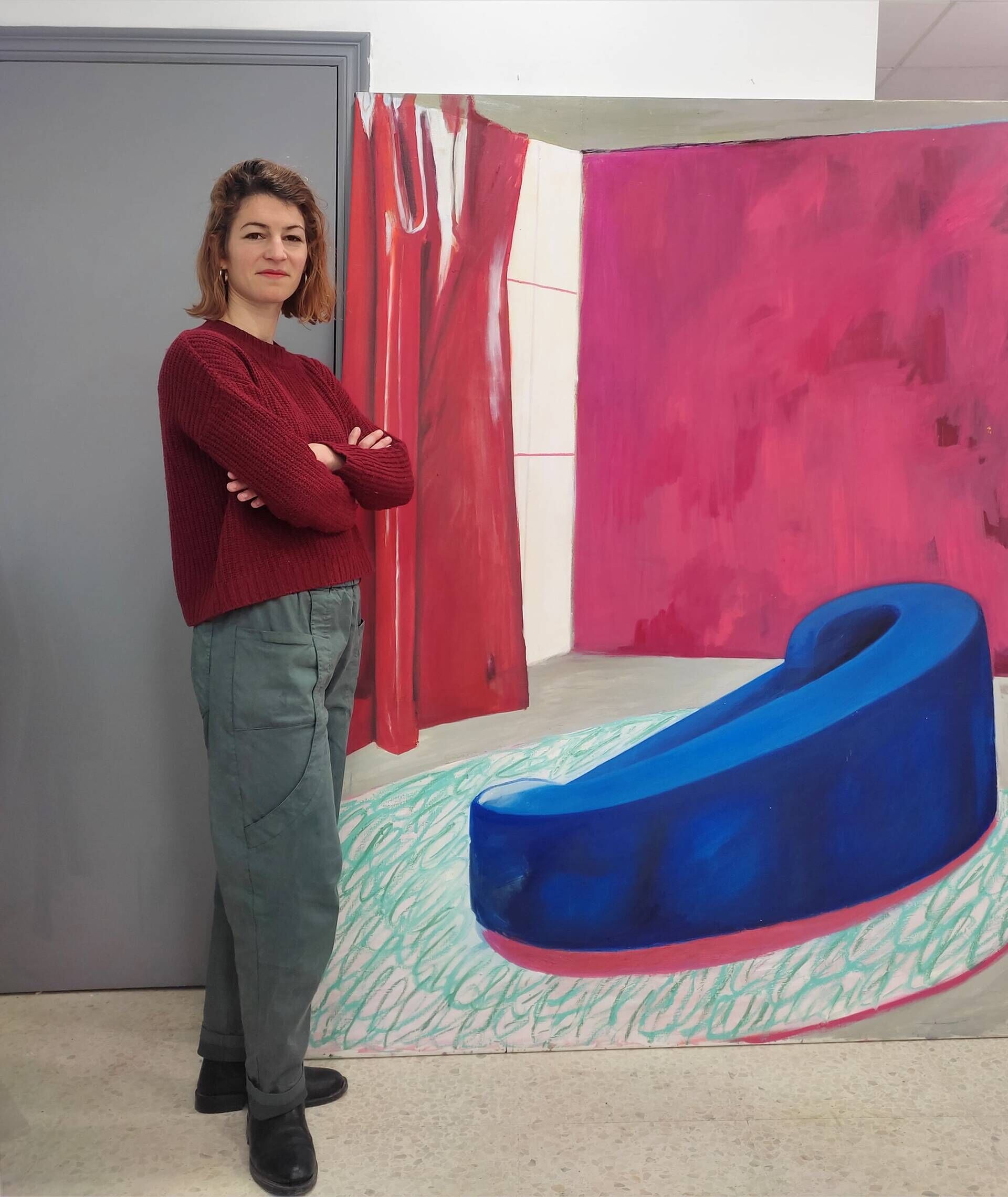
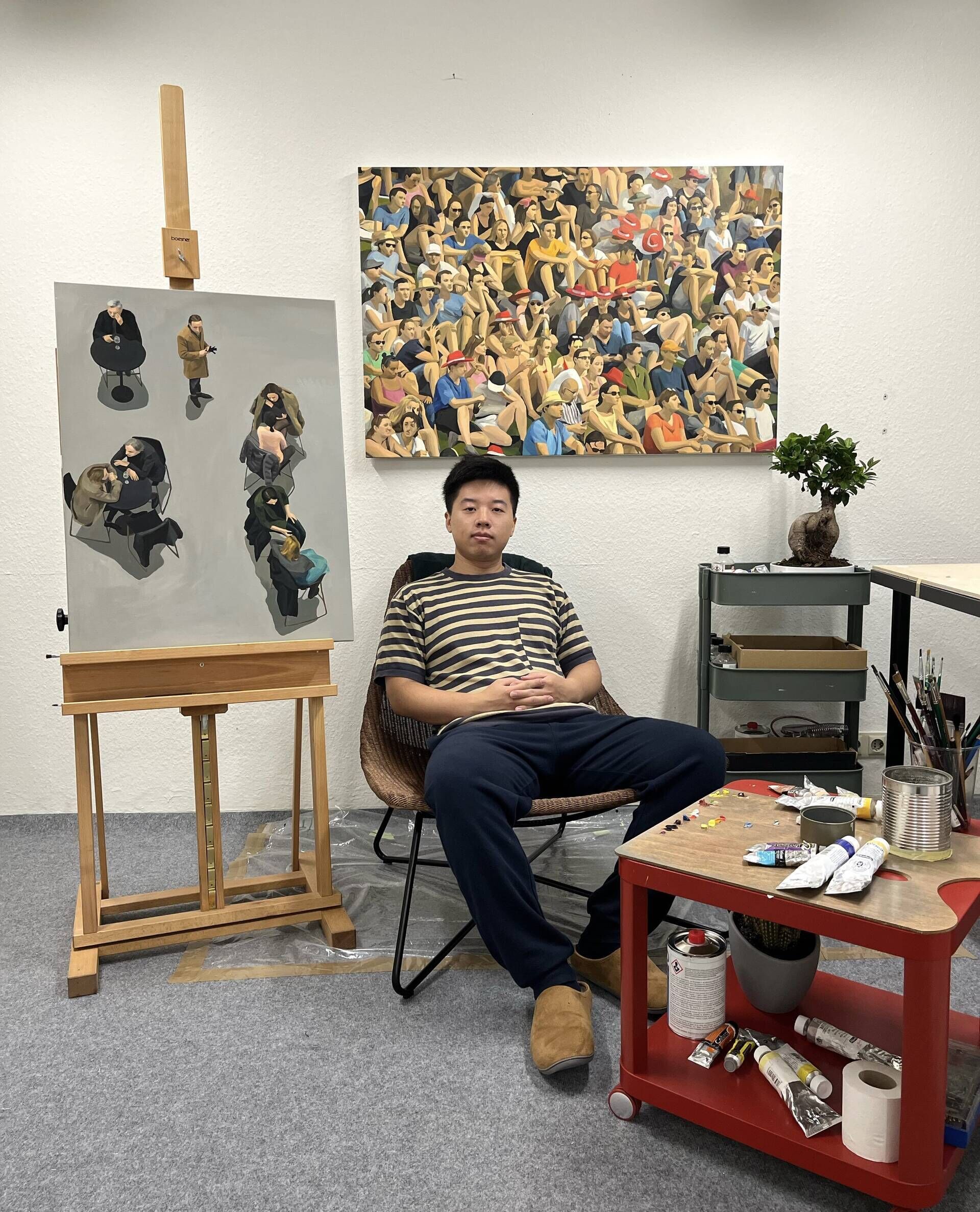
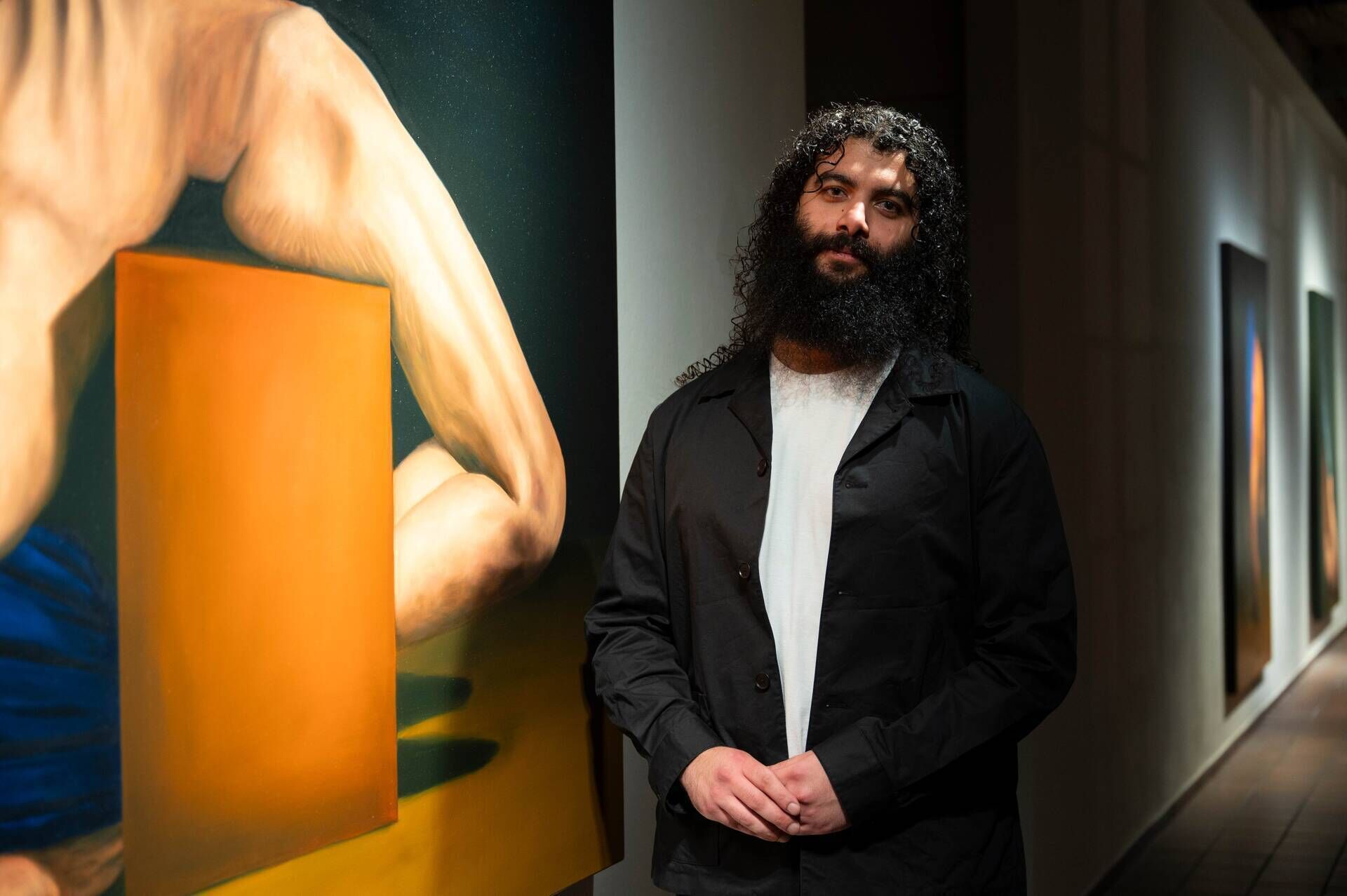
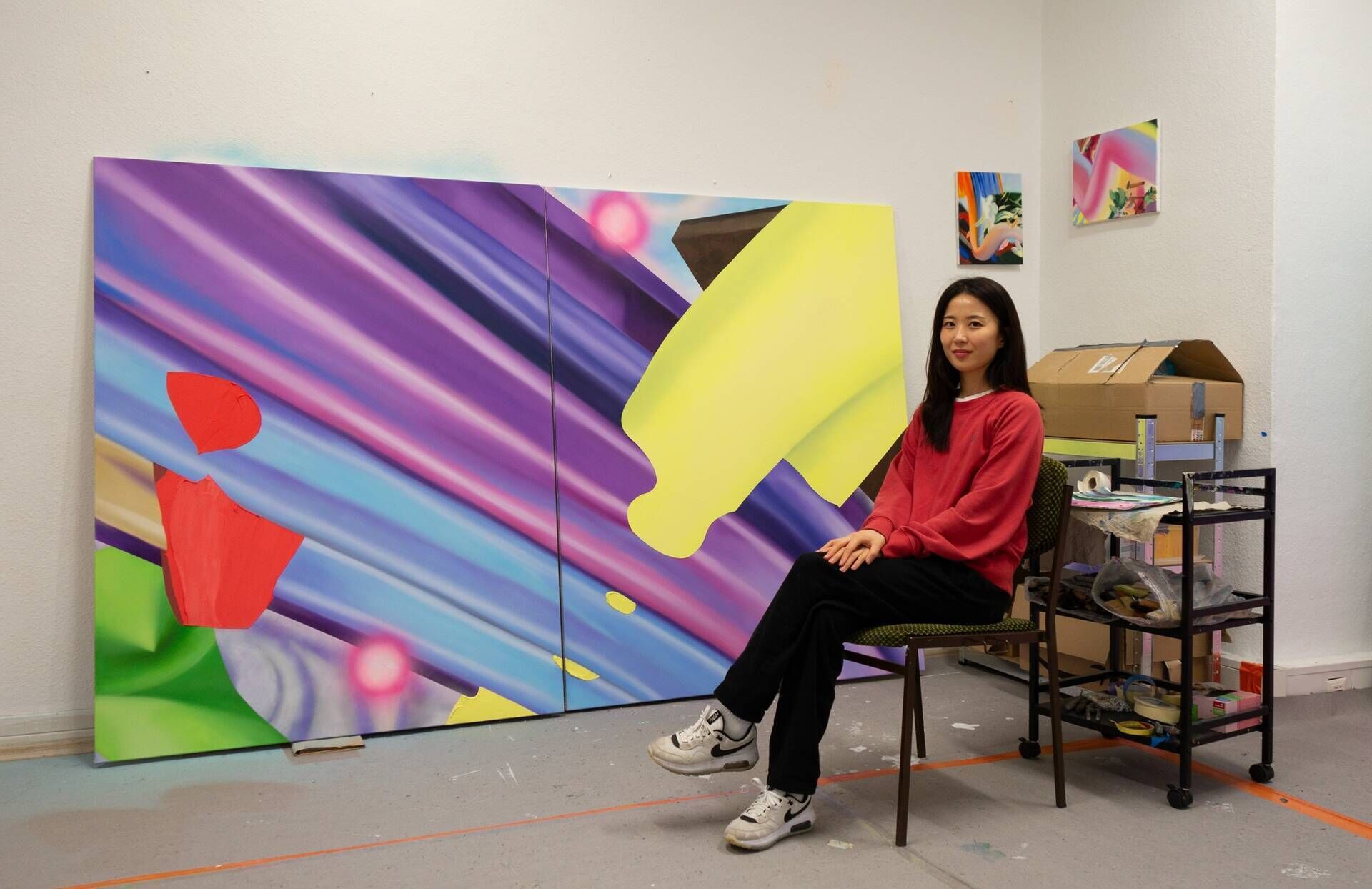
Take a look at our most popular artists at the Student Art Market




News banner