
by Evelina
Status: 07.19.2026
Buying Art, or: How to Help Shape Art History
Key points at a glance
- Buying art means more than simply owning a piece: you’re supporting artists, shaping cultural developments and laying the foundations for a collection that can grow in both intrinsic and potential financial value.
- This article explains why art is an attractive long-term investment in culture, creativity and personal quality of life, and how collectors’ decisions help shape the visibility and careers of artists.
- Particularly relevant for art enthusiasts, aspiring collectors and anyone looking to build their first art collection or to discover and support young artists at an early stage.
- Start by defining your personal interests, comparing different works and artists, seeking advice and approaching your first art purchase with care.
Every art collection begins with the acquisition of a single work. Although art is comparatively rarely regarded as a traditional form of investment, works of art have, over the centuries, proved to be far more than merely decorative objects. They are cultural assets, tangible assets and, not infrequently, investments whose value can increase over time . Unlike shares or property, however, art offers not only a form of wealth that can be experienced directly, but also the opportunity to help shape cultural developments. Anyone who acquires art is not merely making a personal or financial decision: every collection influences which works remain visible, which artists are supported, and which perspectives become part of art history in the long term .
I like my money where I can see it – Art as an everyday experience
A painting, a sculpture or a photograph does not exist merely as a figure on a bank statement or on a digital platform. Art becomes part of our own living space, shapes the environment in which we live and work, and reflects personal interests, values and perspectives. Unlike many objects, art does not generally wear out through use, but rather gains in significance and value through its ongoing contemplation and engagement. Good works of art tend to remain relevant even amidst social change, or to take on new meanings. In this respect, the experience of art ownership proves to be a varied journey, which, beyond financial speculation, has a direct impact on everyday life.
Tastemaking: Art Collections as Cultural Assets
The value of a collection is not measured solely by its size, but above all by its quality, the decisions that shape it, and the passion behind them . Those who recognise a work’s potential rarely invest solely in its market value. The most compelling collections arise where works are acquired out of genuine interest and personal conviction. Some focus on a single medium or a theme. Others are guided solely by personal taste. The fact is that the collection itself – often understood as the interplay of its individual components or as historical documentation – develops a life of its own. This influences both its value and its cultural significance; it is not uncommon for collections to be better known than individual works of art or to be acquired by museums.
Supply and demand? The invisible hand of collectors
In fact, much of the public’s attention is focused on the top segment of the art market, such as the international auction scene and the record sums for which historical cultural artefacts change hands. Yet the history of collecting rarely begins there. By the time a work attains such cultural and financial significance, decades have usually passed during which collectors have recognised its potential, believed in its importance and contributed to its visibility . This ongoing demand not only boosts the value of the work but also feeds back into its production. In turn, supporting artistic development helps to enable artists to build careers with long-term prospects.
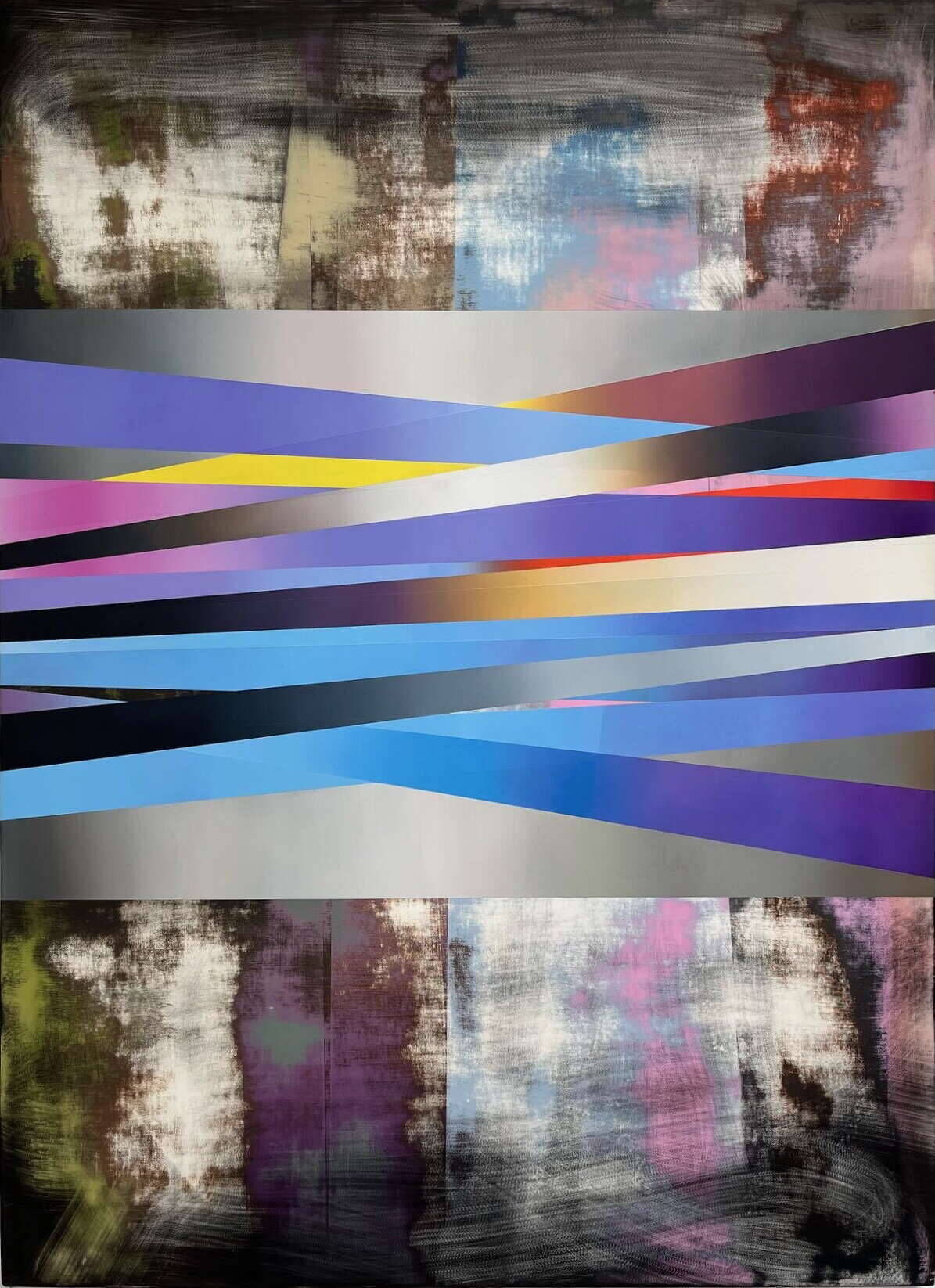




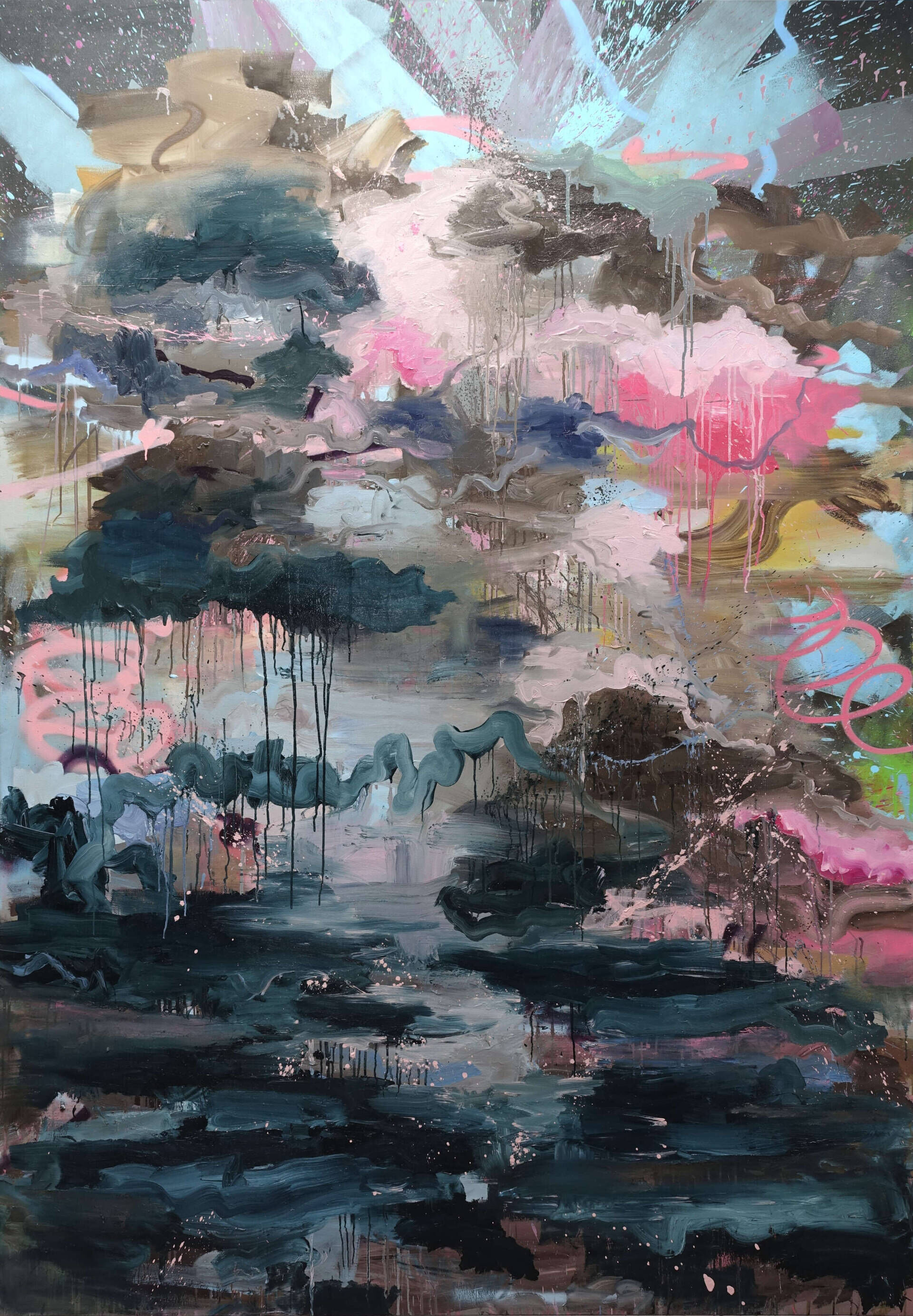

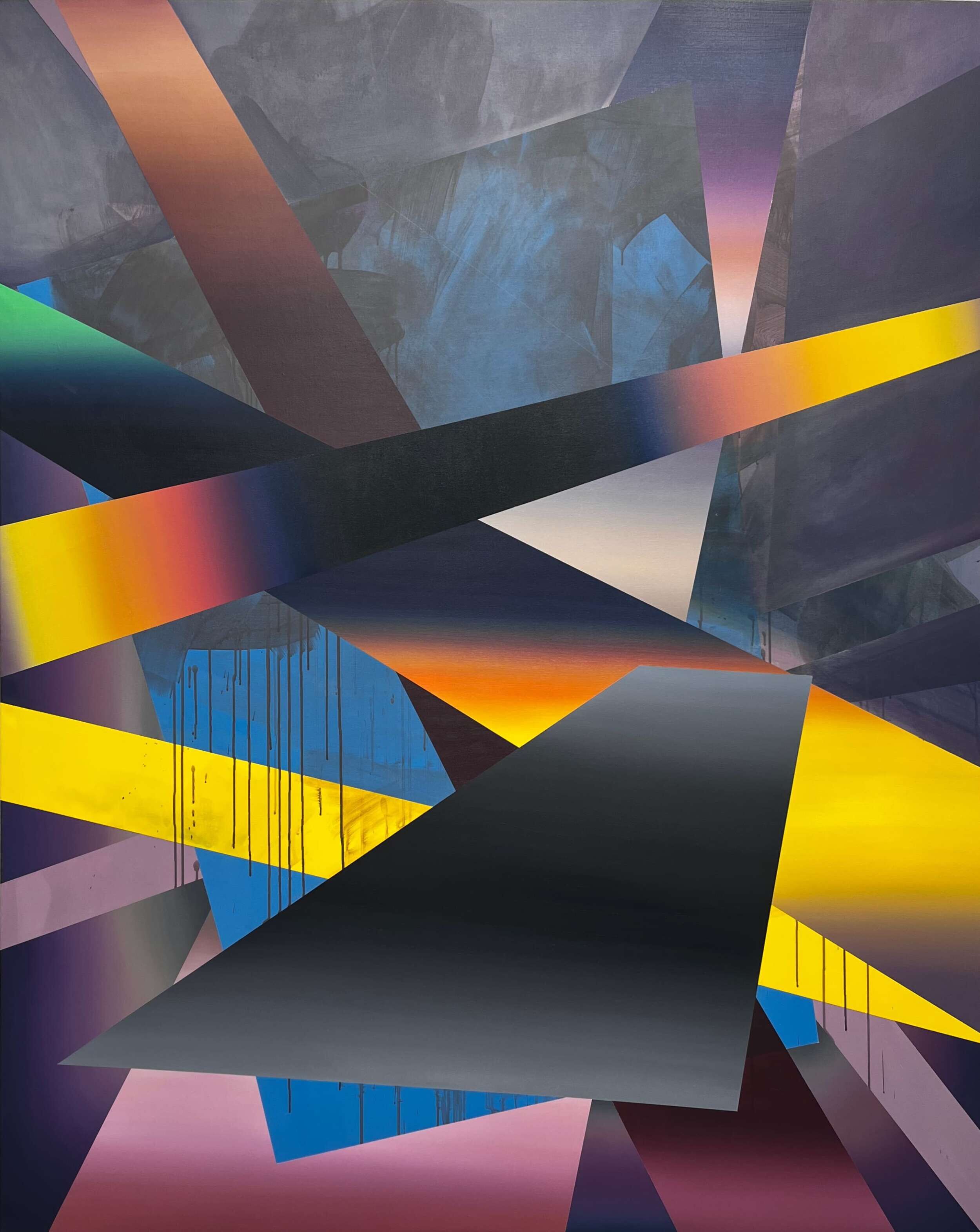

Making History!
The fact that historical works of art have survived to the present day is primarily due to the commitment of patrons, benefactors and collectors. No art-historical analysis can do without examining the provenance of artefacts , for art history is shaped not only by artists but also by a multitude of cultural figures. From antiquity through the Renaissance to the modern era , those who acquire or commission art have proved to be key enablers and trailblazers of culture; a role no less responsible, which has always been associated with social prestige.
The first steps
Anyone wishing to build up an art collection need not be an expert, nor do they need to invest large sums immediately . What matters most are curiosity, patience and a willingness to engage with art. The earlier you start, the greater the chance of discovering works before they attract widespread attention. Like any investment, buying art also involves uncertainties. Building a broadly diversified collection can help to spread the risk. Regardless of your budget, the following basic steps are a good place to start :
- Define your own interests and potential areas of focus for your collection
- Discover artists and artistic approaches on the student art market
- Compare artworks and understand their context
- Book a free art consultation with our founder, Erich Reich
- Clarify any questions you may have about artists, artworks, prices and development opportunities
- Take the plunge and make your first purchase
- Develop your own collection step by step

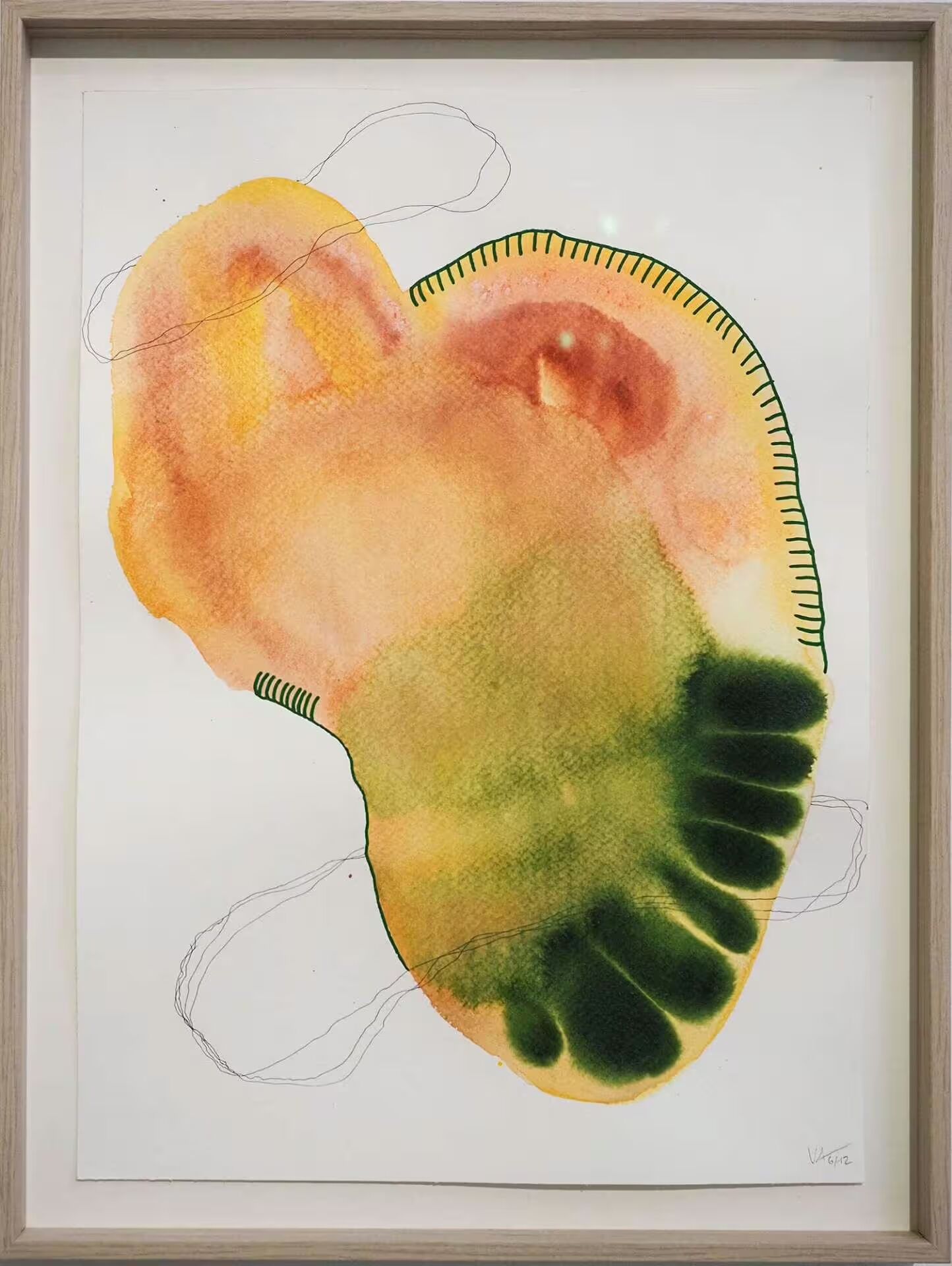
Why art?
In an increasingly fast-paced and digital world, art offers something rare: permanence. Works of art outlast economic cycles, technological developments and generations. They preserve stories, ideas and cultural meanings that have an impact far beyond the time of their creation. Every acquisition thus becomes part of a larger narrative, a narrative that reflects not only the vision of the artists, but also the journey of the collectors. Ultimately, investing in art is more than just the prospect of a financial return. It is an investment in culture, knowledge, creativity and new perspectives. It offers the opportunity to support artistic creation , to enrich one’s own everyday life and to build a collection whose material and intangible value can grow over many years.
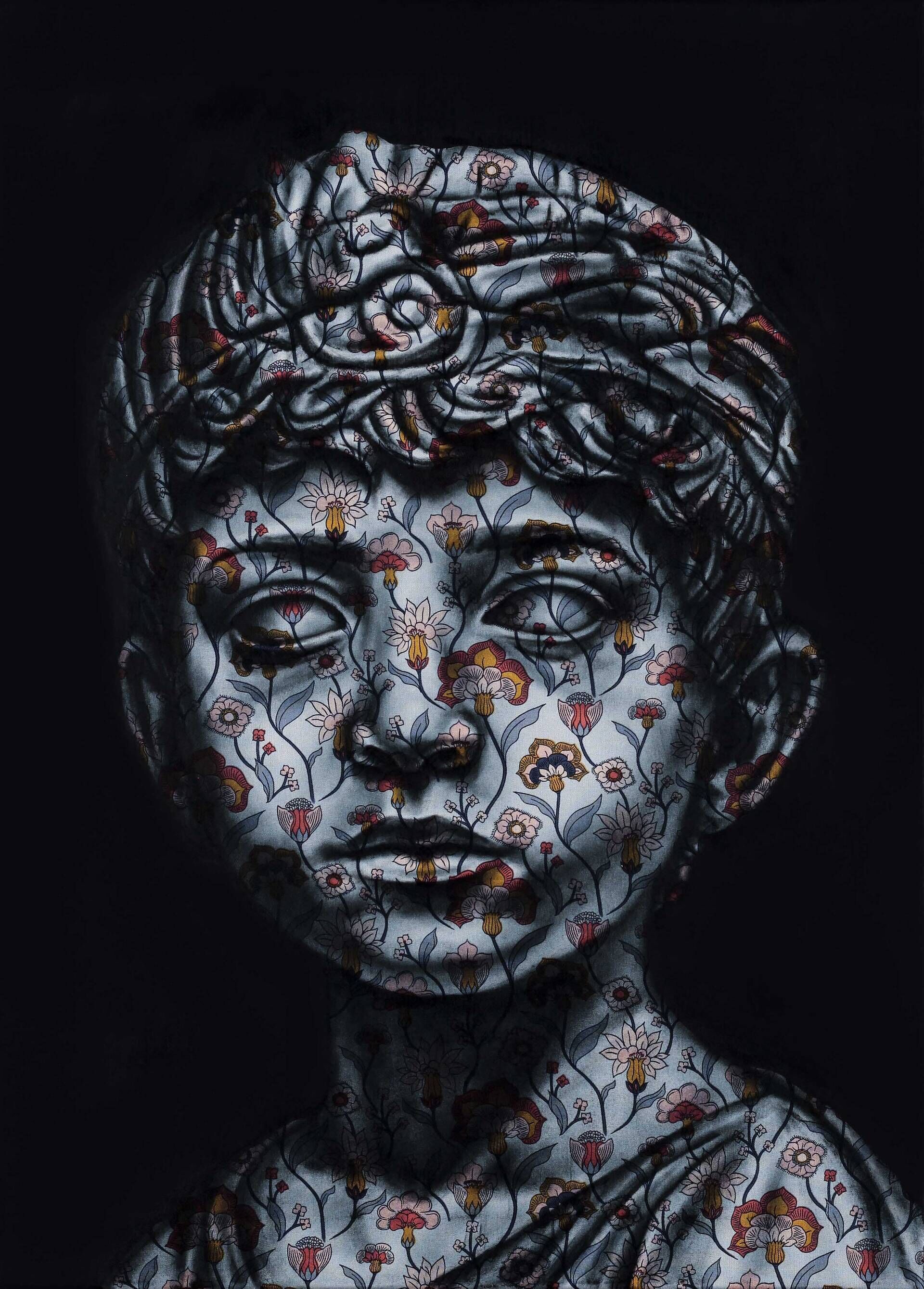
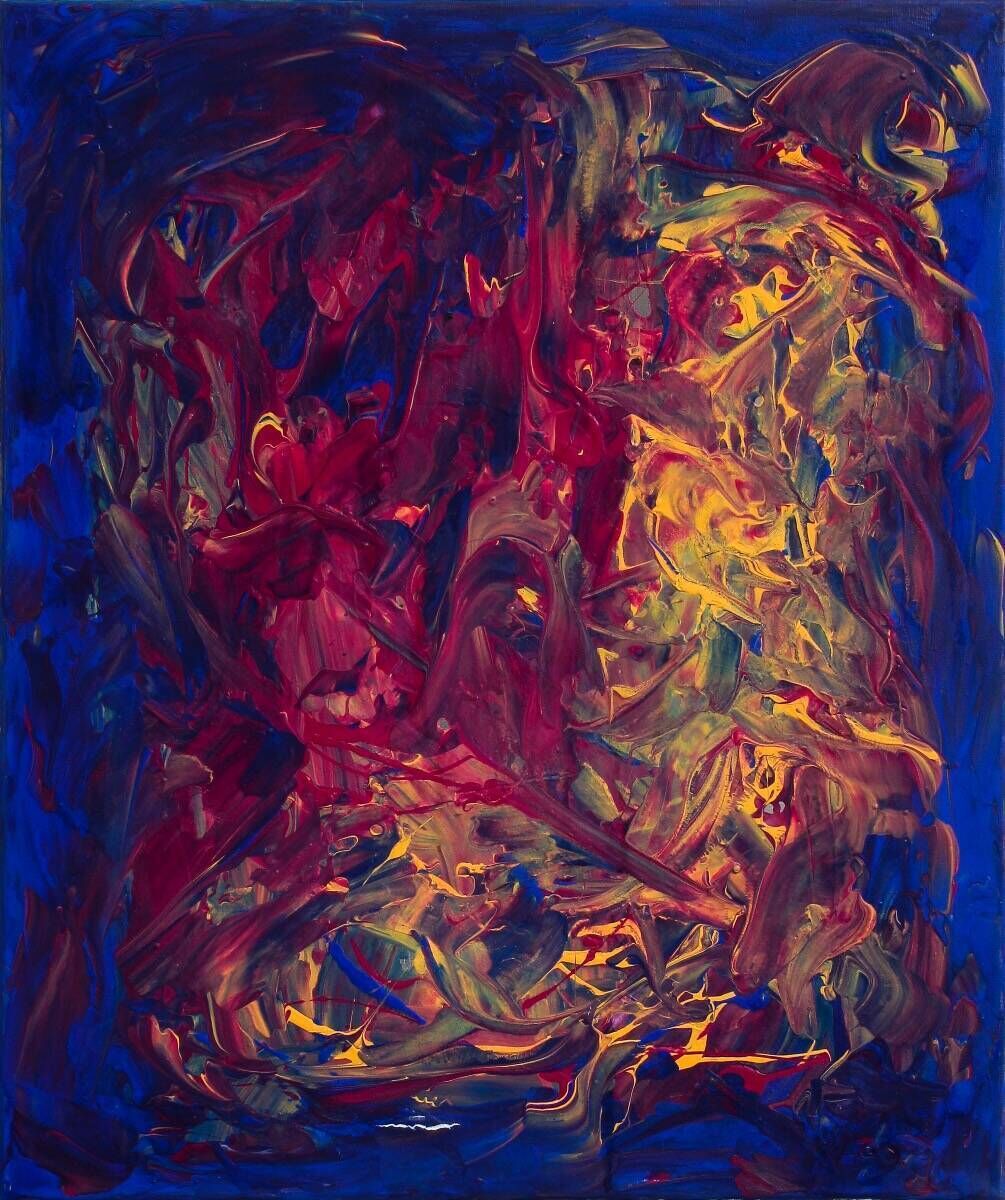
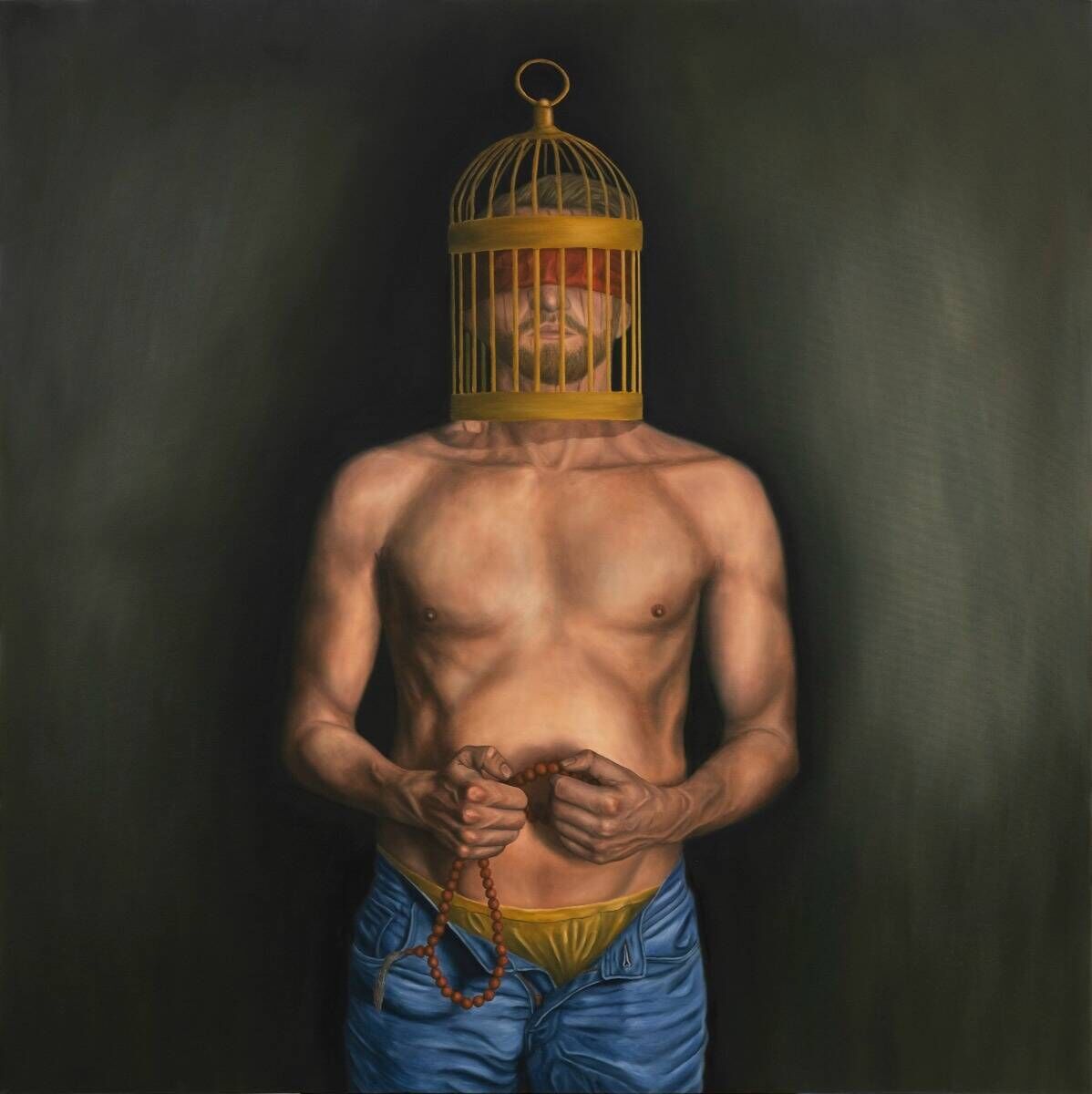
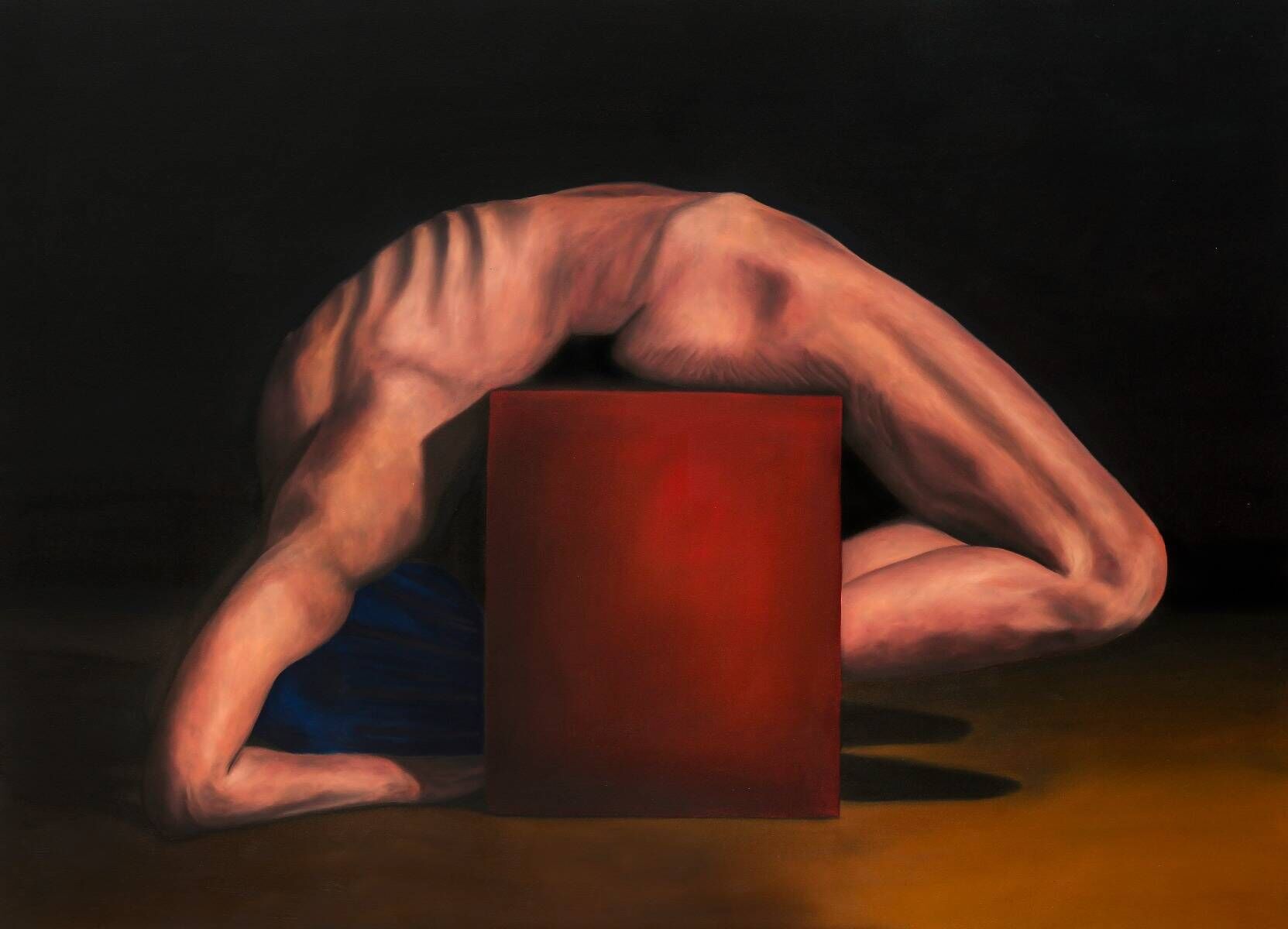
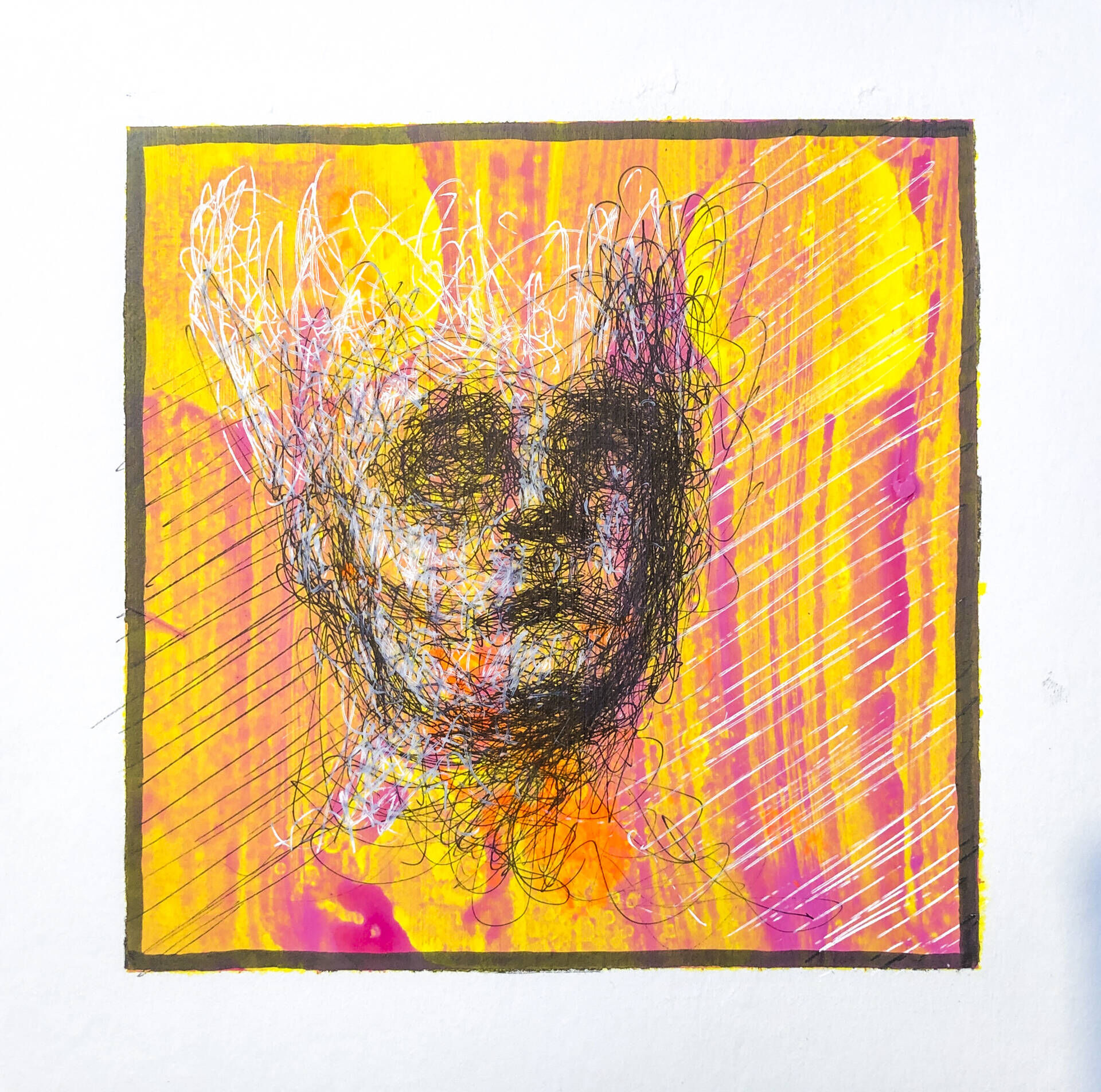
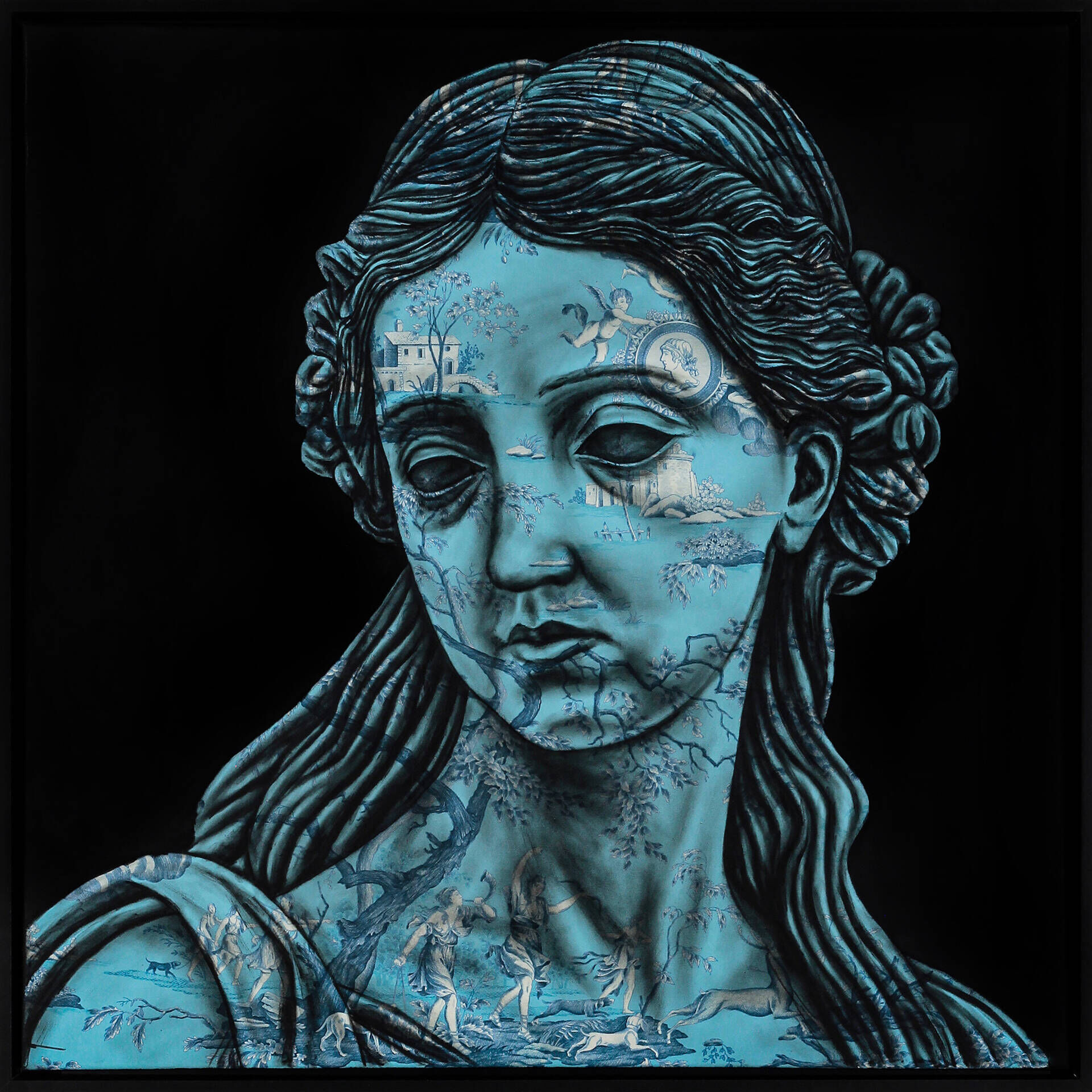
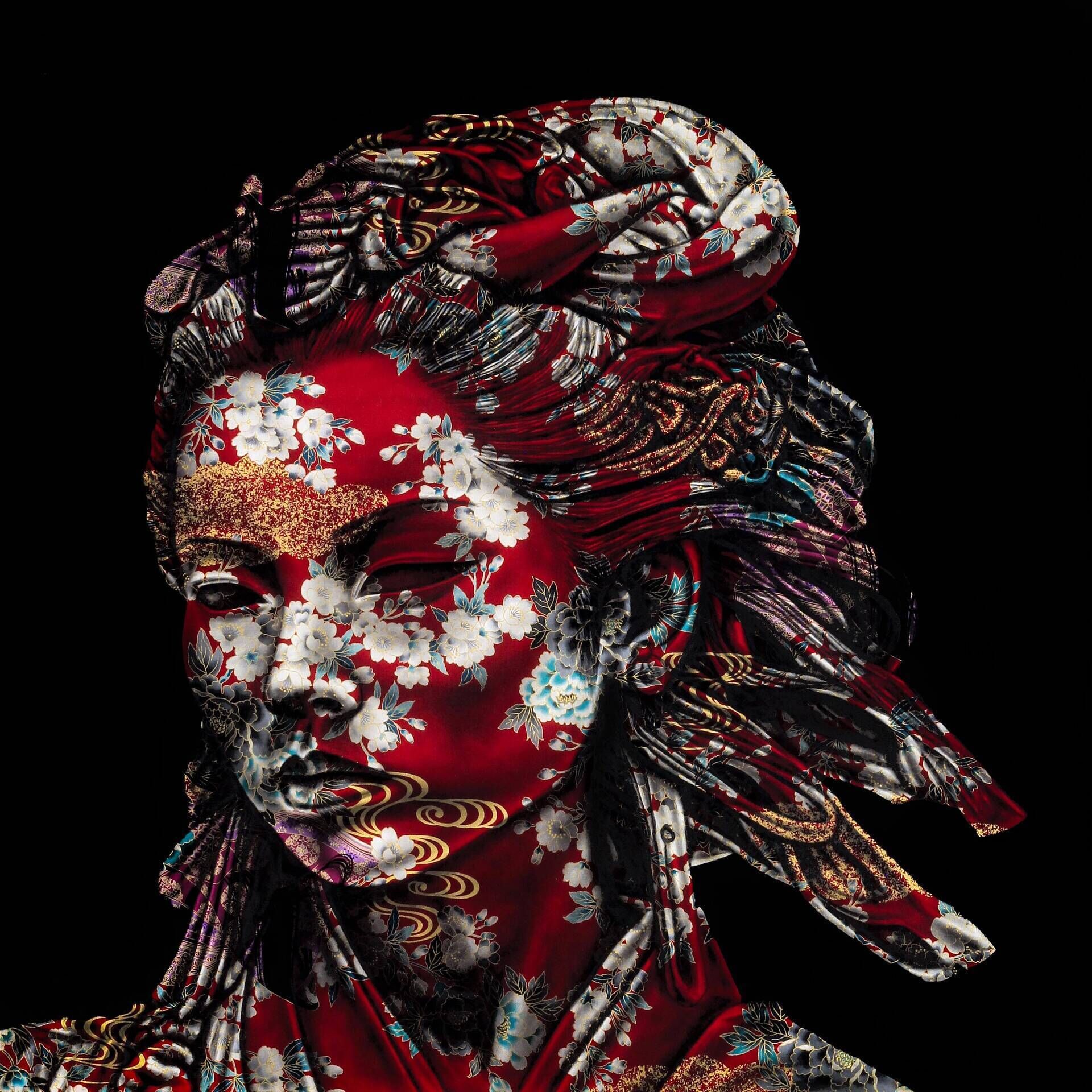
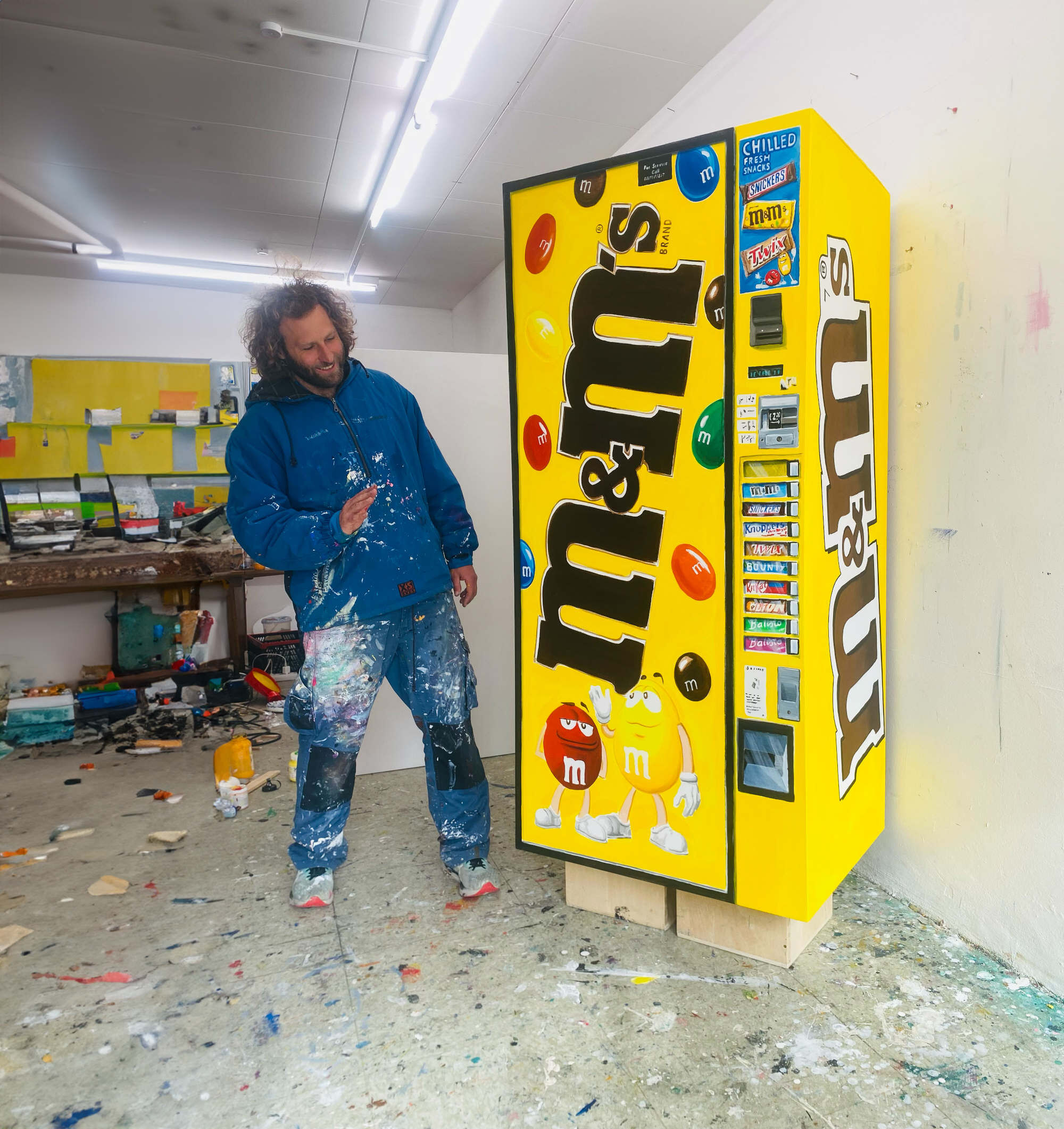
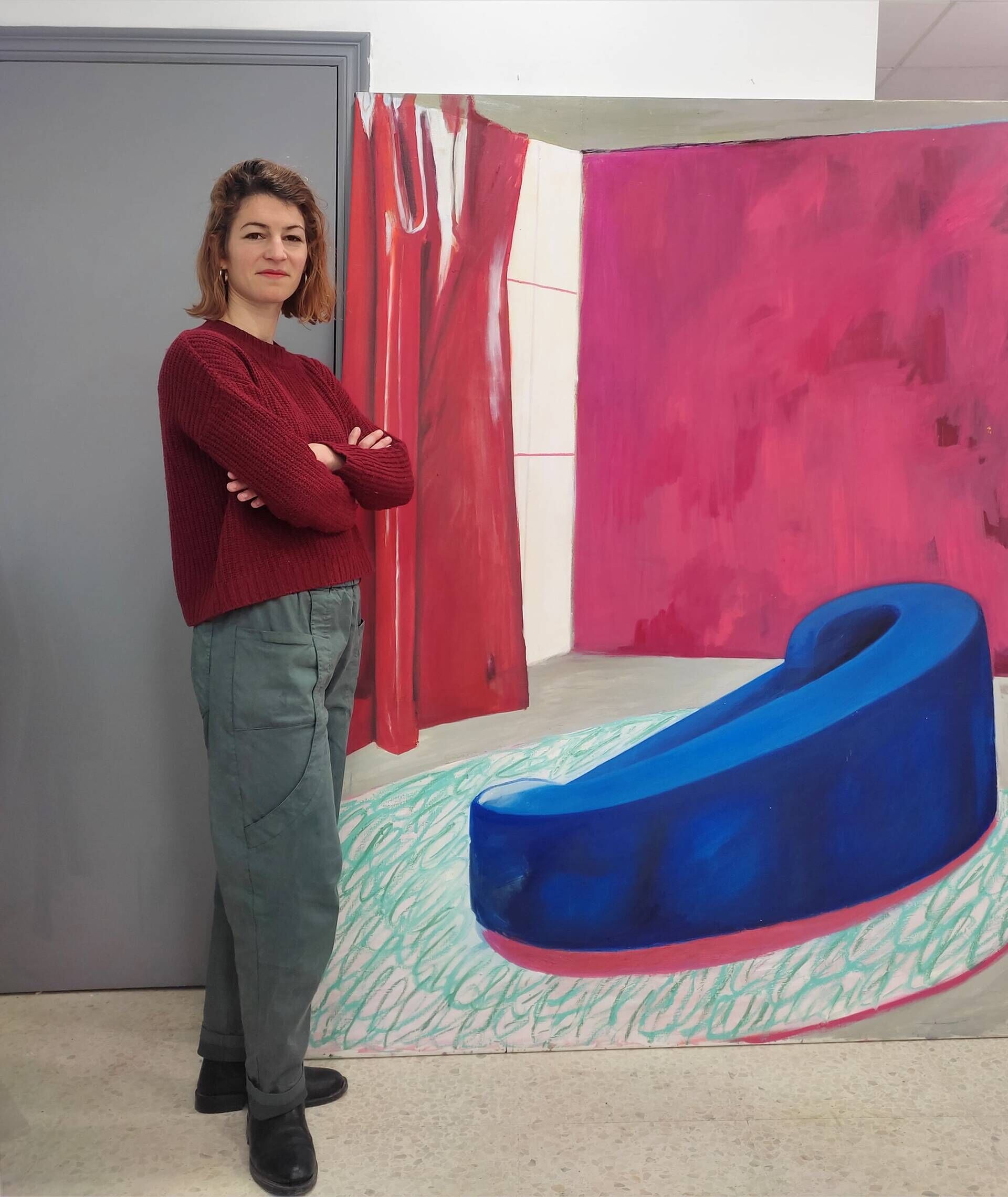
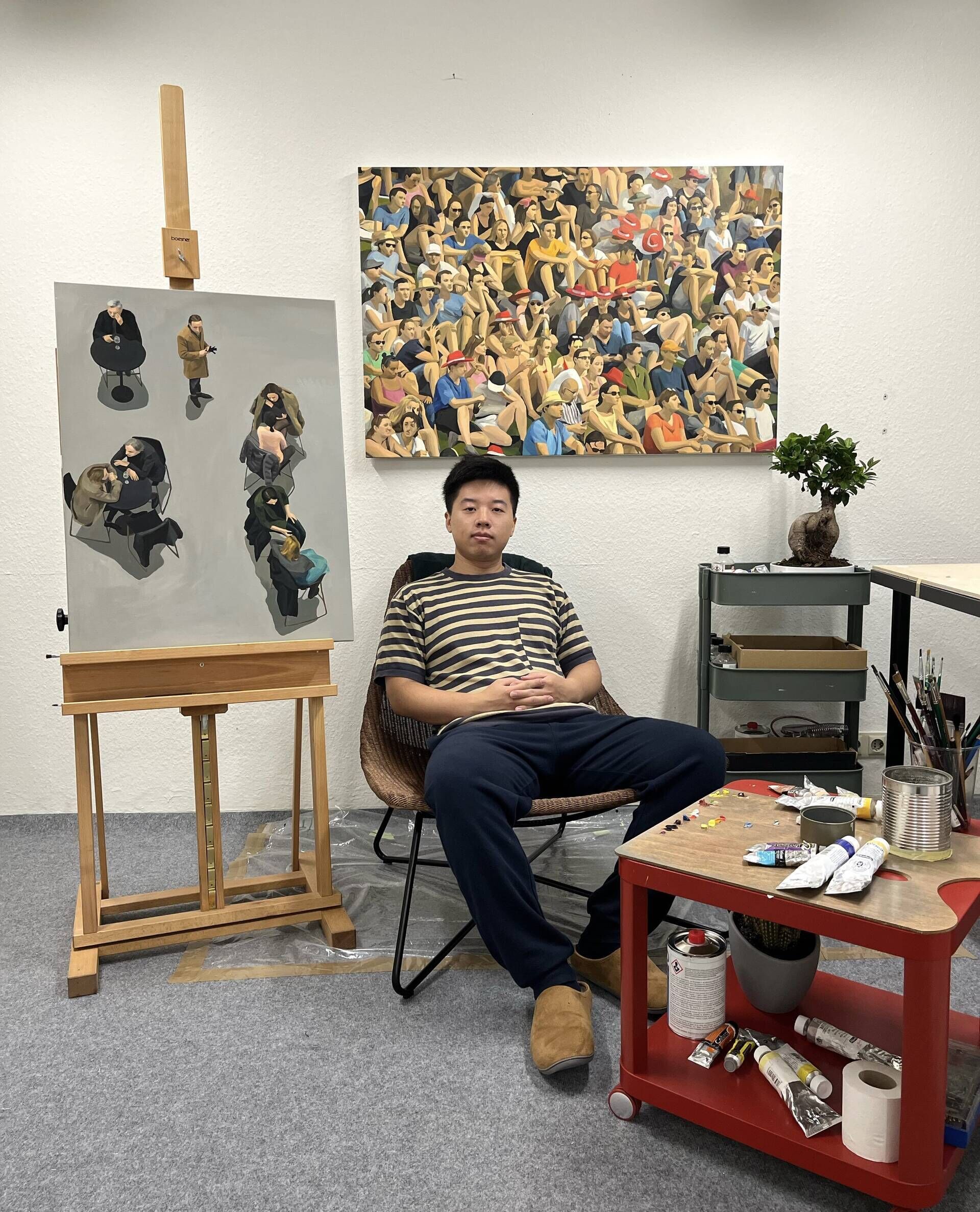
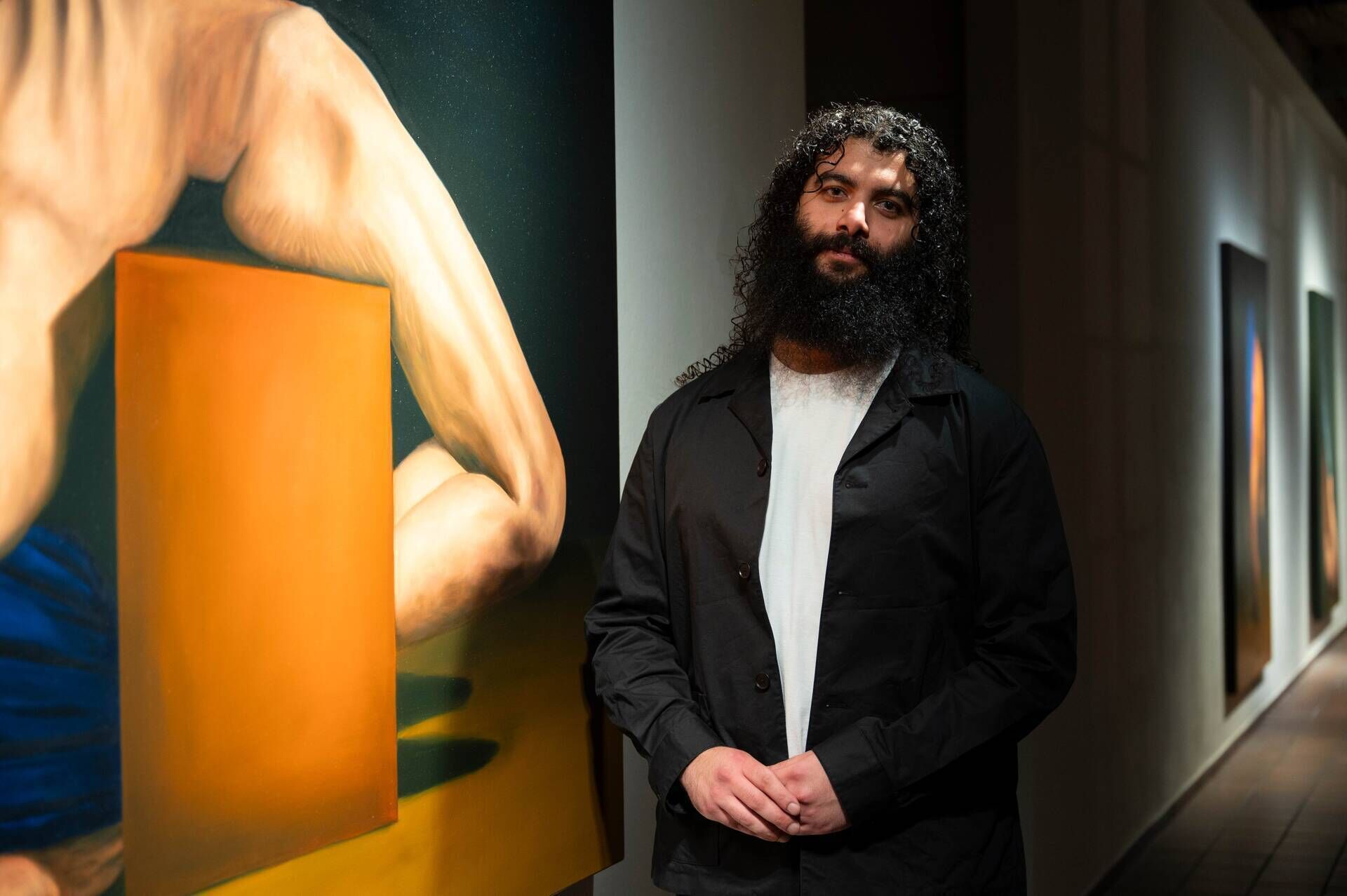
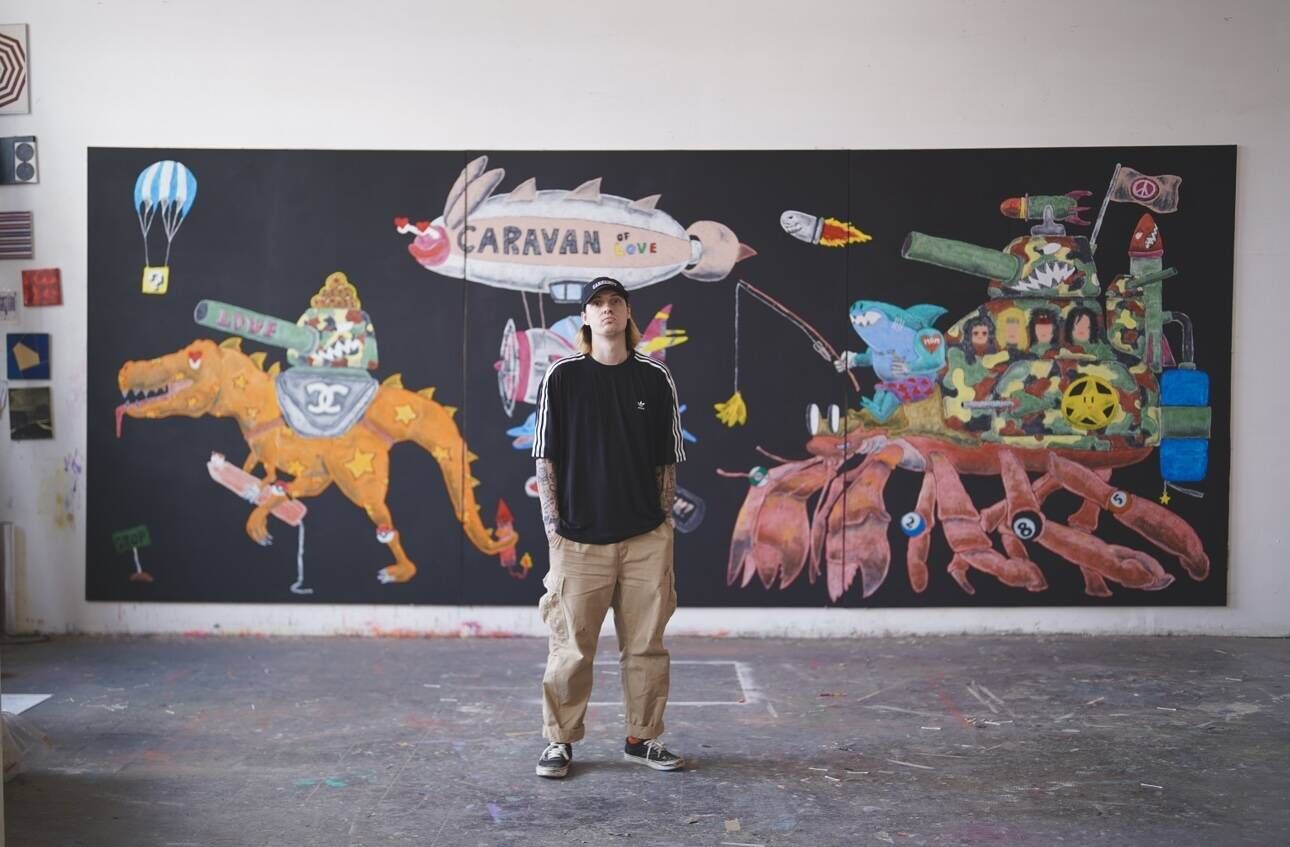
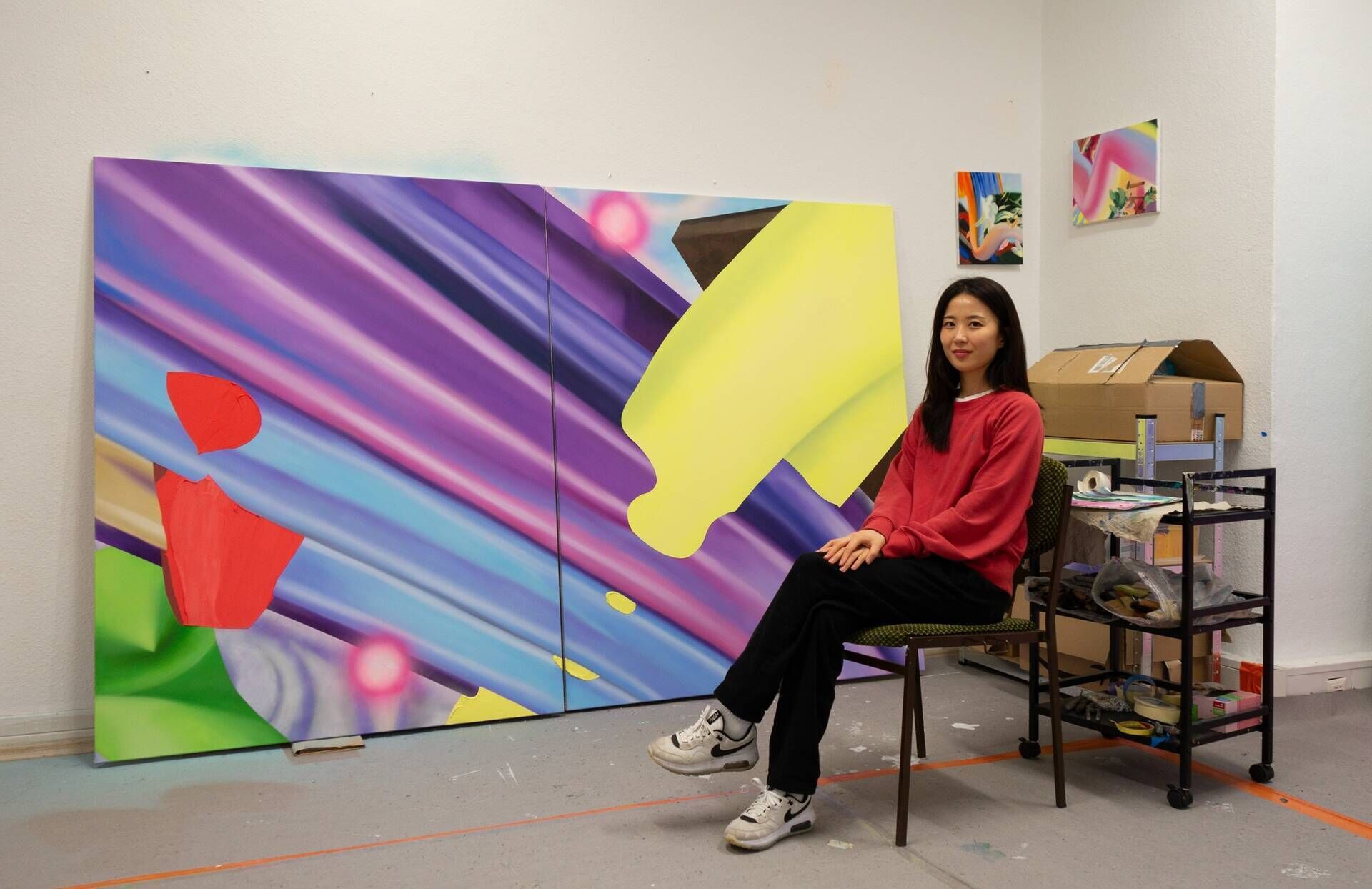
The Student Art Market offers an ideal opportunity to get started. On our platform, art enthusiasts can discover young, up-and-coming artists at an early stage, learn more about their artistic development and purchase original works of art directly . The ‘Artist of the Month’ award provides a particularly useful guide. It recognises artists who have made a strong impression within the SKM community through high sales figures, professionalism and reliability. As the award can only be presented once, it marks a special moment of success in an artist’s career. For collectors, it therefore offers an exciting starting point for discovering successful and particularly dedicated artists. After all, perhaps this is precisely where a collection begins that will one day tell a story of art history in its own right.
Discover the SKM Artist of the Month
Not quite sure which artwork you’d like to buy? Need help finding artists to complete your collection? Or are you struggling to decide whether a watercolour, an oil painting or a delicate drawing best suits your style? Let us offer you free, personalised advice and receive tailored tips for your next art purchase!

Frequently Asked Questions
Studierenden Kunstmarkt ist die führende Plattform im deutschsprachigen Raum für studentische Kunst. Sie ermöglicht Kunstinteressierten und KunstliebhaberInnen Kunstwerke direkt von Kunststudierenden zu kaufen und sie somit während des Studiums finanziell zu unterstützen.
Studierenden Kunstmarkt wurde 2020 von Erich Reich und seinem Bruder gegründet. Erich ist noch immer Geschäftsführer von Studierenden Kunstmarkt und hat es gemeinsam mit seinem Team geschafft, eine Plattform zu kreieren, die Kunstliebhaber, Kunstinteressierte und Kunststudierende zusammenzubringen. Bis heute ist Studierenden Kunstmarkt komplett selbst finanziert und hat keine externen Gelder von Investoren aufgenommen.
Zu jedem Zeitpunkt gibt es mehrere hundert Kunststudierende und mehrere tausend Kunstwerke auf Studierenden Kunstmarkt. Ein guter Einstieg, um einen ersten Überblick über die KünstlerInnen zu erhalten, ist die Kategorie KünstlerInnen des Monats.
Genau so wie normale Galerien, erhält Studierenden Kunstmarkt eine Provision pro verkauftem Bild. Damit wird der Betrieb der Plattform, die Instandhaltung, sowie die Angestellten von Studierenden Kunstmarkt finanziert. Zusätzlich unterstützen wir die Studierenden, stehen beratend bei allen Fragen zur Verfügung und schalten kostenlos Werbung für die Studierenden auf Instagram, Facebook, Google und unserem E-Mail Newsletter mit mehreren tausend KunstliebhaberInnen als Abonnenten.
Es gibt viele Möglichkeiten, wie du beginnen kannst, in junge Künstler:innen auf Studierenden Kunstmarkt zu investieren. Eine Möglichkeit ist es, dass du dich zu unserem kostenlosen E-Mail Kurs “In 7 Tagen zum Kunst Profi” anmeldest. Dort teilen wir ein paar basics mit dir und auch einige unserer Geheimtipps, welche Künstler:innen besonders viel Potential haben. Mehr erfahren
Take a look at our most popular artists at the Student Art Market


News banner