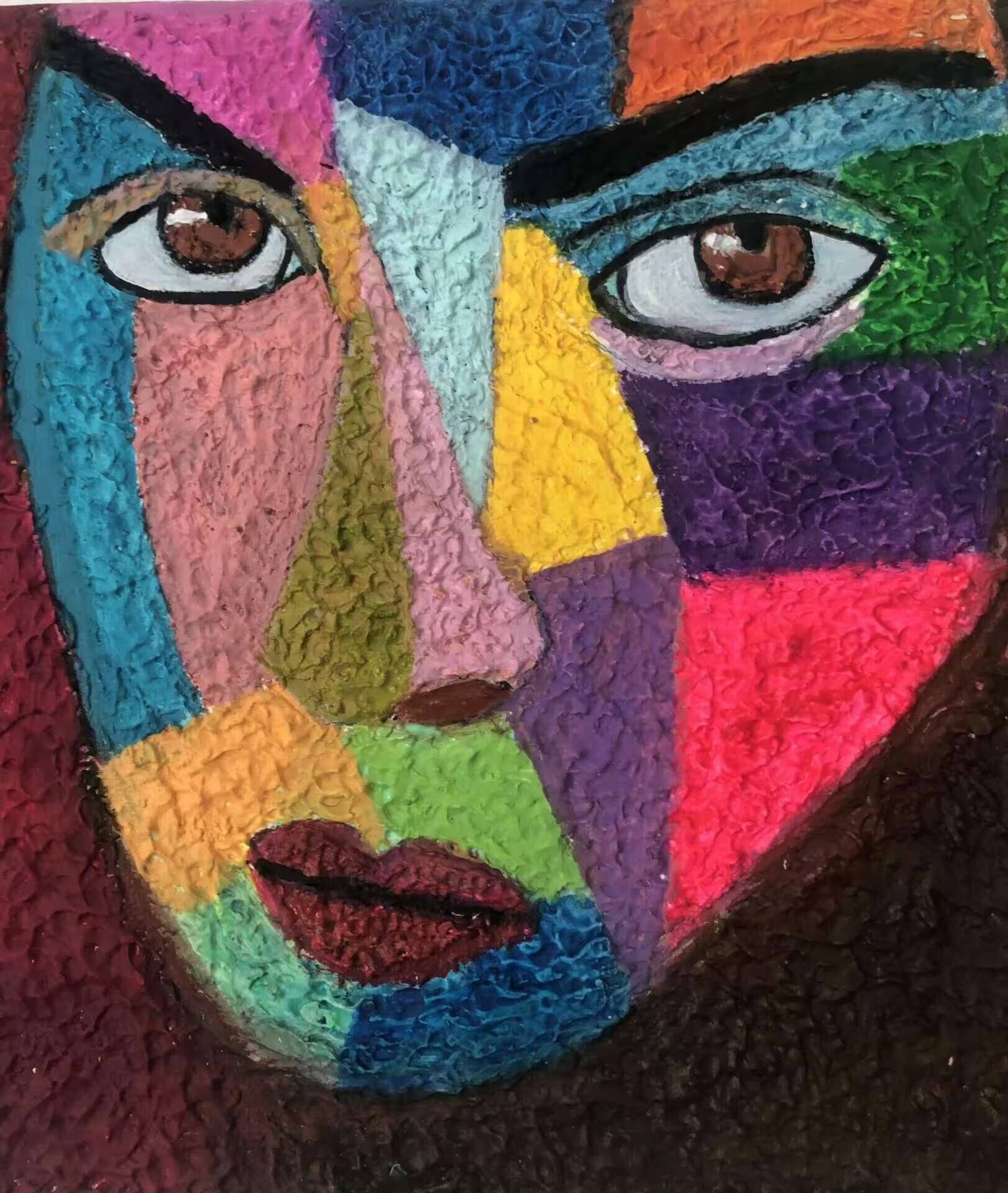


by Evelina
Status: 09.09.2026
A summer dream blending art and literature
Key points at a glance
- Summer is a recurring theme in art and literature, symbolising abundance, freedom, light, longing and memory, whilst also reflecting the transience of this intense season.
- This article shows how works of art and literary texts enter into dialogue with one another, conveying similar moods, motifs and memories from different perspectives.
- The compilation is of particular interest to those with an interest in art and literature who wish to discover summer-themed imagery and draw connections between paintings, poems and music.
- Discover the selected works alongside texts by Louise Glück, Hermann Hesse, George Gershwin and Dinos Christianopoulos, paying particular attention to themes such as landscape, light, the sea, memory and melancholy.
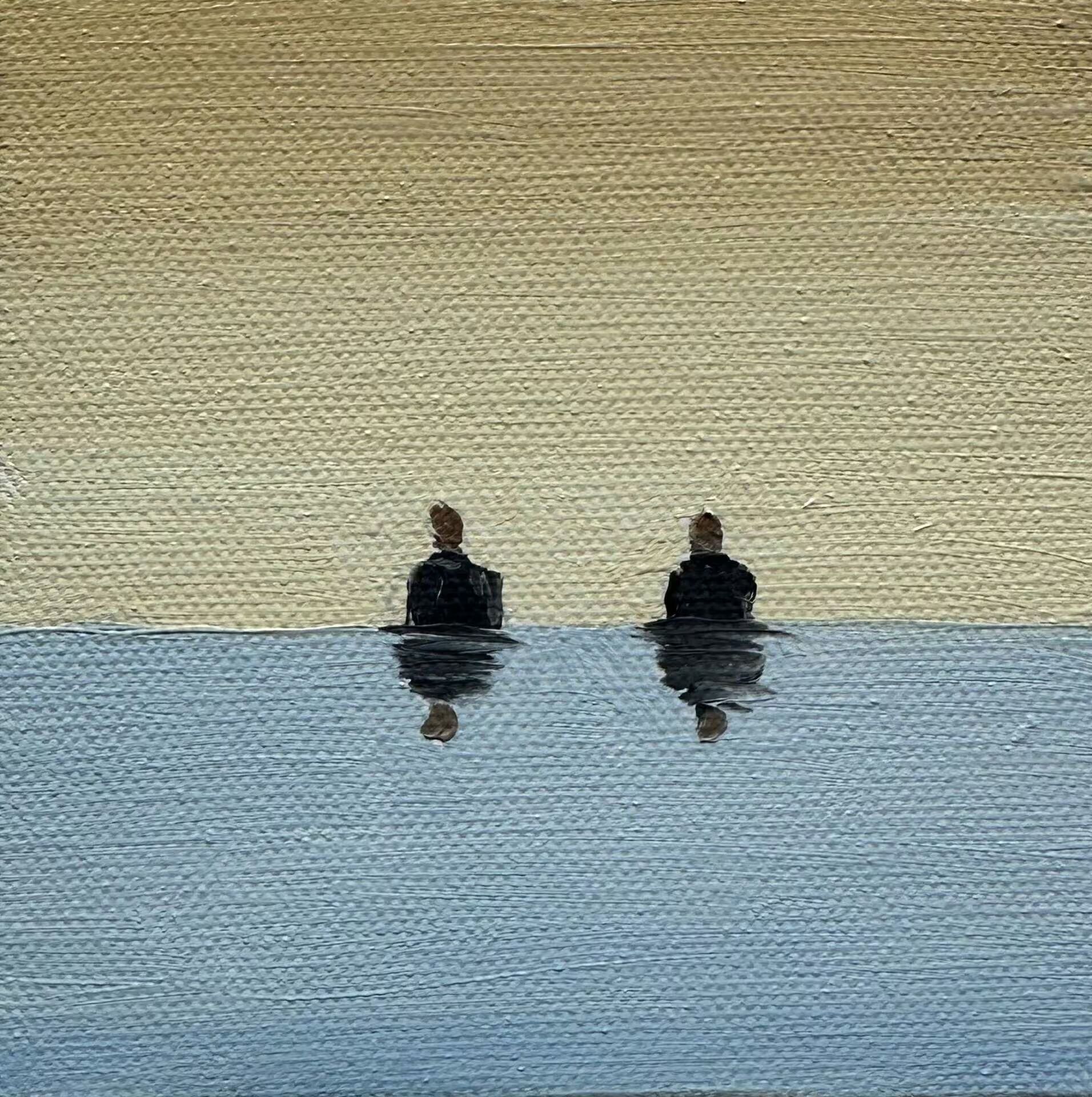
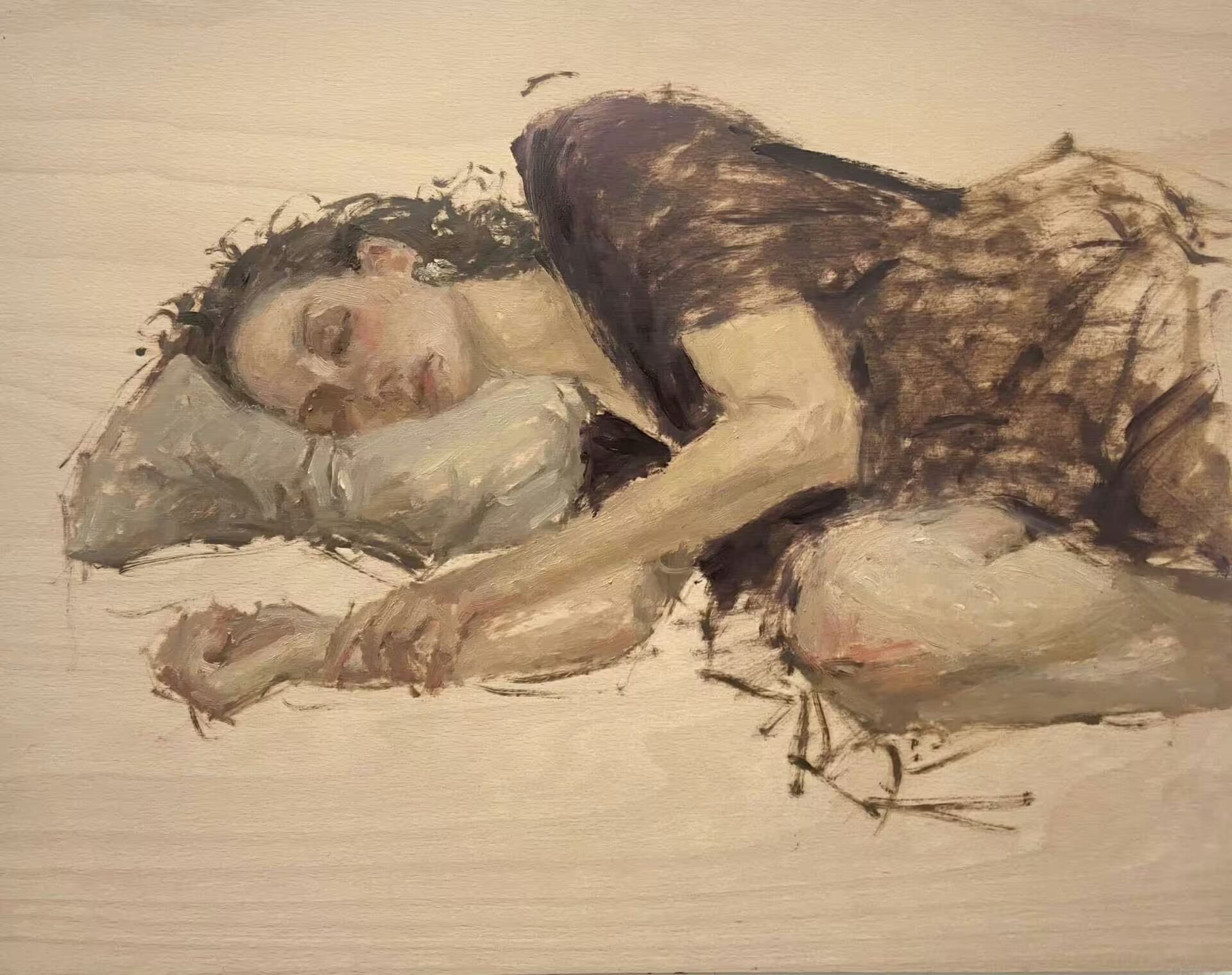
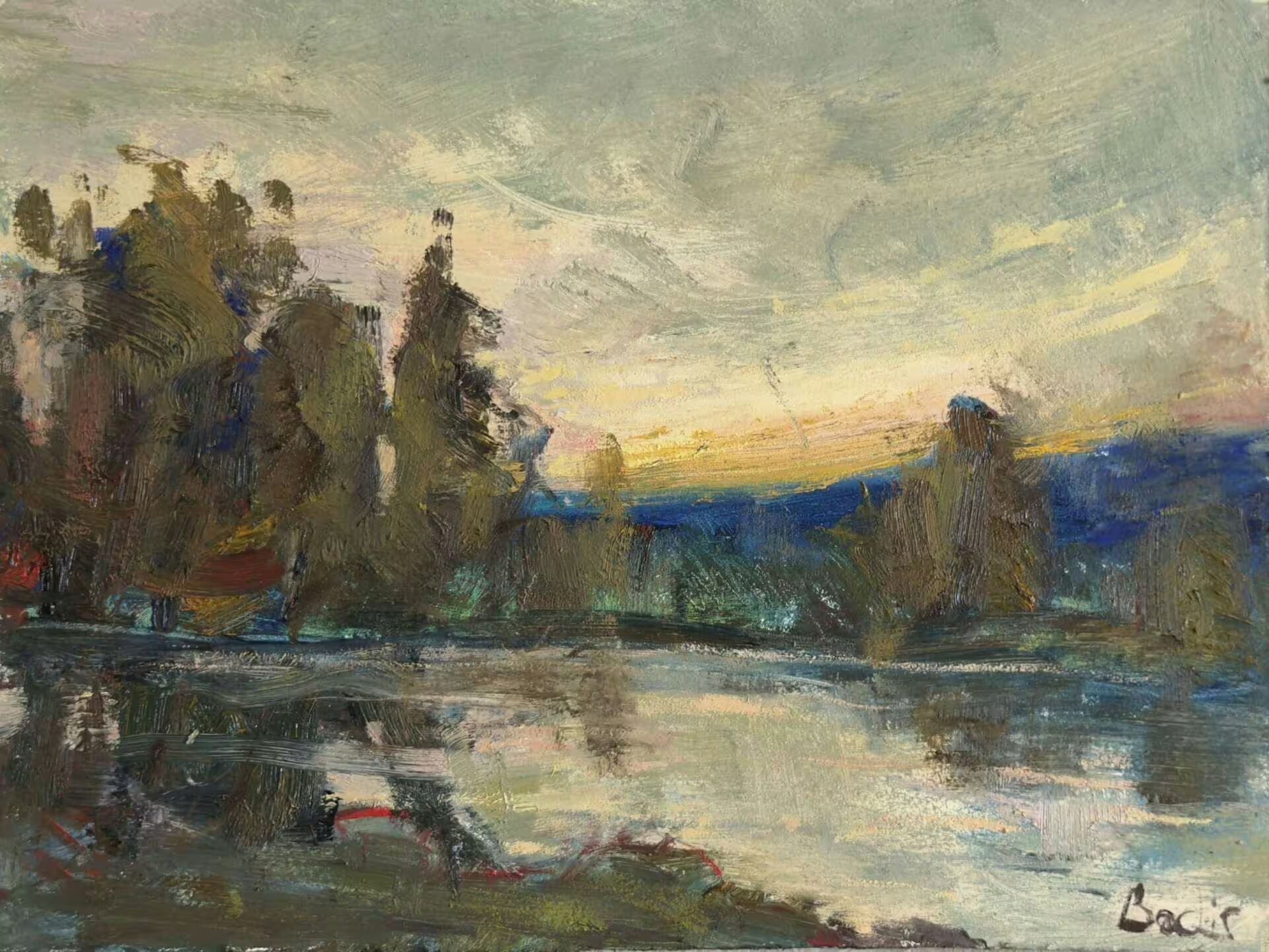
There are themes that recur time and again in art because they cannot be fully resolved: love, death, nature, longing. And then there is summer. For centuries, it has been painted, described, sung about and commemorated. Sometimes as a time of abundance and freedom, sometimes as the high point of a life cycle whose end is already foreshadowed by its very fullness.
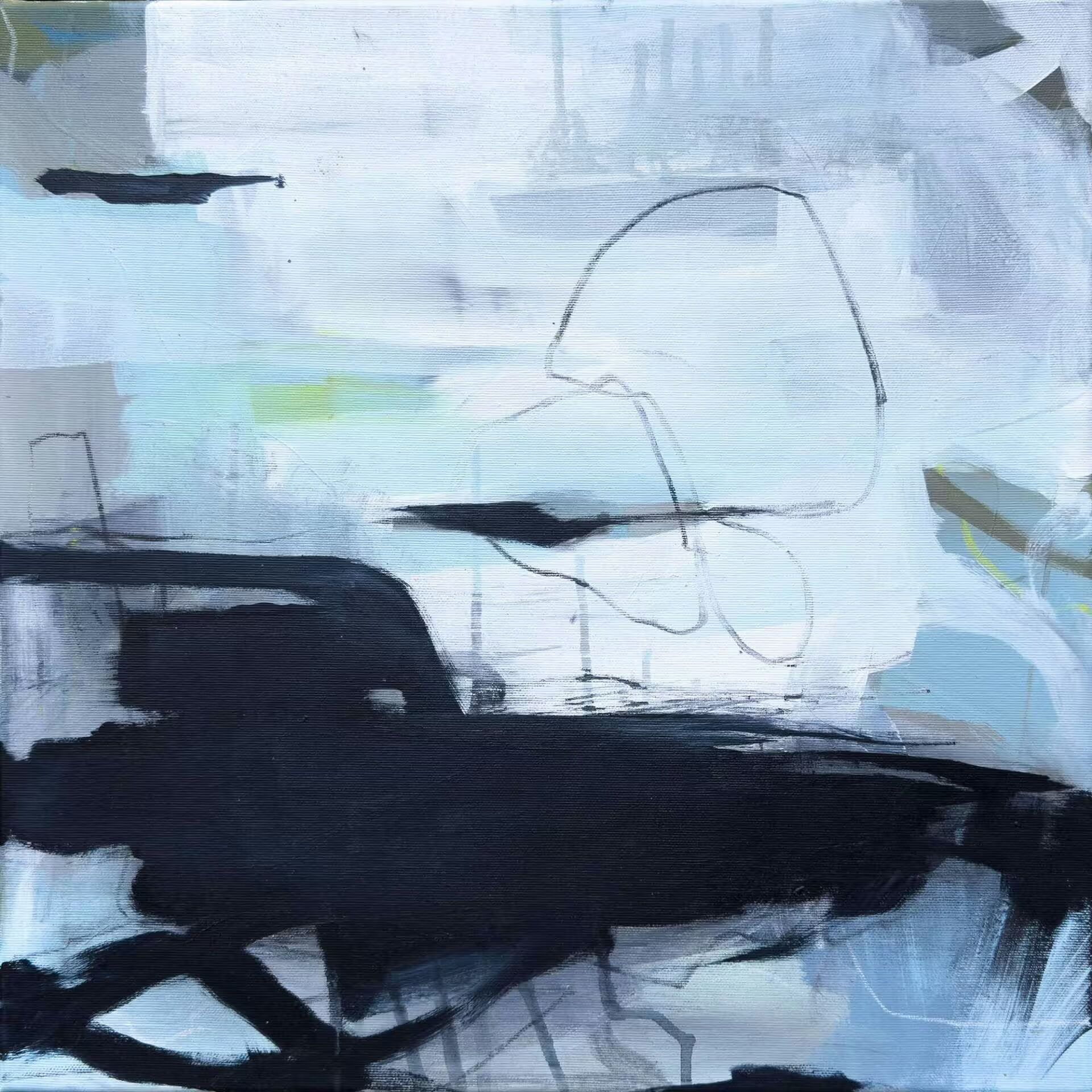
In fact, art and literature are closer to one another than their different media might initially suggest. Written sources have always served as inspiration for works of art; conversely, poems can conjure up images in our mind’s eye, whilst a painting can awaken memories of a story, a verse or a line read long ago. Such connections are not always intentional. They arise when we do not merely view art, but link it to what we ourselves have read, seen and experienced. The dialogue between the arts is as old as the arts themselves. Motifs migrate from one medium to another, stories are retold, images become words and words become images once more. What emerges is rarely a straightforward translation, but rather a web of references, associations and memories.
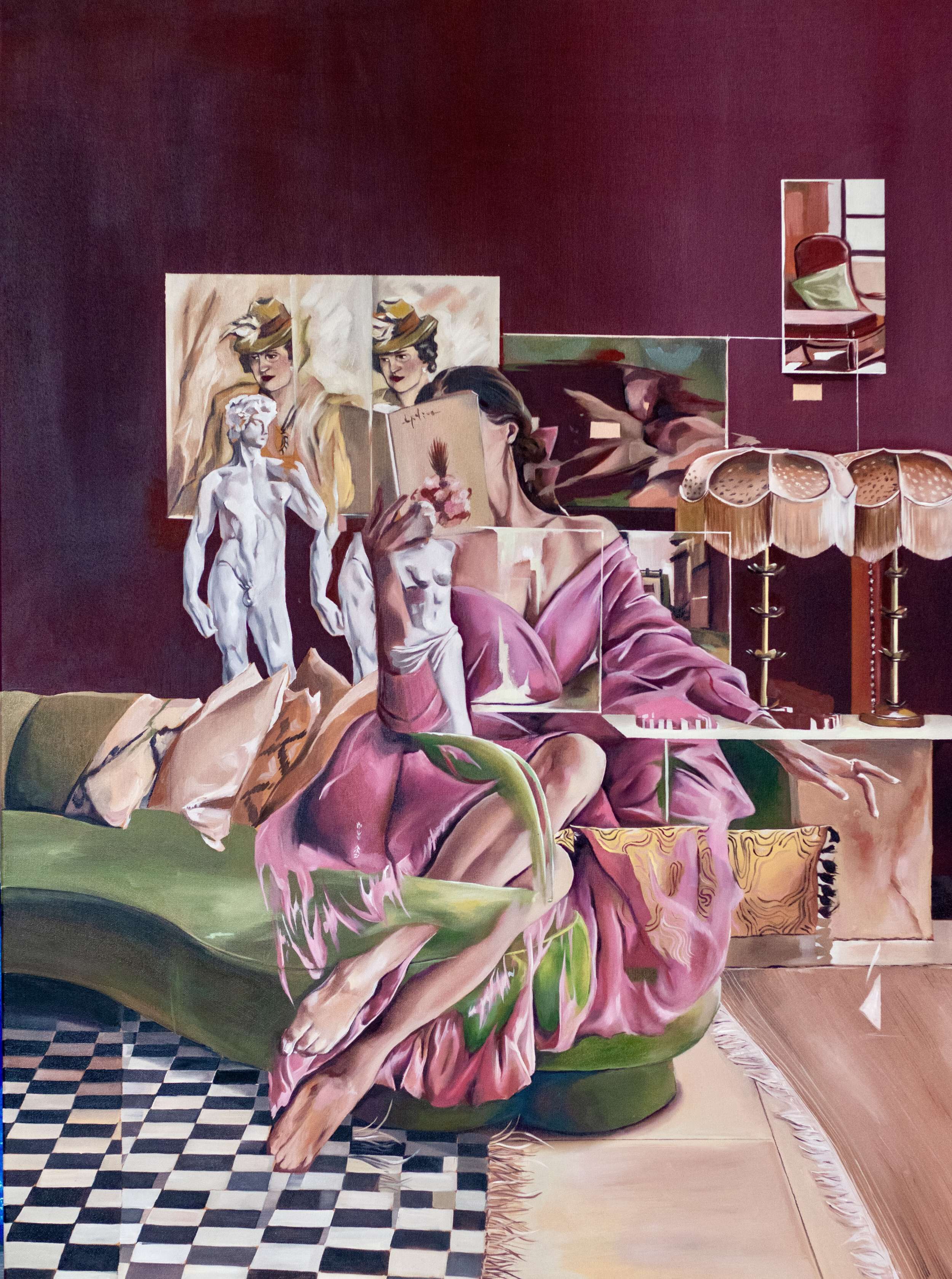
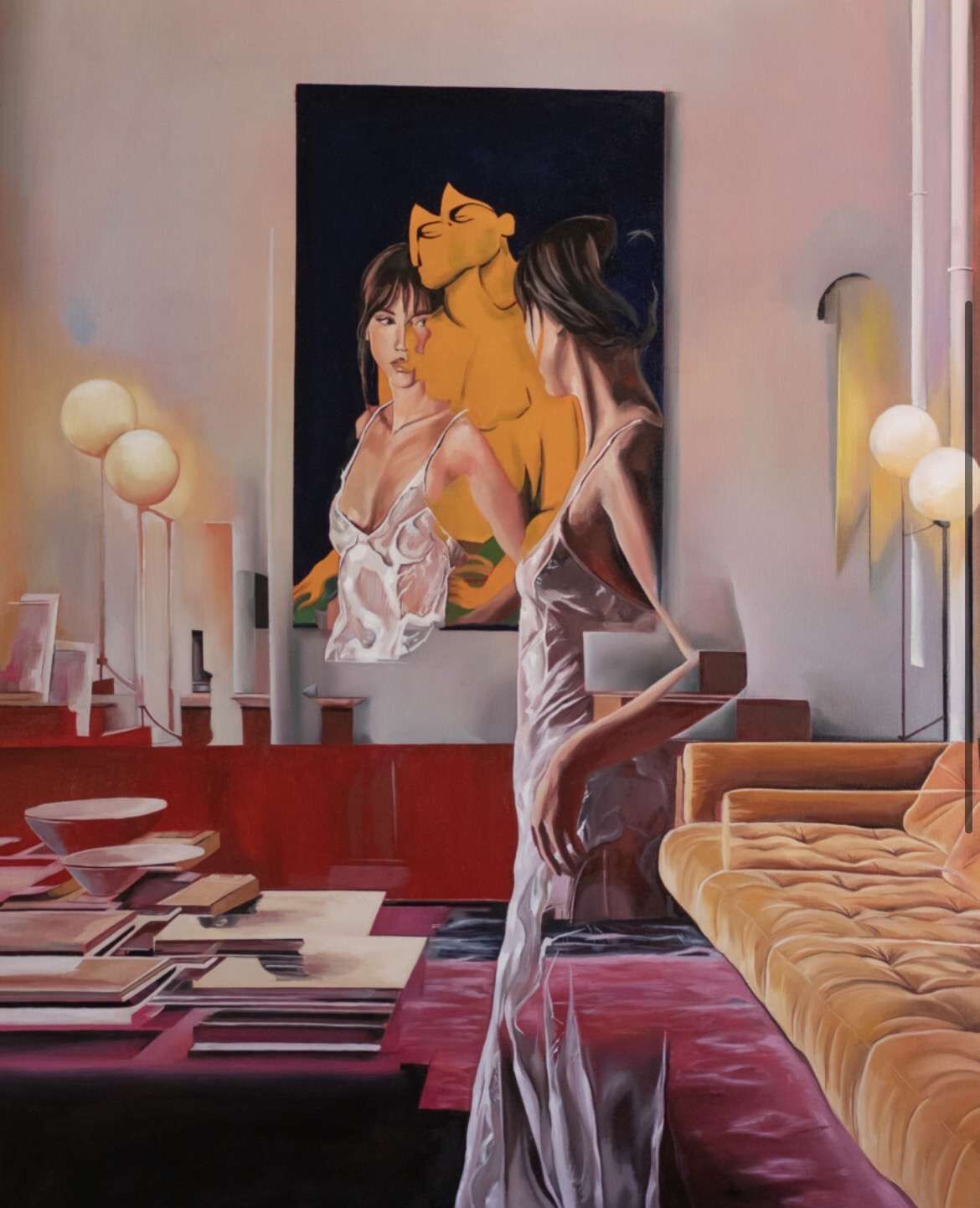
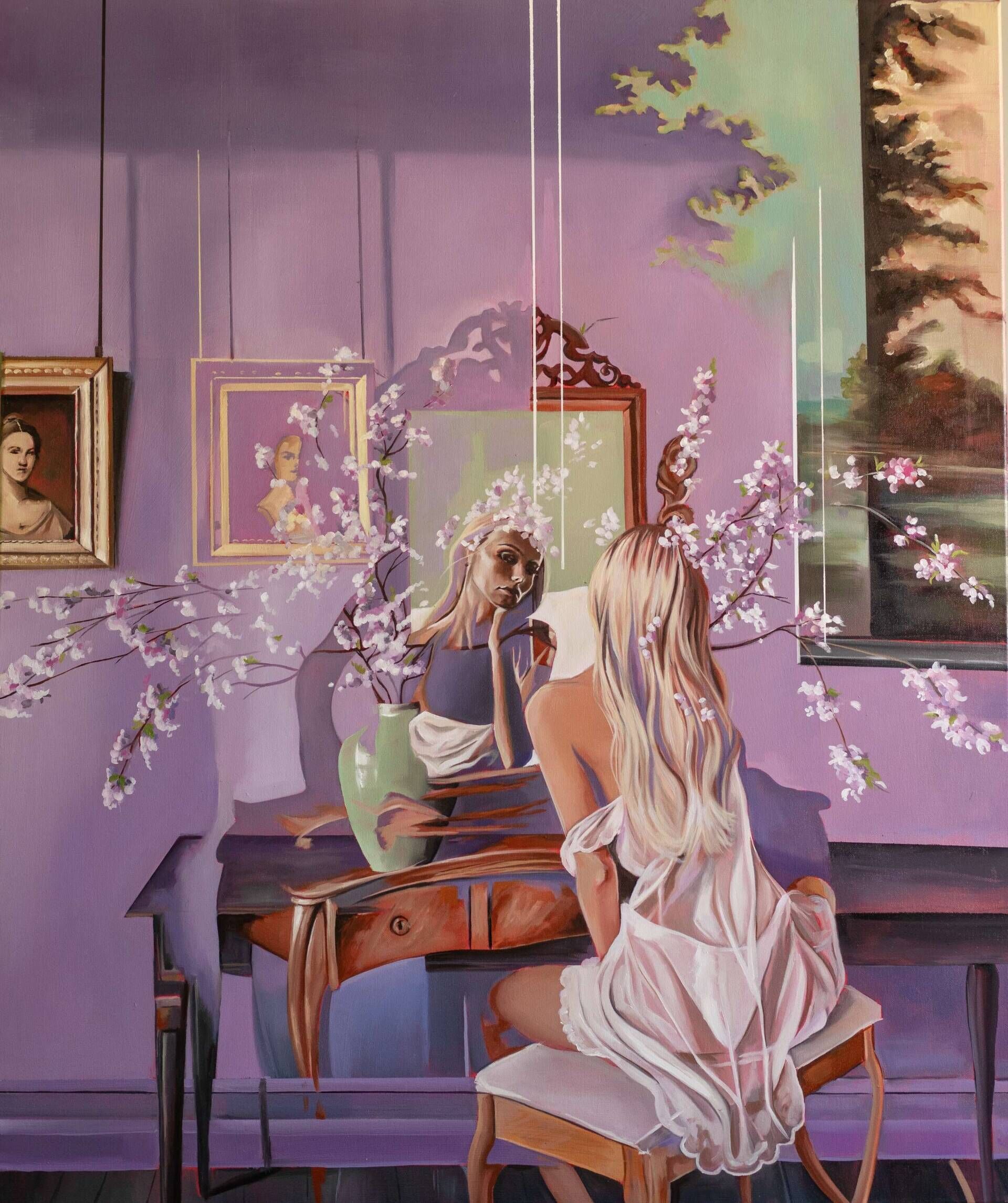
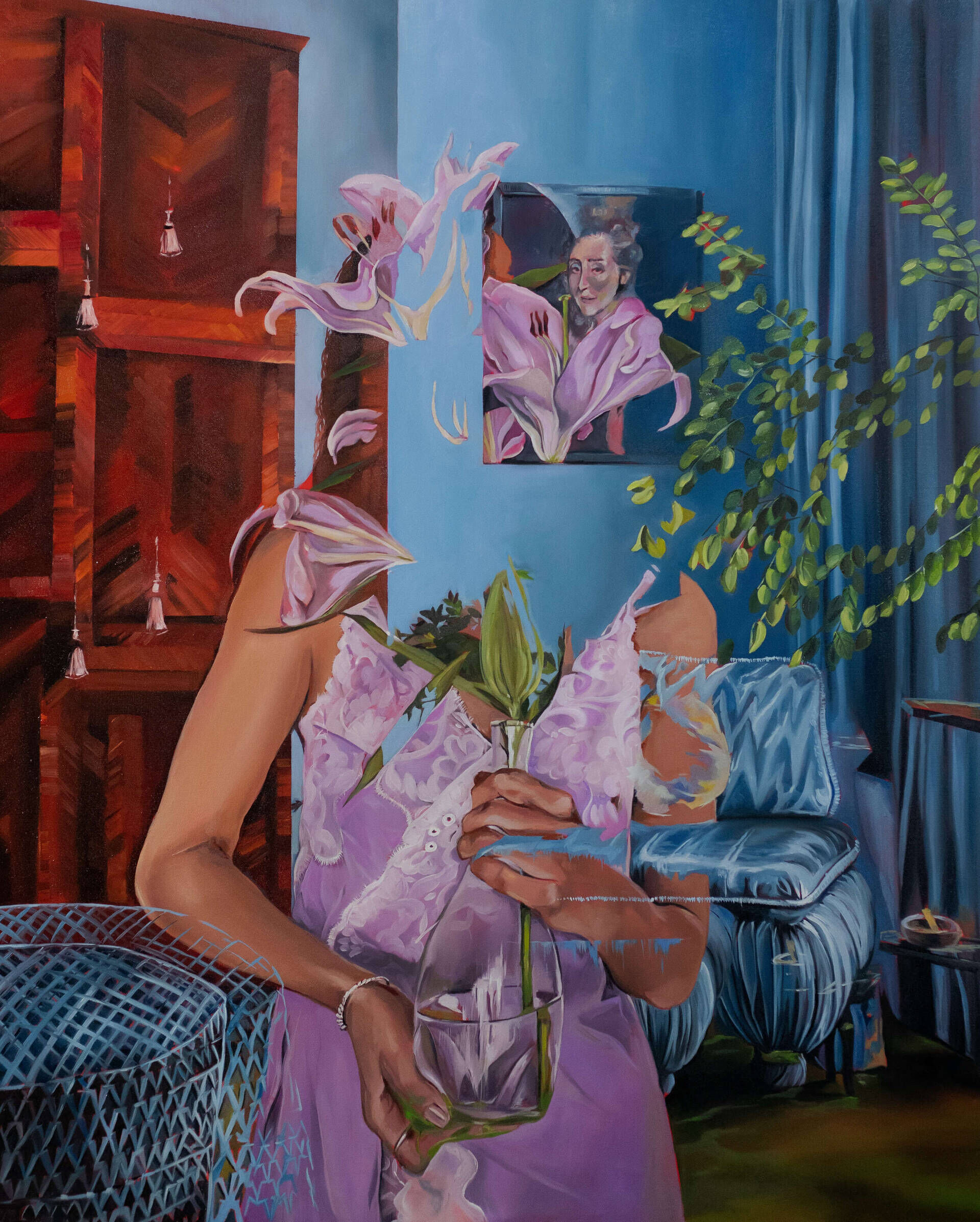
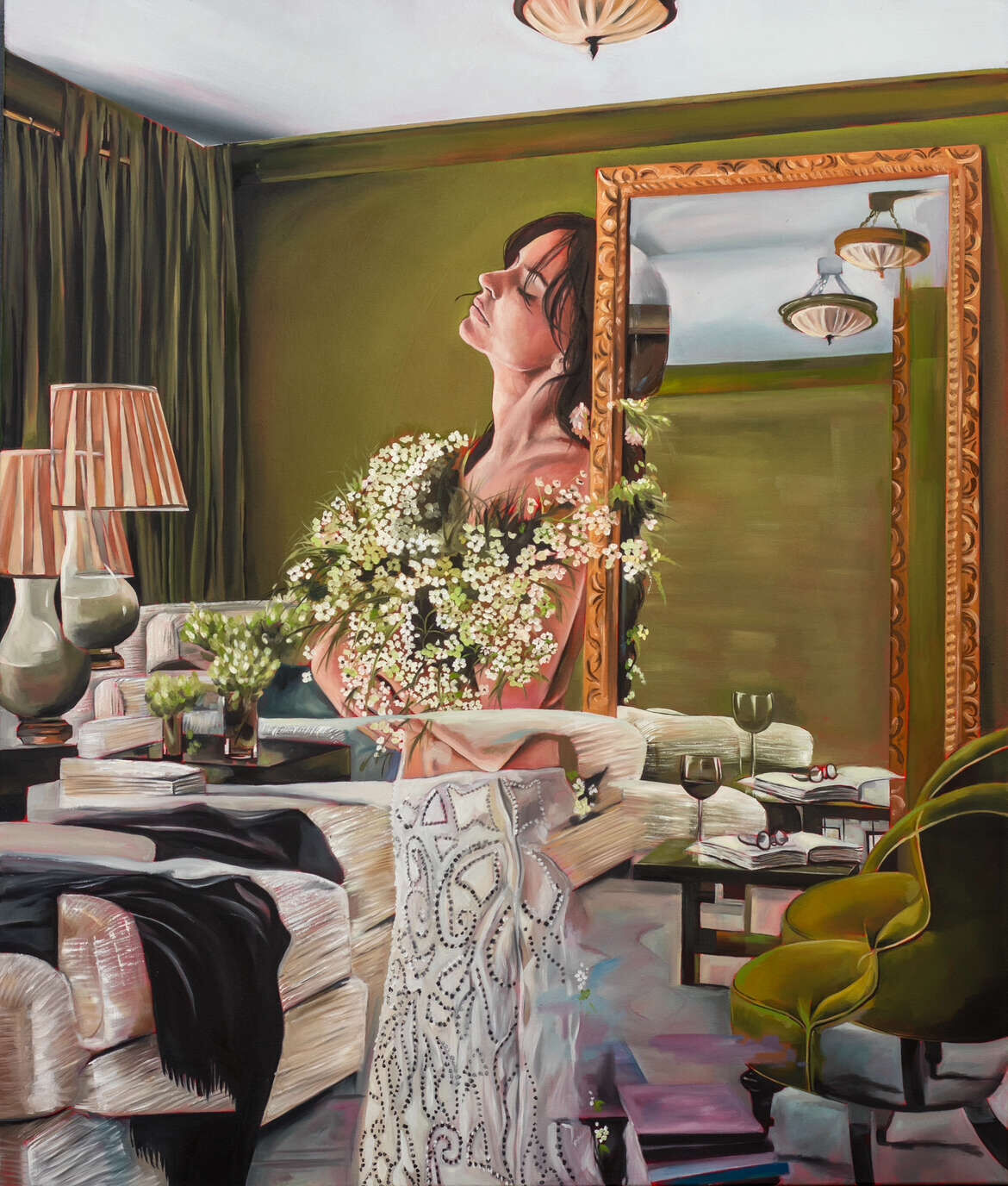
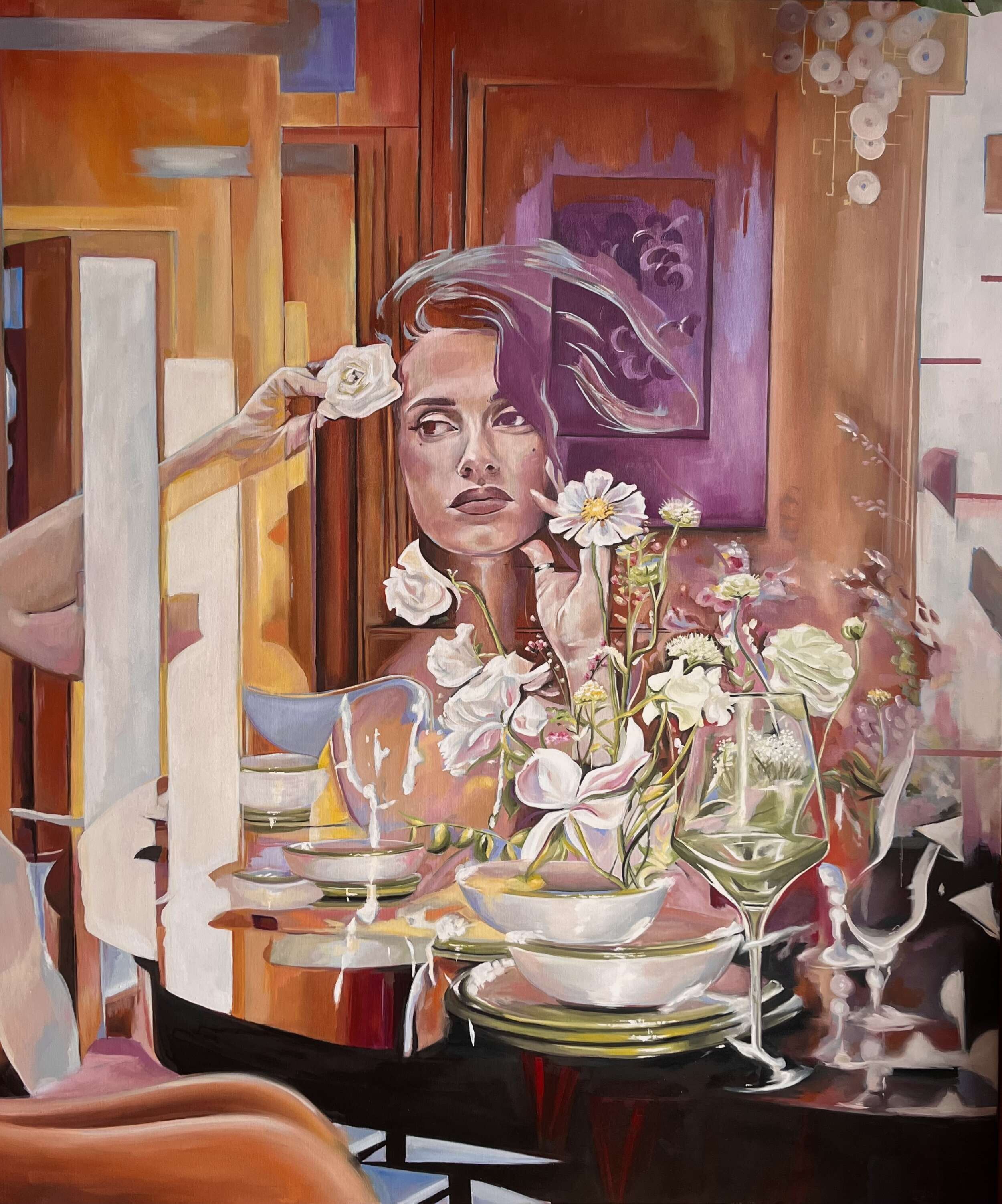
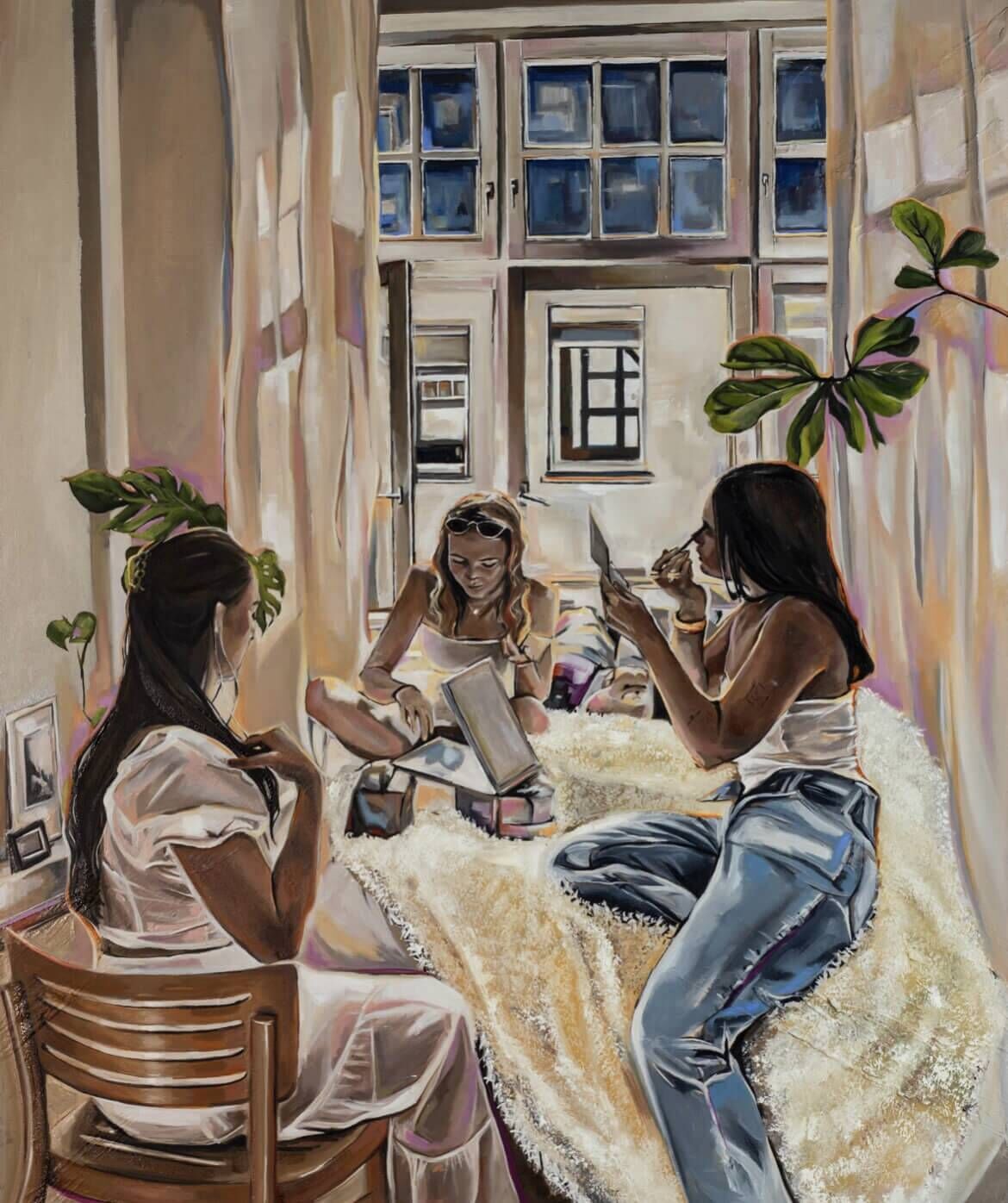
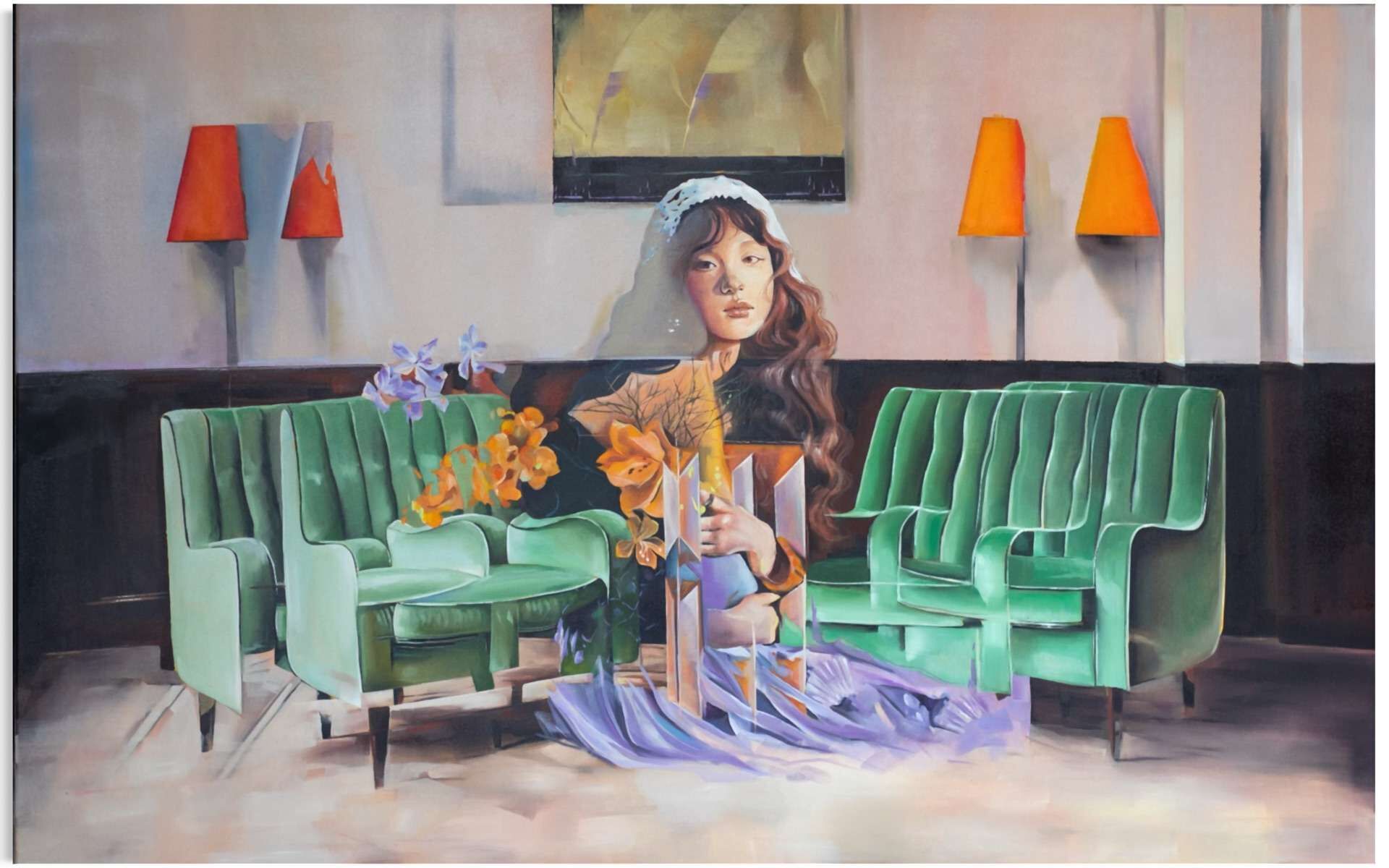
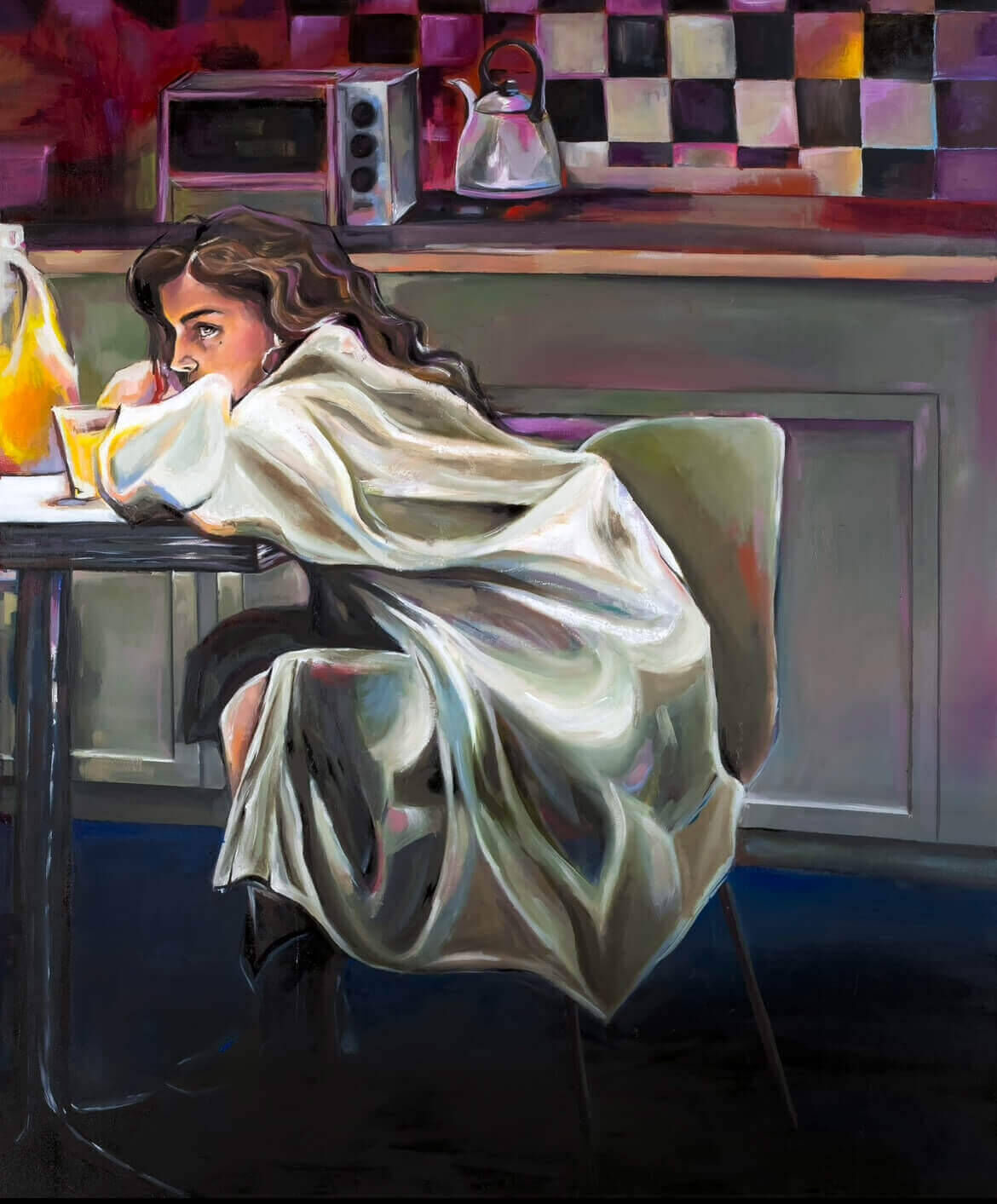
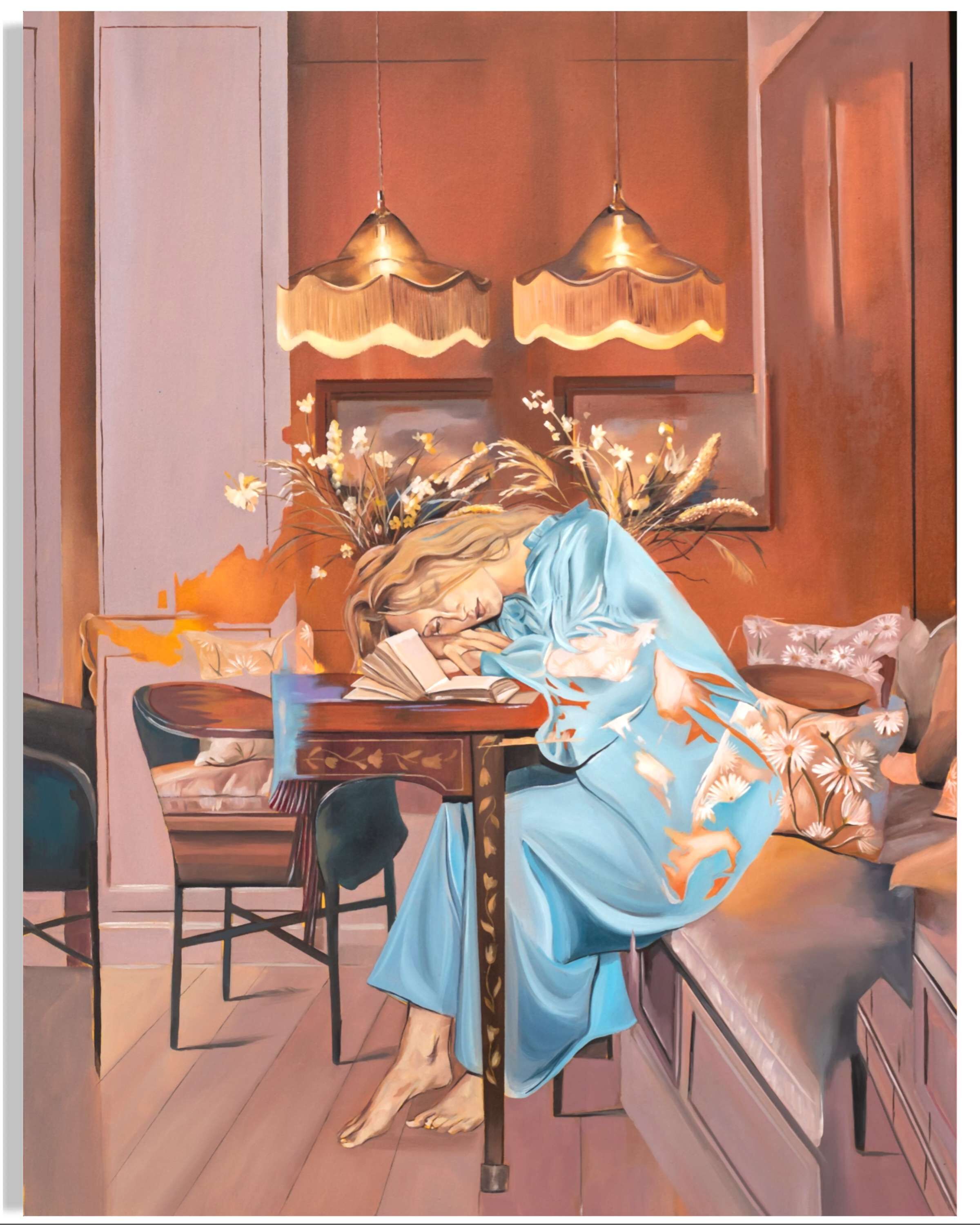
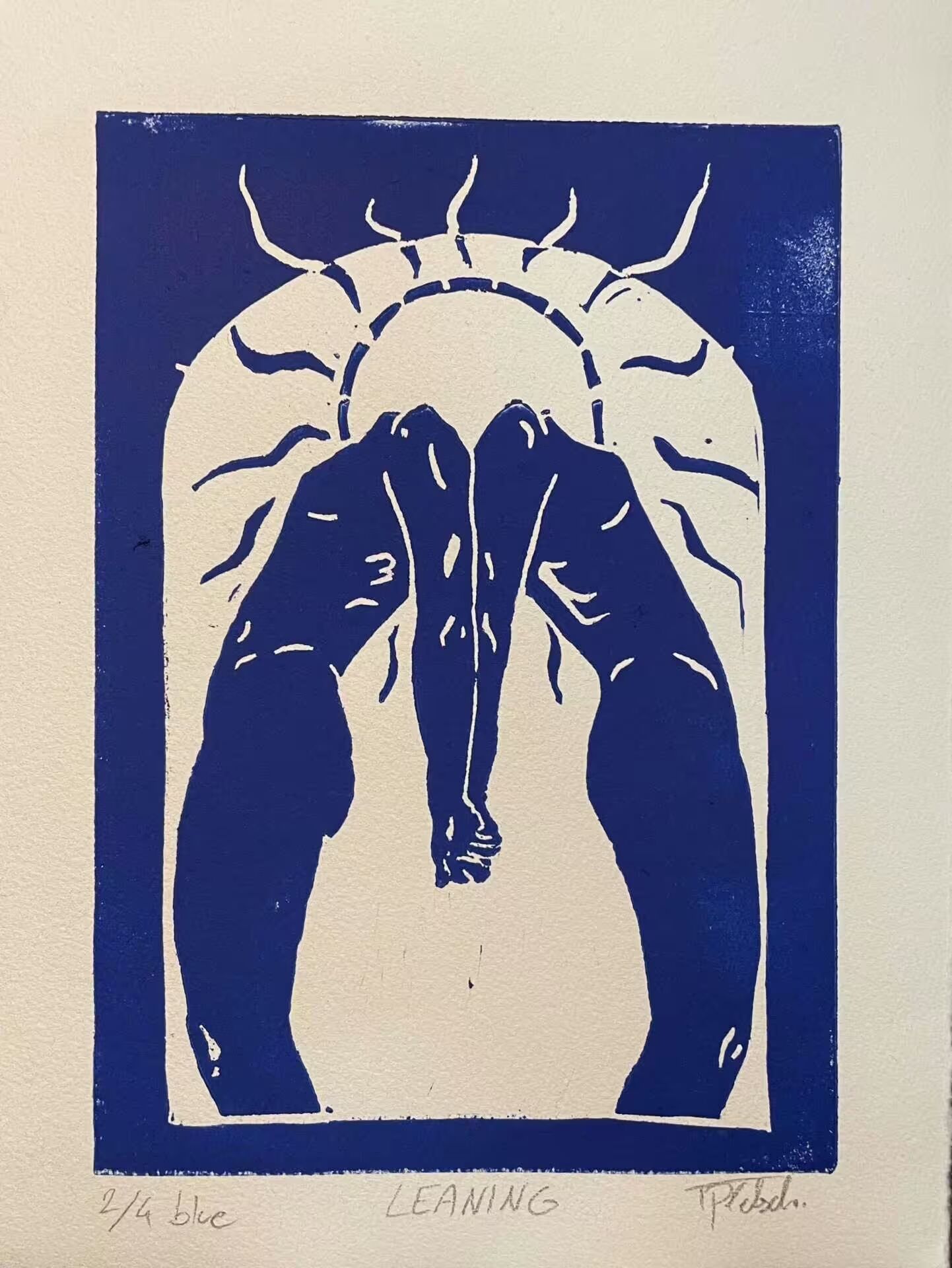
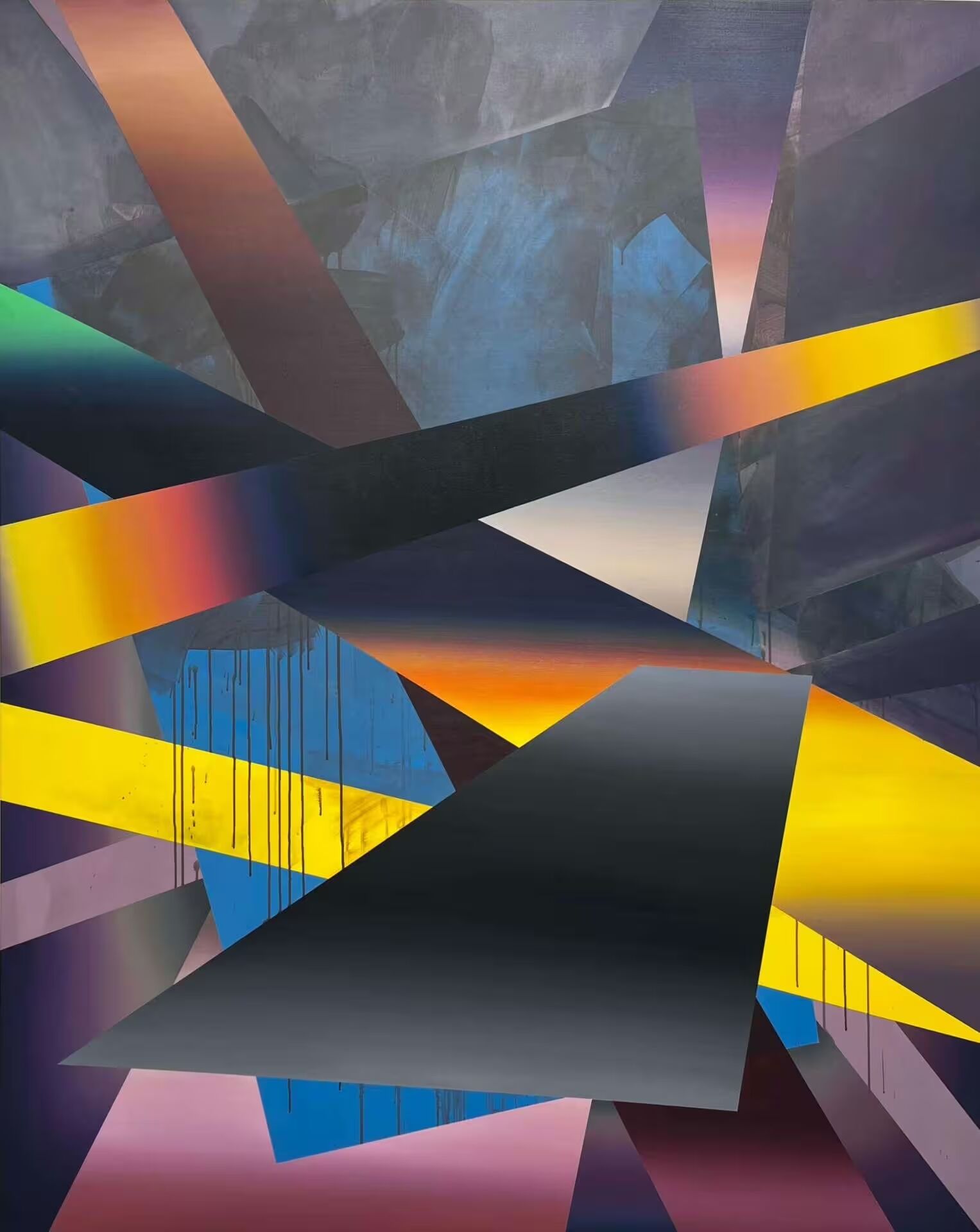
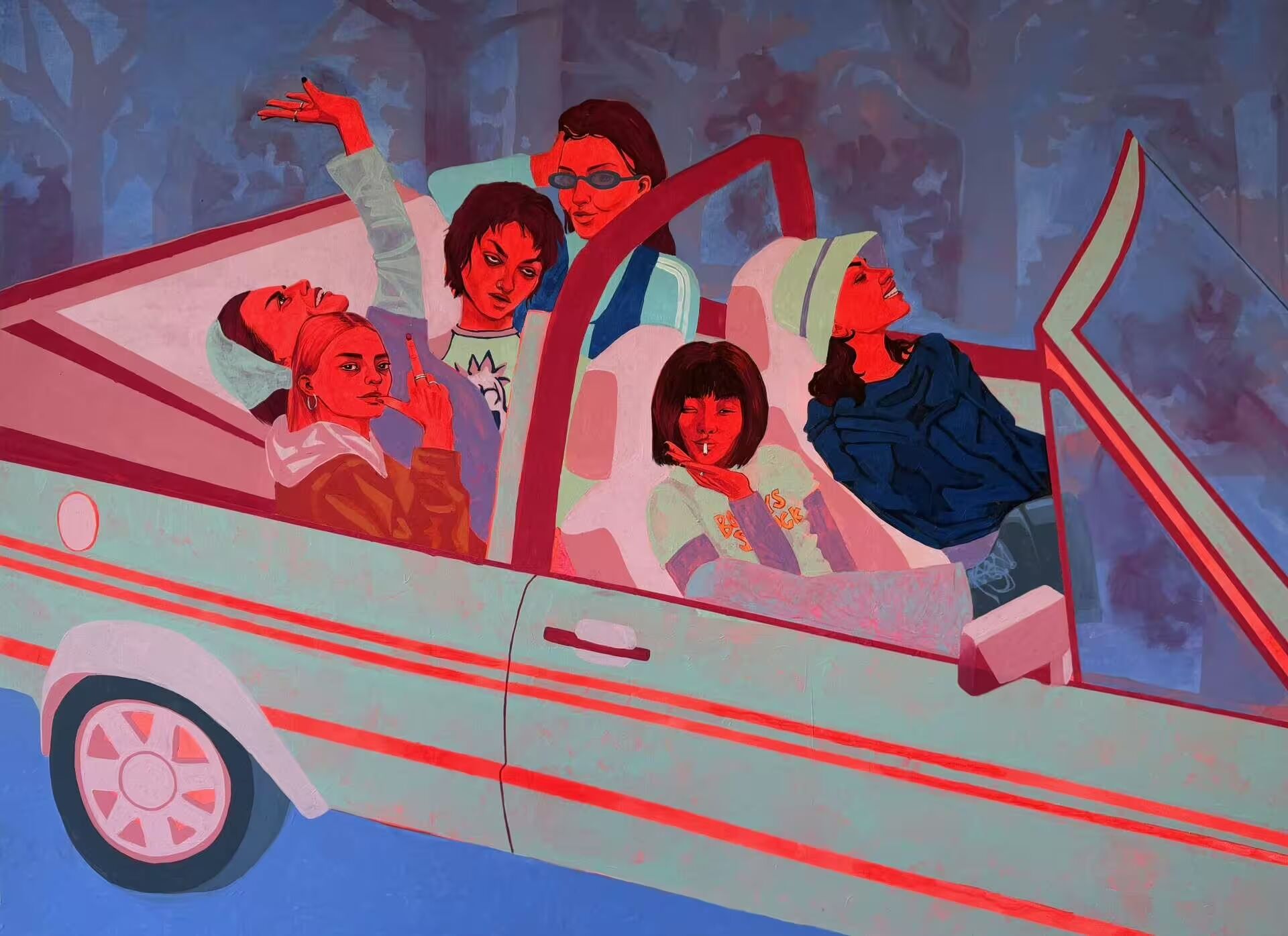
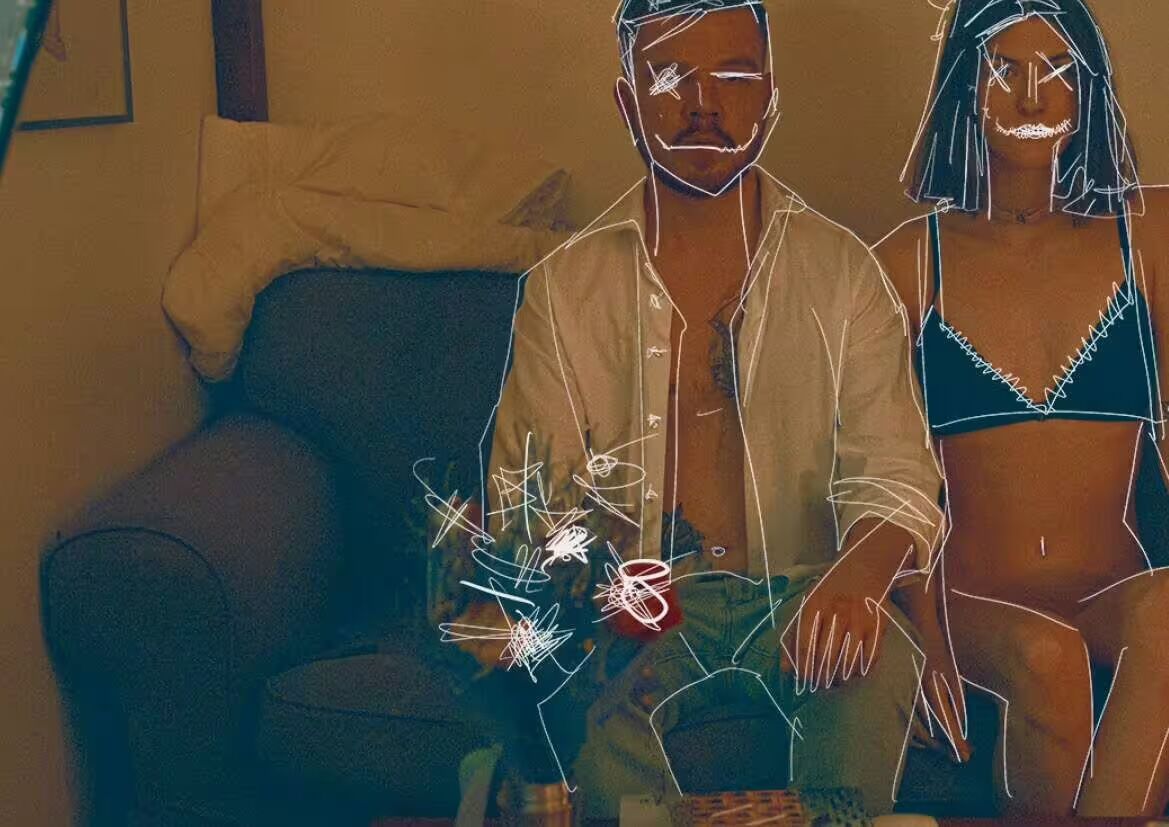
With this in mind, I have been sifting through the SKM collection and my literary archive, in search of summer dreams, feelings and memories that can be found in the interplay between image and word. The result is a small collection of summery encounters between art and literature, between landscape and memory, light and melancholy, myth and the present. Perhaps it is less a collection of summer images than an invitation to view summer, for a moment, through the eyes of artists.
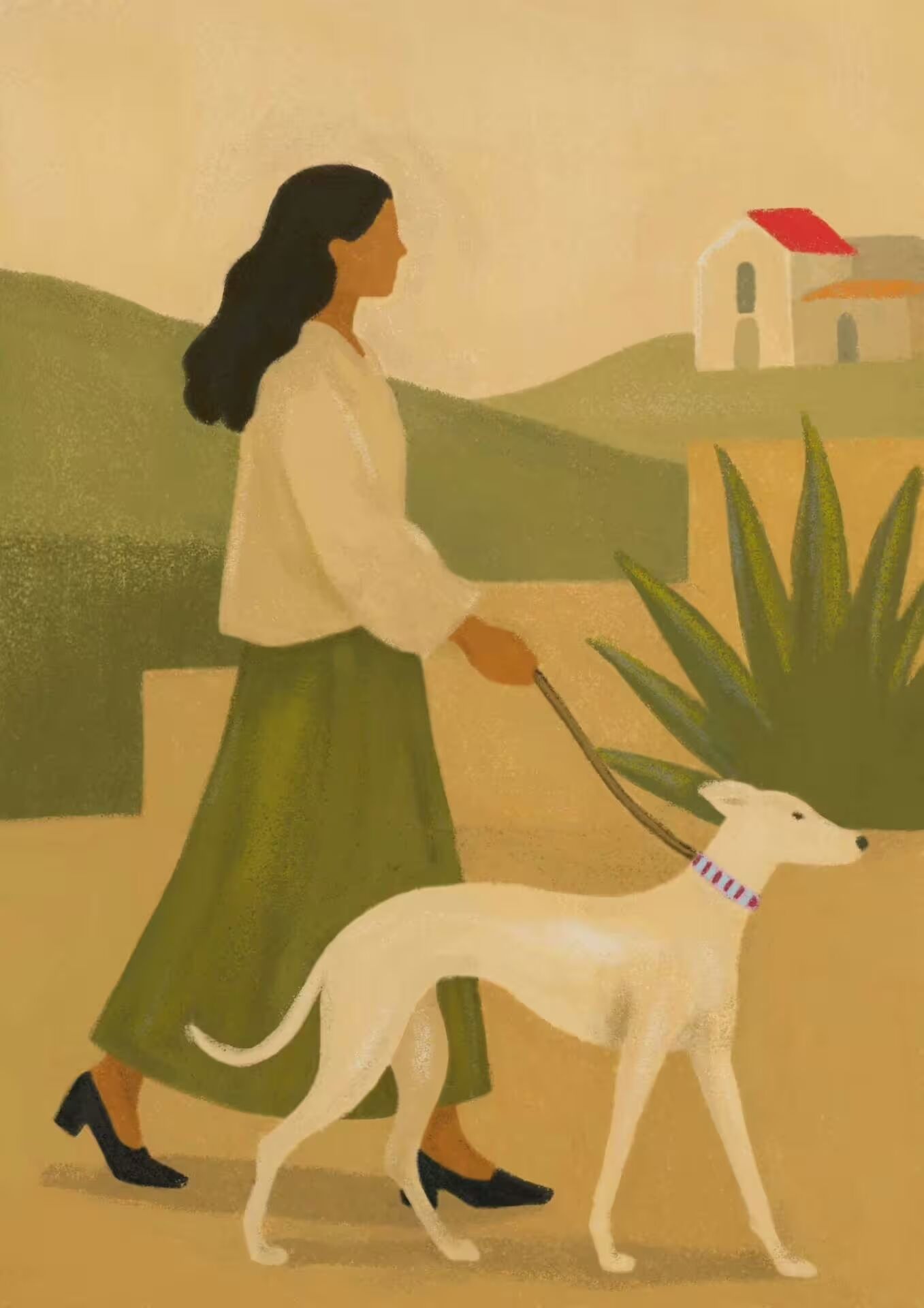
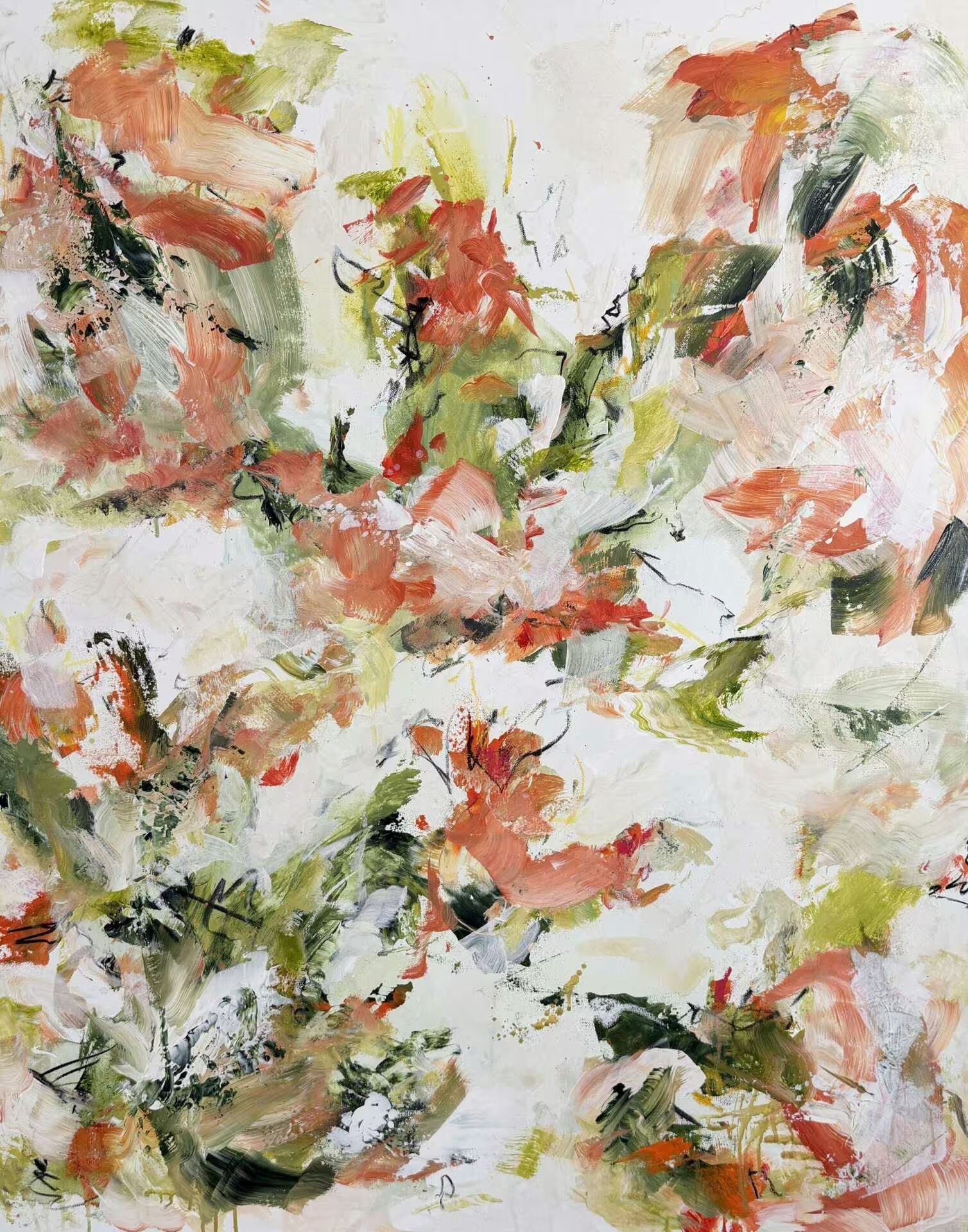
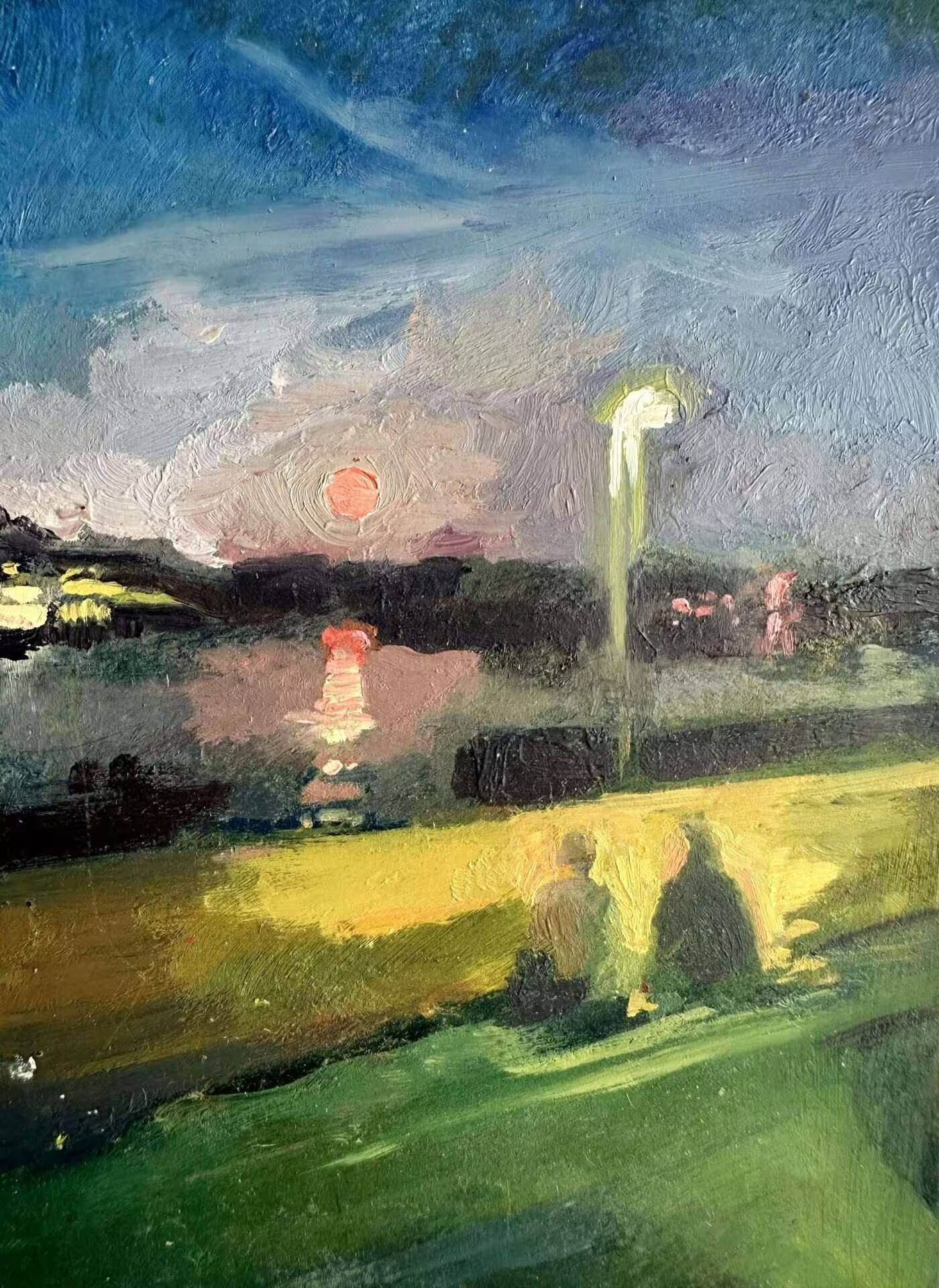
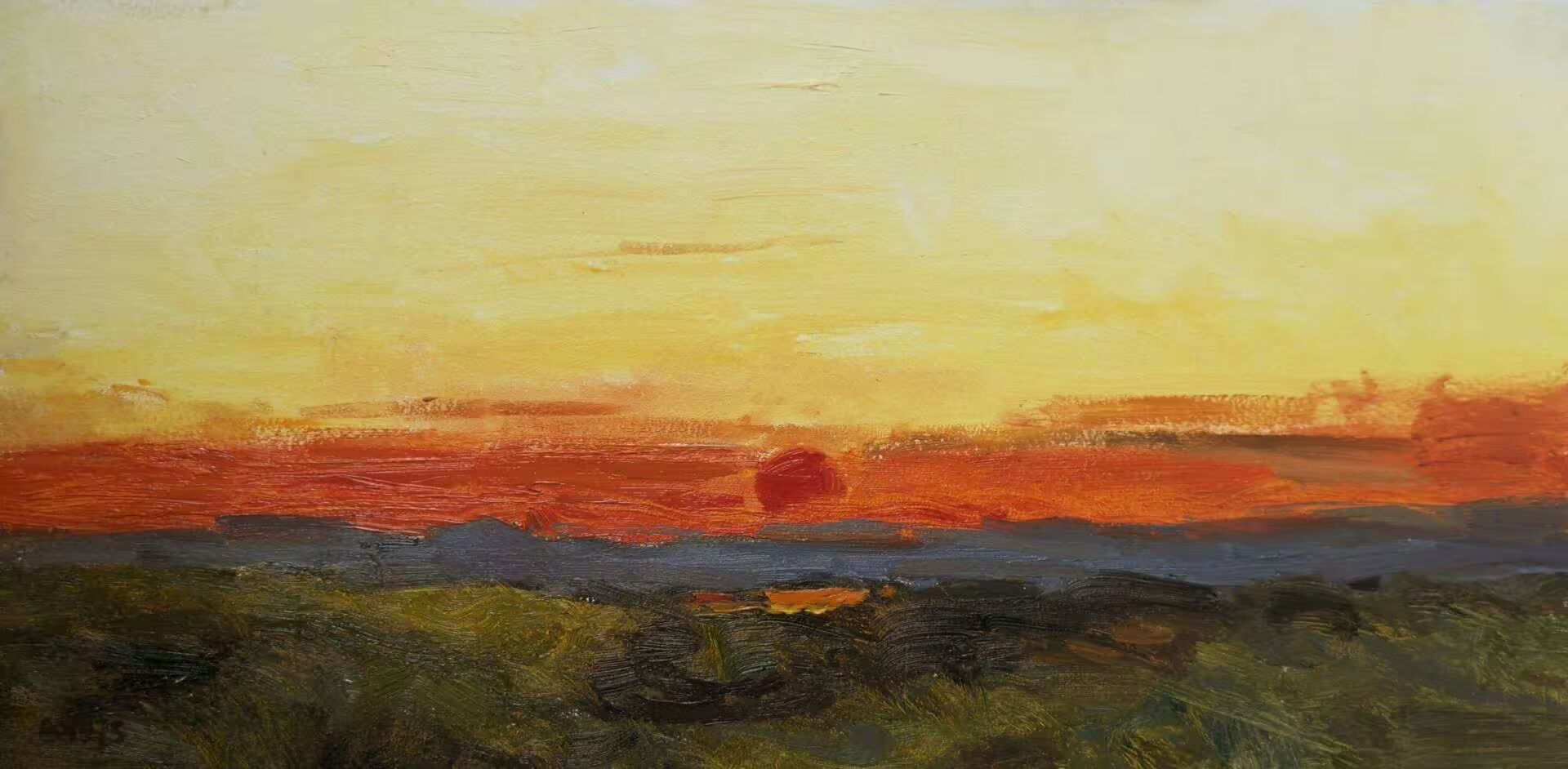
Late August
Heat
like a tent over
John’s garden. And some things
even have the nerve to start now:
Clusters of tomatoes, beds
later lilies – the optimism
of these tall stems – majestic
gold and silver. But why
start something else,
so close to the end?
(Excerpt from a poem: Louise Glück, ‘Vespers (End of August)’, 1992, free translation from the English)
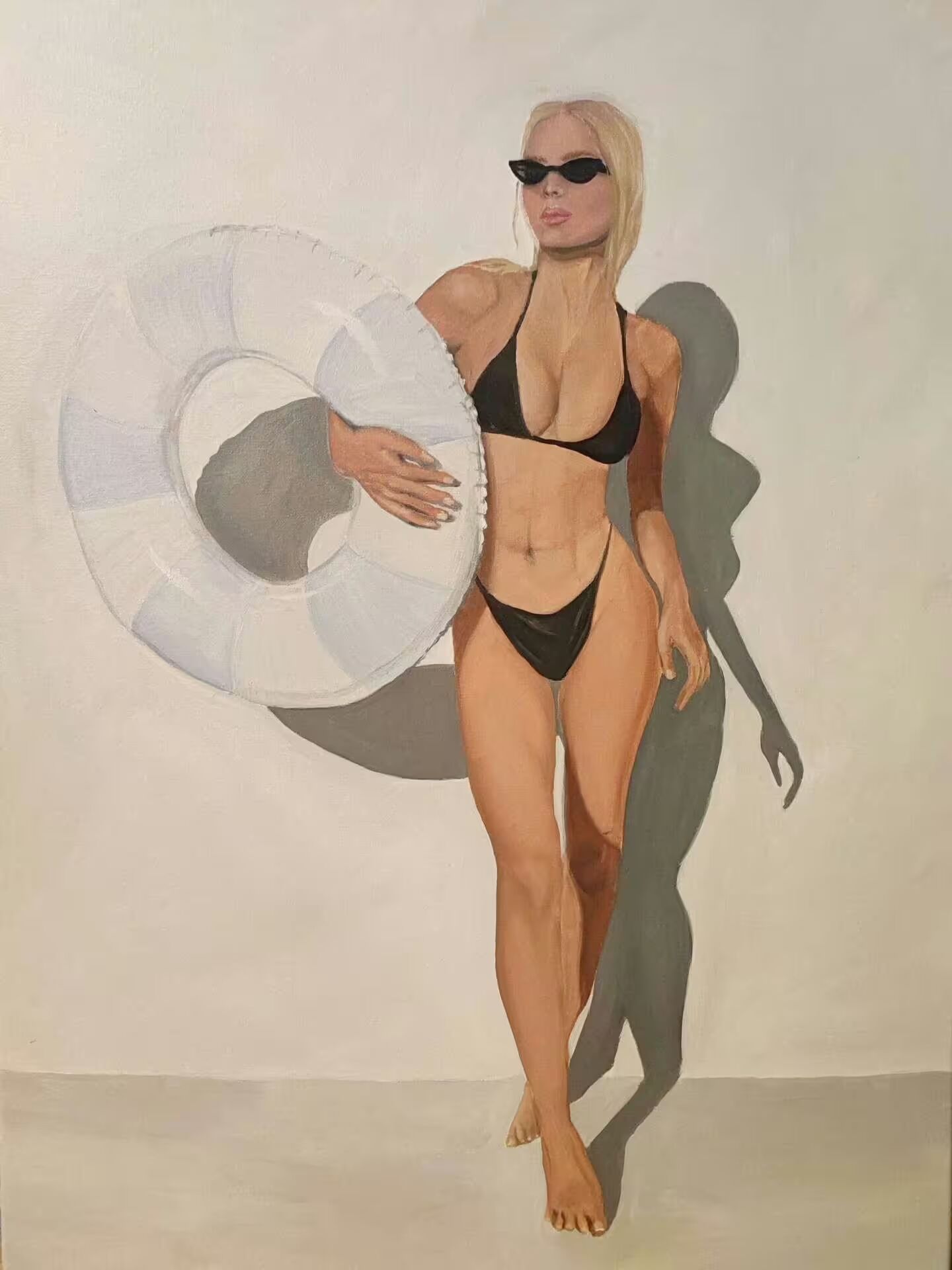
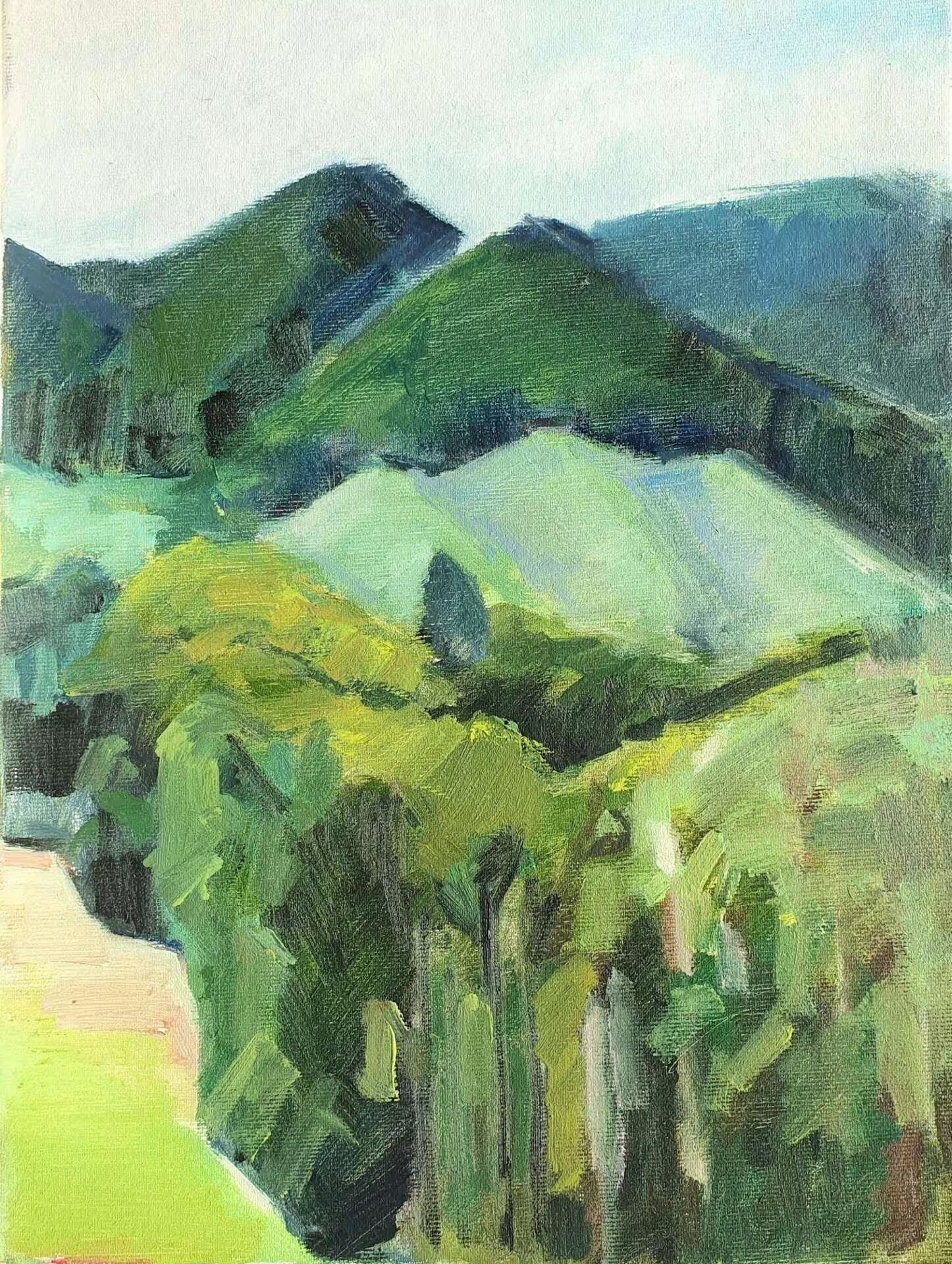
That was the loveliest day of the summer,
Now it echoes before the quiet house
in fragrance and the sweet fluttering of birds
Fades away, irretrievably softly.
In this hour, a golden spring
Summer pours lavishly, in crimson splendour,
From its full horn
And celebrates its final night.
(Poem: Hermann Hesse, ‘That Was Summer’s Finest Day’, 1899)
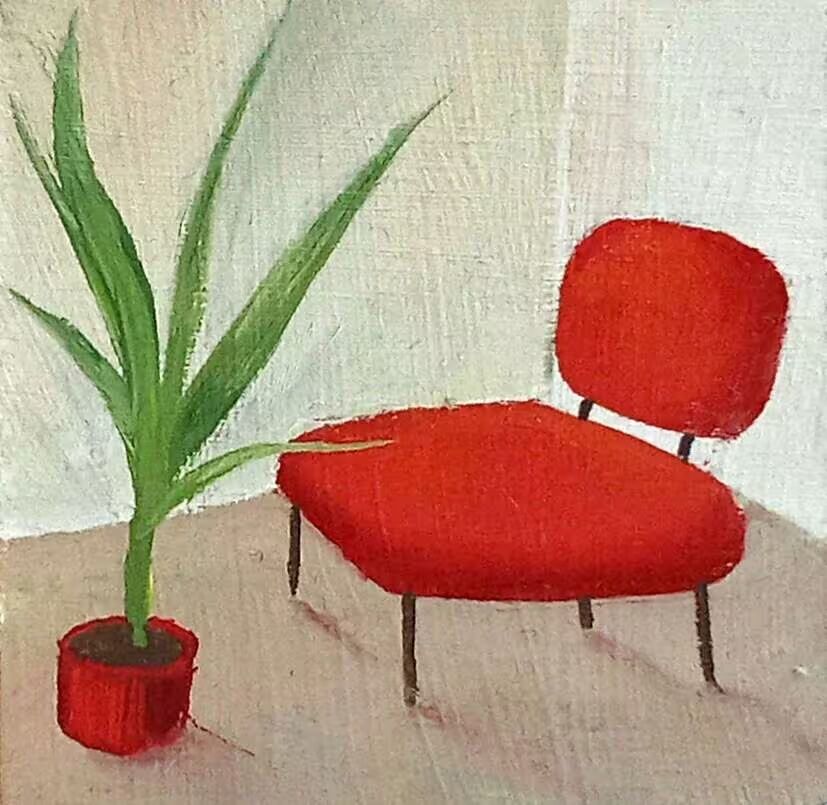
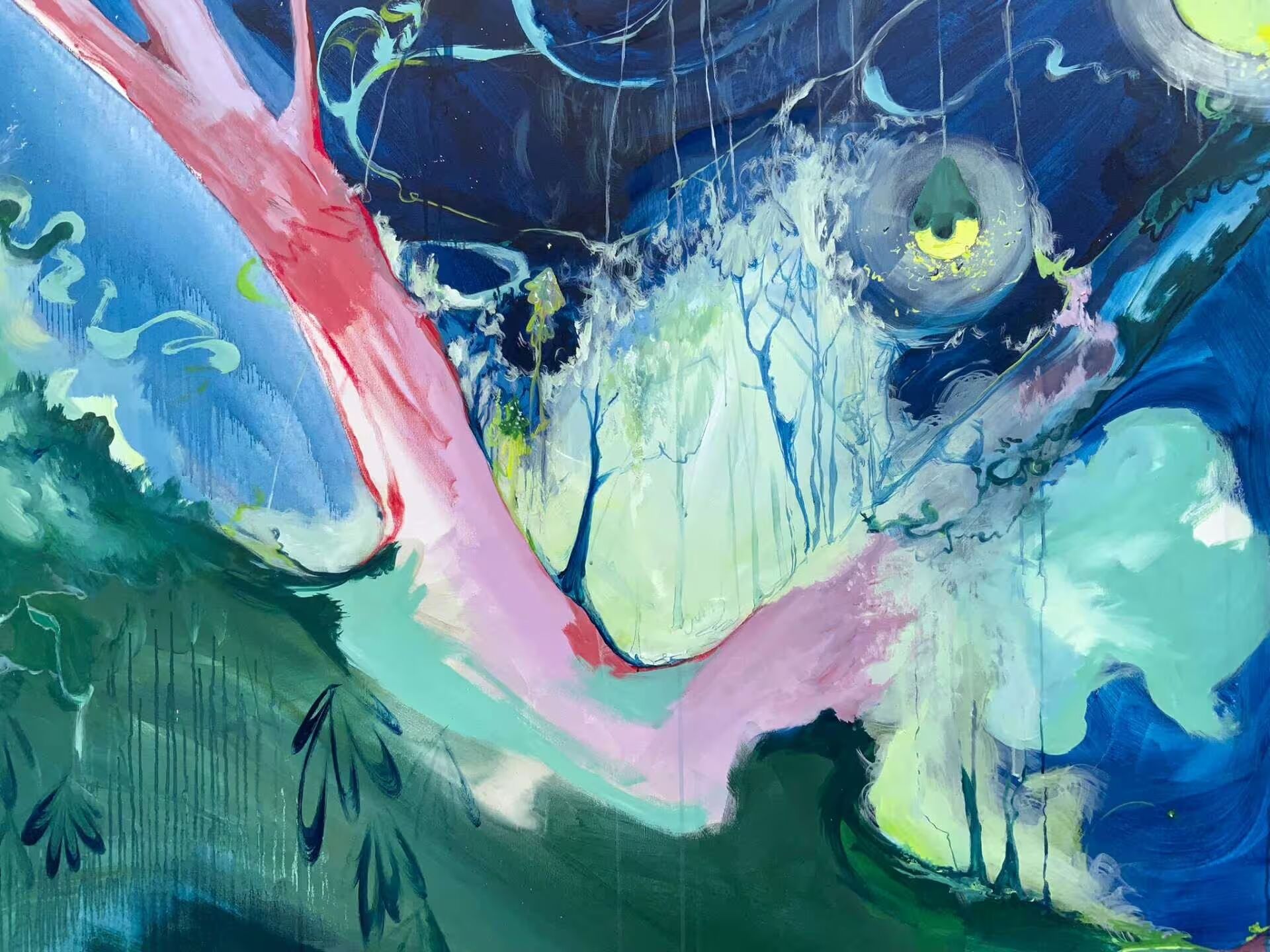
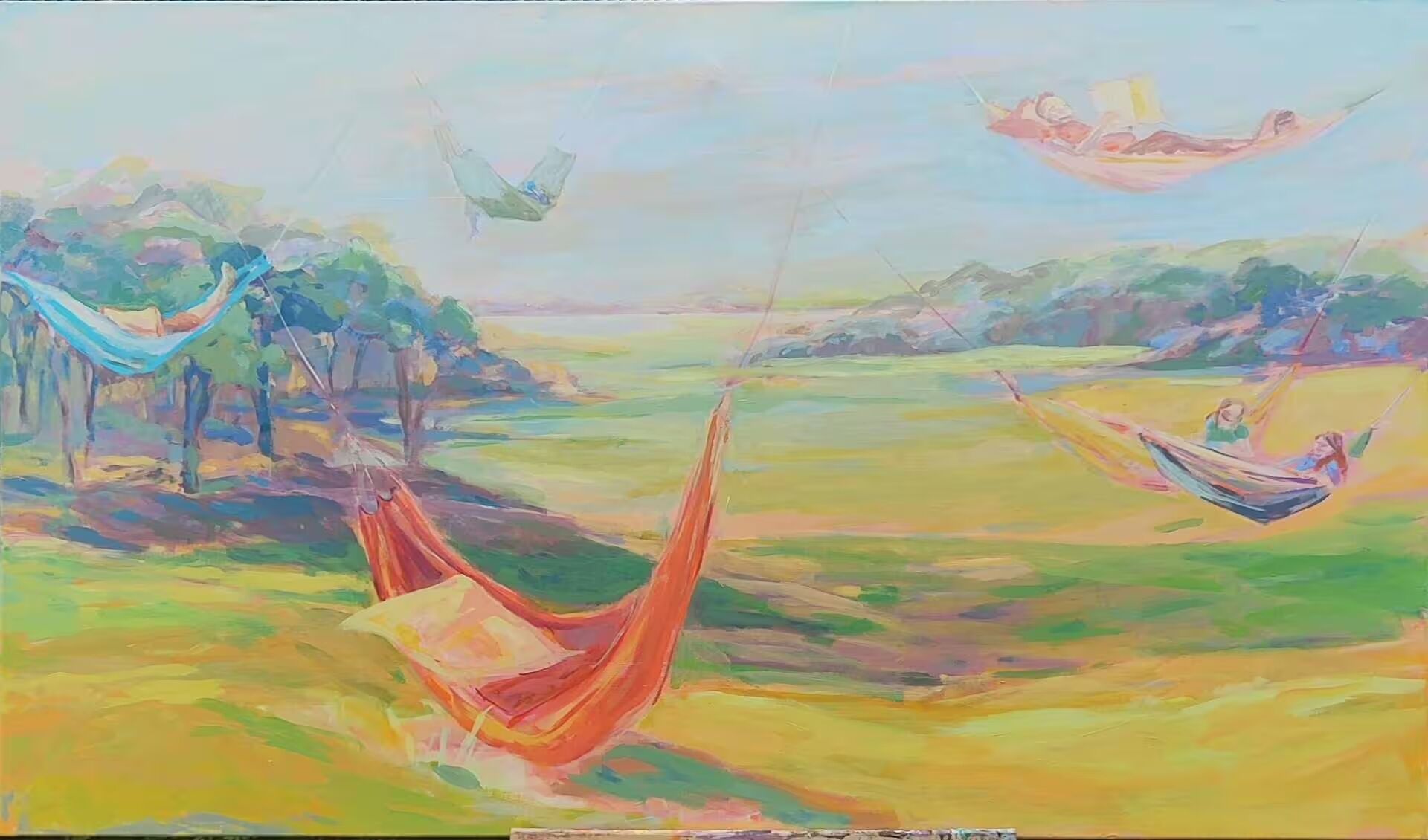
Summertime and life is easy
The fish are leaping and the cotton’s growing tall
Oh, your daddy’s rich and your mum’s good-looking
So hush, little baby, don’t you cry
One of these mornings
You’ll rise up singing
Yes, you’ll spread your wings
And you’ll take to the sky
But until that morning
There’s nothing that can harm you
With Daddy and Mammy standing by
(Aria: George Gershwin, Summertime, 1934)
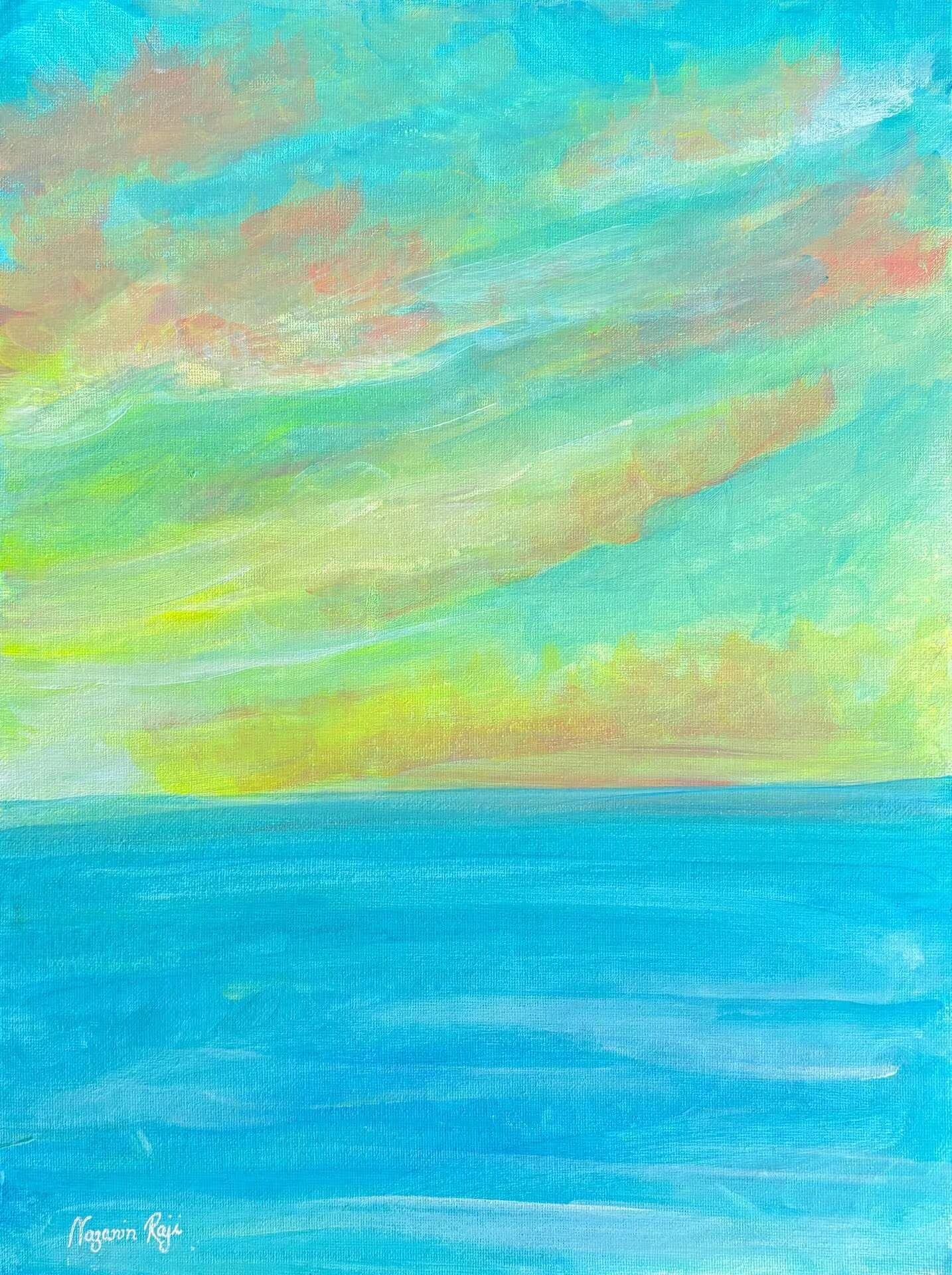
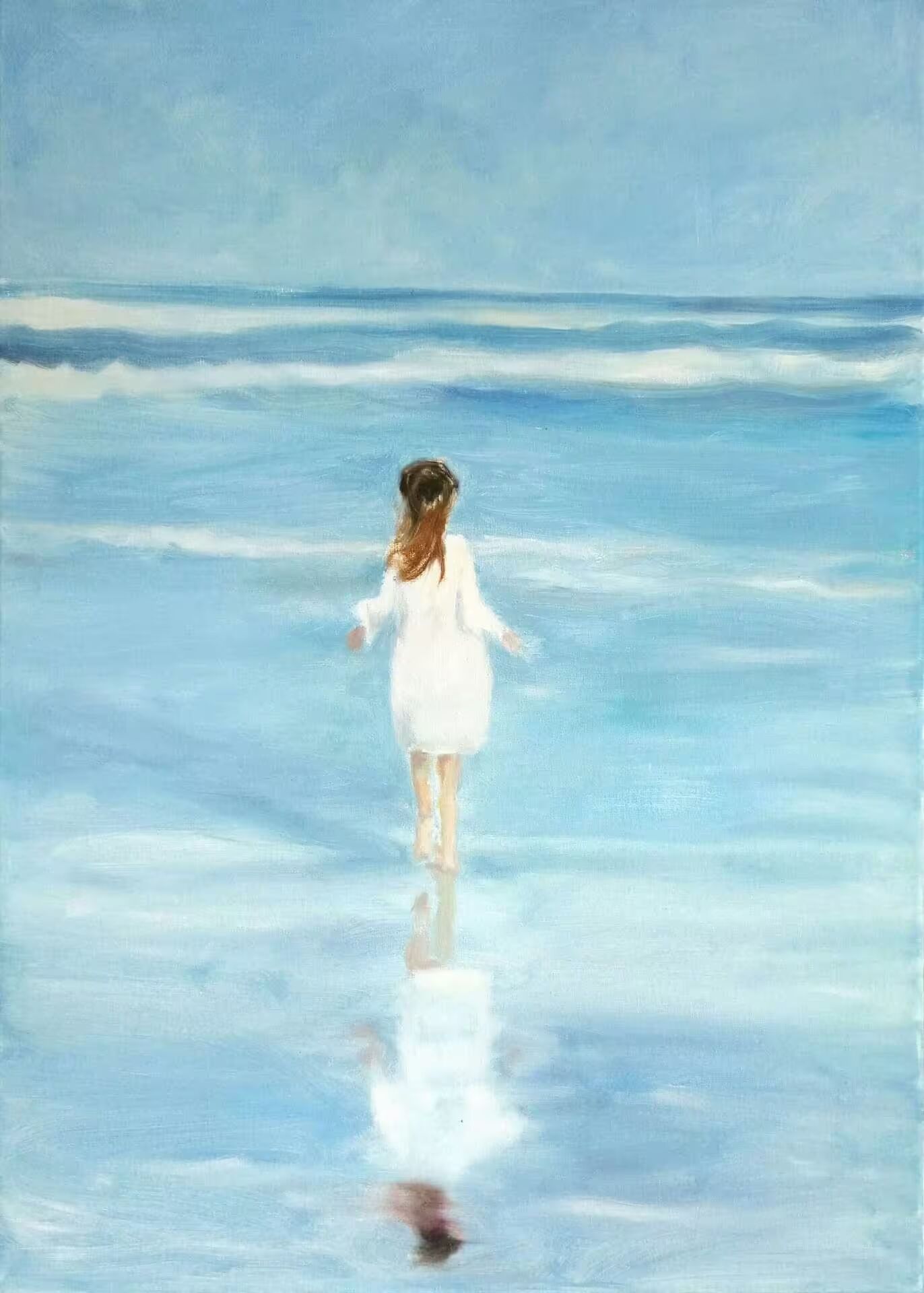
The sea is like love:
You step into it and don’t know
if you’ll ever come out again.
How many have lost their youth in it –
fatal leaps, deadly dives,
cliffs, chasms, hidden rocks,
whirlpools, sharks, jellyfish.
Woe betide us if we stop swimming,
just because five or six have drowned.
Woe betide us if we turn our backs on the sea,
just because it knows how to swallow us whole.
The sea is like love:
A thousand enjoy it – one pays the price.
(Poem: Dinos Christianopoulos, ‘The Sea’, 1962, free translation from the Greek)
Frequently Asked Questions
Studierenden Kunstmarkt ist die führende Plattform im deutschsprachigen Raum für studentische Kunst. Sie ermöglicht Kunstinteressierten und KunstliebhaberInnen Kunstwerke direkt von Kunststudierenden zu kaufen und sie somit während des Studiums finanziell zu unterstützen.
Studierenden Kunstmarkt wurde 2020 von Erich Reich und seinem Bruder gegründet. Erich ist noch immer Geschäftsführer von Studierenden Kunstmarkt und hat es gemeinsam mit seinem Team geschafft, eine Plattform zu kreieren, die Kunstliebhaber, Kunstinteressierte und Kunststudierende zusammenzubringen. Bis heute ist Studierenden Kunstmarkt komplett selbst finanziert und hat keine externen Gelder von Investoren aufgenommen.
Zu jedem Zeitpunkt gibt es mehrere hundert Kunststudierende und mehrere tausend Kunstwerke auf Studierenden Kunstmarkt. Ein guter Einstieg, um einen ersten Überblick über die KünstlerInnen zu erhalten, ist die Kategorie KünstlerInnen des Monats.
Genau so wie normale Galerien, erhält Studierenden Kunstmarkt eine Provision pro verkauftem Bild. Damit wird der Betrieb der Plattform, die Instandhaltung, sowie die Angestellten von Studierenden Kunstmarkt finanziert. Zusätzlich unterstützen wir die Studierenden, stehen beratend bei allen Fragen zur Verfügung und schalten kostenlos Werbung für die Studierenden auf Instagram, Facebook, Google und unserem E-Mail Newsletter mit mehreren tausend KunstliebhaberInnen als Abonnenten.
Es gibt viele Möglichkeiten, wie du beginnen kannst, in junge Künstler:innen auf Studierenden Kunstmarkt zu investieren. Eine Möglichkeit ist es, dass du dich zu unserem kostenlosen E-Mail Kurs “In 7 Tagen zum Kunst Profi” anmeldest. Dort teilen wir ein paar basics mit dir und auch einige unserer Geheimtipps, welche Künstler:innen besonders viel Potential haben. Mehr erfahren
Take a look at our most popular artists at the Student Art Market
News banner