


by Matthea
Status: 08.19.2026
6 tips on what to look out for when buying art
Key points at a glance
When- buying a painting, you should focus above all on your own taste, your budget, the artist, the quality and authenticity of the work, and how it will look in your room. The purchase, delivery and documentation should also be clarified in advance.
- These six tips for buying paintings will help you to compare works of art more effectively, put prices into perspective, understand an artist’s development and avoid common uncertainties when buying art.
- These tips are particularly helpful for beginners, but also for collectors and anyone wishing to buy a painting online and compare originals, editions or reproductions.
- Start by defining your personal taste and setting a realistic price range. You can then compare works and artists and check details regarding condition, authenticity, delivery and returns. For larger purchases, a personal consultation can provide further guidance.
The decision to buy a work of art is a very personal one. Of course, you should familiarise yourself with the background of the work and the artist, and you can also buy art purely as an investment – but art remains a subjective matter. That means: trust yourself and your instincts. It’s a choice based on a motif, a mood, a story – and perhaps an artist whose development you’d like to follow over the years. At the same time, the art market can seem confusing, especially for beginners: what makes a work valuable? How much should you spend? And how can you tell if an offer is genuine? Here, tips on buying paintings are very helpful.
The good news is that you don’t need to be an art historian to make good decisions. If you take a little time before buying to consider your own taste, the artwork, the artist and the broader context, you can avoid a lot of uncertainty. These six tips for buying a painting will help you, step by step, to find the artwork that really suits you.
Tip 1 for buying a painting: Buy a painting that you really like
The most important tip of all when buying a painting may sound obvious at first: buy art that you enjoy looking at. Especially when buying art for the first time, it’s very tempting to be swayed by well-known names, so-called ‘insider tips’ or claims about potential appreciation in value. But a work of art isn’t hanging in your home for the market’s sake; it’s there to accompany you in your everyday life.
So take time to discover your own taste. Which colours draw you in? Which motifs stick in your mind? Do you like abstract art, landscapes, portraits or rather unusual hybrid styles? Perhaps you’ve long had a preference for a particular art movement without having been able to put a name to it until now. It helps to see as much art as possible. Visit exhibitions, galleries and museums, and make a mental note of works that you like at first glance. Over time, you’ll start to recognise patterns: perhaps certain colours, compositions or techniques keep cropping up. This is precisely how your personal style can develop.
You should also trust your gut feeling. When buying a work of art, there’s no objective formula for which piece will move you. A work may be significant in art-historical terms and yet leave you cold. Conversely, an unknown artist might create a painting that you’ll still enjoy looking at years later. That doesn’t mean that background knowledge isn’t important. On the contrary: the more you know about art, the easier it is to understand your own reaction. But knowledge should broaden your taste, not replace it.
Tip 2 for buying a painting: Know your budget – and the additional costs
One of the most important tips for buying a painting is to set a realistic budget. Before you start your search, you should decide how much you’re willing to spend on a work of art. This doesn’t have to be a rigid limit. A price range is often more sensible: for example, 300 to 600 euros or 1,000 to 2,000 euros. Why is this helpful? Because the art market offers an enormous range of prices. Originals can be available for as little as a few hundred euros, whilst works by established artists can easily cost several thousand euros or significantly more. Setting a clear budget prevents you from looking exclusively in price ranges that are actually out of your league.
Also, factor in additional costs. Depending on the artwork, framing, postage, insurance or special packaging may be required. For a large-format painting, safe transport alone can amount to a significant sum. You should therefore ask before purchasing which services are included in the price. And how much should one actually pay for a painting? There’s no one-size-fits-all answer to this. The price depends, amongst other things, on the artist’s profile, their exhibition history, the technique, the materials used, the size, demand and the market in question. Whether it’s a unique piece or part of an edition also makes a difference.
Prices for emerging artists are often still comparatively low. This can be of interest if you want to collect art and discover new voices. At the same time, a low price does not automatically mean that a work is undervalued – and, conversely, a high price is no guarantee of high quality. So here’s a useful tip when buying a painting: compare similar works and prices before you make your decision. Particularly with established artists, past sales and auction results can provide additional guidance. When buying art, however, it’s not about ‘haggling’ for the last euro, but about finding a price that you feel is fair for that specific work.

3. Tip for buying a painting: Find out about the artist behind the work
A painting rarely stands alone. Behind it is a person with their own visual language, training, background and artistic development. One of the best tips when buying art is therefore: don’t just look at the individual painting, but also at the artist’s body of work as a whole. How long has the artist been working professionally? Where did they study? What exhibitions have they had? Are their works represented in galleries? Which themes and techniques recur in their work? And above all: is the work you’re buying typical of their artistic development, or is it an unusual exception?
These questions will help you better understand an artist’s artistic stance. When buying art for personal enjoyment, it isn’t crucial whether the artist is already a big name. A special tip when buying paintings: young artists in particular, who are still at the start of their careers, can develop exciting artistic approaches.
If you’re interested in an artist, it’s therefore worth looking at several of their works. Perhaps you’ll be drawn not just to a single painting, but to their entire visual language. This could be the start of a genuine passion for collecting. On the other hand, anyone speculating solely on potential capital appreciation should delve much deeper into the art market. Exhibitions, gallery representations, museum acquisitions, publications, awards and the trend in past sale prices can provide clues – but there is no guarantee of future value appreciation.
Which artists should you buy now? This question, too, cannot be answered seriously with a fixed list. Trends change, and collectors’ tastes can shift within a few years. It can be more interesting to keep an eye on artists whose work appeals to you and who, at the same time, demonstrate a recognisable artistic development. In our ‘Artist of the Month’ section, we therefore showcase particularly promising SKM talents every month.
Tip 4 for buying a painting: Check the quality, authenticity and condition
One of the most important tips for buying a painting concerns examining the work itself. Especially if you’re spending a significant amount of money, you should know exactly what you’re actually purchasing. Firstly, you should establish whether it is an original, a print or a reproduction. An original is a uniquely created work of art. In the case of prints or other editions, however, there are multiple copies. This is by no means automatically a bad thing – a limited edition can also be an interesting way to collect art. You can find out more about this in our article ‘What is an art print – and how does it differ from the original?’.
With an original painting, you should pay attention to the materials used and the craftsmanship. What technique was used? What was the support material? How is the paint applied? Are there any visible damages, cracks or flaking? With second-hand works, the condition also plays an important role. Equally important is the question of authenticity. A certificate of authenticity can confirm that a work is attributed to a specific artist. Depending on the artist, age and market value, further documentation regarding the work’s history – that is, its provenance – may also be relevant. For high-value works, an expert valuation may be advisable.
Reputable sellers should be able to provide transparent answers as to where a work comes from, when it was created and what information is available regarding its authenticity. So don’t be afraid to ask questions. Particularly when buying a work of art, it is entirely legitimate to want to know exactly what you are buying before making payment. When looking at online listings, you should also ensure that the photographs are clear and informative. Ideally, they should show not only the overall view but also details of the surface, the signature and the reverse. With a painting, the texture of the paint application can account for a large part of its impact – and this cannot always be fully assessed on a screen.

Tip 5 for buying a painting: Check whether the artwork suits you and your room
What ‘ ’ means Another of the six tips for buying a painting concerns a point that is easily overlooked: the interplay between the artwork and the room. A painting can look fantastic on a screen but suddenly appear quite different on your own wall. You should therefore pay attention to the dimensions. How large is the available wall space? How high will the artwork be hung? Are there any pieces of furniture, doors or windows that need to be taken into account? Lighting conditions also play a role. Direct sunlight can damage certain materials over time and also alters the perception of colours. You shouldn’t underestimate the impact of colour either. A bold, large-scale piece can dominate a room, whilst a small painting tends to act as an accent. That said, art doesn’t necessarily have to match the colour scheme of your décor. A deliberate contrast can actually be particularly exciting.
If you’re thinking of buying a painting online, it can help to place the artwork virtually in your own room. At Studierenden-Kunstmarkt, you can therefore ‘hang’ all the works directly on your wall digitally using the ‘View in room’ button (on your smartphone). Even better: if possible, view the original in person. In a gallery or exhibition, you can experience the size, surface and colour effect first-hand. This is particularly helpful with textured or large-format works.
Also, think about whether you’d like to keep the artwork in the long term. A piece of art doesn’t have to match your current décor perfectly. Furniture can be replaced, and walls can be redecorated. A painting that truly inspires you can outlast a move or a new interior design.
Tip 6 for buying a painting: Find out about the purchase, delivery and documentation
The final tip concerns the practical details. Even if you’ve found the piece you’ve been looking for, the purchase isn’t truly complete until the terms and conditions are right. Before buying, clarify who the seller is and what information is available about the artwork. If you’re buying from a gallery or an established art dealer, you can usually ask specific questions about the artist, materials, year of creation and provenance. Even when buying directly from an artist, it’s worth recording all the important details in writing.
Pay attention to the invoice and ensure that the artwork is clearly labelled. For originals and editions, details such as the title, artist, technique, dimensions and, where applicable, the print run should be clearly documented. A certificate of authenticity can supplement this documentation. You should also clarify delivery arrangements before making the purchase. How will the painting be packed? Is the transport insured? What happens if the artwork arrives damaged? And is there a returns policy? These questions are particularly important when buying online.
Buying online offers one major advantage: you can compare a very wide range of options. At the same time, you should take a closer look, as you may not have seen the original work in person beforehand. Reputable sellers therefore provide as much information and as many detailed photographs as possible. For larger investments, a personal consultation can be useful. Gallery owners, art advisers or experienced collectors can help you make sense of prices, artists and works. This doesn’t mean you have to hand over your decision-making to them. Good advice should provide you with additional information so that you can decide for yourself. With us, you can receive free, no-obligation advice on your art purchase from our founder, Erich Reich.

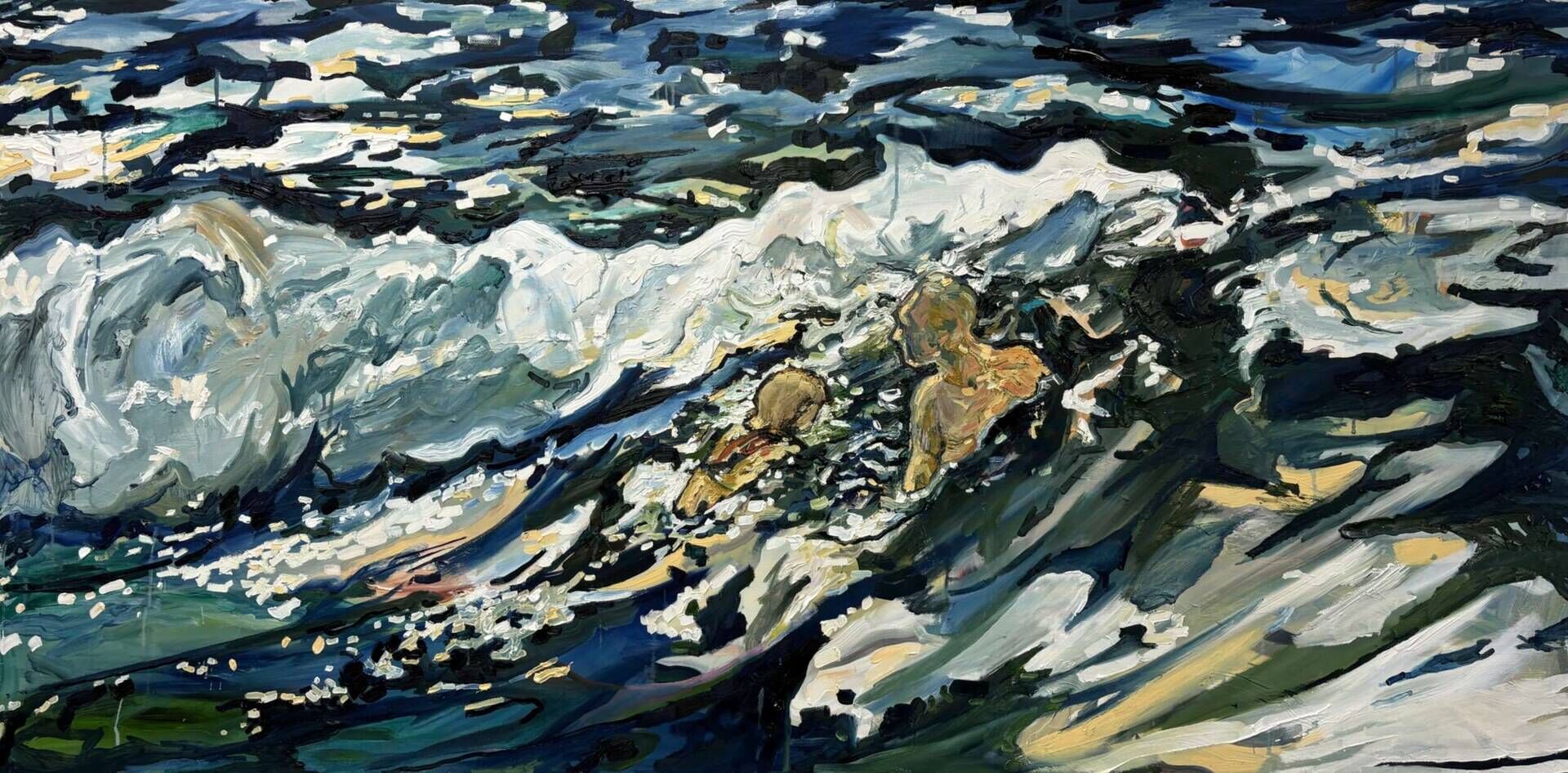
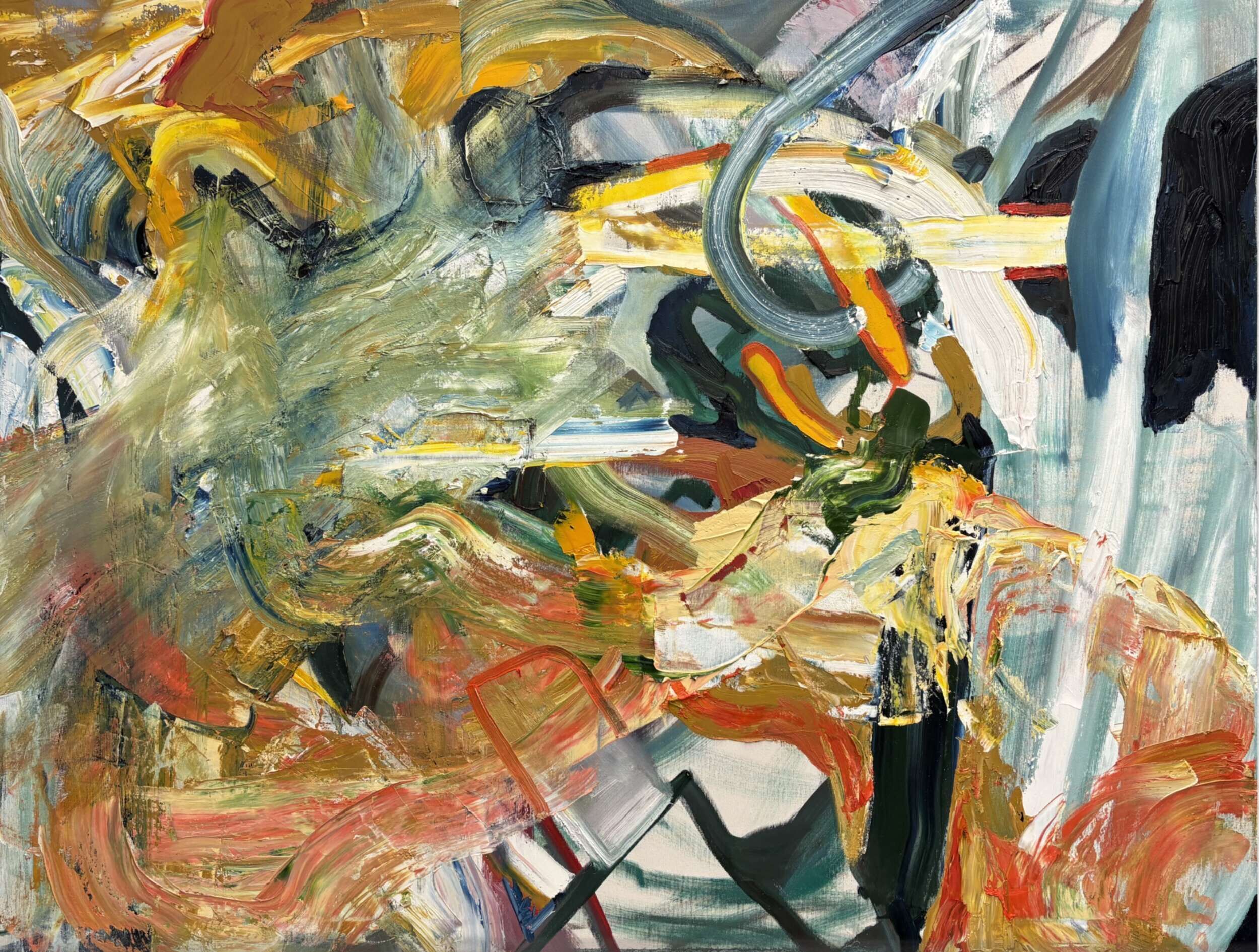
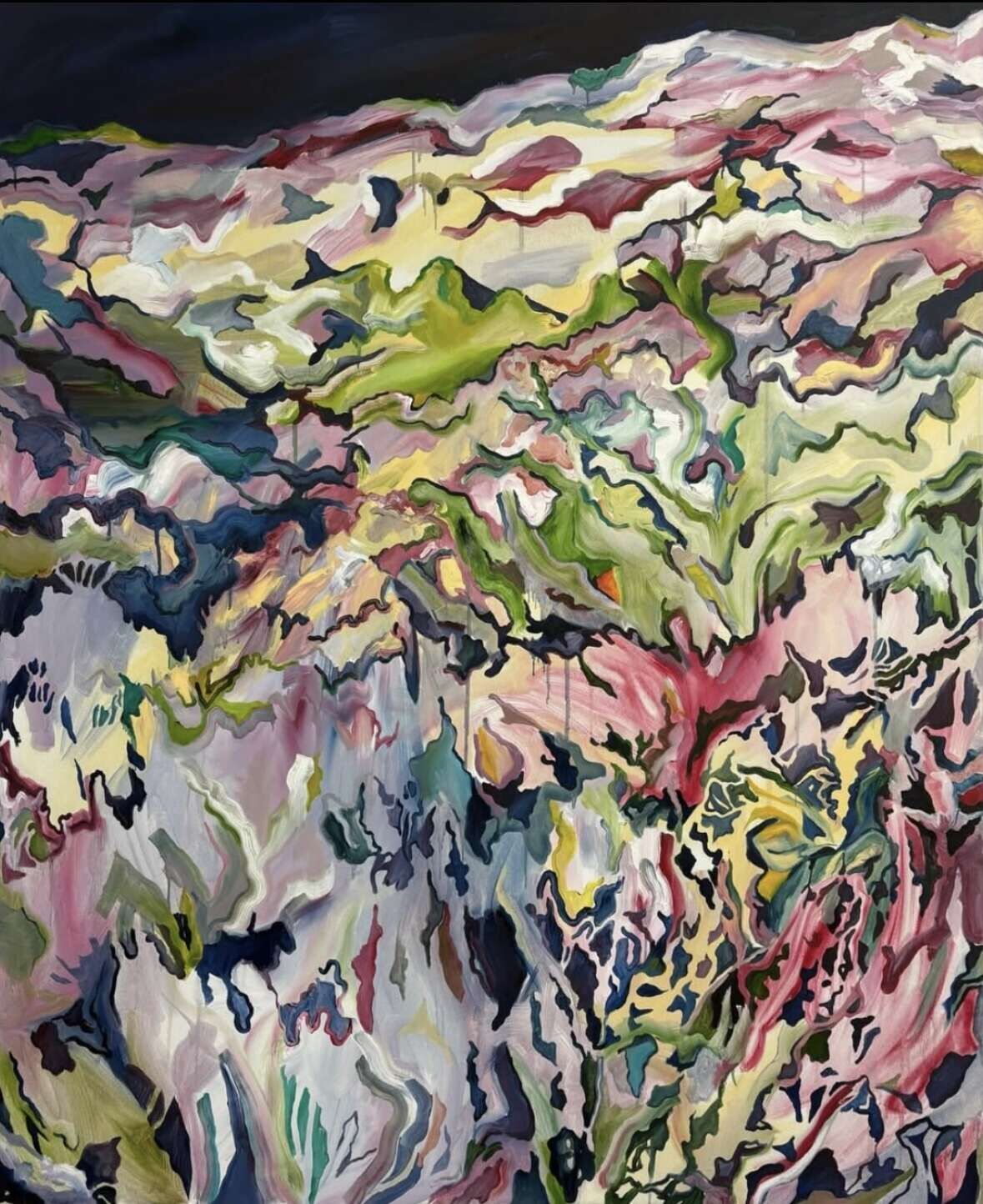
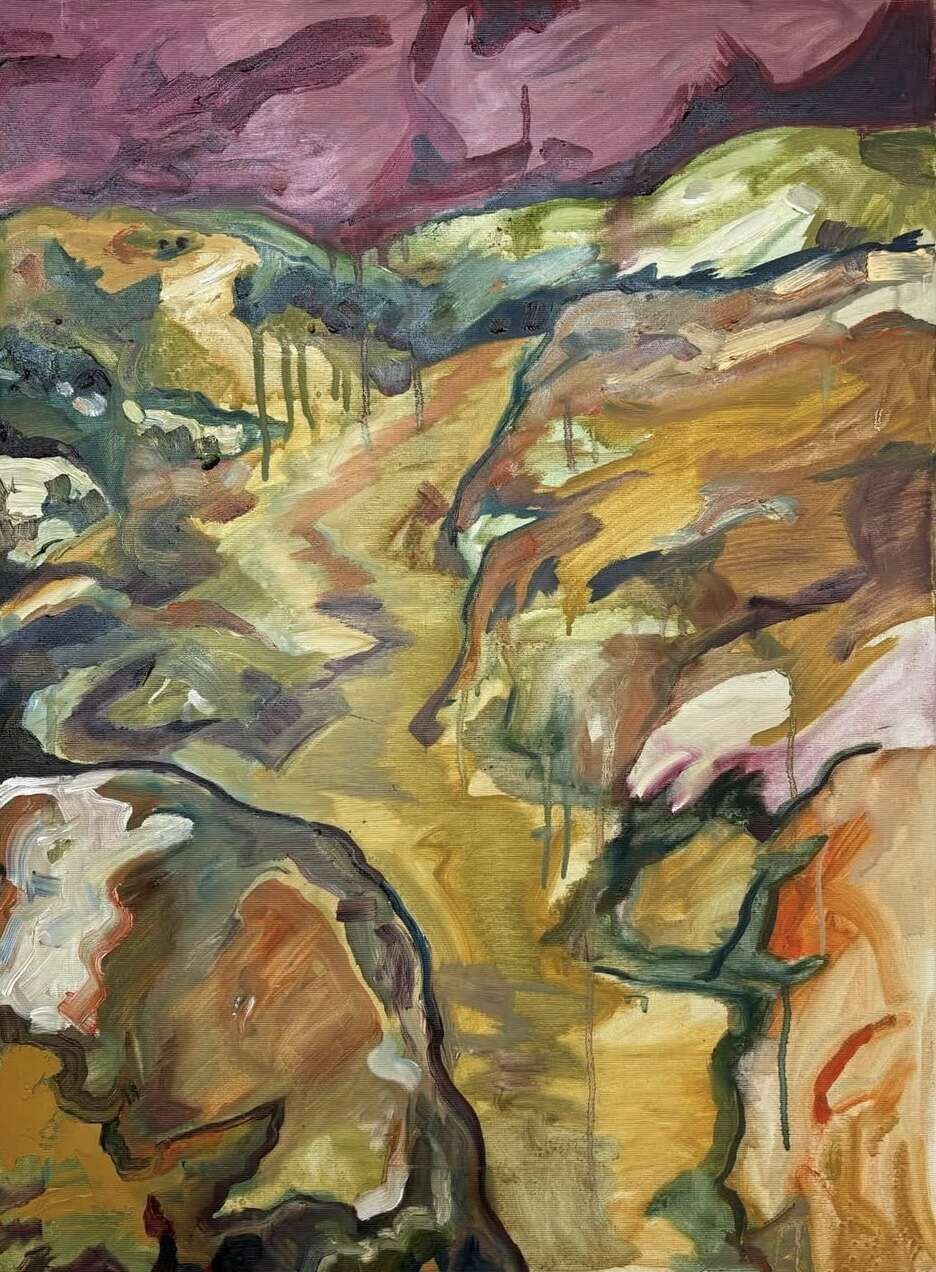
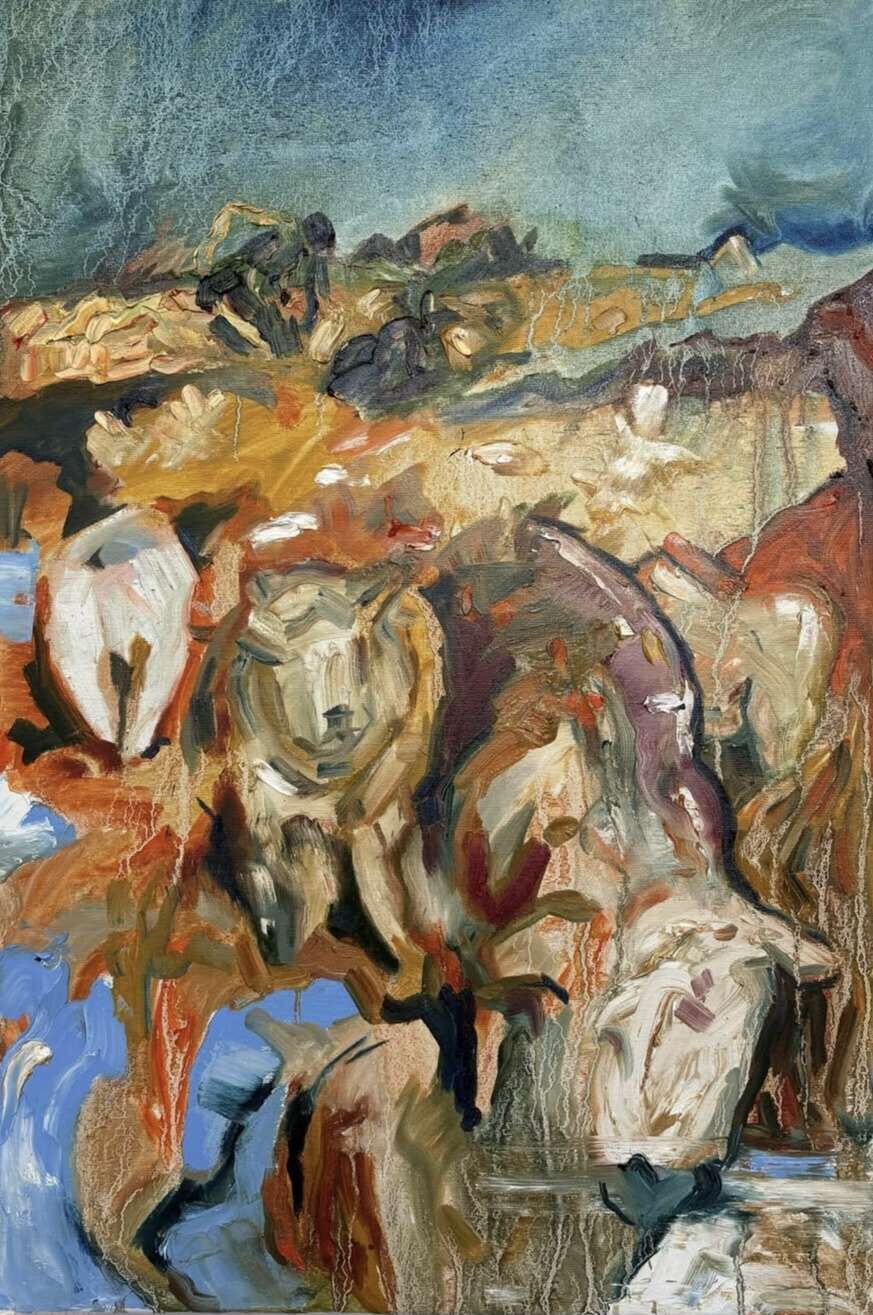
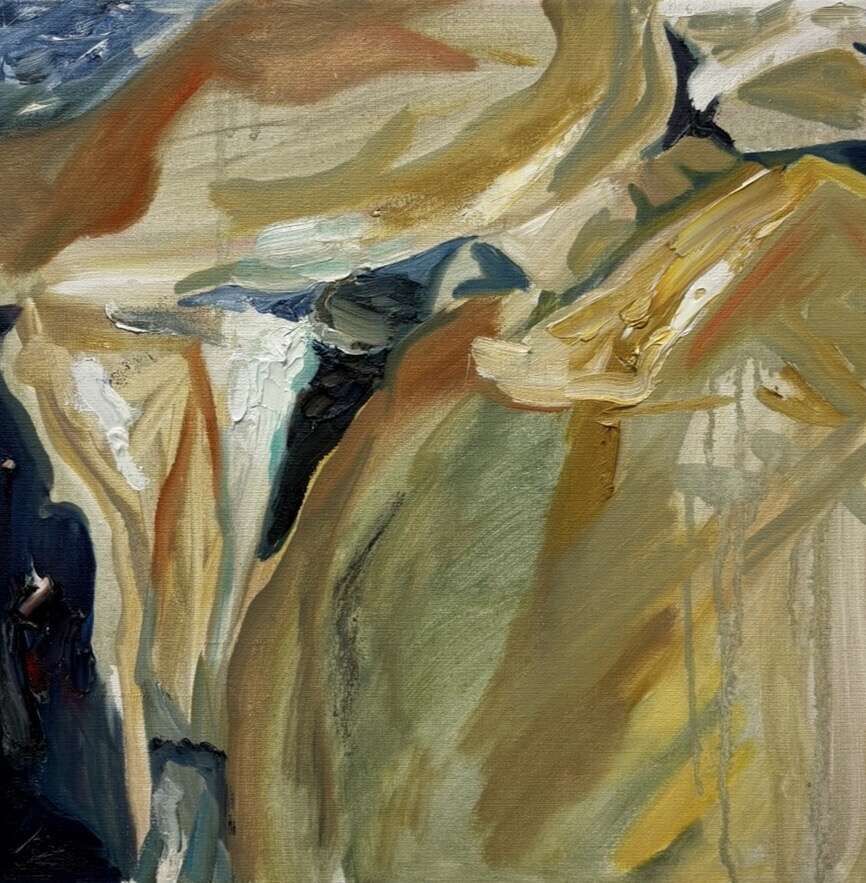
Tips for buying a painting: How to ensure you’ll enjoy your artwork for years to come
. When buying art, you don’t have to make the first decision that comes along. Take your time, compare different works and think about what you’re looking for – a unique piece, a limited edition or an art print. Format, technique and artistic style can help narrow down your choices, whilst comparing similar works gives you a better sense of price ranges. You should also familiarise yourself with the artist’s development, visual language and themes. If you’re buying online, look out for details about the work, its dimensions and year of creation, as well as close-up photos, delivery and returns policies. Seeking advice can provide further guidance, but it should take your taste and budget into account.
The most important tips for buying a painting can ultimately be boiled down to one simple idea: Do your research, but don’t lose sight of your own taste in the process. A good work of art doesn’t have to be the best-known name, the biggest trend or the supposedly best investment. It should intrigue, surprise or move you, whilst also fitting your budget and your expectations. Take your time, ask questions and compare works and artists before making a decision. Especially when making your first purchase, you don’t need to know everything. Every art purchase helps you to further develop your own taste and discover which art will stay with you in the long term.
Frequently asked questions about buying
paintings
Eine feste Summe gibt es nicht. Beim Kunstkauf entscheidet nicht allein die Größe eines Gemäldes über den Preis. Eine Rolle spielen unter anderem Künstler*in, Technik, Material, Entstehungszeit, Nachfrage, Ausstellungshistorie und Marktposition. Auch der Unterschied zwischen einem Unikat und einer Edition ist relevant. Für Einsteiger*innen kann es sinnvoll sein, mit einem Betrag zu starten, der sich finanziell gut anfühlt. So kannst du Erfahrungen sammeln, ohne dass der erste Kauf zu einer großen finanziellen Belastung wird. Wenn du später merkst, dass dich das Sammeln begeistert, kannst du dein Budget schrittweise erweitern.
Der Wert eines Kunstwerks lässt sich nicht allein daran erkennen, ob es dir gefällt. Für die marktbezogene Einschätzung sind unter anderem die Reputation des Künstlers, die Qualität des Werkes, die verwendeten Materialien, der Zustand, die Provenienz und vergleichbare Verkaufspreise relevant. Bei einem unbekannten oder jungen Künstler ist die Einschätzung schwieriger, weil oft weniger Marktdaten vorliegen. Das macht das Werk nicht automatisch weniger interessant. Wenn du Kunst vor allem für dich kaufst, darf der persönliche Wert ohnehin eine zentrale Rolle spielen.
Wer heute Künstler*innen sucht, sollte nicht nur aktuellen Trends folgen. Spannender ist es, Positionen zu entdecken, deren Arbeiten dich langfristig überzeugen und die eine eigenständige Bildsprache entwickeln. Ausstellungen, Kunstmessen, Galerien und Online-Plattformen können dabei helfen, neue Namen kennenzulernen. Für Sammler*innen mit Interesse an einer möglichen Wertsteigerung ist eine intensivere Recherche sinnvoll. Dabei können Ausstellungstätigkeit, Galerievertretungen, Preise, Publikationen und die bisherige Marktentwicklung Hinweise geben. Eine sichere Prognose, welcher Künstler in Zukunft erfolgreich sein wird, ist jedoch nicht möglich.
Ja – wenn du weißt, was du dir vom Kauf versprichst. Kunst kann einen emotionalen, ästhetischen und kulturellen Wert haben und einen Raum dauerhaft prägen. Gleichzeitig kann Kunst an Wert gewinnen. Eine Wertsteigerung sollte beim privaten Kunstkauf jedoch nicht als selbstverständlich vorausgesetzt werden. Wer Kunst ausschließlich als Geldanlage betrachtet, braucht deutlich mehr Marktkenntnis als jemand, der ein Bild für die eigene Wohnung kauft. Der Kunstmarkt ist weniger liquide als viele klassische Anlageformen, Preise können schwanken und ein späterer Verkauf ist nicht garantiert. Für viele Kunstliebhaber*innen liegt der eigentliche Wert deshalb darin, ein Werk über Jahre zu besitzen und täglich mit ihm zu leben.

Frequently Asked Questions
Studierenden Kunstmarkt ist die führende Plattform im deutschsprachigen Raum für studentische Kunst. Sie ermöglicht Kunstinteressierten und KunstliebhaberInnen Kunstwerke direkt von Kunststudierenden zu kaufen und sie somit während des Studiums finanziell zu unterstützen.
Studierenden Kunstmarkt wurde 2020 von Erich Reich und seinem Bruder gegründet. Erich ist noch immer Geschäftsführer von Studierenden Kunstmarkt und hat es gemeinsam mit seinem Team geschafft, eine Plattform zu kreieren, die Kunstliebhaber, Kunstinteressierte und Kunststudierende zusammenzubringen. Bis heute ist Studierenden Kunstmarkt komplett selbst finanziert und hat keine externen Gelder von Investoren aufgenommen.
Zu jedem Zeitpunkt gibt es mehrere hundert Kunststudierende und mehrere tausend Kunstwerke auf Studierenden Kunstmarkt. Ein guter Einstieg, um einen ersten Überblick über die KünstlerInnen zu erhalten, ist die Kategorie KünstlerInnen des Monats.
Genau so wie normale Galerien, erhält Studierenden Kunstmarkt eine Provision pro verkauftem Bild. Damit wird der Betrieb der Plattform, die Instandhaltung, sowie die Angestellten von Studierenden Kunstmarkt finanziert. Zusätzlich unterstützen wir die Studierenden, stehen beratend bei allen Fragen zur Verfügung und schalten kostenlos Werbung für die Studierenden auf Instagram, Facebook, Google und unserem E-Mail Newsletter mit mehreren tausend KunstliebhaberInnen als Abonnenten.
Es gibt viele Möglichkeiten, wie du beginnen kannst, in junge Künstler:innen auf Studierenden Kunstmarkt zu investieren. Eine Möglichkeit ist es, dass du dich zu unserem kostenlosen E-Mail Kurs “In 7 Tagen zum Kunst Profi” anmeldest. Dort teilen wir ein paar basics mit dir und auch einige unserer Geheimtipps, welche Künstler:innen besonders viel Potential haben. Mehr erfahren
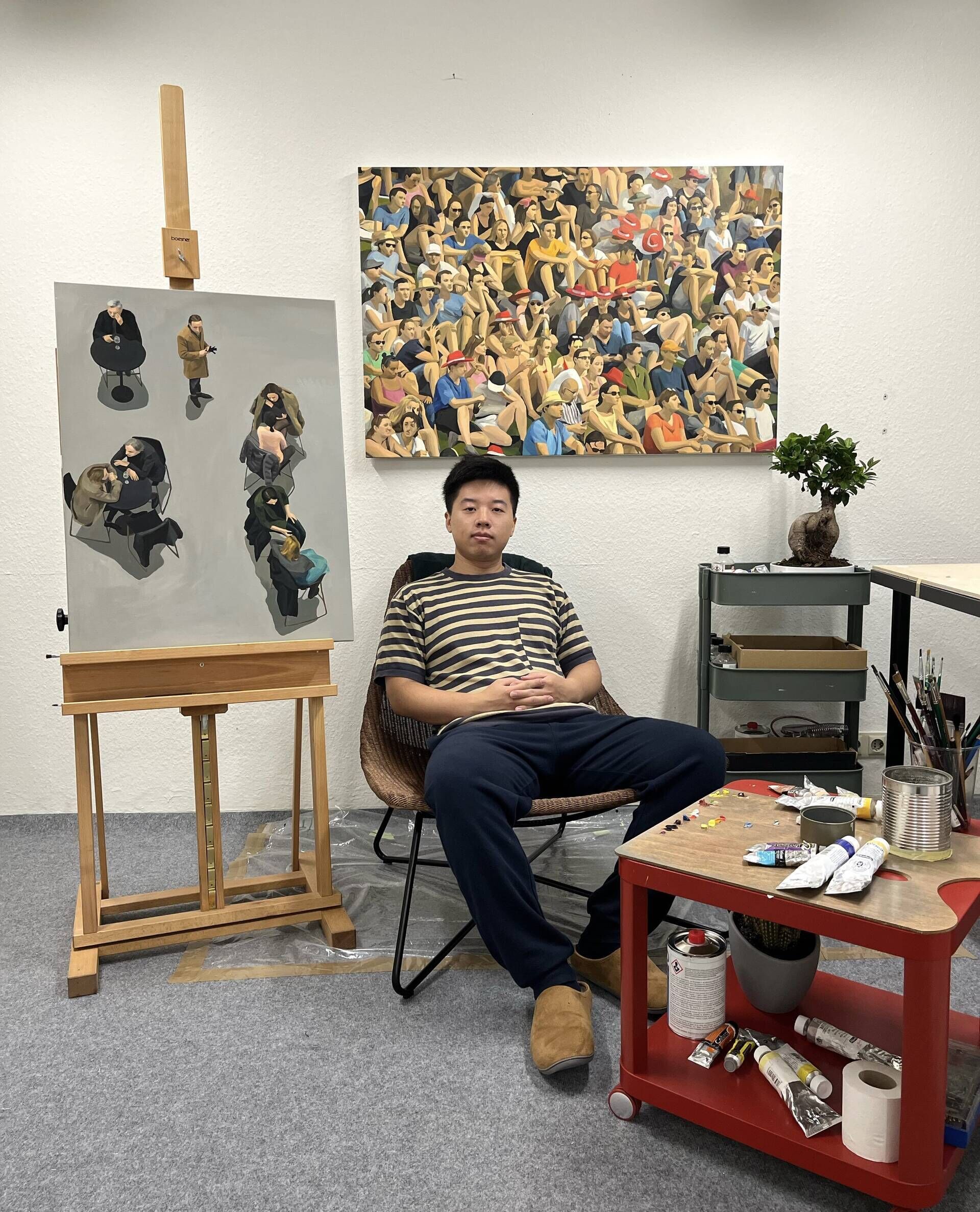
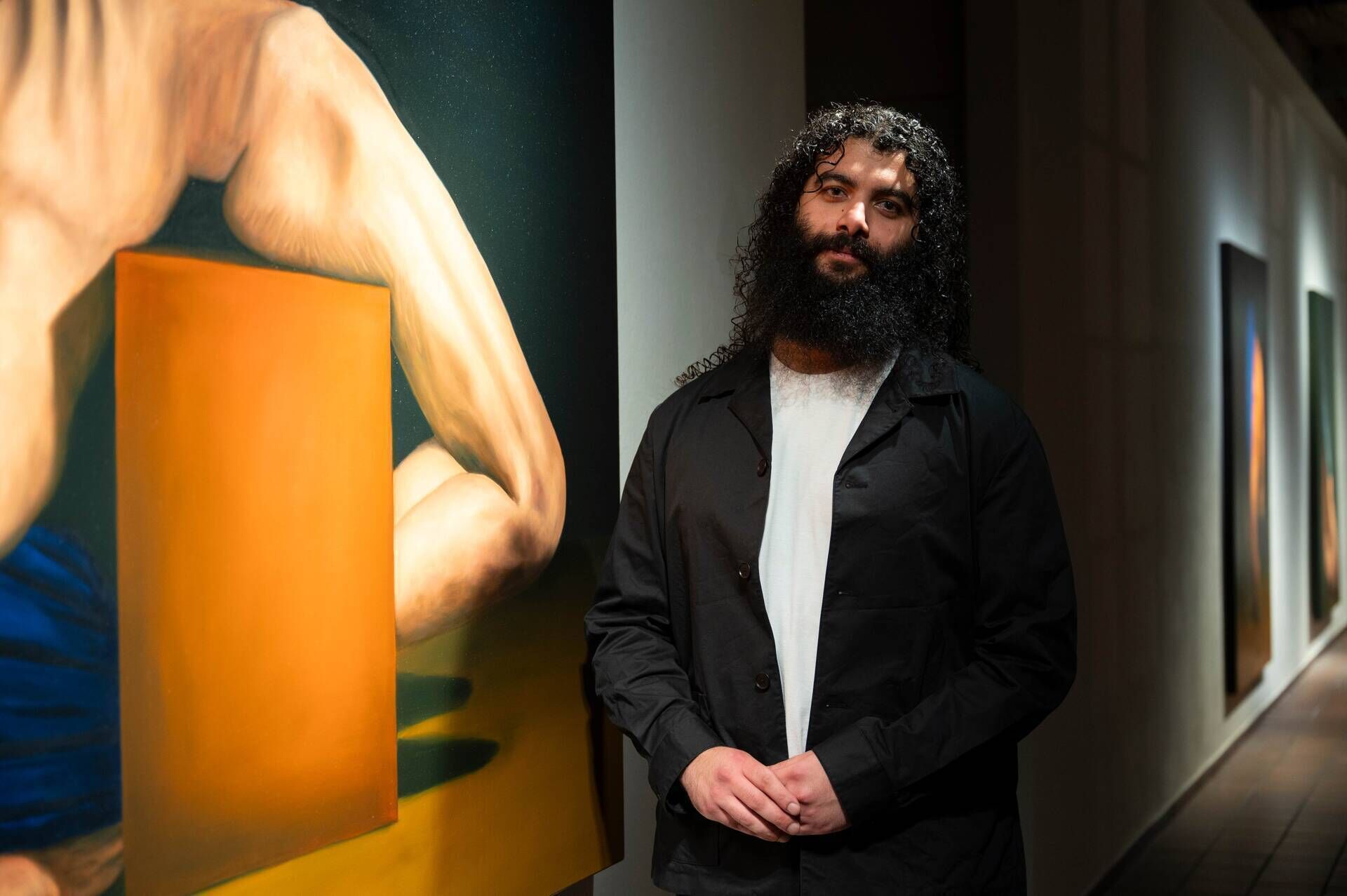
Take a look at our most popular artists at the Student Art Market







News banner