
by Matthea
Status: 08.19.2026
Line, Form and Contrast – What is abstract art?
Key points at a glance
- Abstract art deliberately eschews recognisable motifs and instead uses colour, form and composition as independent means of expression – without reference to any specific object.
- You’ll learn what defines abstract art, the different styles that exist, and which artists have shaped abstract painting over the decades. This is
- particularly helpful for those new to buying art who want to better understand abstract works and distinguish between styles to suit their own taste.
- Read on to find out which form of expression – geometric or organic – suits you best, and then browse through suitable works by young artists.
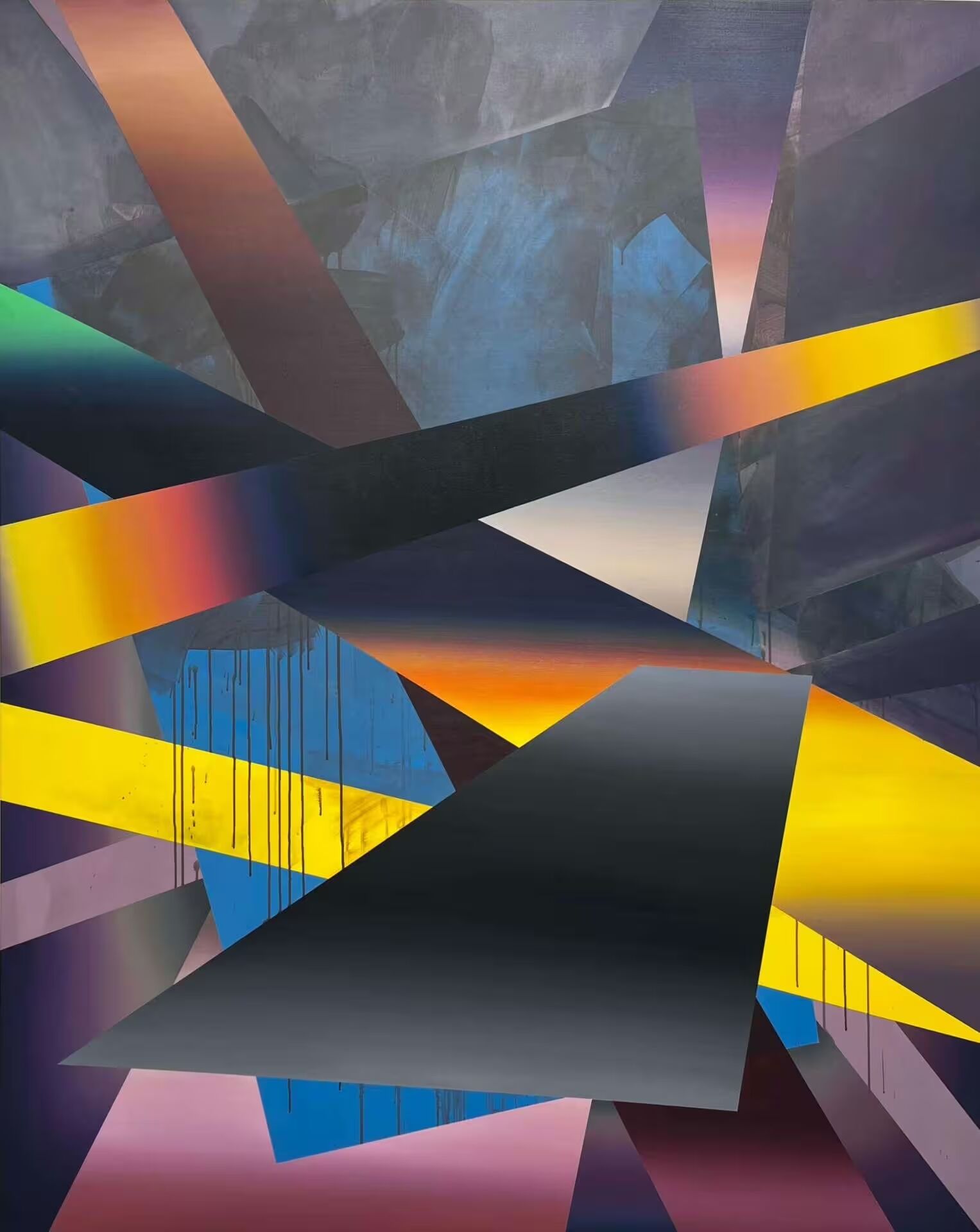
"I could do that too." Have you ever found yourself thinking that at an art exhibition? We often have this thought when looking at abstract art. Yet what may appear at first glance to be painted at random usually has a deeper meaning. What is abstract art? In short: an art movement that eschews the depiction of recognisable objects, people or landscapes, working instead with colour, form, line and composition. Rather than depicting a subject, an abstract work expresses moods, rhythms or inner processes – the meaning arises in the eye of the beholder. The roots of abstract painting lie in the early 20th century, when artists such as Wassily Kandinsky began to break away completely from the representational depiction of reality. Anyone wishing to understand what distinguishes abstract art from representational painting will therefore find the answer not so much in the subject matter as in the way a work employs colour and form.
The Origins and Development of Abstract Painting
Abstract painting did not emerge overnight, but rather as a gradual departure from representational art. A watercolour by Wassily Kandinsky from 1910 is regarded as one of the earliest fully abstract works, although the exact date of its creation is a matter of debate amongst scholars. Recent research suggests that the Swedish painter Hilma af Klint had already created her first abstract paintings around 1906, though she did not exhibit her works publicly during her lifetime. Kandinsky himself saw his paintings as an expression of an ‘inner sound’ that forms and colours can produce independently of the visible world. In 1911, he founded the artists’ group Der Blaue Reiter (The Blue Rider) together with other artists, which helped bring abstraction to wider prominence in Munich.
At the same time, other forms of abstraction were developing. In 1915, the Russian painter Kazimir Malevich exhibited his ‘Black Square’, thereby founding Suprematism, a radical reduction to basic geometric forms. The Dutch artist Piet Mondrian took a similar path: with his Neoplasticism, he reduced visual language to right angles, the three primary colours, and black and white. A fundamental distinction can still be drawn today from these early movements: expressive abstraction, which relies on emotion and intuition, and geometric abstraction, which is based on clear construction. Both these strands of abstraction in painting have shaped the art history of the 20th and 21st centuries in equal measure and continue to influence contemporary art.
So what became of abstract art after this initial period of upheaval? After the Second World War, the centre of abstract painting shifted increasingly to the USA, where a new generation of artists interpreted abstraction in an even freer and more physical manner. Museums and collectors began to pay increasing attention to this new, immediate visual language, with the result that abstraction finally established itself as an independent, serious art movement. Instead of planned composition, the spontaneous act of painting itself took centre stage; canvases grew larger and the gesture of painting became a more visible part of the finished work. To this day, artists worldwide continue to build on these traditions, combining them with new materials and techniques and constantly developing the visual language of abstraction.
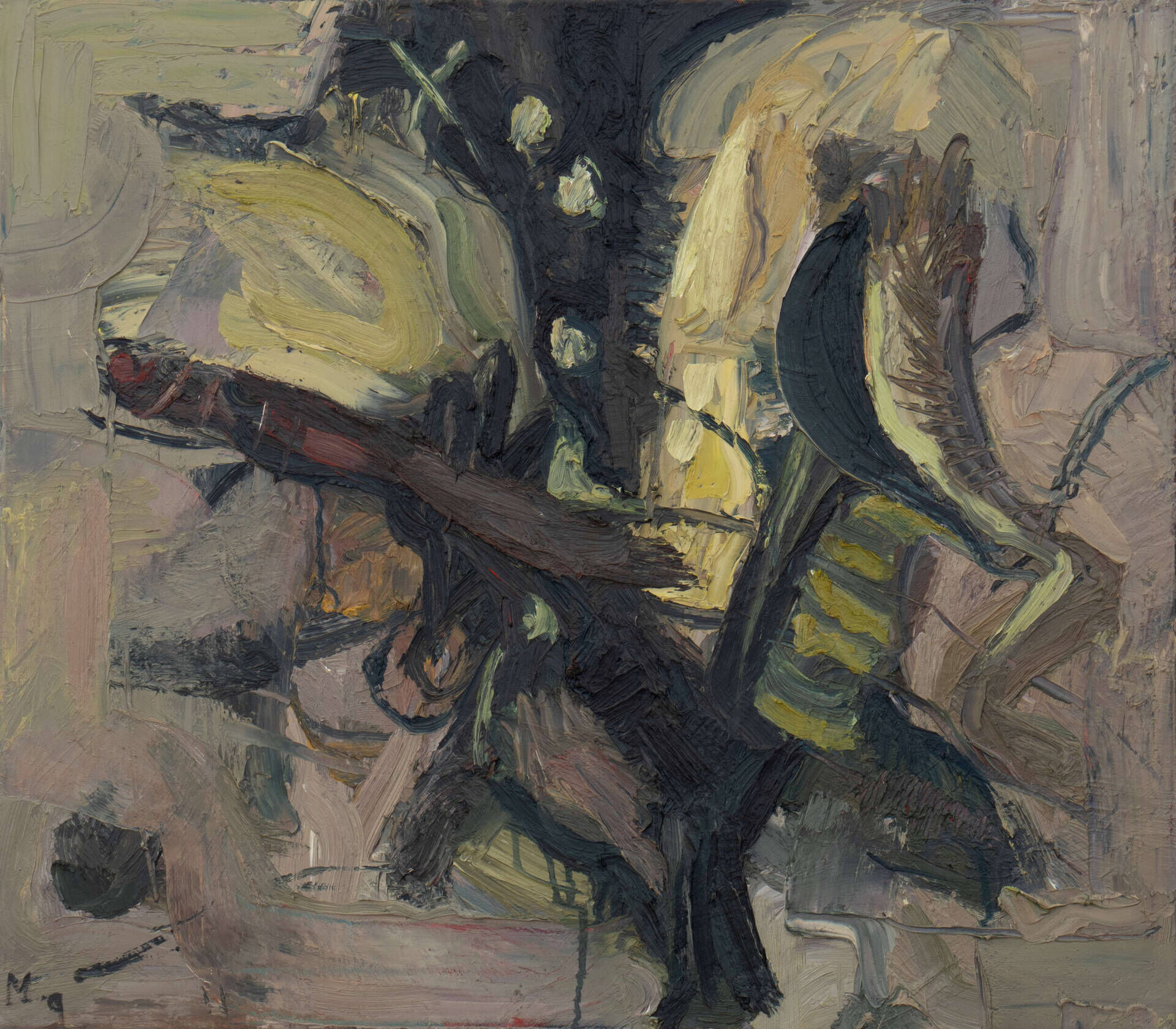
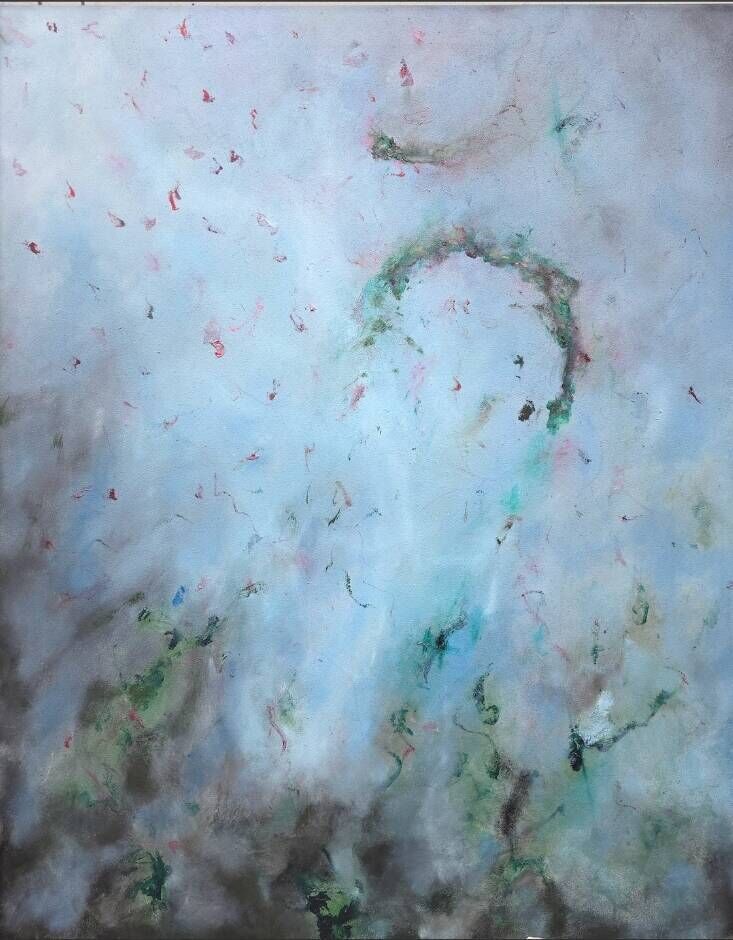

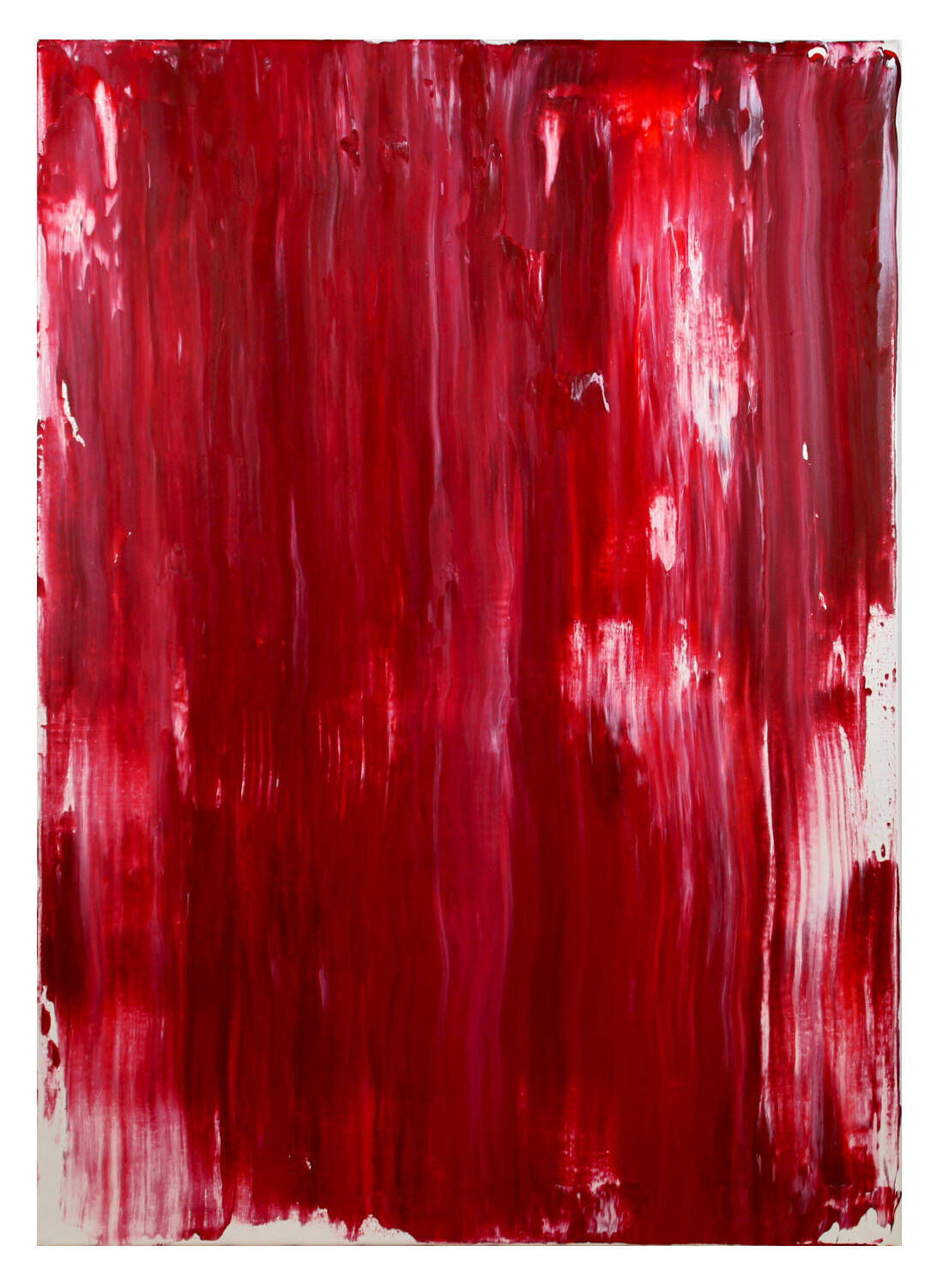
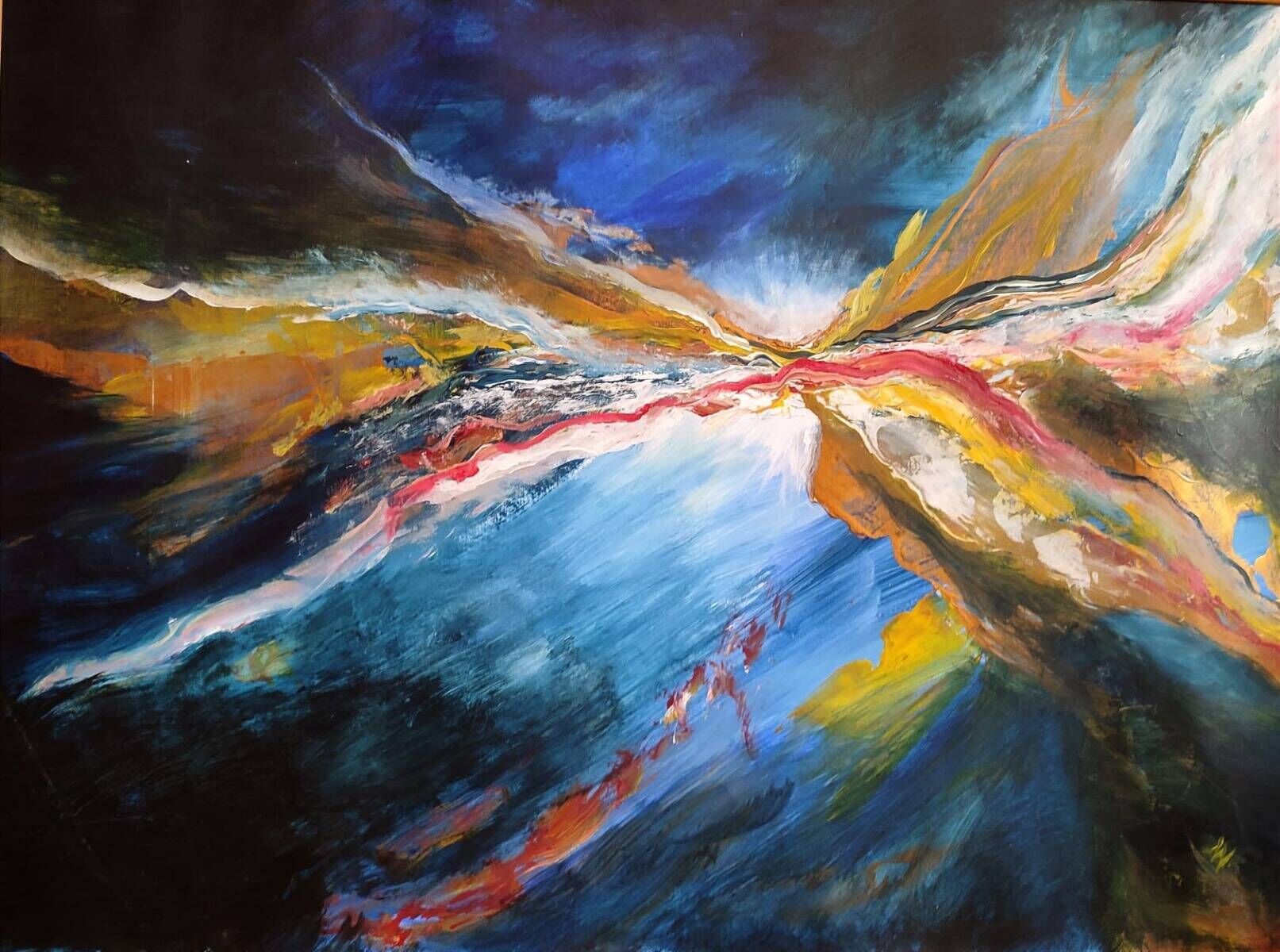
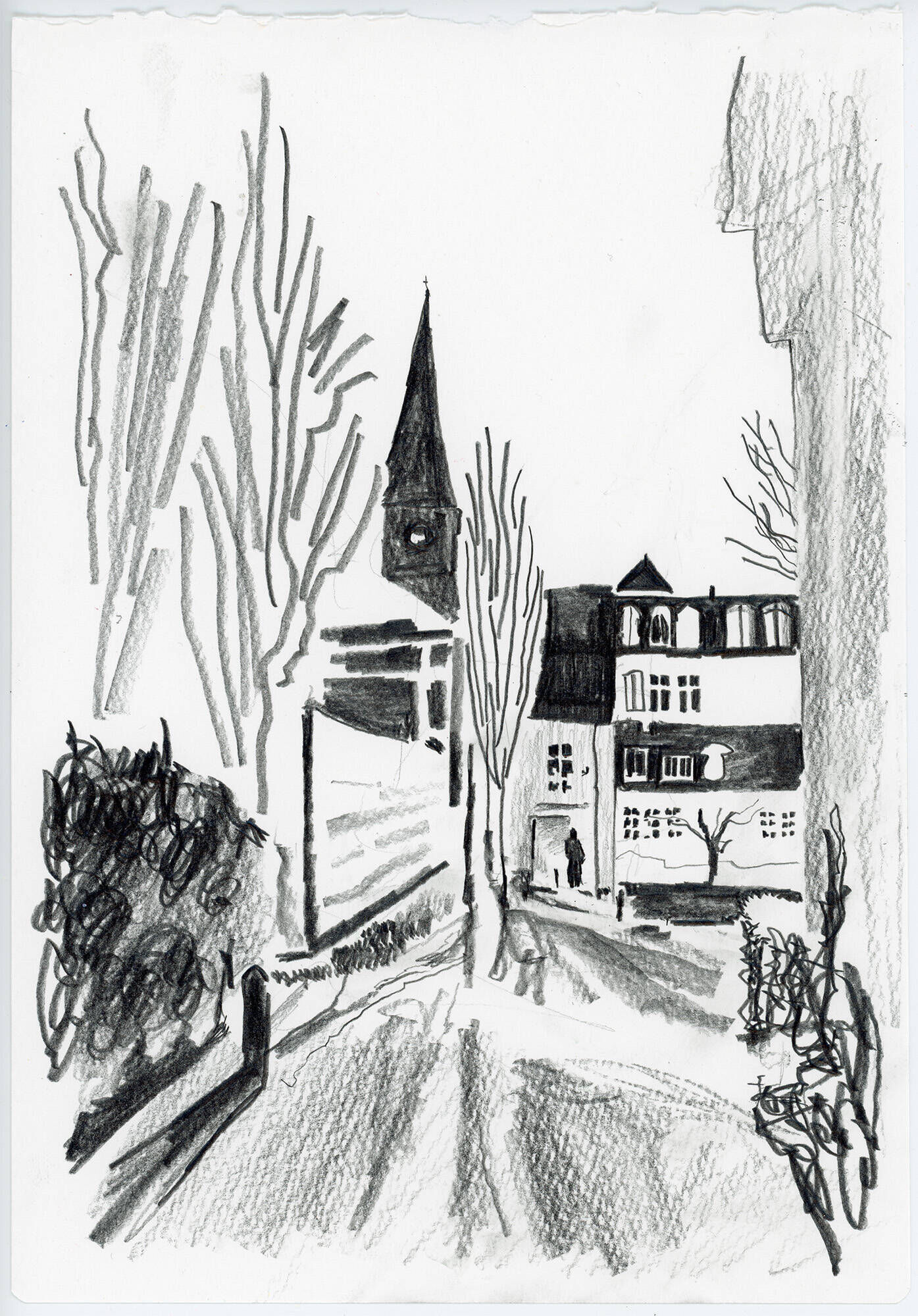
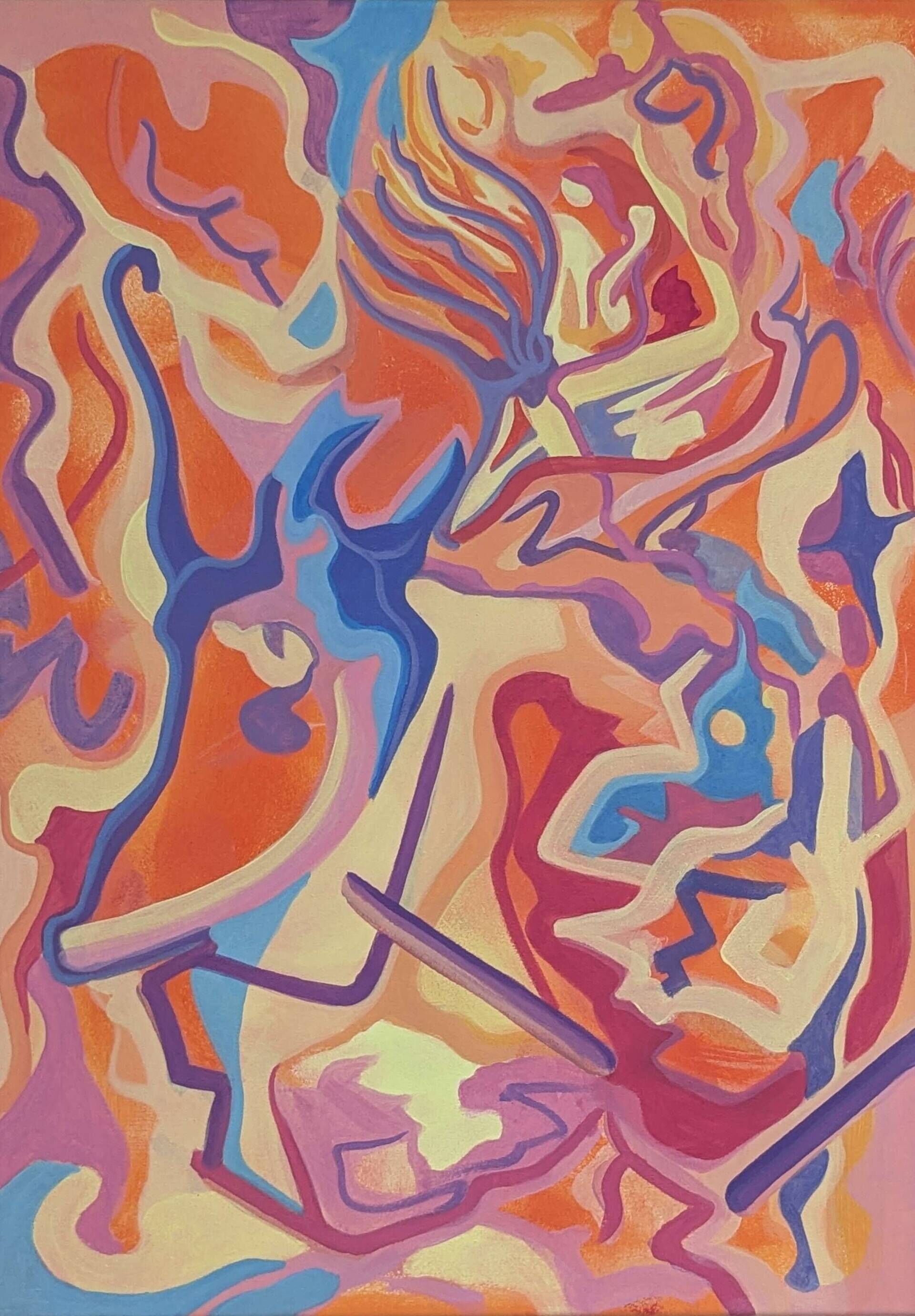
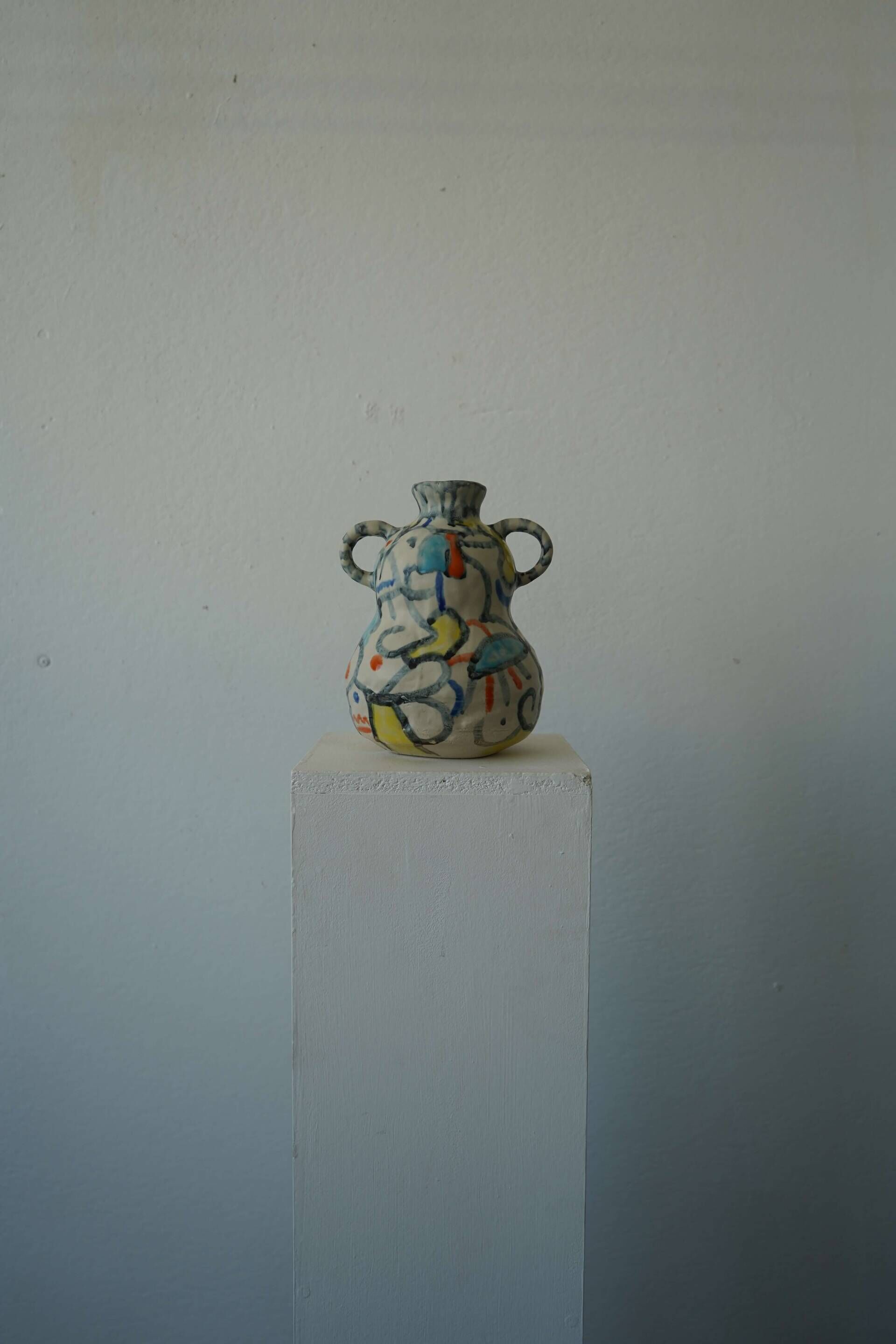
From Kandinsky to Pollock to Klee: Famous artists of abstract art
, what is abstract art without the people who have shaped it? A look at some of the most important names shows just how differently abstraction in painting has developed over the decades. Among the famous abstract artists are Wassily Kandinsky, Kasimir Malevich and Piet Mondrian, as well as Jackson Pollock and Mark Rothko. In the 1940s and 1950s, Pollock shaped Abstract Expressionism with his drip-painting technique: he dripped and flung paint directly onto canvases laid flat on the floor, thereby placing the painting process itself at the centre of attention. Rothko, for his part, worked with large, softly blending colour fields, which create an intense, often meditative effect and made him a key figure in Colour Field painting.
Among the influential artists of abstract art are also Paul Klee, Joan Miró, Sonia Delaunay and Robert Delaunay. Klee combined abstract forms, lines and colours with an almost musical lightness, whilst Miró combined abstract symbols with organic forms . Sonia and Robert Delaunay developed Orphism , a colour-intensive form of abstraction based on geometric shapes and rhythmic colour contrasts. Later, artists such as Willem de Kooning, Barnett Newman and Agnes Martin expanded the possibilities of abstract painting.
What these abstract artists have in common is that they consciously broke away from the representation of the visible world – albeit in very different ways: Kandinsky sought the expression of colour and form, Malevich the pure geometric form, Mondrian a universal order, and Pollock the expression of movement. Even today, contemporary artists continue to build on these traditions and further develop abstraction using new materials and techniques, for example in acrylic painting, mixed media or digital art.
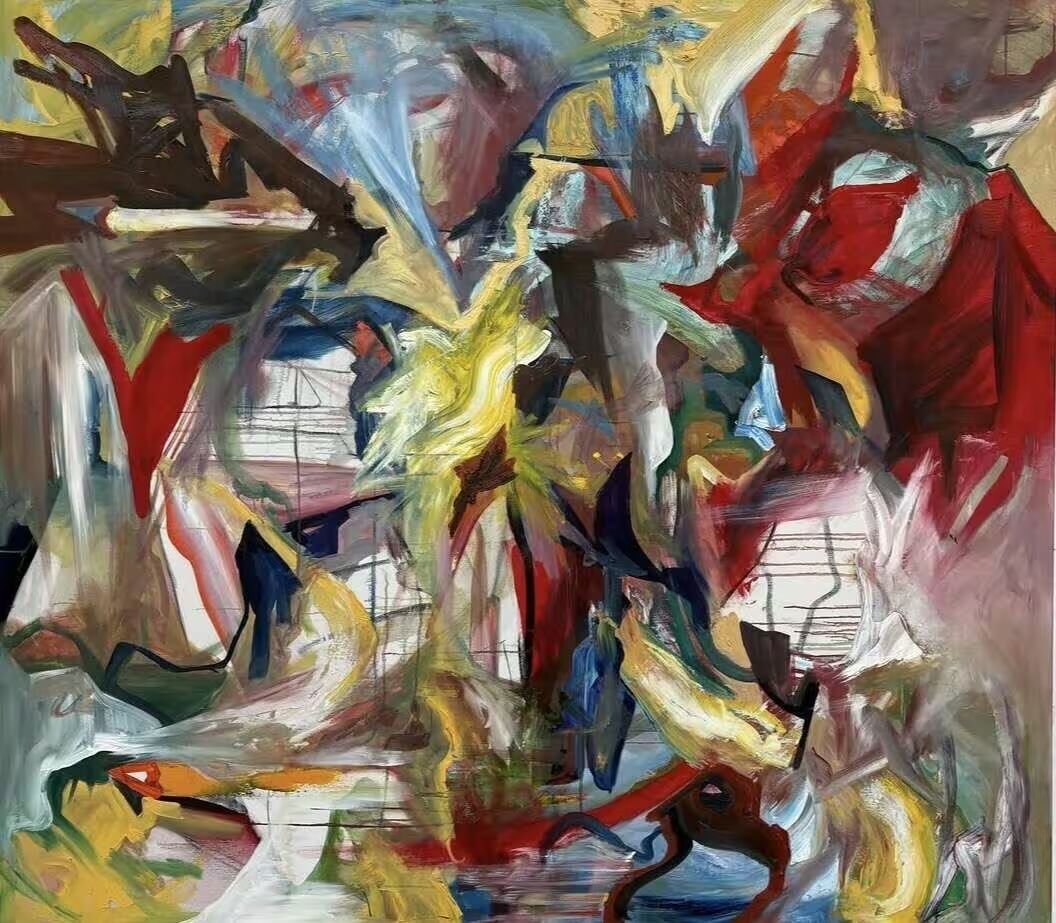
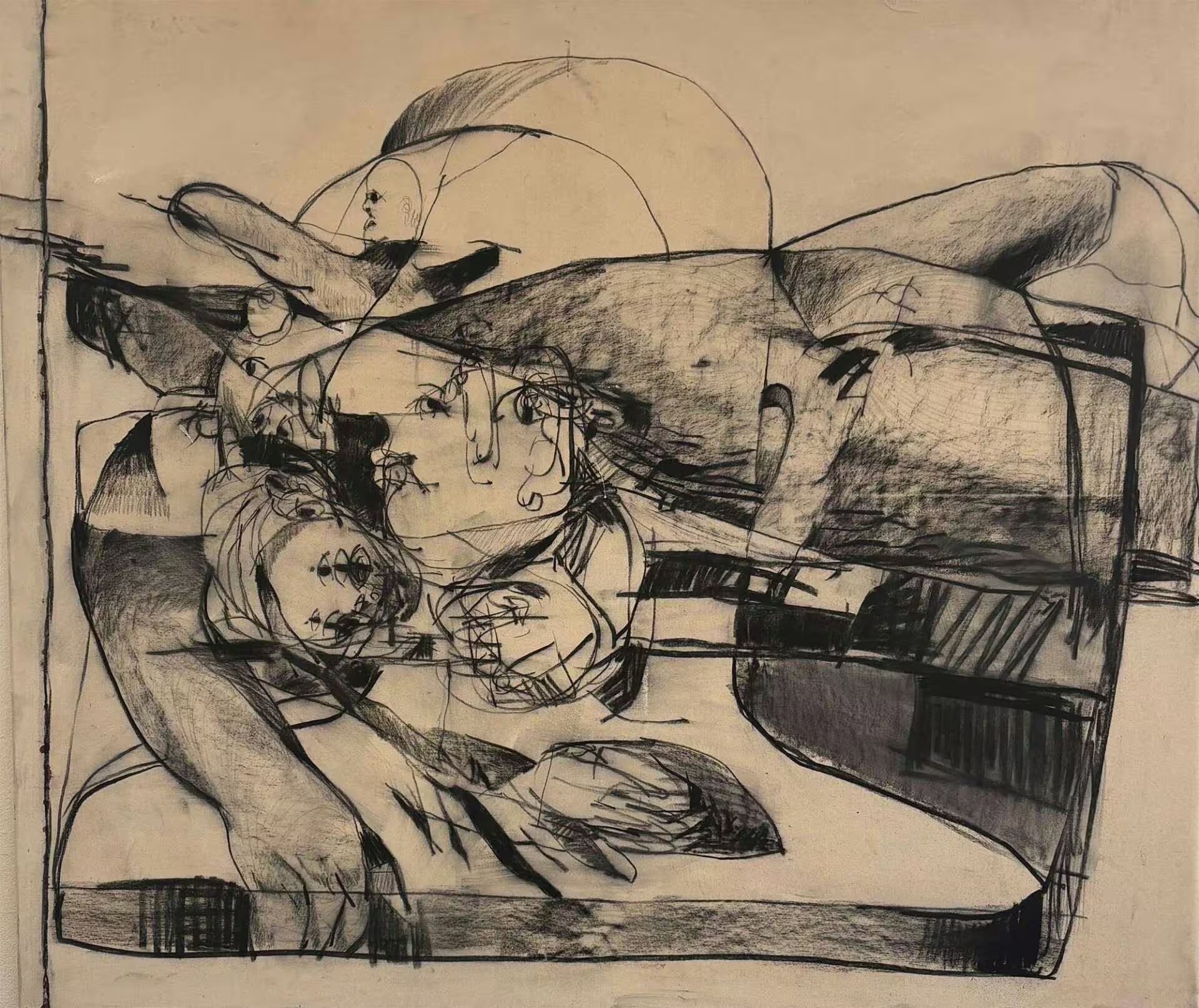
What remains when the subject disappears? Characteristics of abstract art
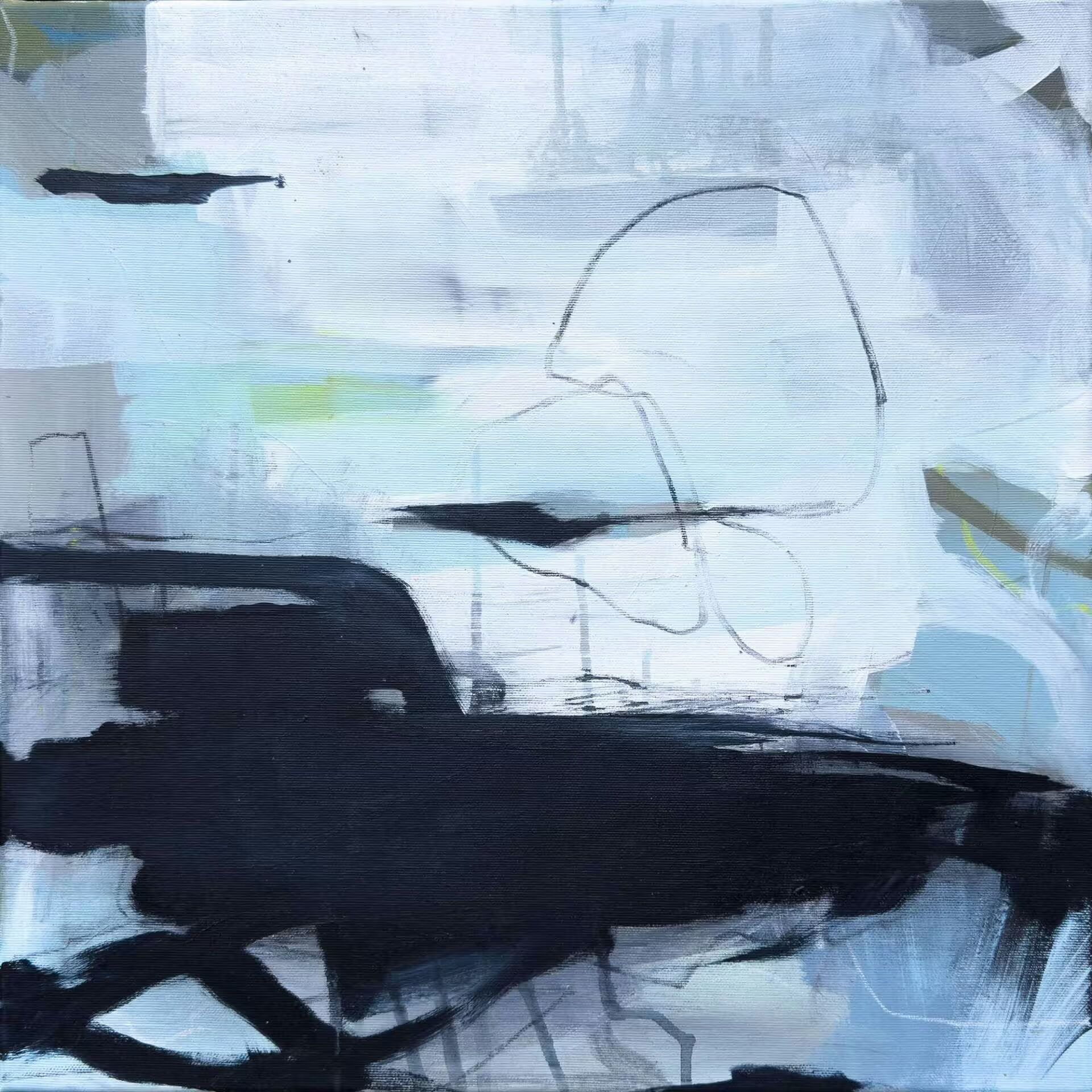
What is abstract art in detail, beyond the major art-historical names? As with many art movements, there is no single, clear-cut definition of abstract art. However, the central characteristics of abstract painting can be traced back to a few fundamental principles. First and foremost is the absence of a clearly recognisable subject: an abstract work does not depict a specific person, landscape or situation. Instead, colour plays a major role in creating the effect – cool or warm tones, strong contrasts or gentle gradients can be used specifically to influence the viewer’s mood. Abstract art utilises form and line as independent design elements, as well as a carefully considered composition that also incorporates deliberately placed empty spaces . In many works, the texture of the surface also plays a role, for example through impasto or collaged materials.
Various forms have emerged within abstract art . Geometric abstraction, as championed by Malevich and Mondrian, works with clear, constructed elements such as circles, squares and straight lines. Organic or lyrical abstraction, on the other hand – as seen in the work of Paul Klee or Joan Miró – utilises flowing, free-form shapes that may evoke natural phenomena without directly depicting them. Anyone wishing to understand what constitutes the essence of abstract art should therefore look less for a specific motif and instead focus on how a work comes across through colour, form and composition.
Even though abstract art does not depict anything immediately visible, it often arises from a process of reduction: the starting point may be a real impression, which is simplified and abstracted step by step until, above all, colour, form and rhythm remain. It is precisely this openness that makes abstract art so appealing to many viewers: there is no ‘correct’ way of seeing it; rather, each person can discover their own interpretation in the interplay of colour and form.
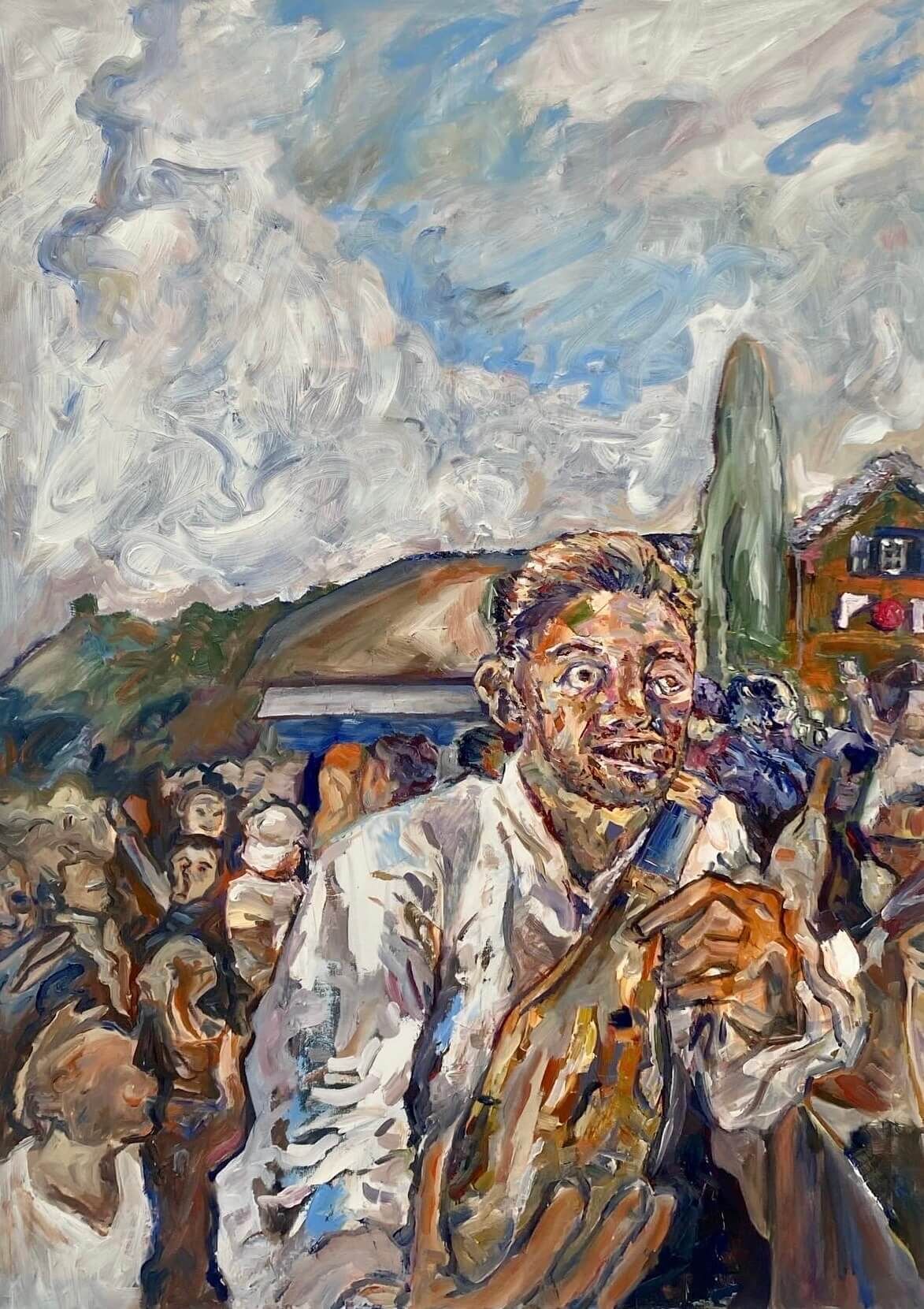
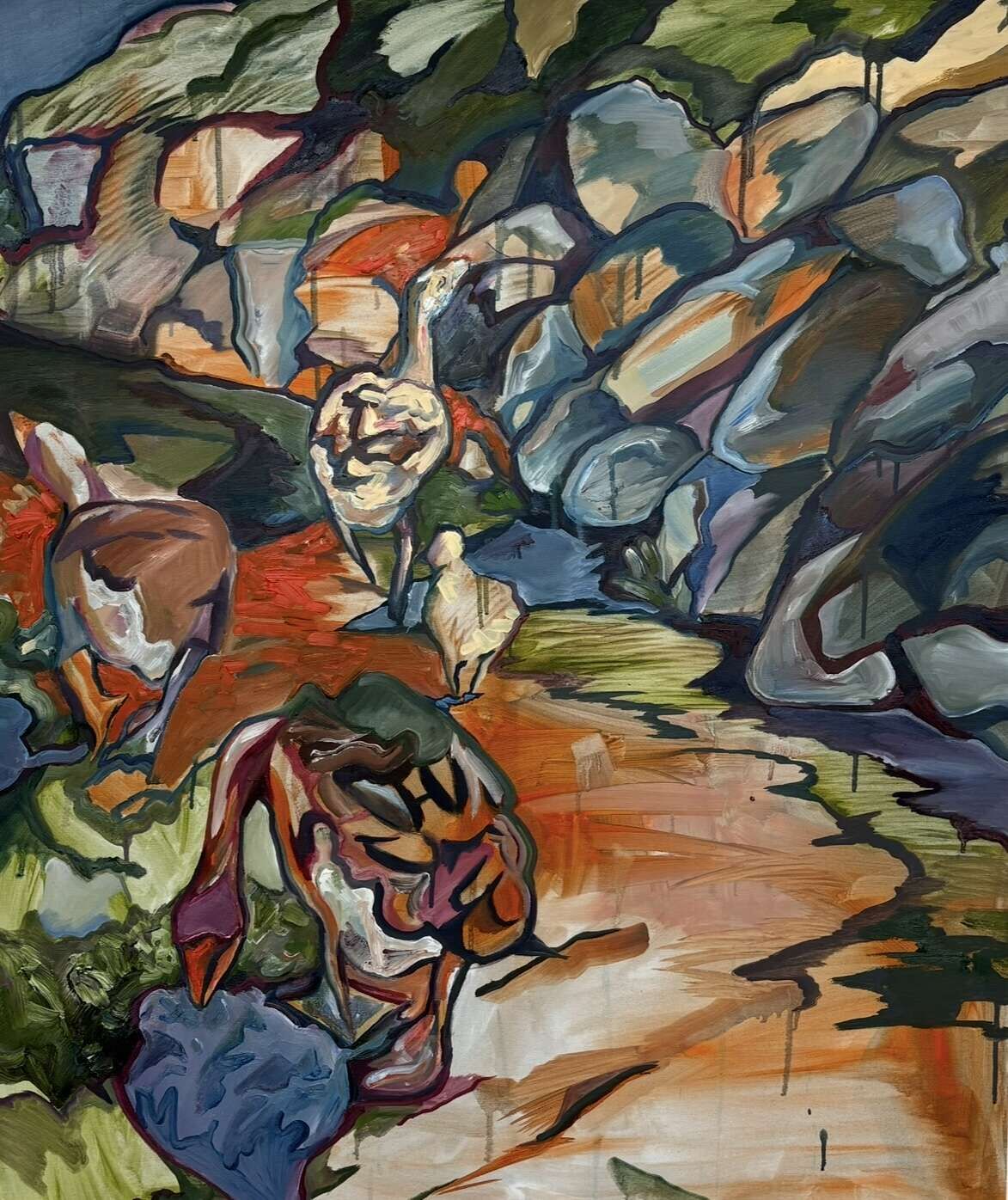
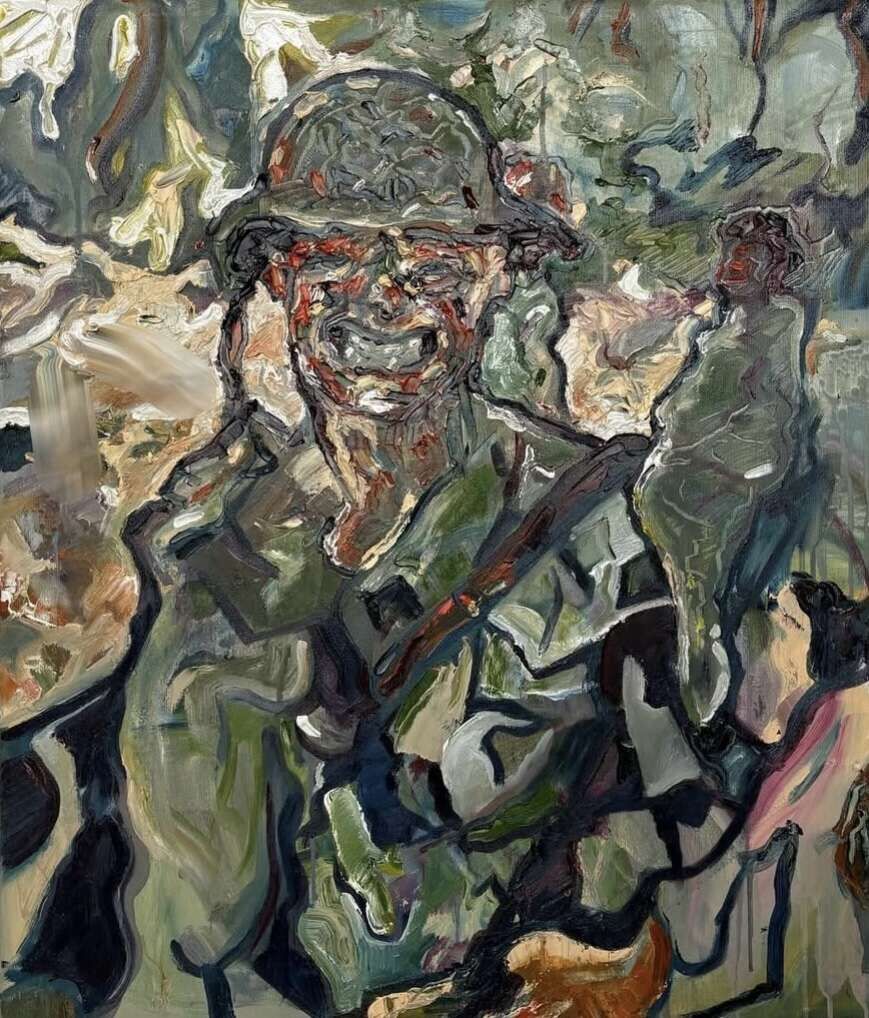
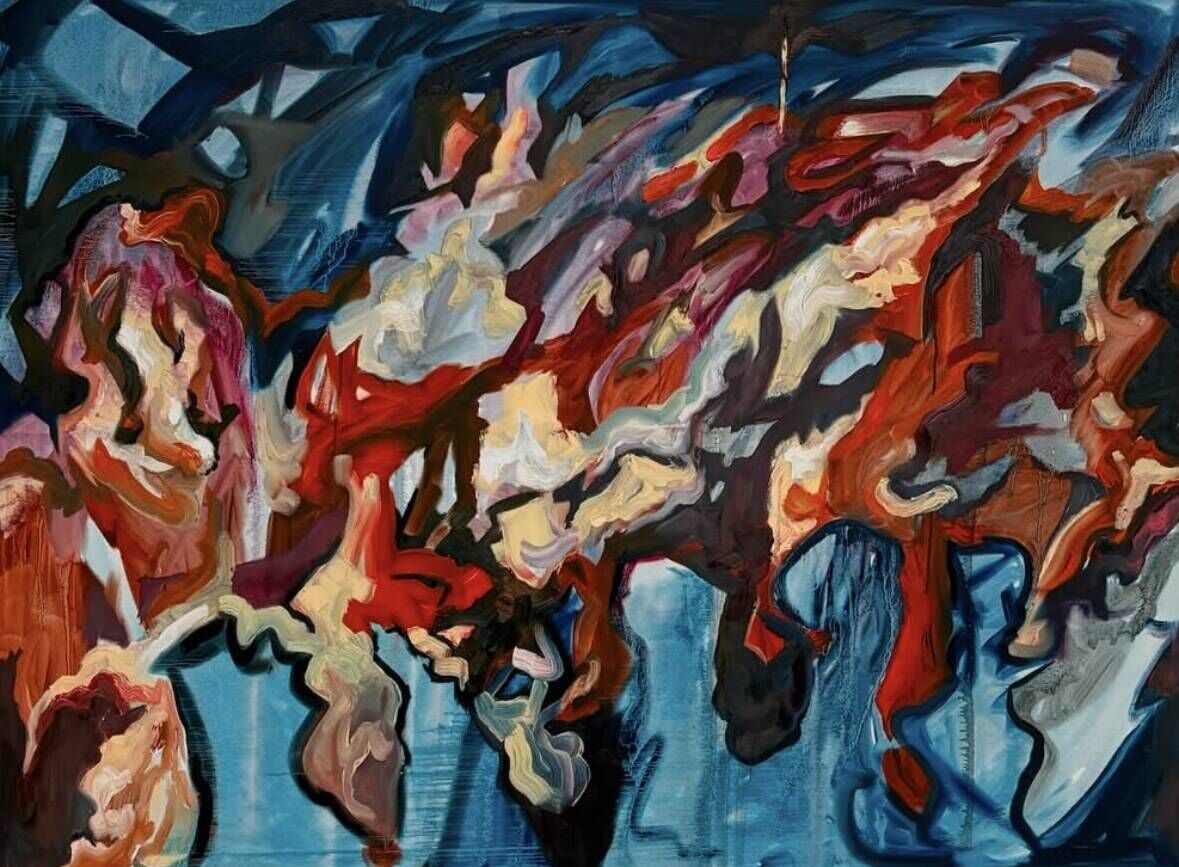
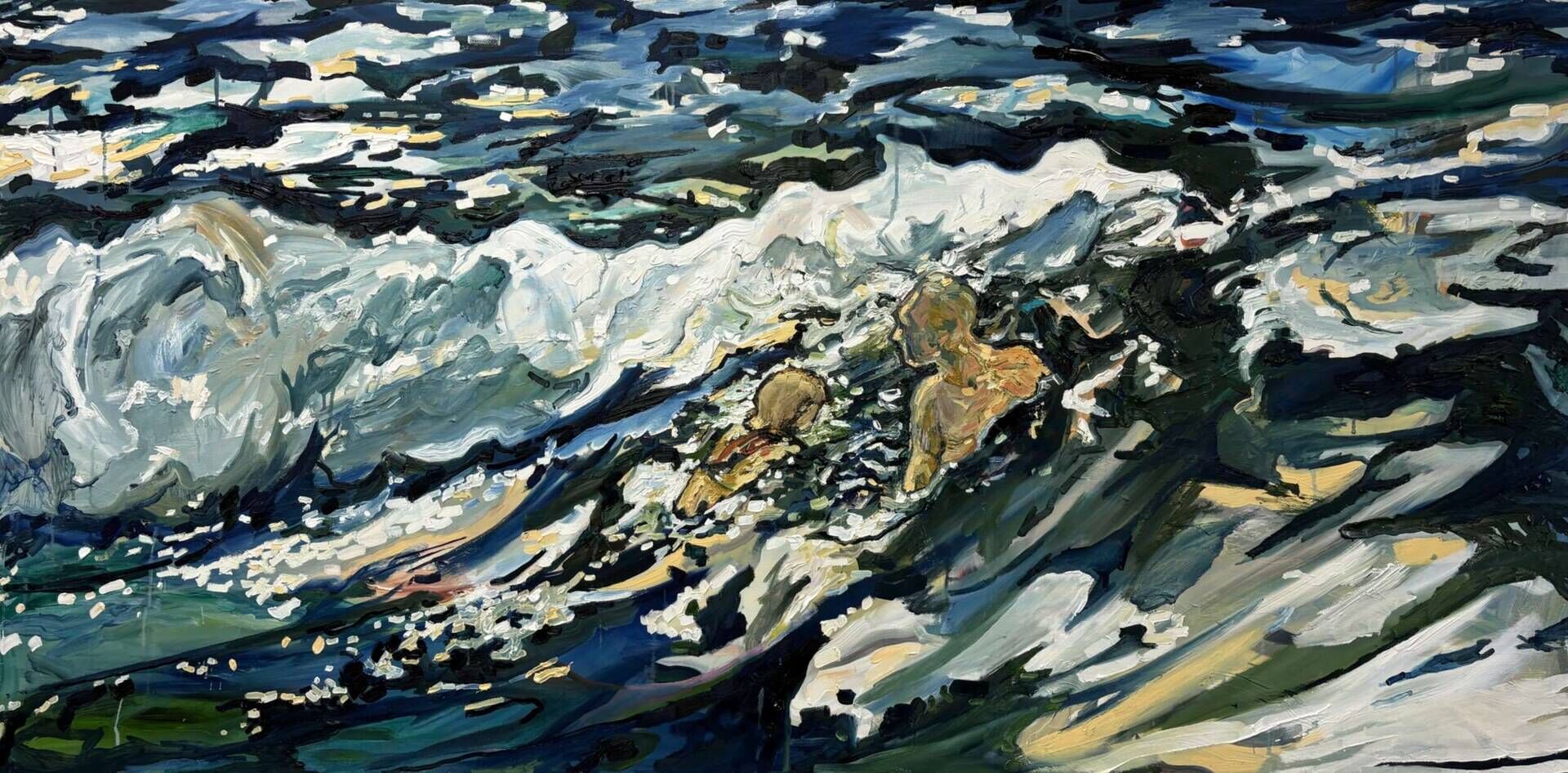
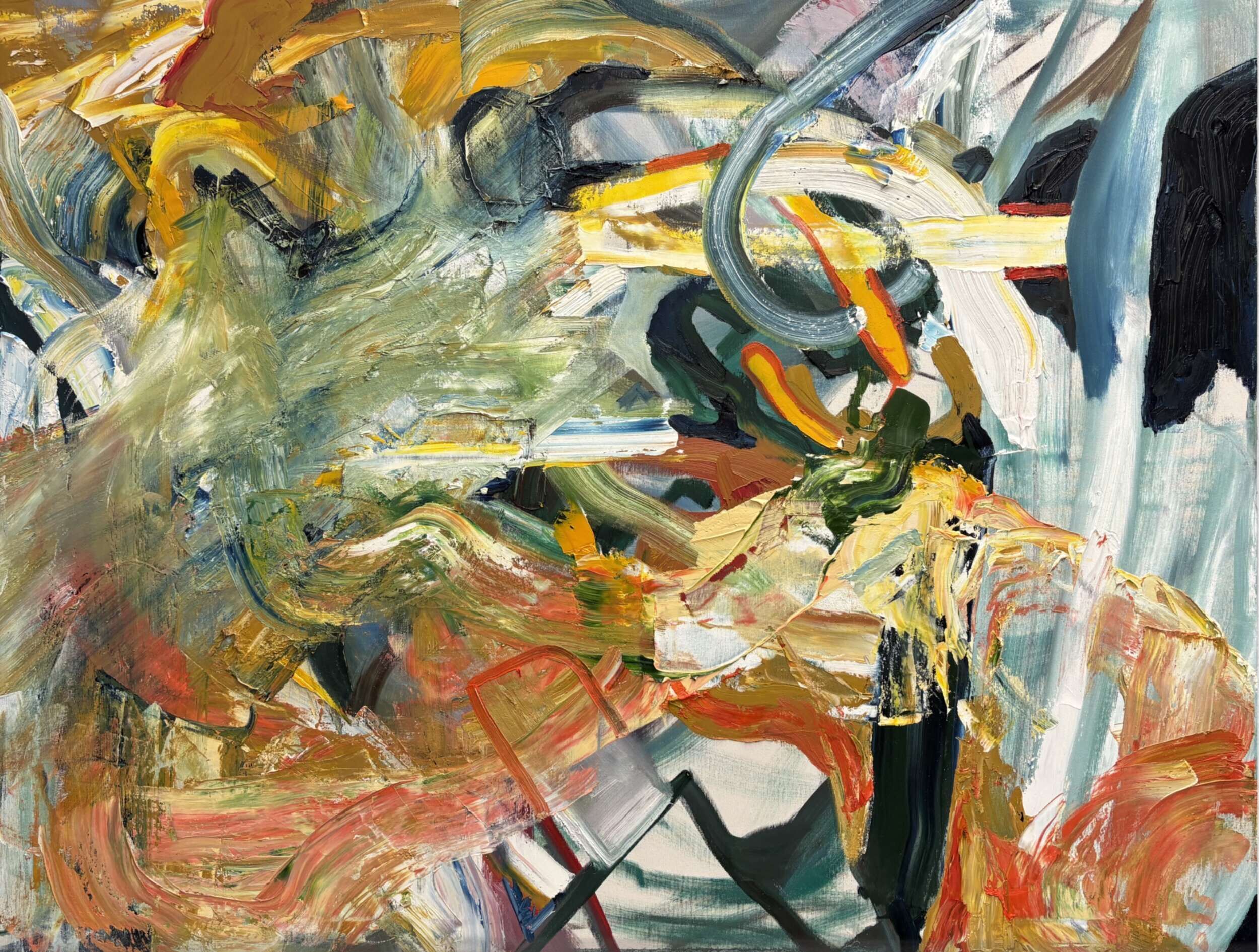
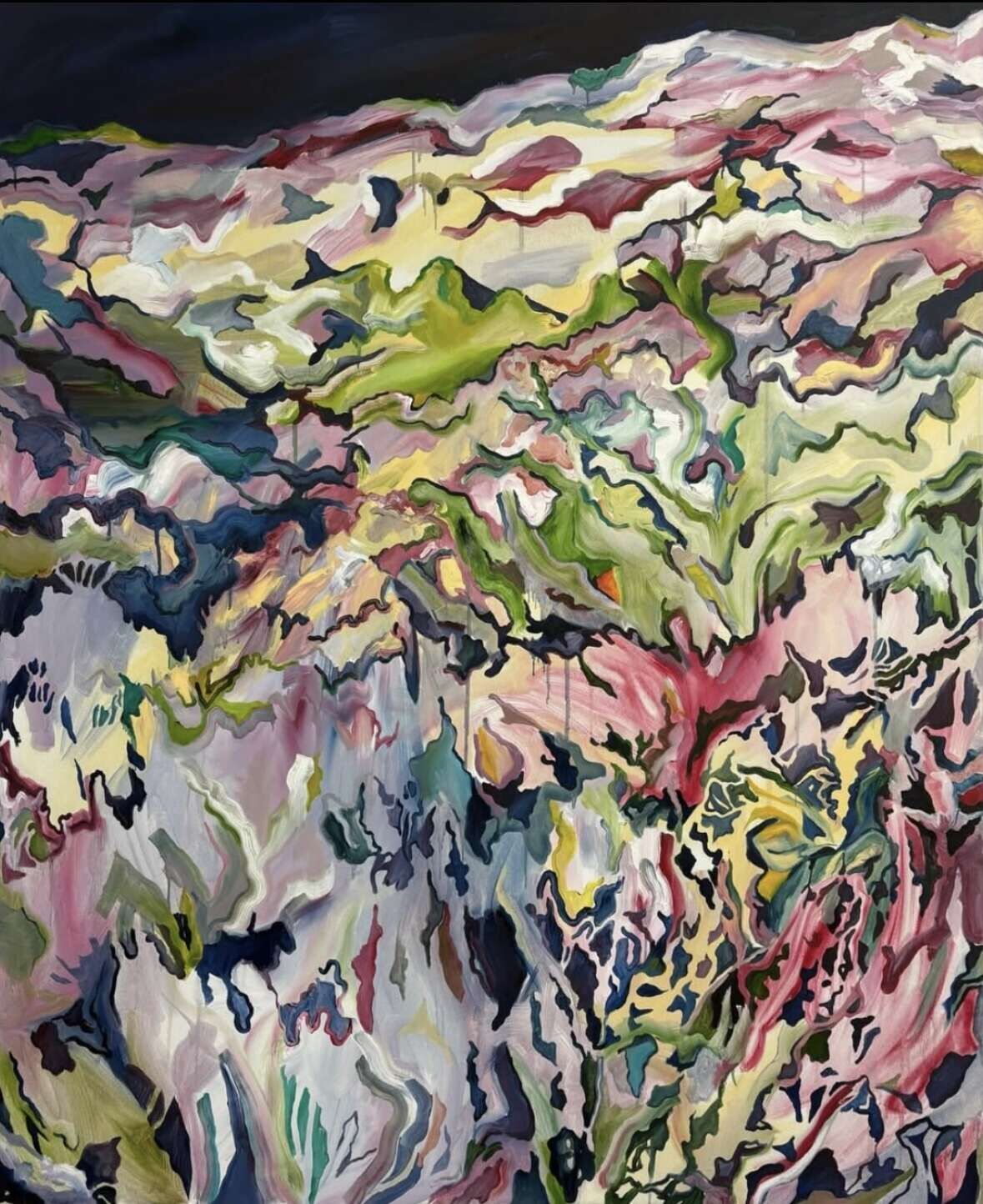
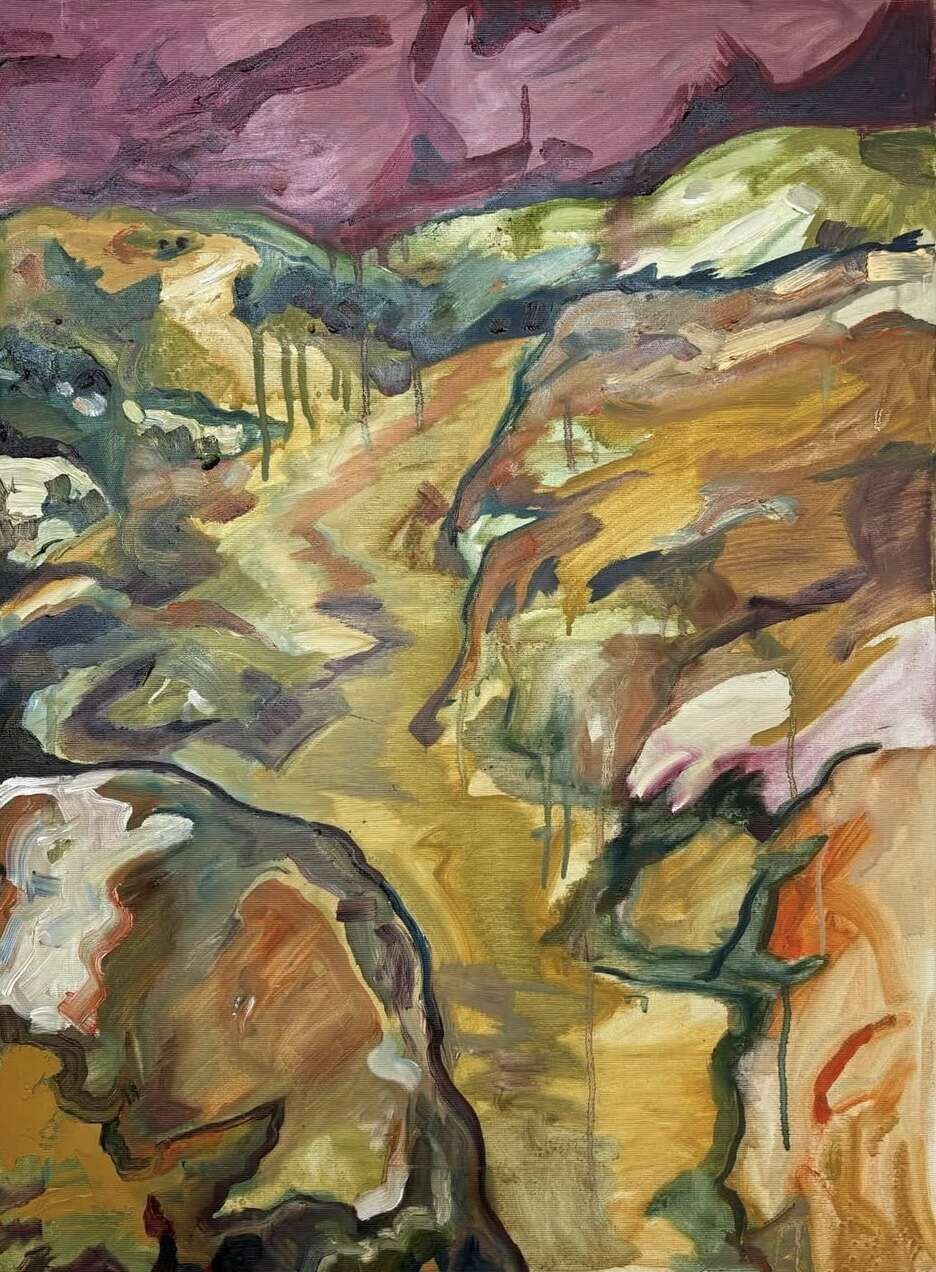
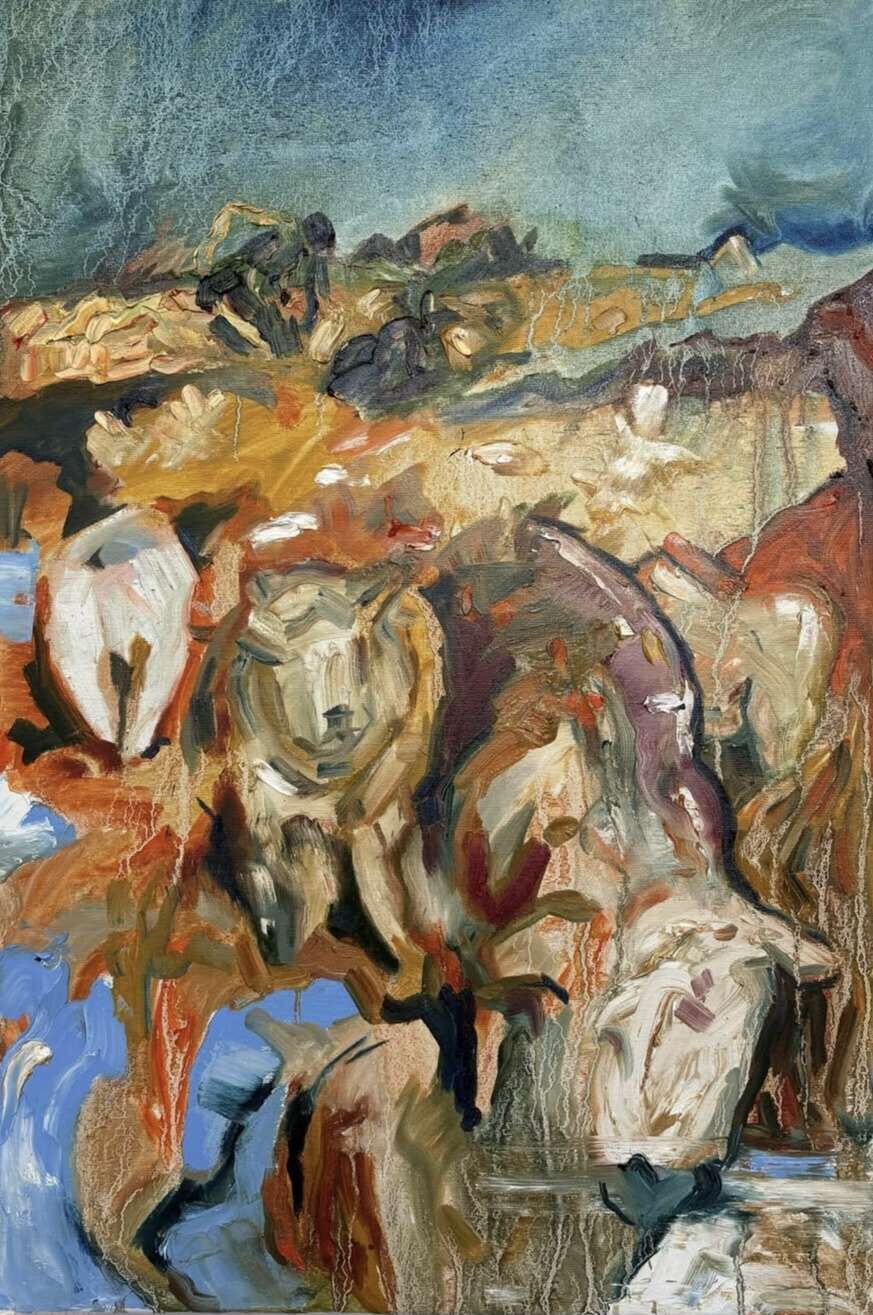
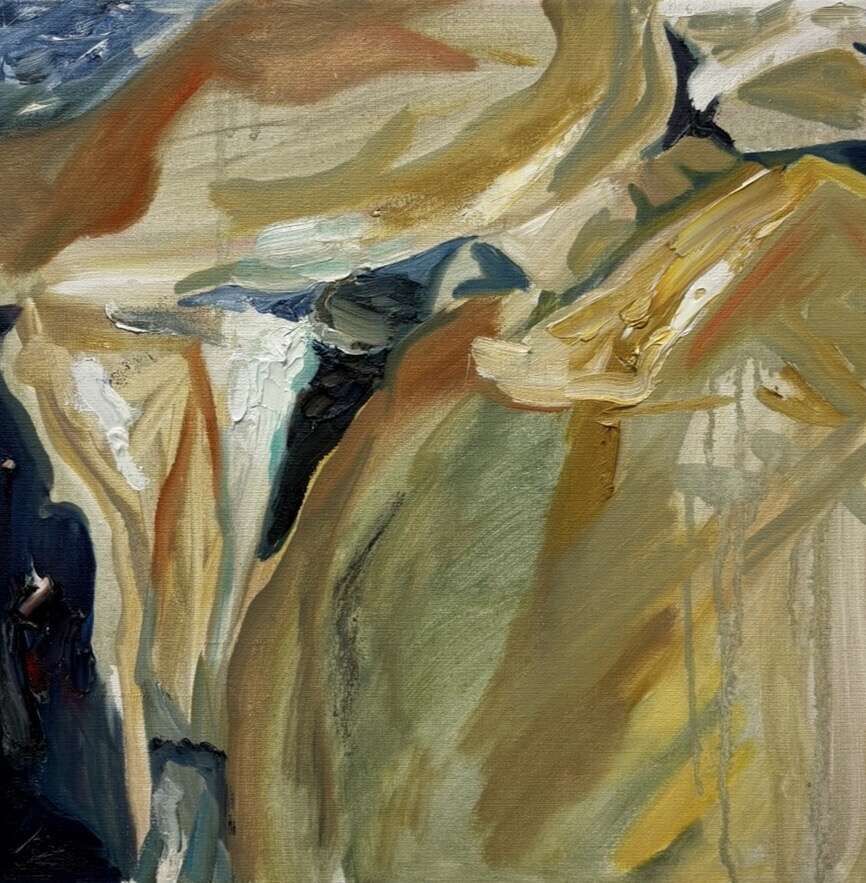
Discover abstract art and artists at the Student Art Market
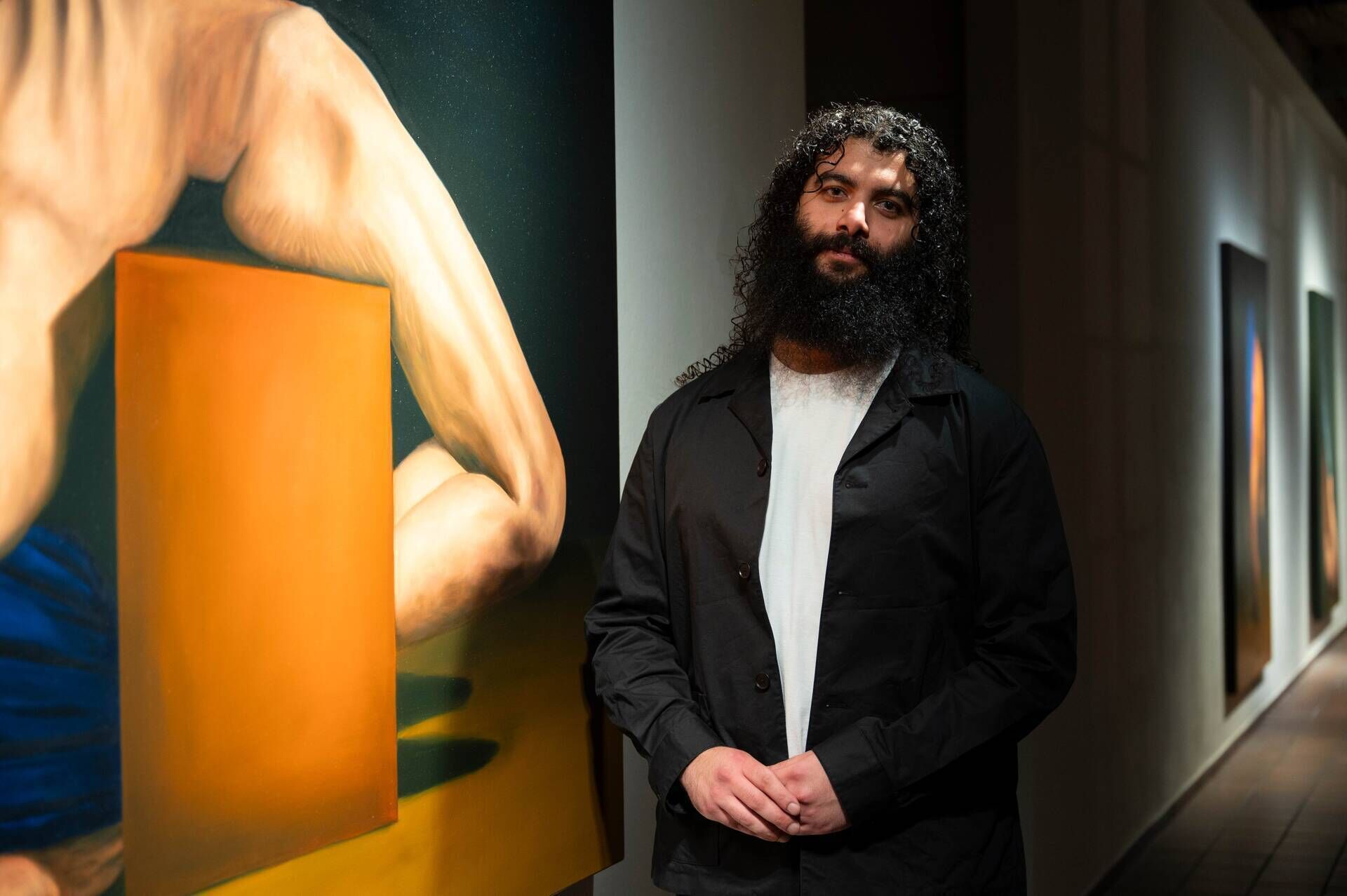
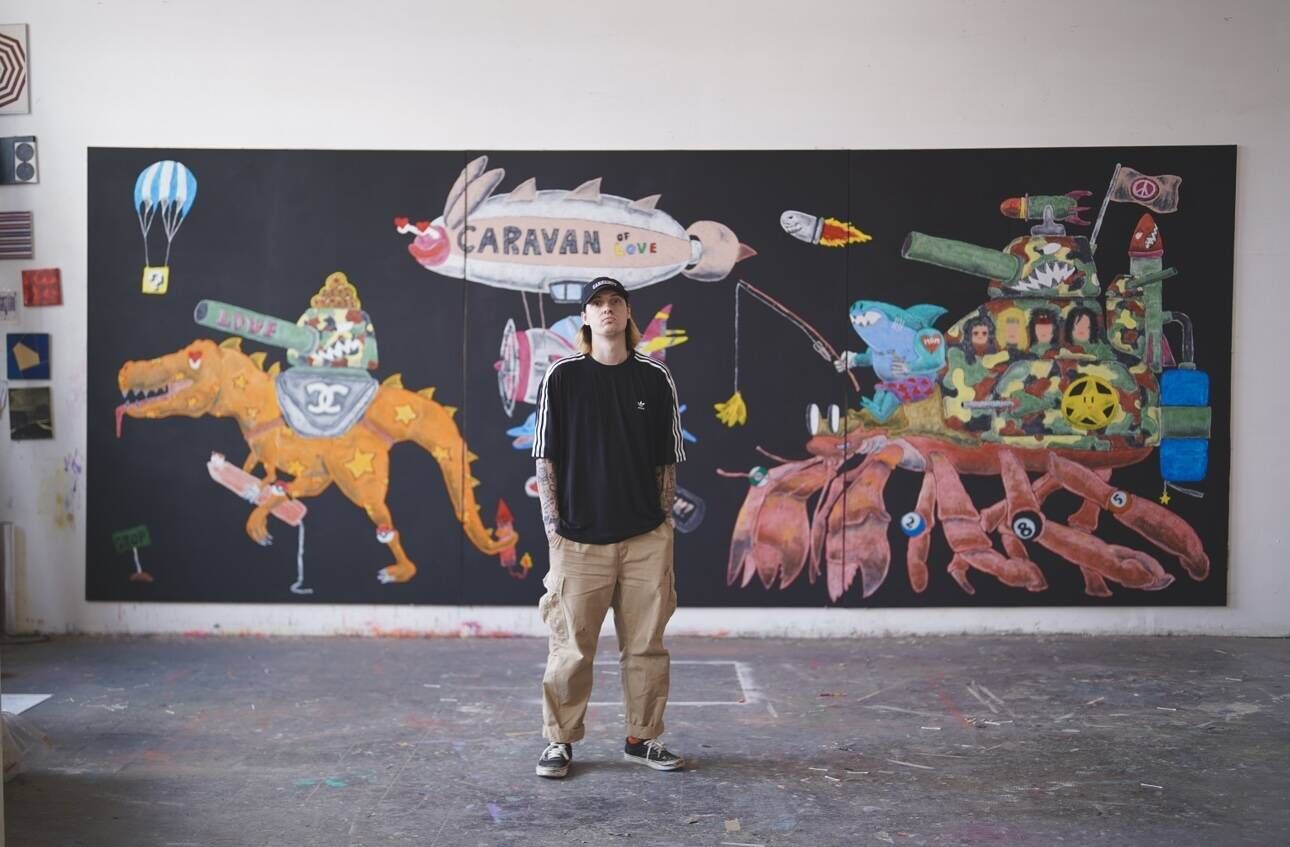
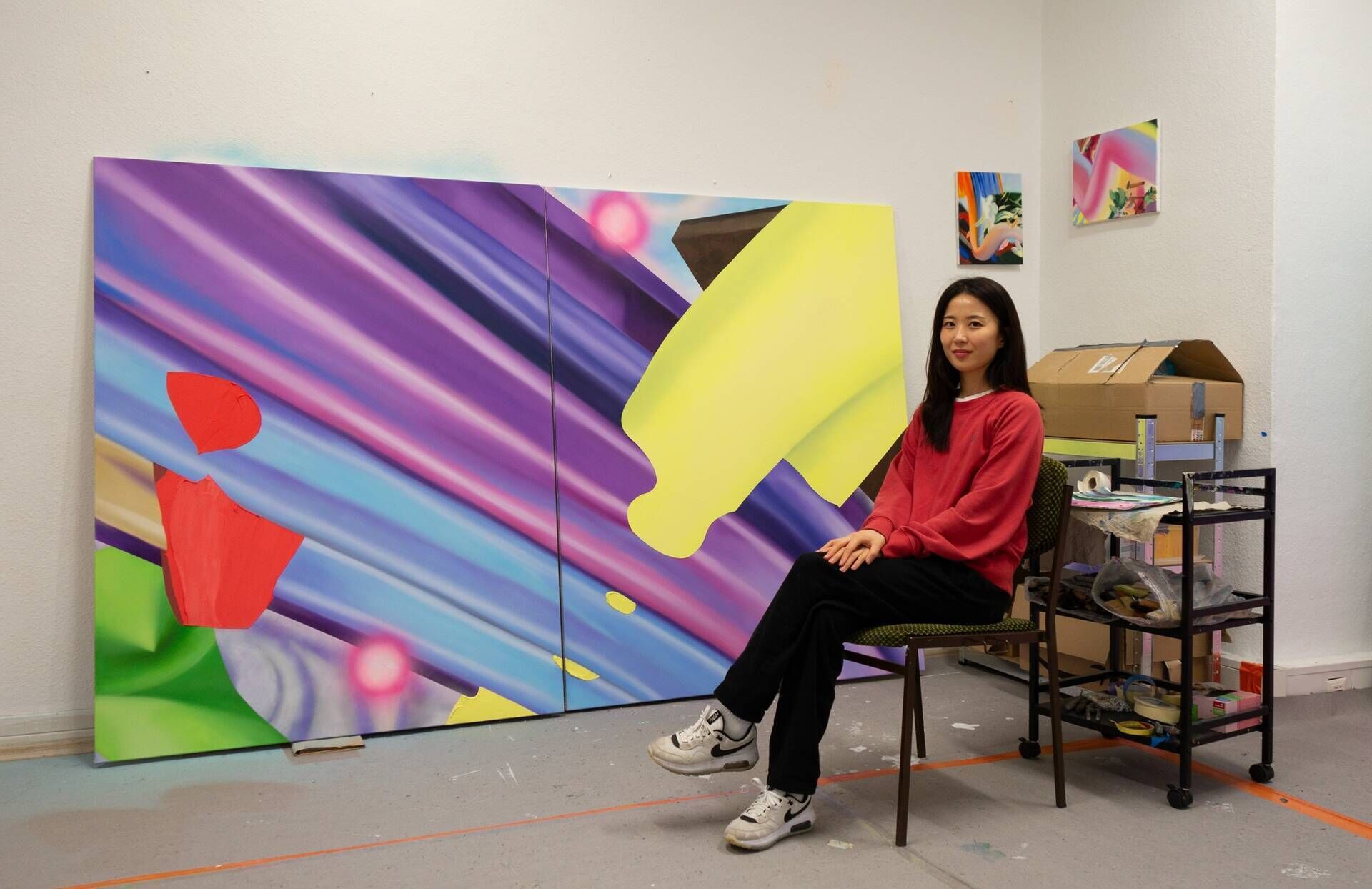
. If you’re looking for an abstract piece for your home, it’s well worth taking a look at our curated selection of abstract paintings by art students: from minimalist colour fields to dynamic, gestural compositions, you’ll find a variety of abstract art forms here. Many of our young artists also work with hand-painted acrylic pieces, whose bold colours are particularly well suited to modern living spaces. Abstract art lends your room a timeless character. The works of our more than 500 art students demonstrate just how diverse the tradition of abstraction continues to be today – as a statement piece in its own right for the living room, office or practice. If you’re unsure about the format or colour scheme, you can seek free, no-obligation advice from our founder, Erich Reich.
FAQs on abstract art
Abstrakt bedeutet, dass ein Werk auf die Abbildung eines konkreten Gegenstands verzichtet und stattdessen mit Farbe, Form und Komposition arbeitet. Der Begriff kommt vom lateinischen „abstrahere" (ablösen, entfernen) und beschreibt genau diesen Prozess der Loslösung vom sichtbaren Vorbild.
Als abstrakte Kunst gelten Werke, deren Bildsprache nicht auf der realistischen Wiedergabe von Personen, Objekten oder Landschaften beruht. Stattdessen stehen Farbe, Form, Linie und Komposition als eigenständige Ausdrucksmittel im Zentrum – teils vollständig gegenstandslos, teils als starke Vereinfachung eines realen Eindrucks.
Zu den bekanntesten Namen zählen Wassily Kandinsky, Kasimir Malewitsch und Piet Mondrian als frühe Wegbereiter sowie Jackson Pollock und Mark Rothko als prägende Vertreter des abstrakten Expressionismus. Auch Hilma af Klint gilt heute als wichtige, lange übersehene Pionierin der Abstraktion.
Grob lässt sich zwischen geometrischer Abstraktion mit klaren, konstruierten Formen und organischer beziehungsweise lyrischer Abstraktion mit freien, fließenden Formen unterscheiden. Viele zeitgenössische Werke, etwa in Acryl- oder Mischtechnik, verbinden beide Ansätze miteinander.
Gegenständliche Malerei bildet erkennbare Motive wie Personen, Landschaften oder Objekte ab, während abstrahierte Kunst diese Motive bewusst auflöst oder ganz darauf verzichtet. Die Wirkung entsteht dadurch nicht über das Wiedererkennen eines Gegenstands, sondern über Farbe, Form und Komposition selbst.
Frequently Asked Questions
Studierenden Kunstmarkt ist die führende Plattform im deutschsprachigen Raum für studentische Kunst. Sie ermöglicht Kunstinteressierten und KunstliebhaberInnen Kunstwerke direkt von Kunststudierenden zu kaufen und sie somit während des Studiums finanziell zu unterstützen.
Studierenden Kunstmarkt wurde 2020 von Erich Reich und seinem Bruder gegründet. Erich ist noch immer Geschäftsführer von Studierenden Kunstmarkt und hat es gemeinsam mit seinem Team geschafft, eine Plattform zu kreieren, die Kunstliebhaber, Kunstinteressierte und Kunststudierende zusammenzubringen. Bis heute ist Studierenden Kunstmarkt komplett selbst finanziert und hat keine externen Gelder von Investoren aufgenommen.
Zu jedem Zeitpunkt gibt es mehrere hundert Kunststudierende und mehrere tausend Kunstwerke auf Studierenden Kunstmarkt. Ein guter Einstieg, um einen ersten Überblick über die KünstlerInnen zu erhalten, ist die Kategorie KünstlerInnen des Monats.
Genau so wie normale Galerien, erhält Studierenden Kunstmarkt eine Provision pro verkauftem Bild. Damit wird der Betrieb der Plattform, die Instandhaltung, sowie die Angestellten von Studierenden Kunstmarkt finanziert. Zusätzlich unterstützen wir die Studierenden, stehen beratend bei allen Fragen zur Verfügung und schalten kostenlos Werbung für die Studierenden auf Instagram, Facebook, Google und unserem E-Mail Newsletter mit mehreren tausend KunstliebhaberInnen als Abonnenten.
Es gibt viele Möglichkeiten, wie du beginnen kannst, in junge Künstler:innen auf Studierenden Kunstmarkt zu investieren. Eine Möglichkeit ist es, dass du dich zu unserem kostenlosen E-Mail Kurs “In 7 Tagen zum Kunst Profi” anmeldest. Dort teilen wir ein paar basics mit dir und auch einige unserer Geheimtipps, welche Künstler:innen besonders viel Potential haben. Mehr erfahren
Take a look at our most popular artists at the Student Art Market
News banner