Fröhliche Wissenschaft
| Edition | Original Art |
|---|---|
| Sujet | Mythology and Symbolism |
| Technique | Painting |
| Height | 45 cm |
| Width | 45 cm |
| Length/Depth | 2 cm |
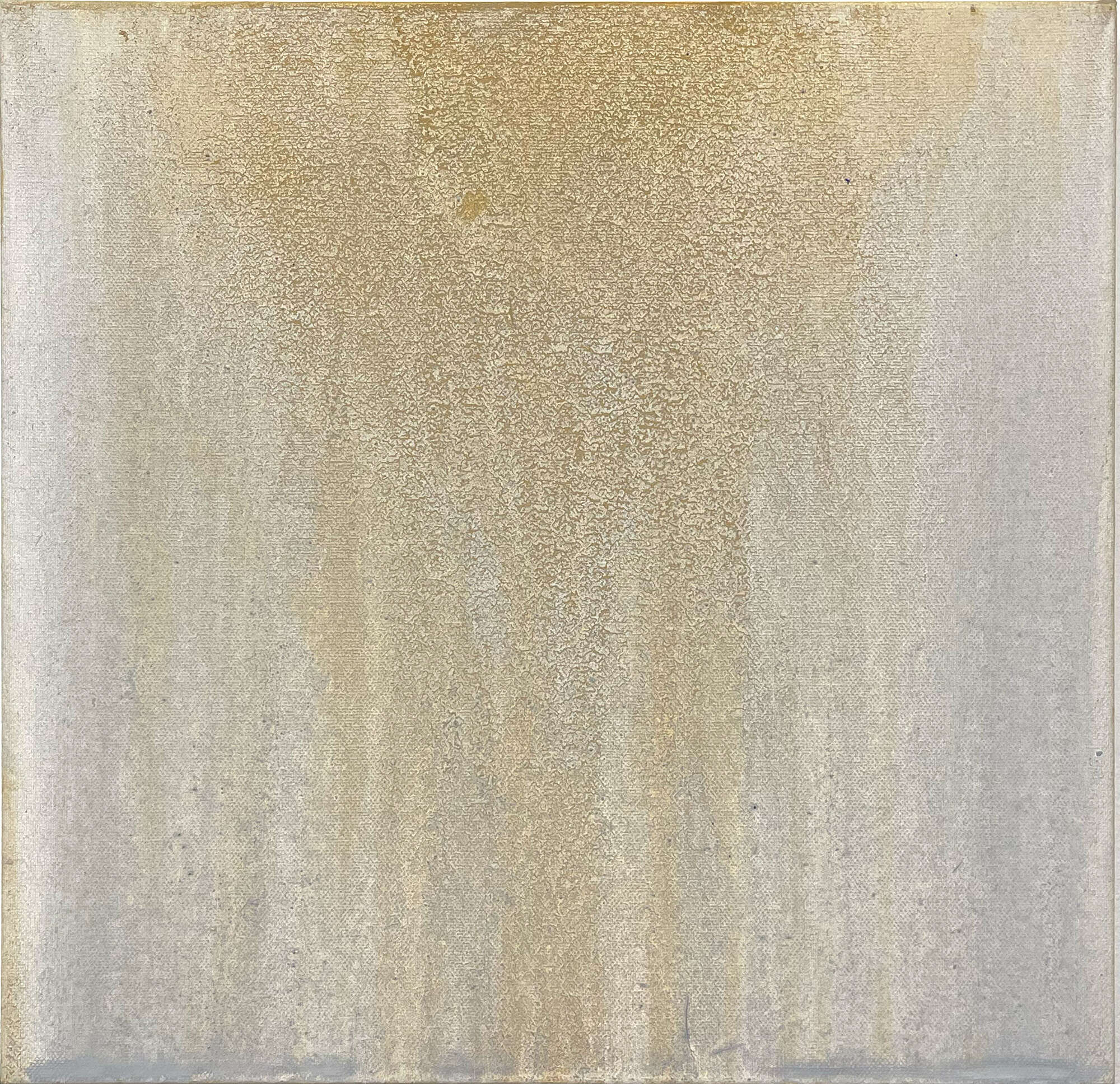
45 x 45 cm
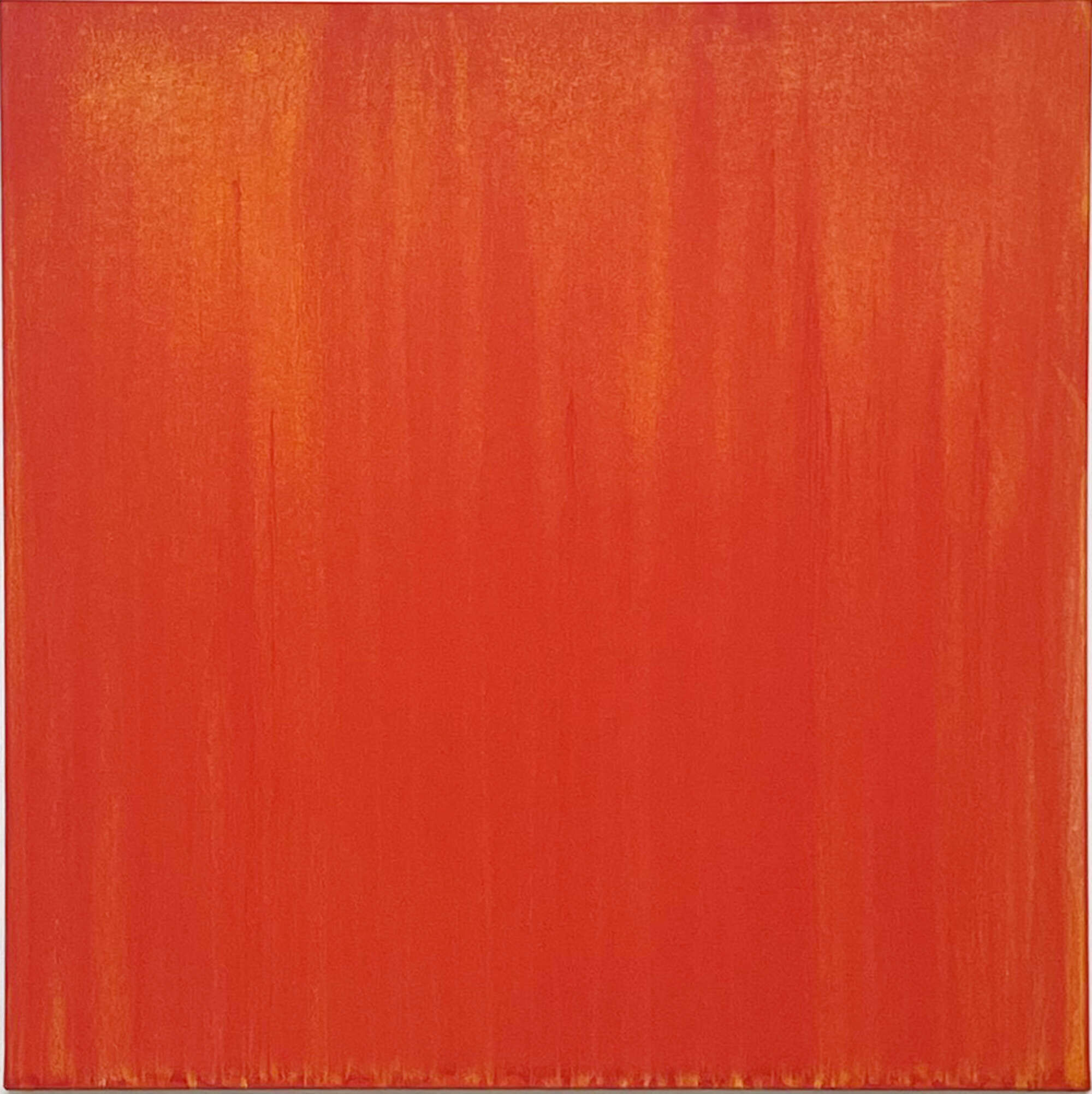
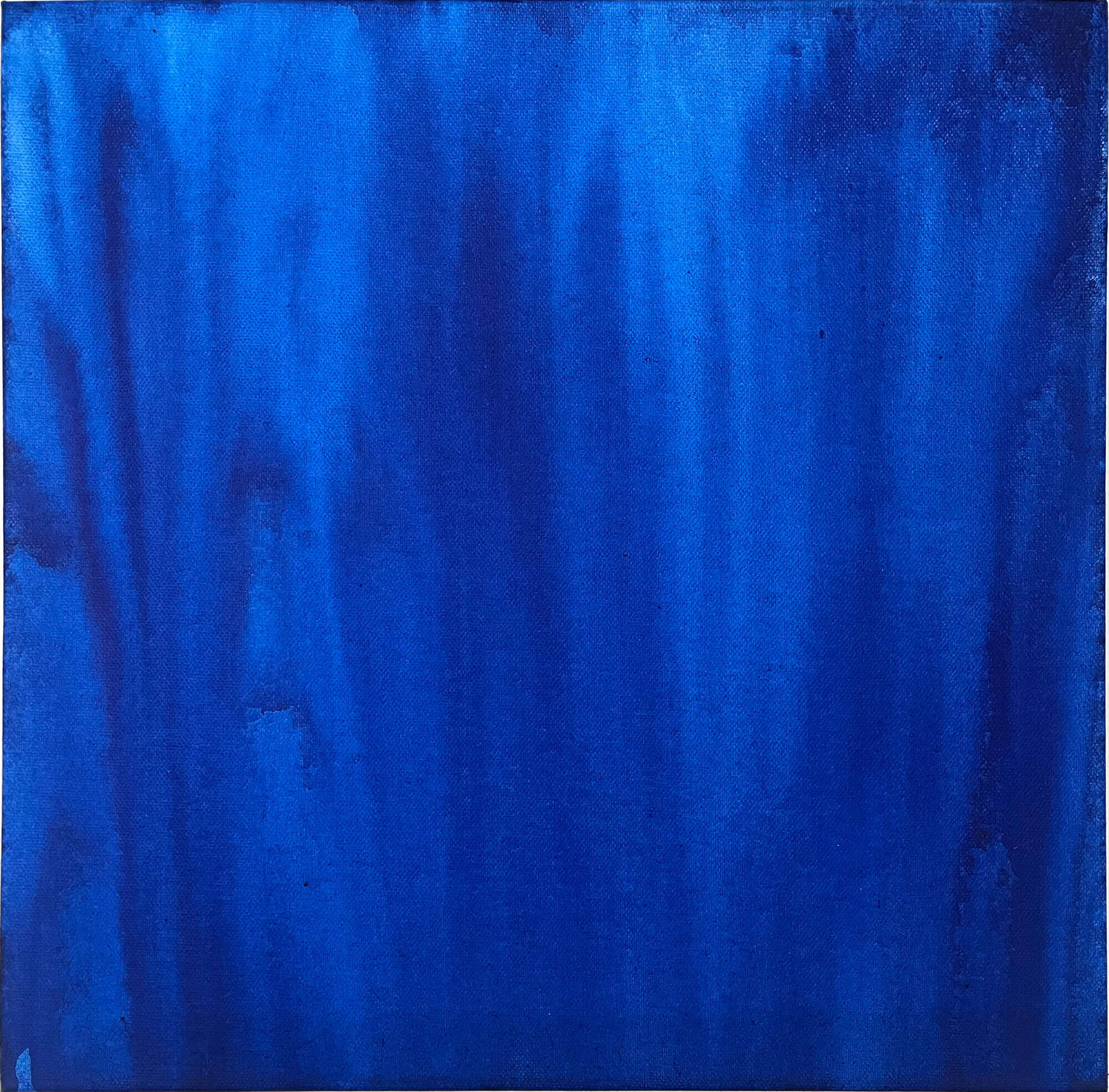
Acrylic and paper on batik-dyed canvas mounted on a stretcher frame
framed
2020
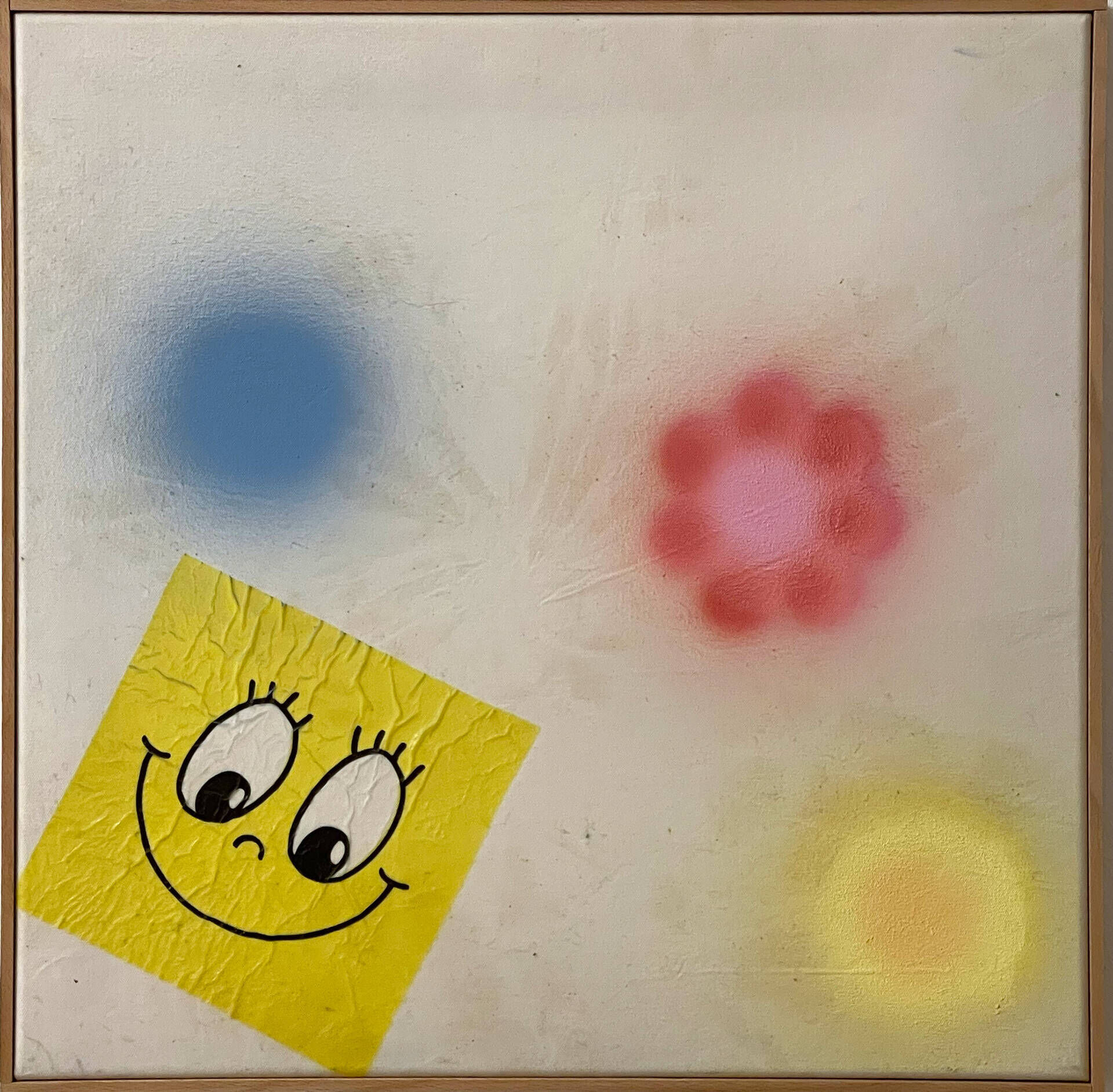
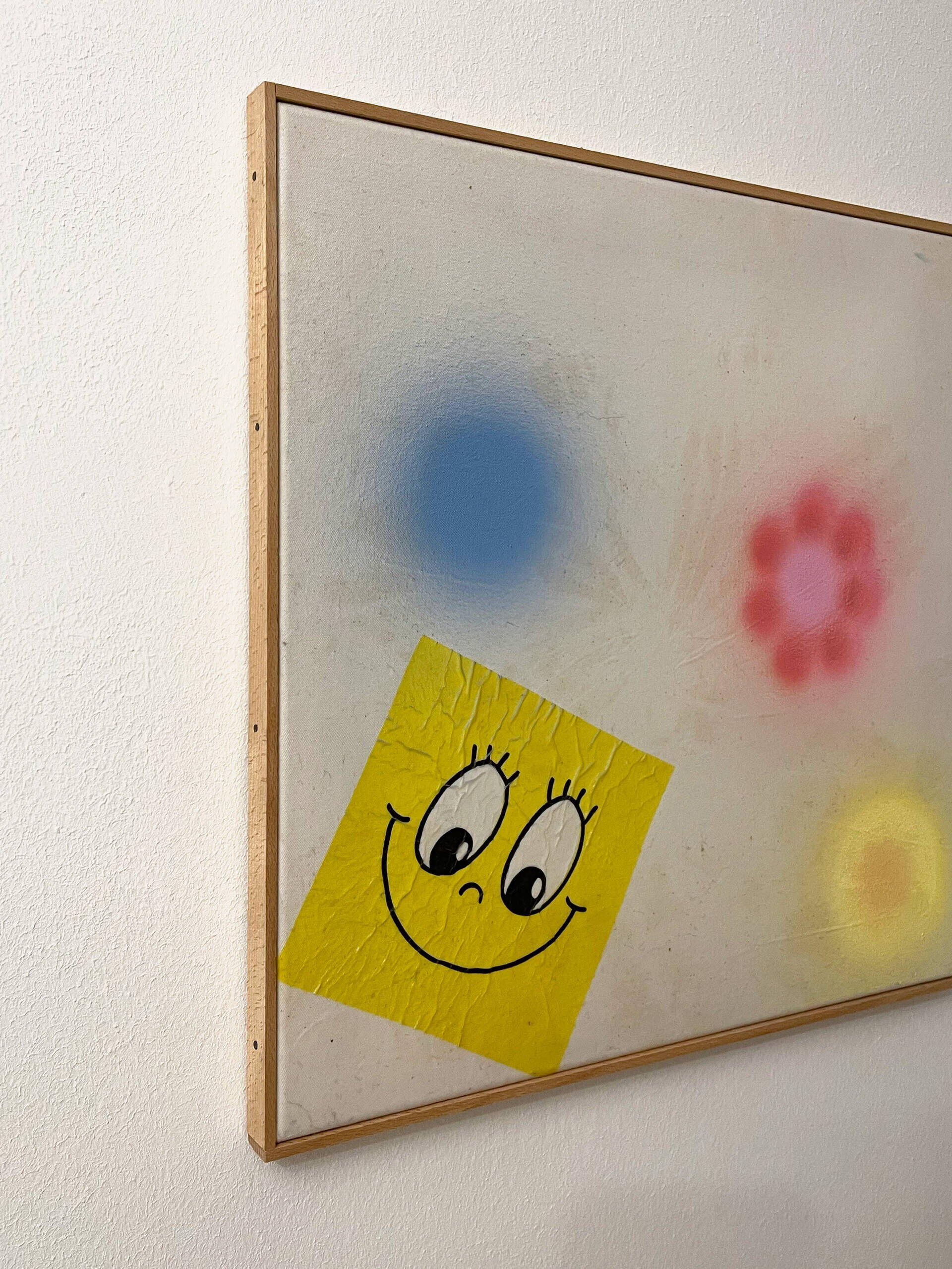
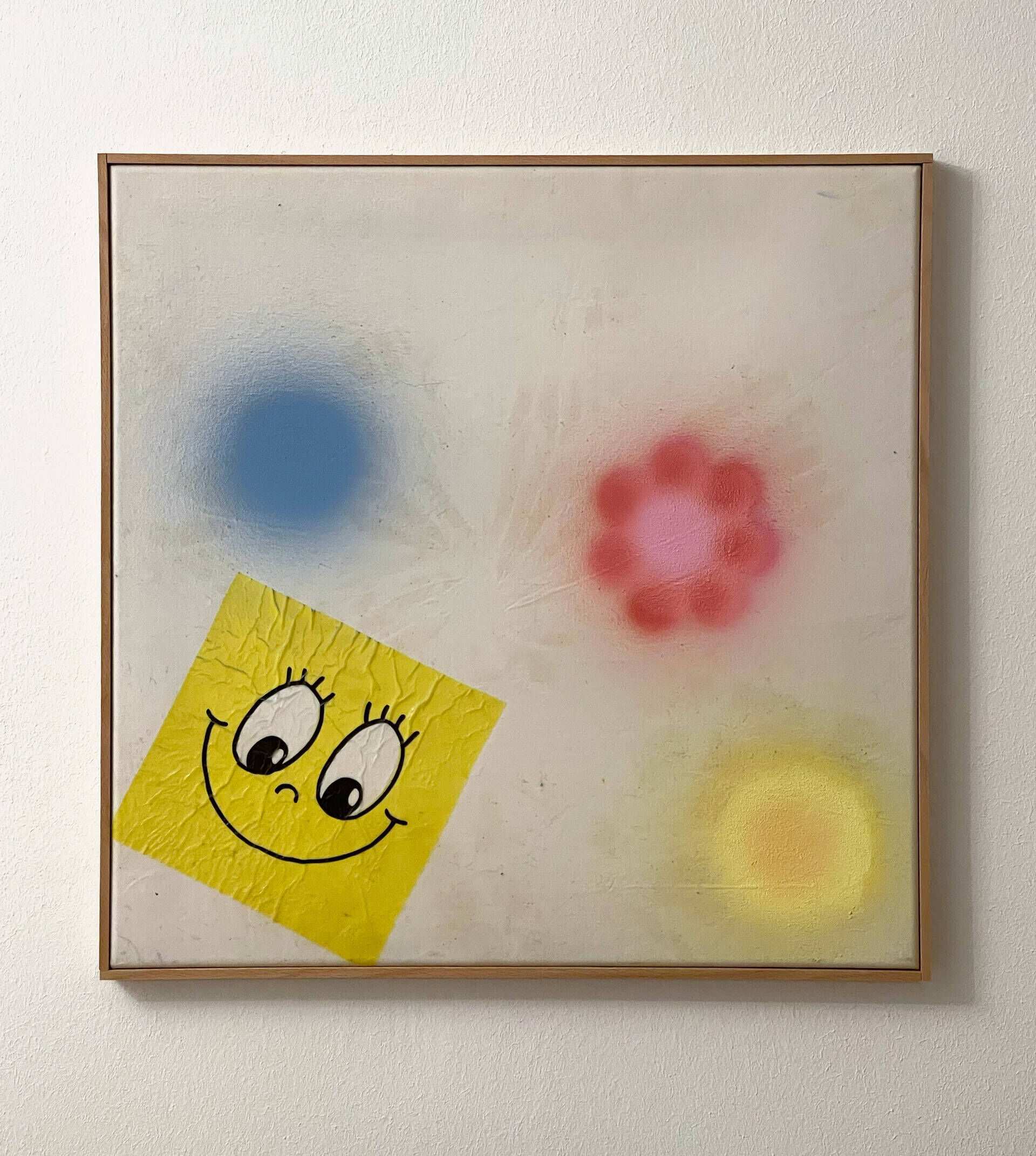
On a canvas fabric dyed using bleach, a carefully considered composition of dots unfolds, conceived as so-called ‘minimal reflection units’. These reflection units, which vary in colour, shape and arrangement, stand out against the organic, textured background of the bleached fabric, creating a harmonious yet dynamic structure. In doing so, they invite the viewer to explore the subtle nuances of their placement and interaction.
The bleached fabric serves as a stage for the artist, upon which the reflection units are arranged with precision and a spirit of experimentation. The fabric’s irregular patterns form a fascinating texture that interacts with the luminous dots. These vary not only in their position but also in their shape, which enhances the dynamism and complexity of the composition. Some dots seem to branch out into more playful compositions, whilst others evoke emotions and moods through variations in colour and shape. They are complemented by an appliqué napkin depicting a cheerfully smiling face. This motif brings a playful touch to the composition and forms an intriguing contrast to the conceptual rigour of the reflective elements. The title of the work, ‘The Gay Science’, refers to Friedrich Nietzsche and introduces a philosophical dimension that enriches the work beyond the purely visual.
The work gains an additional dimension through its deliberate framing: a modern shadow-joint frame made of beech wood mouldings, fastened to the picture with fine nails, surrounds the piece. This framing lends the composition a clear structure without detracting from its lightness, and deliberately directs the viewer’s gaze towards the work’s detailed surface.
The composition captivates with a colour palette that shifts between intense, rich tones and subtle contrasts. This colour scheme, together with the carefully considered arrangement of the dots, creates a mood that oscillates between meditative calm and dynamic energy. It invites the viewer to engage more deeply with the possible meanings and connotations of the painting.
The work is exemplary of analytical painting, which intensively explores fundamental elements such as colour, form and structure. The artist uses the reflective units not only as a formal device but also as a conceptual means of raising questions about order, chance and aesthetics. The combination of minimalist forms, a tactile picture surface and striking framing makes these works striking examples of a style of painting that is profound in both form and content. They invite the viewer to immerse themselves in the subtle details of the composition and to uncover its meaning through a personal dialogue.
Konstantin Lischkoff-Knecht
Mr Knecht studied Fine Art at the Academy of Fine Arts in Munich from 2012 to 2020, under Günther Förg and Jorinde Voigt.
Knecht also took part in Anne Imhof’s project class and engaged in lively exchanges with various lecturers and students at the Academy.
Artist Statement
My artistic journey is deeply rooted in Abstract Expressionism, a style characterised by spontaneous, emotional and unbridled forms of expression. The works of pioneers such as Mark Rothko and Willem de Kooning, as well as artists like Cy Twombly and Georg Baselitz, have significantly shaped my understanding and appreciation of the raw, immediate power of colour and form.
In my paintings, I strive to explore the boundaries of visual language and to convey the emotions and thoughts that move me onto the canvas. Abstract Expressionism offers me the freedom to express myself beyond traditional forms and conventions. This style allows me to experiment with colours, textures and compositions to create a deep and often intuitive resonance.
For me, every canvas is a slaughtering block upon which I come to terms with inner conflicts, feelings and thoughts. The movement of the brush, the flow of paint and the bold gestures reflect the intensity and spontaneity that lie at the heart of my work. The factor of time plays a very intimate role in the creative process: For me, the flow of paint and the resulting emergence of the image represent the passing of the states of my inner life as they are immediately experienced. This process is ultimately concealed from the viewer – the viewer is presented only with the outcome of my process. Through this unfiltered form of artistic expression, I strive to draw viewers into a world of emotion that is as subjective and multi-layered as human experience itself.
Abstract Expressionism has provided me not only with a stylistic framework, but also with a philosophical foundation. It reminds me that art should not merely be viewed, but experienced – it should create a direct and often personal connection between the work and the viewer.
Exhibitions (selection):
2015 Polish Institute Platan / Latarka Gallery (Budapest)
2015 Salon Kennedy (Frankfurt)
2015 Kunstverein Wiesbaden (Wiesbaden)
2016 Catholic Academy Munich (Munich)
2017 Lothringer 13 (Munich)
2017 Art Homes (Munich)
2018 Kunstarkaden (Munich)
2018 Haus 10 (Fürstenfeldbruck)
2023 Kunstarkaden (Munich)
2024 Kunstpavillon (Munich)