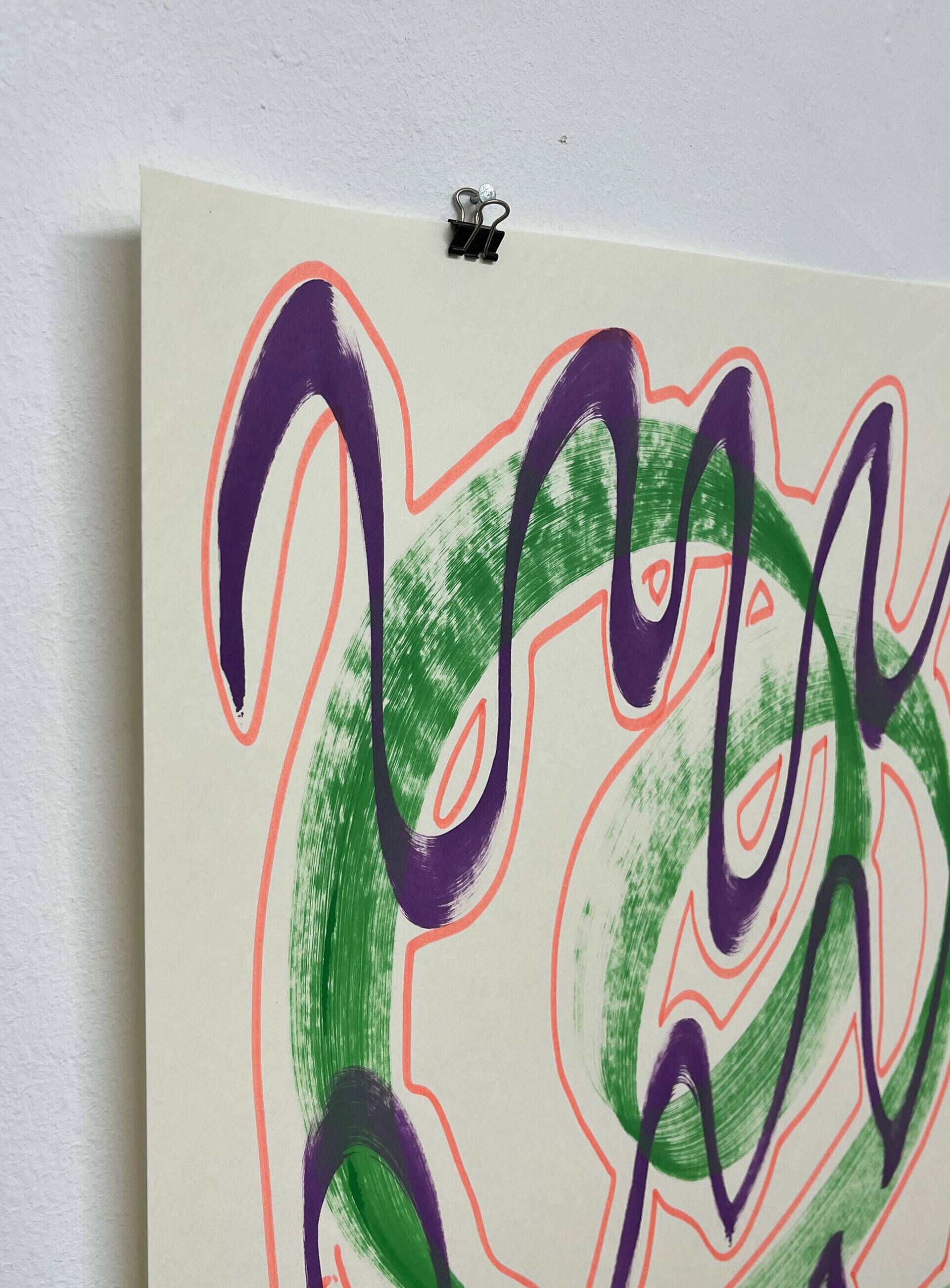
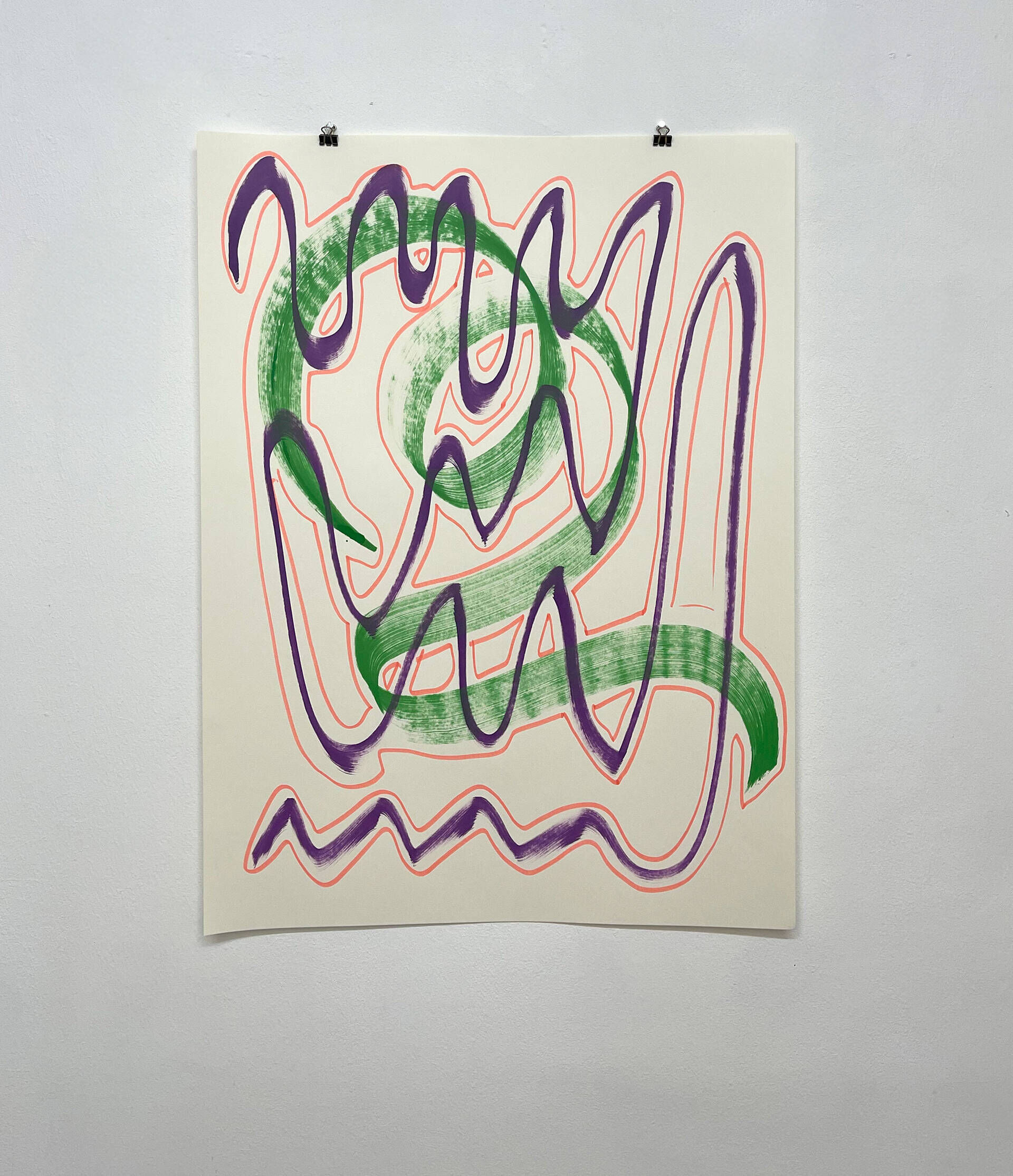
Linienkomposition 1
| Edition | Original Art |
|---|---|
| Sujet | Narrative Art |
| Technique | Painting |
| Height | 50 cm |
| Width | 70 cm |
| Length/Depth | 0.1 cm |
(2017)
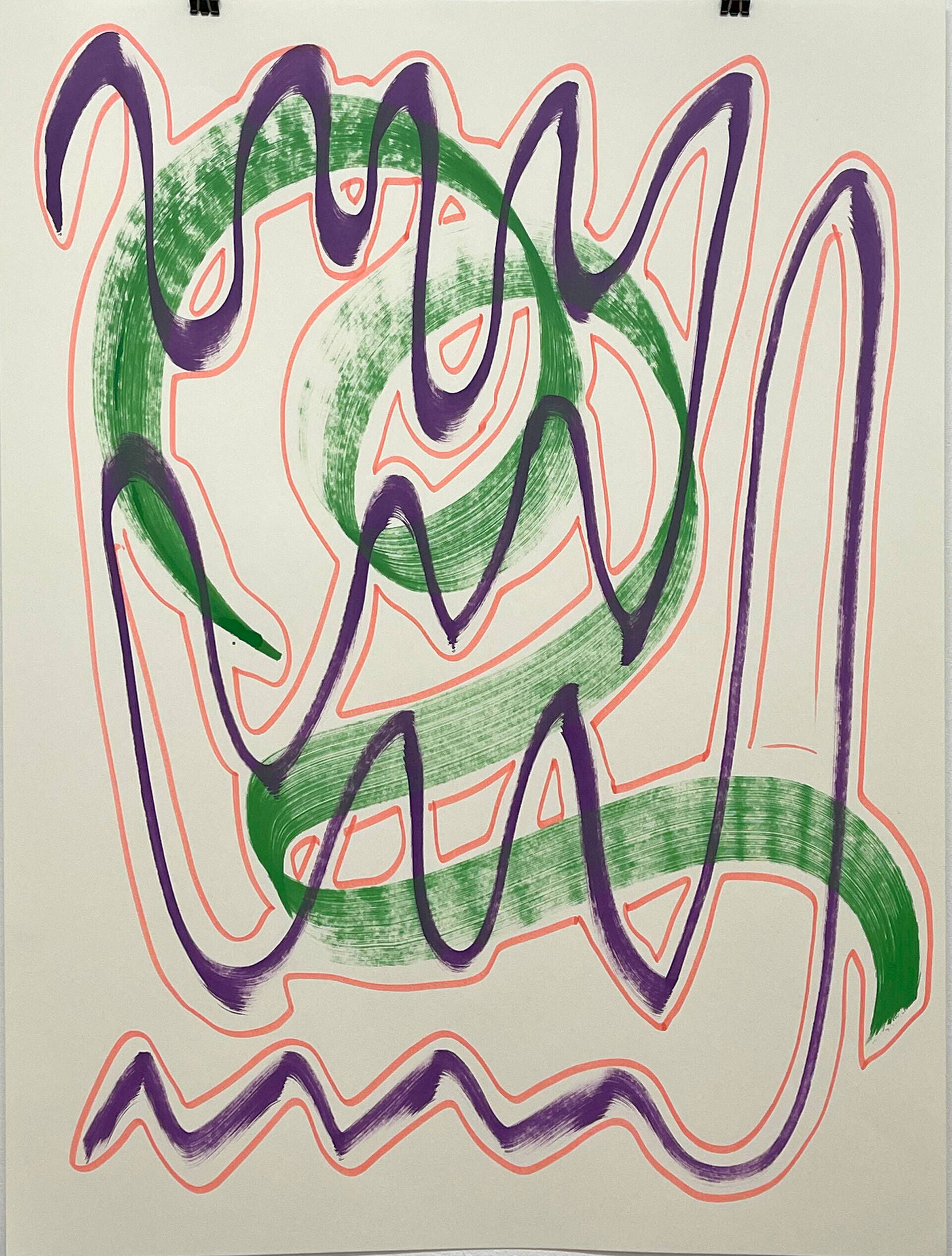
Pigment varnish and marker on paper
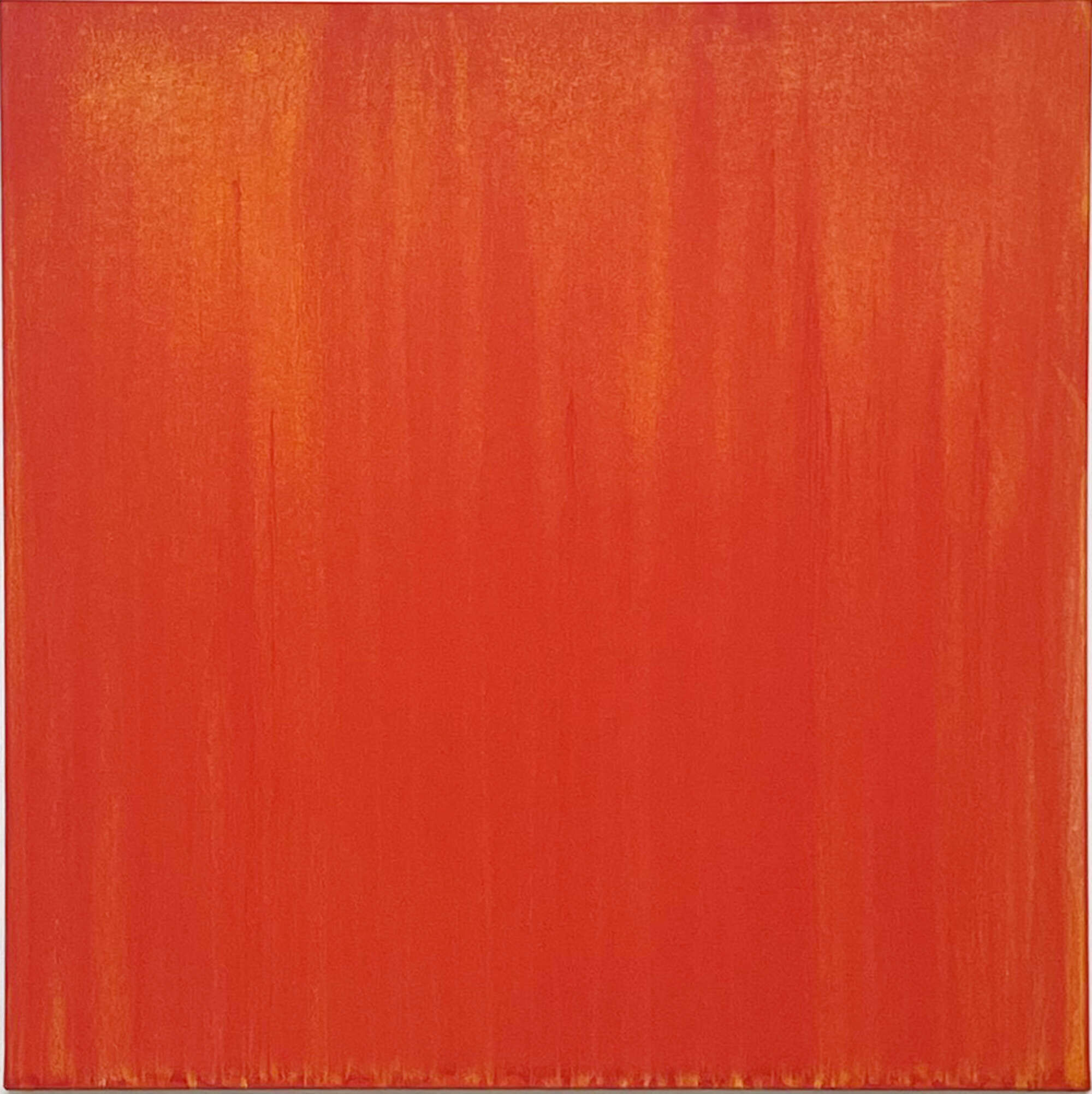
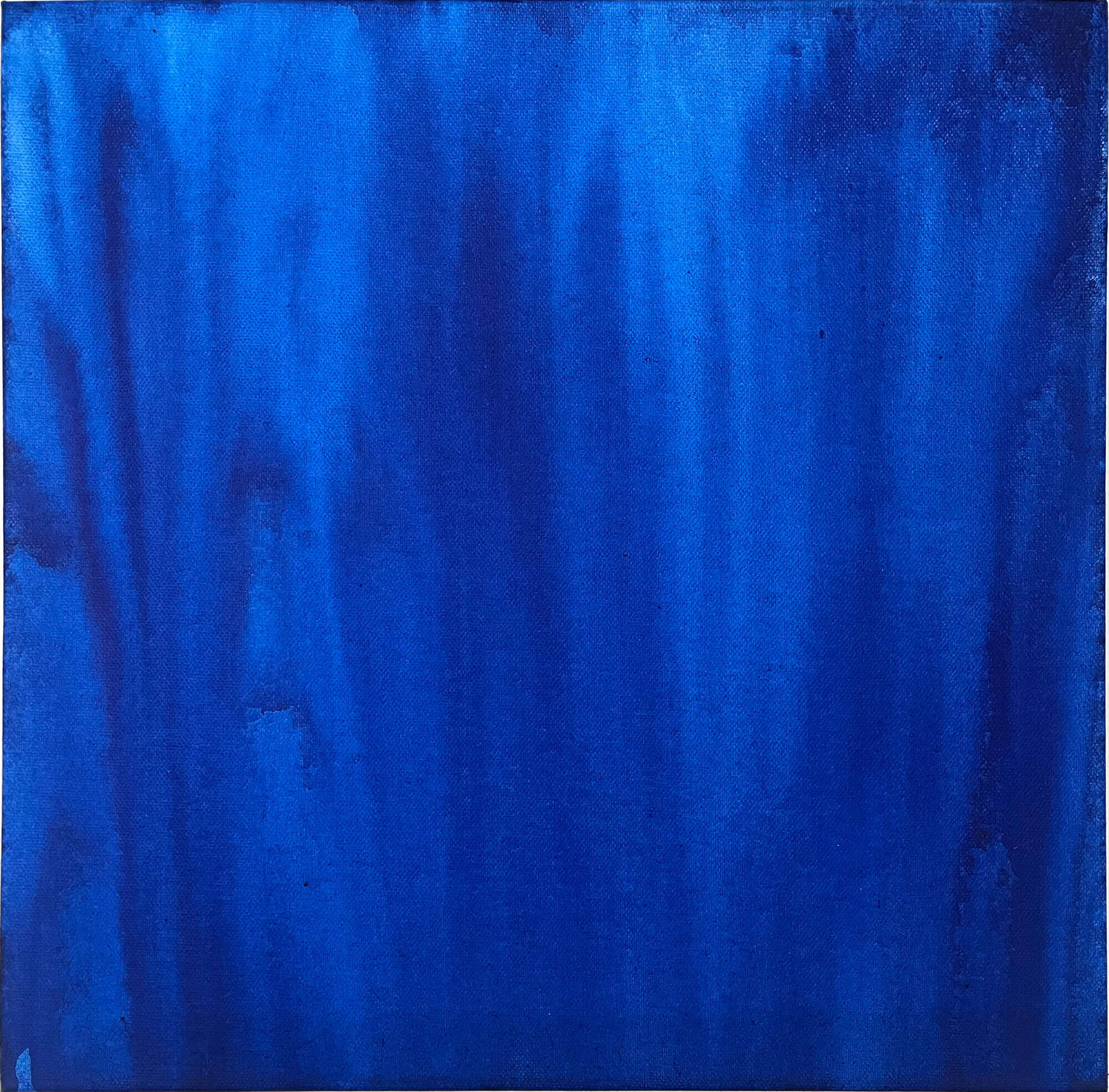
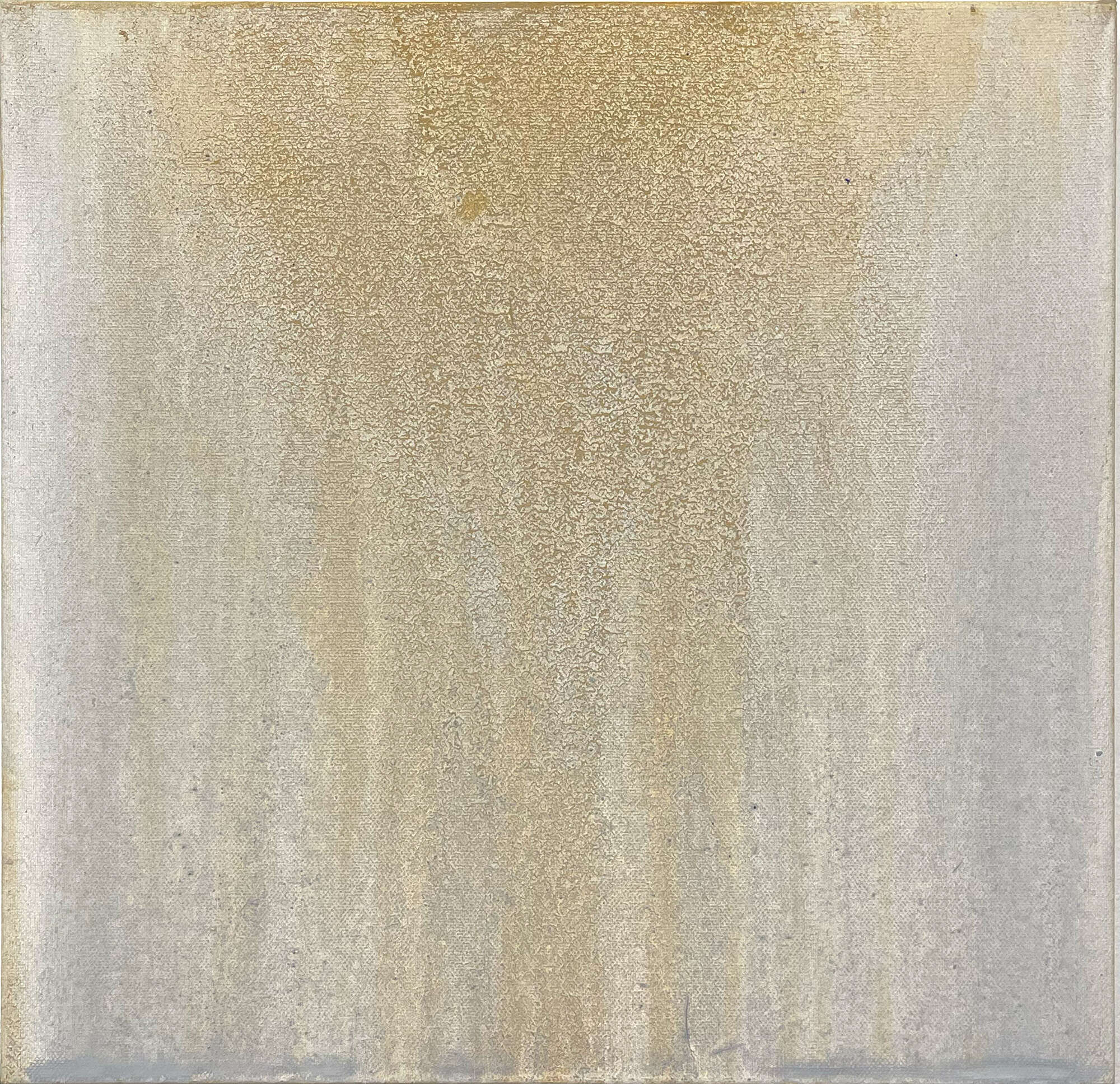
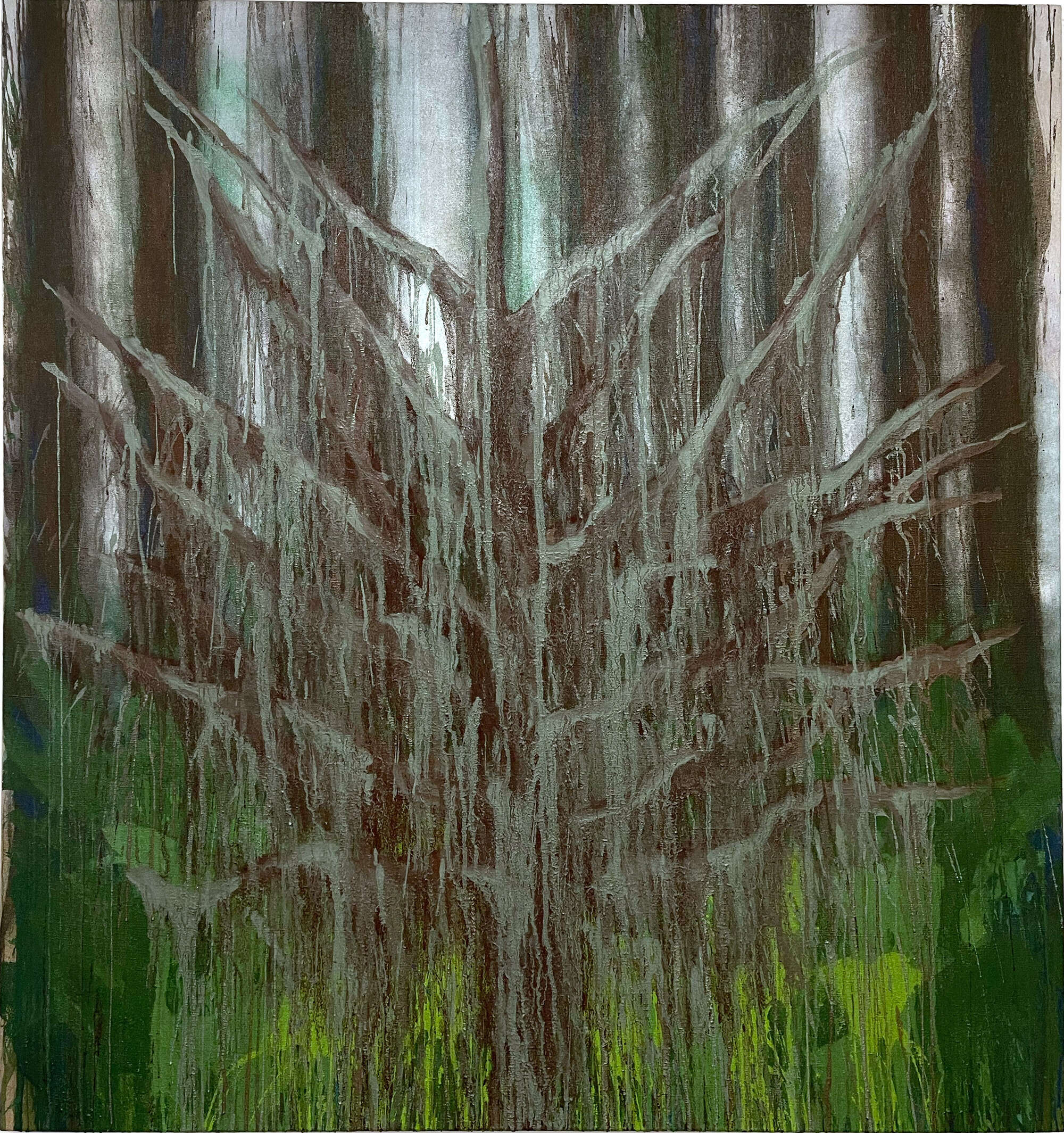
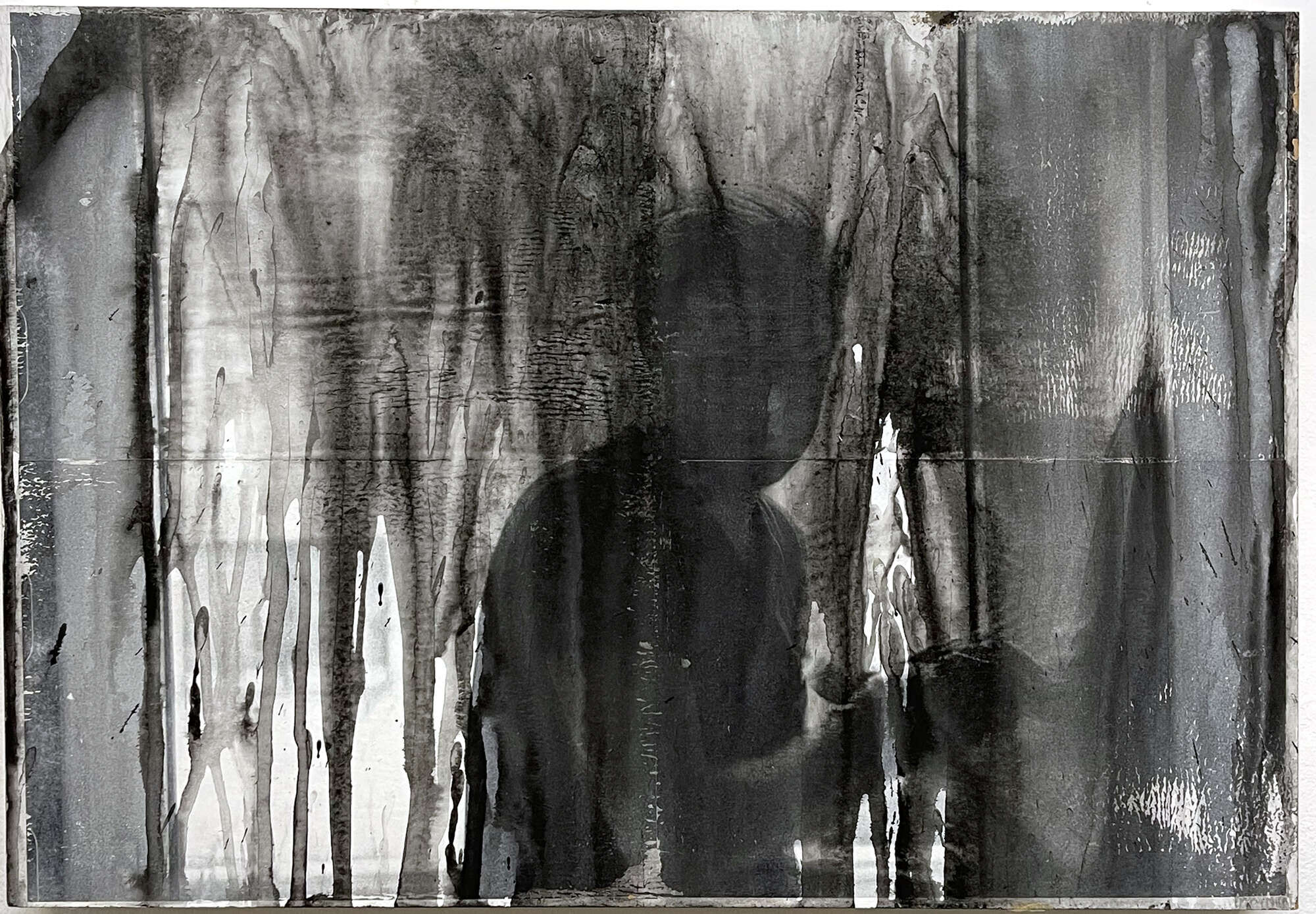
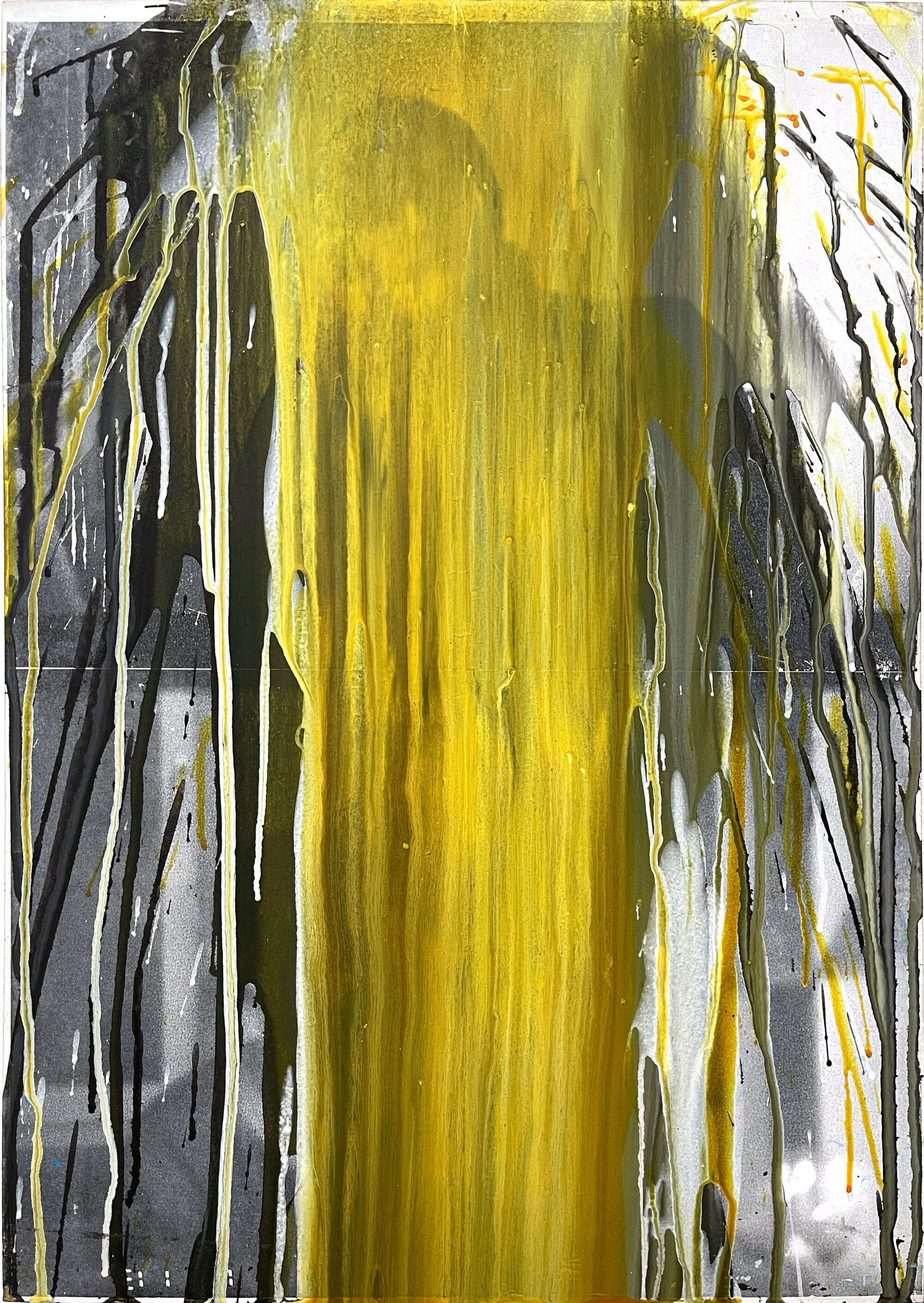
This painting on paper blurs the boundary between abstract drawing and painting. Through a dynamic combination of areas of colour and lines, a work emerges that transcends the traditional distinction between these two forms of expression and merges them into a harmonious whole.
In this work, the artist not only explores colour but also examines the boundaries and interplay between areas of colour and lines. What constitutes a colour field and what constitutes a line is explored in this series of works: the colour fields are at times gently blended, at other times applied with vigour, thereby creating emotional and visual depth. These areas of colour interact with fine, precisely placed lines that function both as boundaries and as connecting elements.
The lines break through the areas of colour, define them or disappear into them, lending the picture a fluid dynamism. The boundaries between line and surface are often ambiguous; they overlap, merge or stand in a tense contrast to one another. This gives rise to a multi-layered interplay of form and colour, inviting the viewer to explore the subtle transitions and interactions.
The use of paper as a painting surface enhances the lightness and transparency of the work. The texture of the paper subtly comes to the fore and contributes to the tactile quality of the painting. This underlines the artist’s technical precision and artistic sensitivity.
The work challenges the viewer to question the conventional categories of drawing and painting and to embark on a visual journey that celebrates the complexity and versatility of these art forms. It invites us to redefine the boundaries of planes and lines and to discover the possibilities of their interaction and fusion.
This painting is a striking example of the artist’s ability to transcend traditional techniques and develop a new, innovative visual language. It demonstrates how lines and planes, although seemingly contrasting elements, can come together in a harmonious and dynamic composition.
Konstantin Lischkoff-Knecht
Mr Knecht studied Fine Art at the Academy of Fine Arts in Munich from 2012 to 2020, under Günther Förg and Jorinde Voigt.
Knecht also took part in Anne Imhof’s project class and engaged in lively exchanges with various lecturers and students at the Academy.
Artist Statement
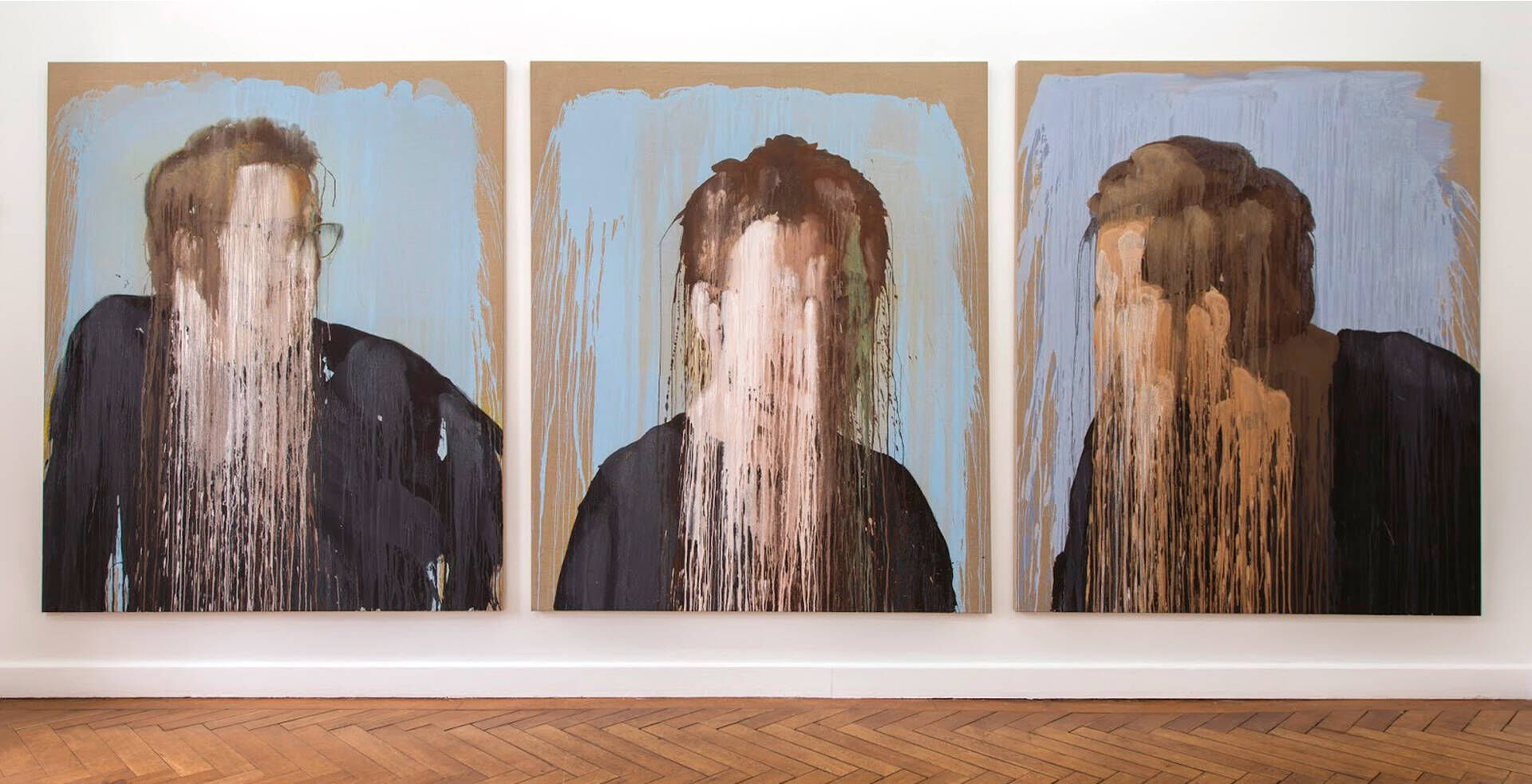
My artistic journey is deeply rooted in Abstract Expressionism, a style characterised by spontaneous, emotional and unbridled forms of expression. The works of pioneers such as Mark Rothko and Willem de Kooning, as well as artists like Cy Twombly and Georg Baselitz, have significantly shaped my understanding and appreciation of the raw, immediate power of colour and form.
In my paintings, I strive to explore the boundaries of visual language and to convey the emotions and thoughts that move me onto the canvas. Abstract Expressionism offers me the freedom to express myself beyond traditional forms and conventions. This style allows me to experiment with colours, textures and compositions to create a deep and often intuitive resonance.
For me, every canvas is a slaughtering block upon which I come to terms with inner conflicts, feelings and thoughts. The movement of the brush, the flow of paint and the bold gestures reflect the intensity and spontaneity that lie at the heart of my work. The factor of time plays a very intimate role in the creative process: For me, the flow of paint and the resulting emergence of the image represent the passing of the states of my inner life as they are immediately experienced. This process is ultimately concealed from the viewer – the viewer is presented only with the outcome of my process. Through this unfiltered form of artistic expression, I strive to draw viewers into a world of emotion that is as subjective and multi-layered as human experience itself.
Abstract Expressionism has provided me not only with a stylistic framework, but also with a philosophical foundation. It reminds me that art should not merely be viewed, but experienced – it should create a direct and often personal connection between the work and the viewer.
Exhibitions (selection):
2015 Polish Institute Platan / Latarka Gallery (Budapest)
2015 Salon Kennedy (Frankfurt)
2015 Kunstverein Wiesbaden (Wiesbaden)
2016 Catholic Academy Munich (Munich)
2017 Lothringer 13 (Munich)
2017 Art Homes (Munich)
2018 Kunstarkaden (Munich)
2018 Haus 10 (Fürstenfeldbruck)
2023 Kunstarkaden (Munich)
2024 Kunstpavillon (Munich)